
Introduction
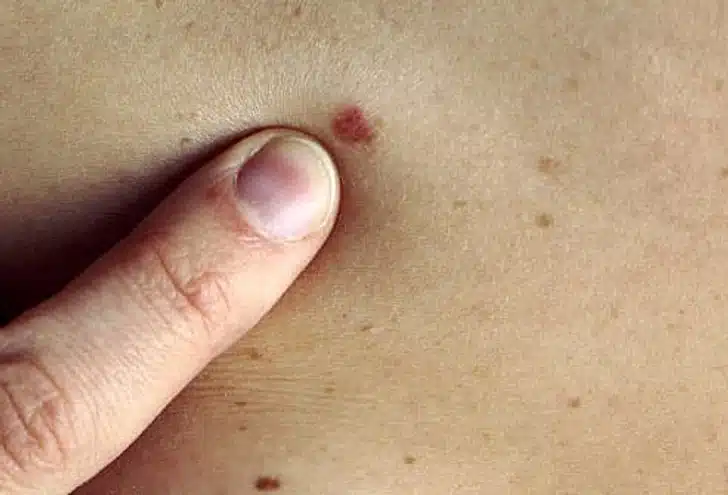
Skin health is a significant component of overall health, particularly in Australia where the UV index is one of the highest in the world. The active lifestyle of Canberra residents allows people to spend much time outside and be exposed to sunlight and UV radiation. Due to this reason, routine skin checks and mole checks are very important in the early diagnosis of skin cancer.
It is only after noticing a suspicious mole that many people will go and search Google for a mole check clinic or mole check near me. Skin cancer, however, is usually asymptomatic, and prevention is far easier and more successful when it is identified at an early phase. Frequent mole inspections, mole mapping, and professional skin analyses can be used to identify any changes in moles early and lower health risks.
In this guide, we have discussed all about mole checks, mole mapping, red flags of skin cancer and when to consult a doctor in Canberra.
What Is a Mole Check?
Understanding Mole Checks
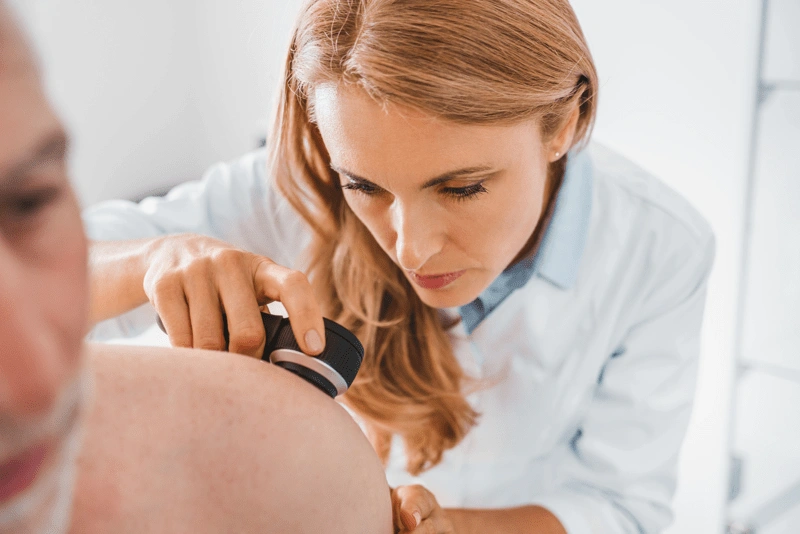
Mole check is a medical screening of the skin by a physician, who examines moles, freckles and other spots on the skin to identify any evidence of skin cancer or other abnormal skin changes. Such checks are typically carried out with the help of a dermatoscope with the help of which doctors can observe the skin structures which cannot be seen by the naked eye.
At a mole check, the physician might:
- Examine individual moles
- Compare sizes and colors of mole
- Check for irregular borders
- Seek new or suspicious locations
- Make monitoring photographs
- Suggest biopsy in case of need
People who: are particularly important in terms of regular mole checks.
- Have many moles
- Have fair skin
- Spend time outdoors
- Have a history of sunburn
- Skin cancer history in family
- Are over 40 years old
What Is Mole Mapping?
Mole Mapping Explained
A more sophisticated technique of following moles is called mole mapping. It includes high-resolution body and close-up pictures of specific moles. These photos are archived and contrasted when next visits occur in order to capture even minute changes.
Mole mapping assists doctors in determining:
- New moles
- Changes in existing moles
- Growth patterns
- Color changes
- Border changes
- Early melanoma signs
How Mole Mapping Works
This typically involves:
- Full body photography
- Close-up mole images
- Digital storage of images
- Against comparison next appointment
- Tracking the evolution
This technique is specifically effective with individuals that possess numerous moles or abnormal skin designs.
Warning Signs of Skin Cancer
The ABCDE Rule for Moles
The ABCDE rule is a rule commonly used by doctors to diagnose suspicious moles.
- A – Asymmetry: The other half of a mole is not identical.
- B – Border: The edges are lumpy, indistinct or rough.
- C – Color: Varied tinges of brown, black, red, white or blue.
- D – Diameter: The mole is bigger than 6mm (approximately the size of a pencil eraser).
- E – Evolving: The mole swells or shrinks, turns color or begins to bleed or itch.
When a mole presents any of these symptoms, you will need to go to a mole check clinic as early as possible.
Other Non-Mole Signs
A common belief holds that skin cancer only manifests as a mole but this is not always the case. Also present in the skin cancers are:
- Red patches
- Pink lumps
- Scaly areas
- Non-healing sores
- Bleeding spots
- Crusty lesions
- Tender areas
- Raised growths
- Flat rough patches
They can be an indication that squamous cell skin cancer treatment is needed or other forms of skin cancer such as basal cell carcinoma.
Types of Skin Cancer
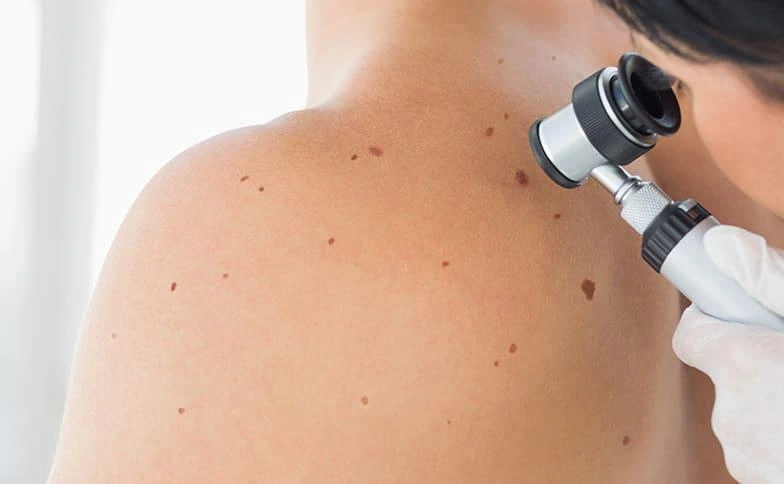
- Basal Cell Carcinoma (BCC): The least dangerous and slow-growing skin cancer. It usually looks like a pearly lump or non-healing sore.
- Squamous Cell Carcinoma (SCC): Commonly presented as a thickened, scaly red patch, or unhealing sore. It is important to treat squamous cell skin cancer early as it may extend to other parts of the body.
- Melanoma: The most perilous form of skin cancer. It tends to manifest itself as a developing dark spot or moving mole.
Why Mole Checks Matter in Canberra
High UV Exposure in Canberra
Canberra has a high UV most parts of the year. Unless there is a cloud cover, UV radiation can destroy skin cells even during cloudy weather. This damage will cause skin cancer over time.
In Canberra, people are at a greater risk when they:
- Work outdoors
- Play outdoor sports
- Go hiking or cycling
- Spend time gardening
- Have fair skin
- Have many moles
Checking the mole regularly assists in identifying the problems before they arise.
Advantages of Periodic Mole Checks
Use of a mole check clinic has numerous advantages.
- Early Detection: Early skin cancer has a higher cure rate and is easier to treat.
- Peace of Mind: Being aware of your skin helps you become less stressed and anxious.
- Monitoring Changes: Mole changes can be followed over time by physicians.
- Professional Assessment: Doctors will be able to detect concerning spots that you may not notice.
- Preventative Care: Physicians can prescribe sun protection and skin care information.
When Should You Get a Mole Check?
You may want to get a mole check:
- Every one year as a general check-up
- After every 6 months when you possess several moles
- Change of a mole instant, if
- If a mole bleeds or itches
- Should some new mole come in sudden
- If a spot does not heal
- If a mole becomes painful
- If you notice color changes
Looking up a mole check near me and making an appointment to have a skin check-up might help you to find out about skin cancer as early as possible and save your life.
What Happens During a Mole Check Appointment?
Some individuals are too scared to attend their first appointment due to a lack of knowledge on what to expect.
Appointment generally comprises:
- Medical history questions
- Talk about sun exposure
- Full body skin examination
- Dermatoscope examination
- Mole photography
- Detection of suspicious spots
- Biopsy if needed
- Treatment plan if required
It is not very painful, and lasts about 15–30 minutes.
Treatment of Skin Cancer
When a suspicious mole is identified and diagnosed with skin cancer, the doctors can prescribe various forms of treatment based on the type and the stage.
Examples of typical ways of treating skin cancer:
- Surgical Excision
- Cryotherapy
- Curettage and Cautery
- Topical Creams
- Radiation Therapy
Squamous Cell Skin Cancer can mainly be treated through surgery, where the cancer mass and surrounding tissue can be removed.
Squamous cell skin cancer treatment normally involves:
- Surgical removal
- Cryotherapy
- Topical medication
- Radiation treatment of advanced cases
Early diagnosis is a major way of making treatment more complex.
Cost and Efficiency
The prices of a mole check in Canberra may differ based on:
- Clinic type
- Mole mapping services
- Number of moles checked
- Biopsy requirements
- Follow-up visits
Nevertheless, frequent mole screenings are much cheaper compared to the management of metastatic skin cancer. An early diagnosis lowers the costs of skin cancer treatment, recovery duration and health risks.
Tips for Choosing the Right Mole Check Clinic
In choosing a mole check clinic, one should pay attention to the following factors:
- Experience and Qualifications: Select physicians who have experience in skin cancer.
- Mole Mapping Availability: Moving clinics that provide mole mapping have better long-term follow up.
- Technology and Equipment: There are better dermatoscopes and imaging systems available in the modern world.
- Reviews and Reputation: Individual patient review and reputation.
- Appointment Availability: Select clinics that have fair waiting time.
Follow-Up Services: Clinics are good where they have follow up monitoring and treatment.
Skin Protection Safety and Best Practices
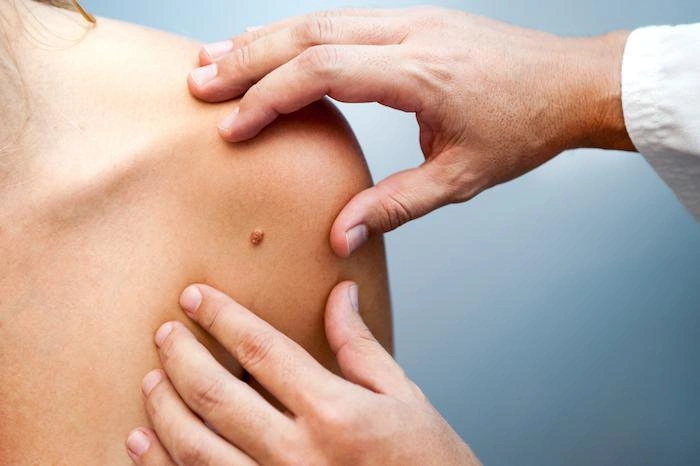
It is always better to prevent a problem rather than cure it. Skin cancer is discouraged by protecting your skin.
Skin Protection Tips
- Use SPF 50+ sunscreen daily
- Wear hats and sunglasses
- Avoid sun between 10 AM and 4 PM
- Wear protective clothing
- Reread sunscreen after every 2 hours
- Avoid tanning beds
- Check your skin monthly
- Record the pictures of moles to track them
- Go to a mole clinic every year
Moles: How to Check Your Moles at Home
A monthly self-examination of the skin should be done.
Steps for Self Skin Check
- Stand in front of a mirror
- Check face, ears, and neck
- Check arms and hands
- Check chest and stomach
- Mirror on the back and shoulders
- Check legs and feet
- Check scalp using a comb
- Search new or newish locations
When you see something suspicious, find a mole check near me and make a reservation.
Conclusion
The detection of skin cancer at a very young stage requires mole checks and mole mapping since in Canberra the exposure to UV is very high. Skin check-ups regularly will assist in detecting the suspicious moles, measuring changes, and detecting the skin cancer sooner when it is simple and more effective to treat.
In case you observe any changes in your skin or new moles or spots, which look unusual, you should visit a mole check clinic as soon as possible. This will ensure that serious health problems are avoided and less complex skin cancer treatment or squamous cell skin cancer treatment in the future is required.
One of the most significant things that you can do to keep your skin and health safe is making mole checks a routine of your health.
Frequently Asked Questions (FAQs)
Q1. How often should I get a mole check in Canberra?
Most people should get a professional mole check once a year. However, if you have many moles, fair skin, or a history of skin cancer, doctors may recommend checks every six months. Regular monitoring helps detect changes early and reduces the risk of advanced skin cancer.
Q2. What is the difference between mole check and mole mapping?
A mole check is a visual examination of moles by a doctor, while mole mapping involves taking digital images of the entire body and tracking mole changes over time. Mole mapping is more advanced and helps detect very small changes that may not be visible during a regular skin check.
Q3. When should I see a doctor about a mole?
You should see a doctor if a mole changes colour, size, or shape, becomes itchy or painful, starts bleeding, or looks different from other moles. Any new mole appearing in adulthood should also be checked by a professional to rule out skin cancer.
Q4. Is squamous cell skin cancer dangerous?
Squamous cell skin cancer is usually treatable if detected early, but it can spread to other parts of the body if left untreated. Early diagnosis and proper squamous cell skin cancer treatment significantly improve recovery outcomes and reduce complications.
Q5. Can skin cancer appear as something other than a mole?
Yes, skin cancer does not always appear as a mole. It can look like a red patch, scaly area, non-healing sore, pink lump, or crusty spot. That is why full skin checks at a mole check clinic are important, not just checking moles.
Book your skin check today with Canberra Skin Cancer Clinic
Early detection saves lives. Your skin is worth checking.
| Canberra Skin Cancer Clinic- Green Way | Canberra Skin Cancer Clinic- Molonglo Valley |
| Phone: (02) 6100 9956 | Phone: (02) 5110 3155 |
| Email: reception@greenwaymedicalcentre.com.au | Email: reception@greenwaymedicalcentre.com.au |
| Address: Unit 6/175 Anketell Street, Greenway ACT 2900 | Address: 110 Woodberry Ave Coombs ACT 2611 |
| Website: https://canberraskincancerclinic.com.au/ | Website: https://canberraskincancerclinic.com.au/ |