

Introduction
Many people only search for a mole check near me when they notice a mole that looks unusual or starts changing. However, skin cancer often develops slowly and without obvious symptoms in the early stages. This is why regular skin checks are recommended, especially in Australia where UV exposure is very high throughout the year. Booking an appointment at a mole check clinic is not only for people who already have suspicious moles. Regular skin checks are an important part of preventative healthcare and can help detect skin cancer early, when skin cancer treatment is easier and more successful. This article explains when you should book a mole check, what signs to look for, and why early detection is so important in Canberra.
Understanding Mole Checks and Skin Monitoring
What Is a Mole Check?
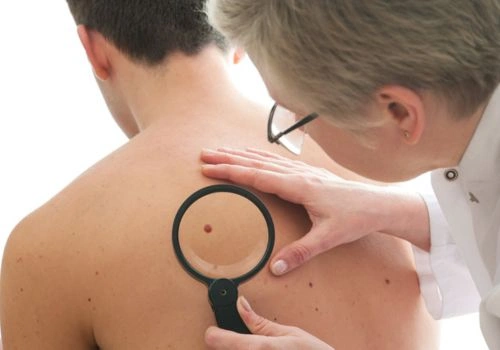
Mole check is a medical examination on the skin that is taken by a practitioner physician who has been trained to detect abnormal moles and early skin cancer. The dermatoscope is a magnifying glass with a dermatoscope, which allows the doctor to analyse the skin and detect variations in the mole structure, colour and shape.
A mole check may include:
- Full body skin examination
- Close observation of suspicious moles
- Mole mapping or digital imaging
- Tracking the alterations of the mole with time
- Biopsy if necessary
- Advice on sun protection
- Follow-up schedule
Skin checks will assist in the detection of issues at the initial stages before they escalate.
Why Mole Checks Are Important in Australia
Australia has one of the highest skin cancer rates in the world due to strong UV radiation. Even short periods of sun exposure over many years can cause skin damage that leads to skin cancer later in life.
People living in Canberra are often exposed to sun while:
- Walking or commuting
- Playing sports
- Gardening
- Hiking or cycling
- Working outdoors
- Spending weekends outside
Moles can accumulate over time and therefore it is advisable to have mole checks regularly even though your skin appears healthy.
When Should You Book a Mole Check?
You are advised to book a mole check in case of the following changes:
- A new mole appears
- A mole changes colour
- A mole grows in size
- A mole is itchy or painful
- A mole starts bleeding
- A mole has irregular borders
- A mole does not resemble any other
- A spot does not heal
- A scaly patch appears
- A lump develops on the skin
All these changes may not necessarily be skin cancer, though, they must be examined by a professional.
How Often Should You Get a Mole Check?
The rate of skin examination varies with the level of risk.
Low Risk
- In case of few moles, no skin cancer history:
- Skin check every 1–2 years
Medium Risk
- In case you have several moles or spend much time in the sun:
- Skin check once per year
High Risk
If you have:
- Many moles
- Family history of melanoma
- Previous skin cancer
- Fair skin
- History of sunburn
Then you are supposed to have a skin check after every 6 months.
The most appropriate schedule can be suggested by a doctor in a mole check clinic.
Risk Factors for Skin Cancer
Individuals Who are to have Moles checked regularly
There are individuals who have higher chances of developing skin cancer and they are expected to undergo routine mole screening.
Common Risk Factors
- Fair skin
- Light hair or light eyes
- Frequent sunburn
- Outdoor job
- Many moles
- Large or unusual moles
- Skin cancer in family history
- Previous skin cancer
- Age over 40
- Use of tanning beds
A mole check near me should be searched and regular skin examination should be scheduled, in case you have any of these risk factors.
Warning Signs to Watch For
The ABCDE Rule
Physicians usually employ the ABCDE algorithm to detect suspicious moles.
A – Asymmetry
The halves of the mole do not correspond to each other.
B – Border
Lines are asymmetrical, smeary or jagged.
C – Colour
The mole comes in various colours which include brown, black, red, white or blue.
D – Diameter
The mole is larger than 6mm.
E – Evolving
The mole varies in size, form, colour or texture.
Whenever a mole indicates any of these signs, it is obligatory to check it with a doctor.
Other Skin Changes That Should Be Checked
Skin cancer is not necessarily in the form of a mole. It may manifest itself in various forms of skin alterations.
Watch for:
- Non-healing sores
- Red patches
- Scaly areas
- Crusty spots
- Pink lumps
- Tender areas
- Bleeding spots
- Thickened skin
- Wart-like growths
Part of them can also be indicators that squamous cell skin cancer treatment might be necessary in case it is diagnosed at an early stage.
Importance of Early Detection
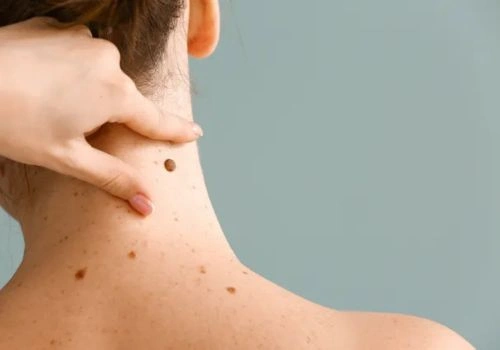
Why Early Detection Matters
Early detection is the most important factor in successful skin cancer treatment. When skin cancer is detected early, treatment is usually simple and recovery is fast.
Benefits of Early Detection
- Less invasive treatment
- Lower treatment cost
- Faster recovery
- Reduced scarring
- Lower risk of cancer spreading
- Better long-term health outcomes
If skin cancer is detected late, treatment may involve surgery, radiation, or other complex procedures.
This is why regular visits to a mole check clinic are recommended.
What Happens During a Mole Check Appointment?
Step-by-Step Skin Check Process
Having a mole check has been a simple and fast process, especially when it is the first time.
During the Appointment:
- Inquiry about medical history by a doctor
- Doctor inquires about the exposure to the sun
- Full body skin examination
- The moles examined with a dermatoscope
- Photos taken for monitoring
- Spots of suspicion noted
- Biopsy done where necessary
- Follow-up appointment made
The consultation will last about 15–30 minutes.
Skin Cancer Treatment Options
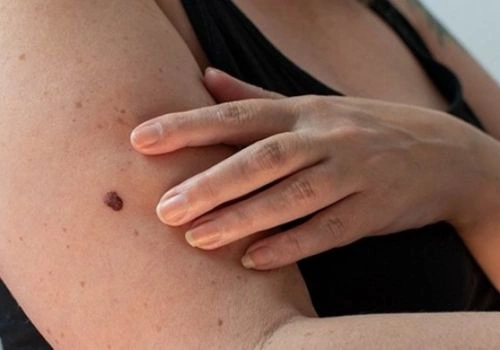
Common Treatment Methods
Should a suspicious mole be found to be skin cancer, the kind of cancer and the stage of the cancer will determine the treatment.
Treatment Options Include:
- Surgical removal
- Cryotherapy (freezing)
- Curettage and cautery
- Topical creams
- Radiation therapy
- Photodynamic therapy
Treatment of Squamous Cell Skin Cancer
The treatment of the squamous cell carcinoma typically incorporates:
- Surgical excision
- Cryotherapy
- Topical chemotherapy creams
- Radiation treatment in the metastatic cases
The sooner the diagnosis, the less difficult and effective the squamous cell skin cancer treatment is.
How to Check Your Skin at Home
Skin Self- Examination every month
Physicians suggest that you should examine your skin at least once during the month.
Steps for Self Skin Check
- Check face and ears
- Check neck and shoulders
- Check arms and hands
- Check chest and stomach
- Check back using a mirror
- Check legs and feet
- Check scalp using a comb
- Seek new or new area spots
Things to Look For
- New moles
- Growing moles
- Colour changes
- Bleeding moles
- Non-healing sores
- Scaly patches
When you notice something that is not normal, make an appointment in a Mole Check Canberra.
How to consult a Skin Cancer Specialist
You Should See a Doctor If:
- A mole changes quickly
- A mole bleeds
- A mole becomes painful
- A sore does not heal
- A new mole appears suddenly
- One spot is not similar to another
- You have many moles
- You have a background of skin cancer
- Worries you have about any change of the skin
Do not put off when the symptoms worsen. Serious health problems can be avoided by undertaking early skin checks.
Preventing Skin Cancer
Sun Protection Tips
In Australia, prevention is of high importance because of the large exposure to UV.
Protect Your Skin By:
- Wearing SPF 50+ sunscreen daily
- Wearing hats and sunglasses
- Putting on protective garments
- The sun should be avoided during 10 Am to 4 PM
- Removing sunscreen after every two hours
- Avoiding tanning beds
- Remaining under shade where necessary
- Self-examination of the skin
- Booking annual skin checks
Prevention and early detection collaborate in order to minimize the risk of skin cancer.
Monitoring Moles Over Time
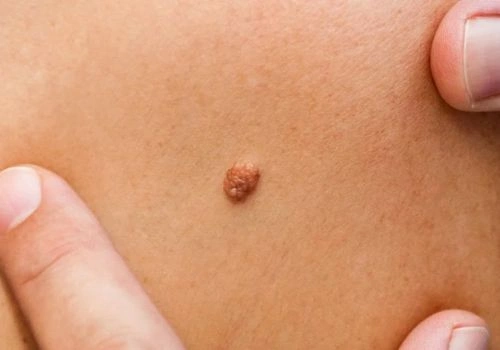
Why Monitoring Is Important
There are moles that may be motionless over a long period of time, and those that evolve gradually. The process of monitoring assists physicians to detect early developments that could be of skin cancer.
Doctors Monitor:
- Mole size
- Mole colour
- Mole border
- Mole texture
- Mole elevation
- New mole development
Digital mole mapping enables the doctor to compare the images each year and identify minute differences.
Conclusion
Mole check is a booking that can help you in saving your skin and well-being as well. Most individuals wait until a mole turns out to be painful or change considerably yet when skin checks are done on a regular basis, issues are identified very early. This is because early identification will make the skin cancer fess less difficult and minimize health risks.
In case of new moles or some change of spots or any other unusual skin changes you should find a mole check near me and book an appointment. The most effective measures of ensuring that you have healthy skin and minimizing your chances of developing skin cancer is by conducting regular skin checks, sun protection and self-examinations.
Frequently Asked Questions (FAQs)
Q1.What makes me know that I should have a mole check?
You are advised to book a mole check in case of a new mole, a changing coloured and size of appearance of a mole, itchiness, bleeding mole, or non-healing sore. Although changes may not be apparent, citizens of Australia are advised to conduct frequent skin check-ups as UV exposure raises a risk of skin cancer with the course of time.
Q2.What is the duration of a mole check appointment?
The duration of a normal mole check can be 15–30 minutes based on the number of moles and the requirement of a full body examination of the skin. In case the physician locates a suspicious mole, he or she may capture images, observe the mole, or conduct a biopsy, which could require further time.
Q3.Are mole checks painful?
Mole checks do not hurt since they require only visual inspection with the help of a dermatoscope. Should you need a biopsy, then a local anaesthetic will be applied such that you do not experience pain during the procedure. The process is fast, easy and comfortable to most.
Q4.What would be the case when a suspicious mole is detected?
When a doctor suspects the appearance of a suspicious mole, the doctor can perform a follow up on that particular mole or take a photograph and compare it or do a biopsy. In case the mole has been diagnosed to be skin cancer, treatment will be advised at the type of the skin cancer. The squamous cell skin cancer treatment at its early stages and the other treatments are generally very effective.
Book your skin check today with Canberra Skin Cancer Clinic
Early detection saves lives. Your skin is worth checking.
| Canberra Skin Cancer Clinic- Green Way | Canberra Skin Cancer Clinic- Molonglo Valley |
| Phone: (02) 6100 9956 | Phone: (02) 5110 3155 |
| Email: reception@greenwaymedicalcentre.com.au | Email: reception@greenwaymedicalcentre.com.au |
| Address: Unit 6/175 Anketell Street, Greenway ACT 2900 | Address: 110 Woodberry Ave Coombs ACT 2611 |
| Website: https://canberraskincancerclinic.com.au/ | Website: https://canberraskincancerclinic.com.au/ |