Introduction
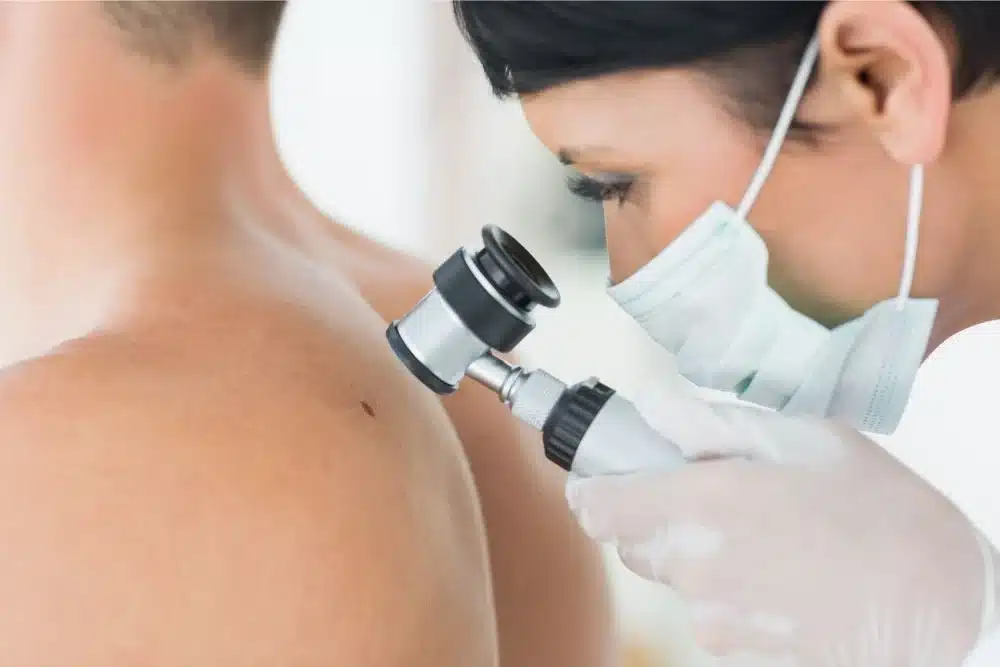
Moles are very common and most people have several on their body. In many cases, moles are harmless and remain unchanged for many years. However, sometimes changes in moles can be an early sign of skin cancer. This is why it is important to monitor your skin and seek professional advice if you notice any unusual changes.
Many people in Canberra search for a mole check near me only after they notice a suspicious mole. However, regular skin checks at a mole check clinic are important even if you do not notice obvious changes. Early detection plays a major role in successful treatment outcomes, especially for serious skin cancers like melanoma and squamous cell carcinoma.
This article explains what changes in moles you should not ignore, why these changes happen, and when you should see a skin cancer specialist.
Understanding Moles and Why They Change
What Are Moles?
Moles are small growths on the skin that develop when pigment-producing cells called melanocytes grow in clusters. Moles can appear anywhere on the body and may vary in size, shape, and colour.
Most moles are:
- Brown or black
- Round or oval
- Flat or slightly raised
- Smooth in texture
- Stable over time
Some people are born with moles, while others develop them during childhood or adulthood. It is normal for new moles to appear up to the age of about 40.
Why Do Moles Change?
Not all mole changes are dangerous. Some changes occur naturally due to aging or sun exposure. However, certain changes may indicate abnormal cell growth and should be examined by a doctor.
Common Reasons Moles Change
- Sun exposure
- Aging
- Hormonal changes
- Pregnancy
- Genetics
- Skin damage
- Immune system changes
- Skin cancer development
If a mole changes suddenly or looks very different from your other moles, it should be checked at a mole check clinic.
Types of Mole Changes to Watch For
Changes in Colour
Colour change is one of the most important warning signs. A mole that changes colour over time should be examined by a professional.
Concerning Colour Changes Include:
- Darkening
- Becoming very black
- Developing multiple colours
- Red, white, or blue areas
- Uneven colour distribution
- Fading colour in one area
Healthy moles are usually one consistent colour. Multiple colours may indicate abnormal cell growth.
Changes in Size
Moles can grow slowly over many years, but rapid growth should be checked by a doctor.
Warning Signs Related to Size:
- Mole becomes larger quickly
- Mole grows wider
- Mole becomes raised after being flat
- Mole becomes thicker
- Mole larger than 6mm
- Mole swelling or expanding
If a mole grows quickly, you should search for a skin cancer check near me and book an appointment.
Changes in Shape and Border
Irregular shape is another important warning sign. Most harmless moles are symmetrical and have smooth borders.
Border Changes to Watch For:
- Jagged edges
- Blurry borders
- Uneven outline
- Spreading edges
- Mole becoming asymmetrical
- Border fading into surrounding skin
These changes may indicate abnormal cell growth and should be checked by a skin cancer specialist.
The ABCDE Rule for Identifying Dangerous Moles
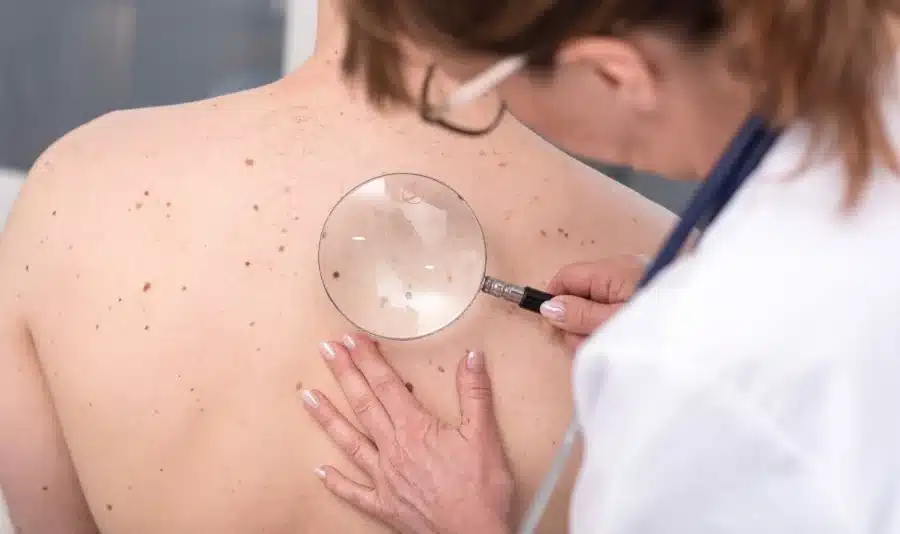
Doctors often use the ABCDE rule to evaluate moles for possible skin cancer.
A – Asymmetry
One half of the mole does not match the other half.
B – Border
Edges are irregular, blurred, or uneven.
C – Colour
Multiple colours or uneven colour distribution.
D – Diameter
Mole larger than 6mm.
E – Evolving
Any change in size, shape, colour, or texture.
If a mole shows any of these signs, you should visit a mole check clinic as soon as possible.
Other Symptoms You Should Not Ignore
Symptoms Beyond Visible Changes
Skin cancer does not always appear as a changing mole. Sometimes the symptoms are related to how the mole feels.
Warning Symptoms Include:
- Itching
- Bleeding
- Crusting
- Pain or tenderness
- Burning sensation
- Inflammation
- Oozing
- Non-healing sore
- Scaly surface
- Lump under the mole
These symptoms should never be ignored and should be examined by a skin cancer specialist.
Risk Factors for Mole Changes and Skin Cancer
People at Higher Risk
Some people are more likely to develop skin cancer and should monitor their moles regularly.
Risk Factors Include:
- Fair skin
- Light hair or light eyes
- Frequent sunburn
- Outdoor work
- Many moles
- Large moles
- Family history of melanoma
- Previous skin cancer
- Age over 40
- Use of tanning beds
- High UV exposure
- Living in Australia
People with these risk factors should have regular skin checks at a mole check clinic.
Importance of Early Detection
Why Early Detection Saves Lives
Early detection is the most important factor in successful skin cancer treatment. When skin cancer is found early, treatment is usually simple and recovery is fast.
Benefits of Early Detection
- Less invasive procedures
- Lower treatment costs
- Faster healing
- Smaller scars
- Reduced risk of cancer spreading
- Better survival rates
- Less complicated treatment
This is why doctors recommend regular skin checks even if you do not notice obvious mole changes.
When to See a Skin Cancer Specialist
Signs You Should Book an Appointment Immediately
You should see a doctor if:
- A mole changes colour
- A mole grows quickly
- A mole becomes itchy
- A mole starts bleeding
- A mole becomes painful
- A new mole appears suddenly
- A sore does not heal
- A scaly patch appears
- A lump develops on the skin
- A spot looks different from other moles
If you notice any of these signs, search for a mole check near me and schedule a professional skin examination.
What Happens During a Mole Check Appointment?
Skin Examination Process
If you visit a mole check clinic, the doctor will examine your skin carefully.
The Appointment May Include:
- Medical history discussion
- Questions about sun exposure
- Full body skin examination
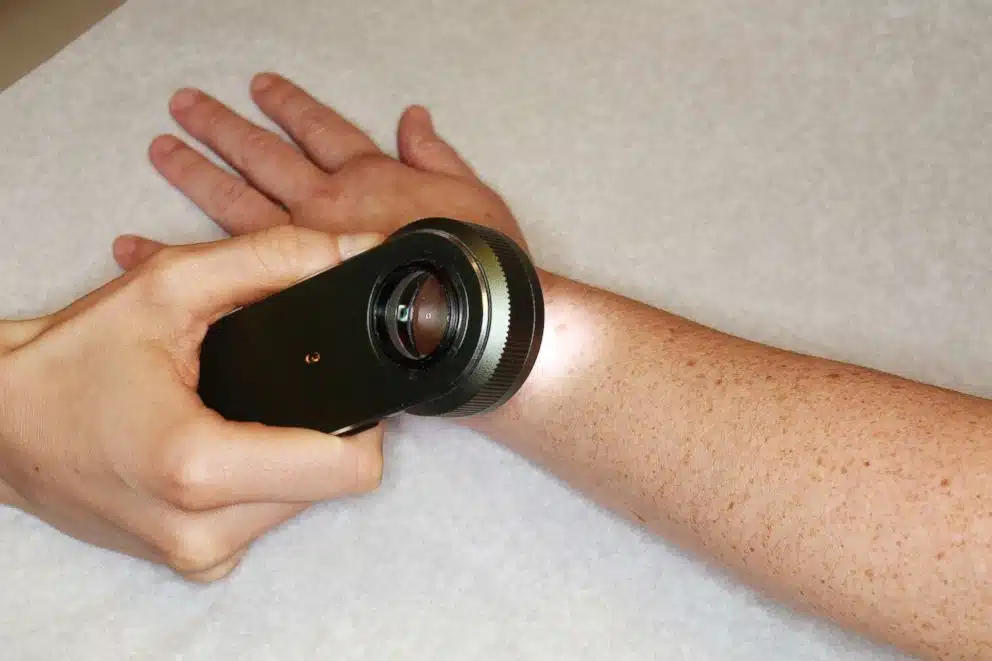
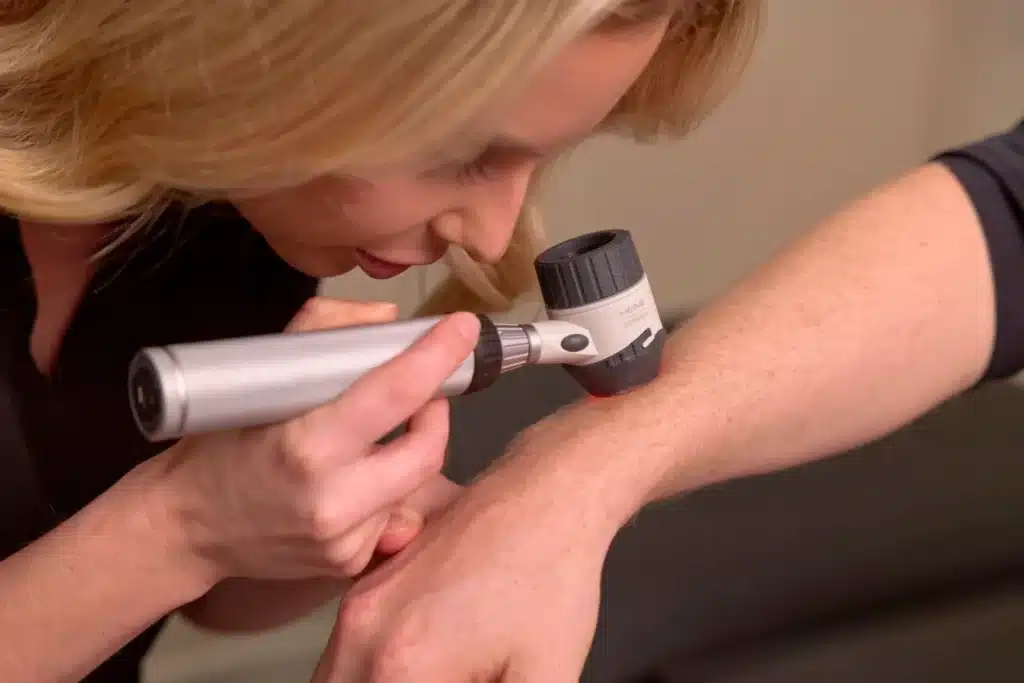
- Dermatoscope examination
- Digital mole photography
- Monitoring suspicious moles
- Biopsy if necessary
- Follow-up appointment
The appointment usually takes around 15 to 30 minutes and is painless.
Monitoring Your Moles at Home
Monthly Skin Self-Examination
Doctors recommend checking your skin once a month to monitor mole changes.
How to Check Your Skin
- Use a full-length mirror
- Check face and ears
- Check neck and shoulders
- Check arms and hands
- Check chest and stomach
- Use a mirror to check back
- Check legs and feet
- Check scalp using a comb
- Look for new or changing spots
Look For:
- New moles
- Changing moles
- Bleeding spots
- Non-healing sores
- Scaly patches
- Lumps or bumps
Home checks help you notice changes early, but they do not replace professional skin checks.
Preventing Mole Changes and Skin Damage
Sun Protection Tips
Preventing sun damage can reduce the risk of mole changes and skin cancer.
Protect Your Skin By:
- Using SPF 50+ sunscreen daily
- Wearing hats and sunglasses
- Wearing protective clothing
- Avoiding sun between 10 AM and 4 PM
- Reapplying sunscreen every 2 hours
- Avoiding tanning beds
- Staying in shade
- Checking your skin regularly
- Booking annual skin checks
Long-term sun protection is one of the most effective ways to prevent skin cancer.
Long-Term Skin Monitoring
Why Regular Skin Checks Are Important
Some skin cancers develop slowly and may not show obvious symptoms for a long time. Regular skin checks allow doctors to monitor moles over time and detect small changes early.
Doctors Monitor:
- Mole size
- Mole colour
- Mole border
- Mole texture
- Mole elevation
- New mole development
- Skin lesions
- Sun damage areas
Regular monitoring helps detect skin cancer before it becomes serious.
Conclusion
Changes in moles should never be ignored, especially in Australia where UV exposure increases the risk of skin cancer. While many mole changes are harmless, some may indicate early skin cancer. Monitoring your skin regularly and attending professional skin checks can help detect problems early and improve treatment outcomes.If you notice any unusual mole changes, new spots, or skin changes, you should visit a mole check clinic canberra or search for a mole check near me to book an appointment. Early detection is the most important step in protecting your skin health.
Frequently Asked Questions (FAQs)
Q1. Are all changing moles cancerous?
Not all changing moles are cancerous, but any change should be checked by a doctor. Changes in size, colour, shape, or texture may indicate abnormal cell growth. A professional skin examination can determine whether the mole is harmless or requires further testing or treatment.
Q2. How quickly can a mole become dangerous?
Some moles change slowly over years, while others can change within a few months. Rapid changes in colour, size, or shape are more concerning and should be checked as soon as possible. Early detection significantly improves treatment success and reduces the risk of skin cancer spreading.
Q3. Should I see a doctor if my mole is itchy?
Yes, itching can be a warning sign, especially if it is persistent or combined with other changes like bleeding, crusting, or growth. While itching does not always mean cancer, it is still important to have the mole examined by a skin cancer specialist.
Q4. Can new moles appear in adulthood?
Yes, new moles can appear in adulthood, but they should be monitored carefully. Any new mole that appears after the age of 30 should be checked by a doctor, especially if it looks different from your other moles or changes over time.
Q5. How often should I get a professional mole check?
Most people should have a professional skin check once a year. People with many moles, fair skin, or a history of skin cancer may need checks every six months. A doctor can recommend the best schedule based on your skin type and risk factors.
Regular skin checks can help detect skin cancer early. If you are looking for a mole check near me, contact our clinic to book a comprehensive skin examination.
Book your skin check today with Canberra Skin Cancer Clinic
| Canberra Skin Cancer Clinic- Green Way | Canberra Skin Cancer Clinic- Molonglo Valley |
| Phone: (02) 6100 9956 | Phone: (02) 5110 3155 |
| Email: reception@greenwaymedicalcentre.com.au | Email: reception@greenwaymedicalcentre.com.au |
| Address: Unit 6/175 Anketell Street, Greenway ACT 2900 | Address: 110 Woodberry Ave Coombs ACT 2611 |
| Website: https://canberraskincancerclinic.com.au/ | Website: https://canberraskincancerclinic.com.au/ |