
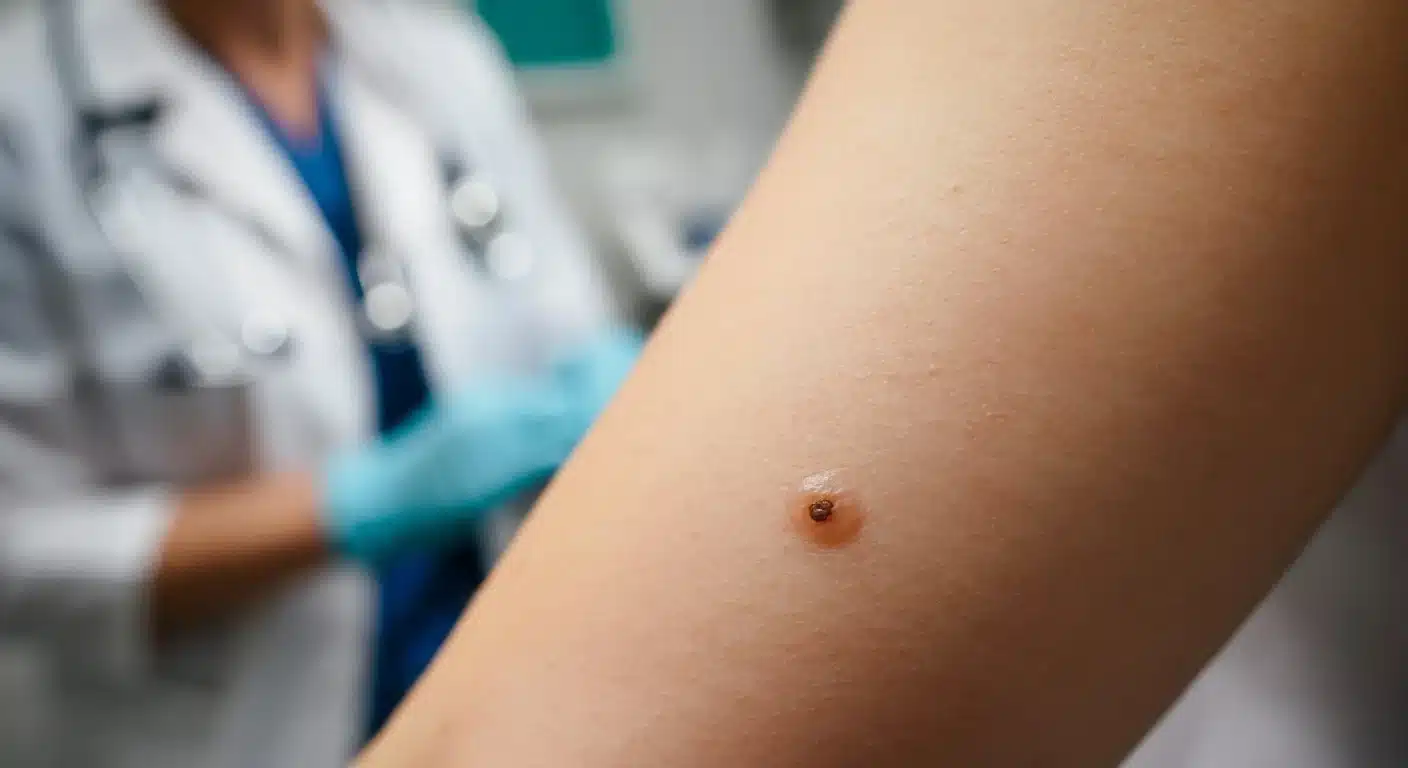
Skin cancer is one of the most common health concerns in Australia, and early detection plays a major role in successful treatment. Many people search for a mole check near me when they notice a suspicious mole, but they are often unsure whether they need a regular mole check or mole mapping. Understanding the difference between these two skin examination methods can help you make the right decision for your skin health.Both mole mapping and regular skin checks are performed at a mole check clinic, but they serve slightly different purposes. Some people only need routine skin checks, while others benefit from detailed mole mapping and long-term monitoring. This article explains the differences, benefits, and when each option is recommended, especially for people living in Canberra where UV exposure is high.
Understanding Regular Mole Checks
What Is a Regular Mole Check?
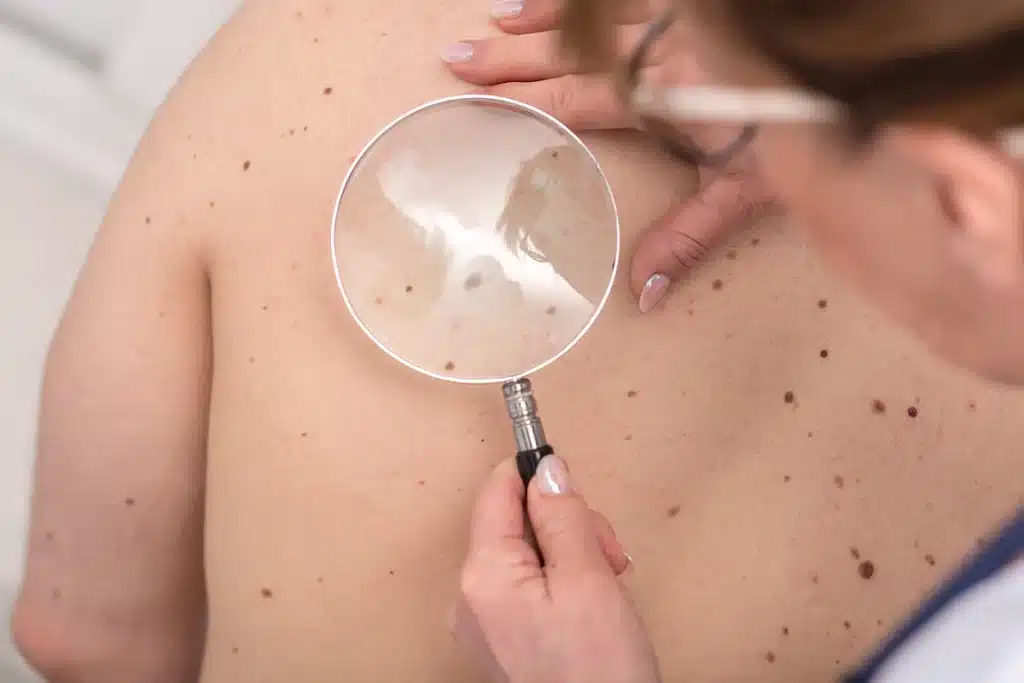
A professional skin examination, which can be conducted by a doctor to detect suspicious moles, skin lesions, or early signs of skin cancer, is known as a regular mole check. The physician will look at your skin with the naked eye, and possibly with the help of a dermatoscope, which helps magnify and study moles up closer.
During a Regular Mole Check:
- The doctor examines your skin from head to toe
- Dermatoscope is used to investigate suspicious moles
- The physician can weigh some moles
- Monitoring may be conducted through photos
- In case of necessity, a biopsy can be suggested
- Aftercare appointments can be made
Routine mole inspections tend to be fast and efficient for the majority of individuals.
Who Should Get Regular Mole Checks?
Skin checks should be monitored regularly among:
- Adults over 30
- Individuals of light skin
- Individuals who spend their time outside
- Individuals who have a few moles
- Individuals who have had sunburned skin
- Individuals who do not have a history of skin cancer
- Individuals who prefer regular check-ups
I have a number of individuals in my neighborhood who attend skin check clinics near me at least once a year to have their skin checked.
Understanding Mole Mapping
What Is Mole Mapping?
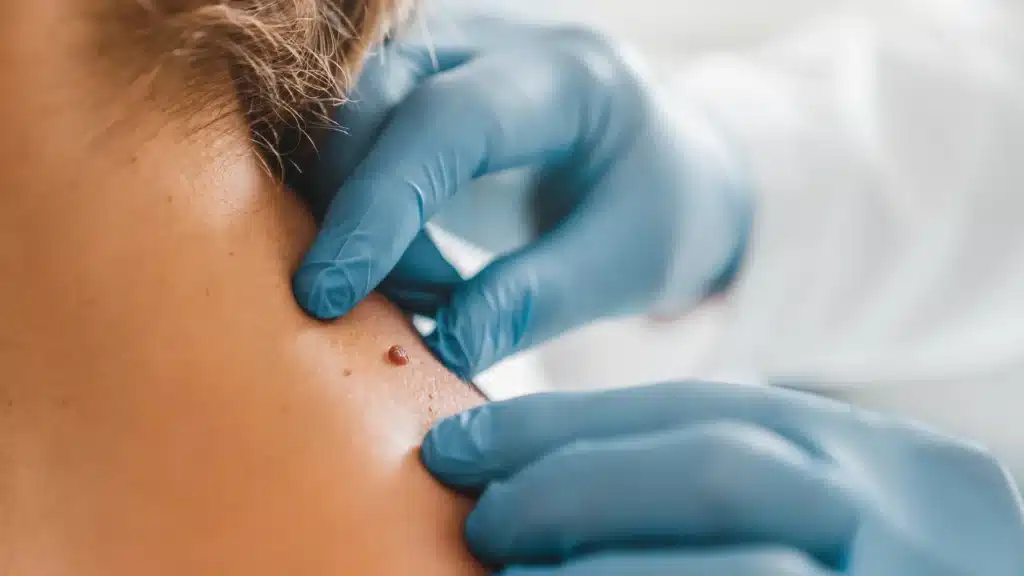
Mole mapping is a more sophisticated form of tracking moles. It entails capturing detailed photographs of your whole body and close-up photographs of the moles. The images are stored and compared when returning in the future in order to identify even minimal changes.
Mole mapping assists physicians to detect:
- New moles
- Modifications to the current moles
- Growth patterns
- Colour changes
- Border changes
- Early melanoma signs
This technique is particularly effective for individuals with numerous moles or who have irregular skin configurations.
How Mole Mapping Works
The Mole Mapping Process
- Full body photography
- Up close shots of moles
- Online storage of photographs
- Next-visit computer comparison
- Determination of new or altered moles
- Long-term observation during months or years
Mole mapping can detect very small changes which would otherwise be difficult to detect in a normal skin check.
Mole Mapping vs Regular Mole Check – Key Differences
Main Differences Between the Two
Regular Mole Check
- Visual skin examination
- Dermatoscope used
- Quick appointment
- Applicable to the majority
- Typically carried out once a year
- Specializes in suspicious moles
Mole Mapping
- Full body photography
- Digital mole tracking
- Identifies minor fluctuations
- Appropriate for high-risk patients
- Long-term monitoring
- More detailed examination
Both techniques are offered at a mole check clinic, and a physician will advise you on which technique is the most suitable.
Which Option Is Better?
It Depends on Your Risk Level
Both approaches are not superior for all individuals. The most appropriate alternative will be based on your skin type, moles, and skin cancer risks.
Regular Mole Check Is Better If:
- You have few moles
- Your moles are not frequent
- No history of skin cancer
- You desire regular skin examinations every year
- You are medium to low risk
Mole Mapping Is Better If:
- You have many moles
- You possess unusual moles
- Family history of melanoma
- You had cancer on the skin
- Your moles are changing often
- You are high risk
- Long-term monitoring is what you desire
A physician in a mole check clinic can determine your risk and prescribe the most suitable alternative.
Risk Factors That May Require Mole Mapping
High Risk Skin Cancer Patients
Mole mapping is more useful for individuals who are more susceptible to skin cancer.
High Risk Factors include:
- Fair skin
- Light hair or light eyes
- Many moles
- Large moles
- Melanoma history in the family
- Previous skin cancer
- Frequent sunburn
- Outdoor occupation
- Residing in regions with high UV such as Canberra
- History of tanning bed utilization
Individuals with these risk factors frequently attend the best skin cancer clinic near me to have their moles mapped and monitored on a regular basis.
Importance of Early Detection
Why Monitoring Moles Is Important
Skin cancer is slow developing and may not be accompanied by pain or noticeable symptoms at the onset. To ensure that small changes are noticed early before they become severe, moles should be monitored.
Early Detection Benefits:
- Easier treatment
- Less invasive procedures
- Lower treatment costs
- Faster healing
- Less scarring
- Less cancer proliferation
- Better long-term outcomes
Mole mapping and frequent skin examinations are useful in early detection of skin cancer.
Warning Signs to Watch For Between Skin Checks
Changes That Should Be Checked Immediately
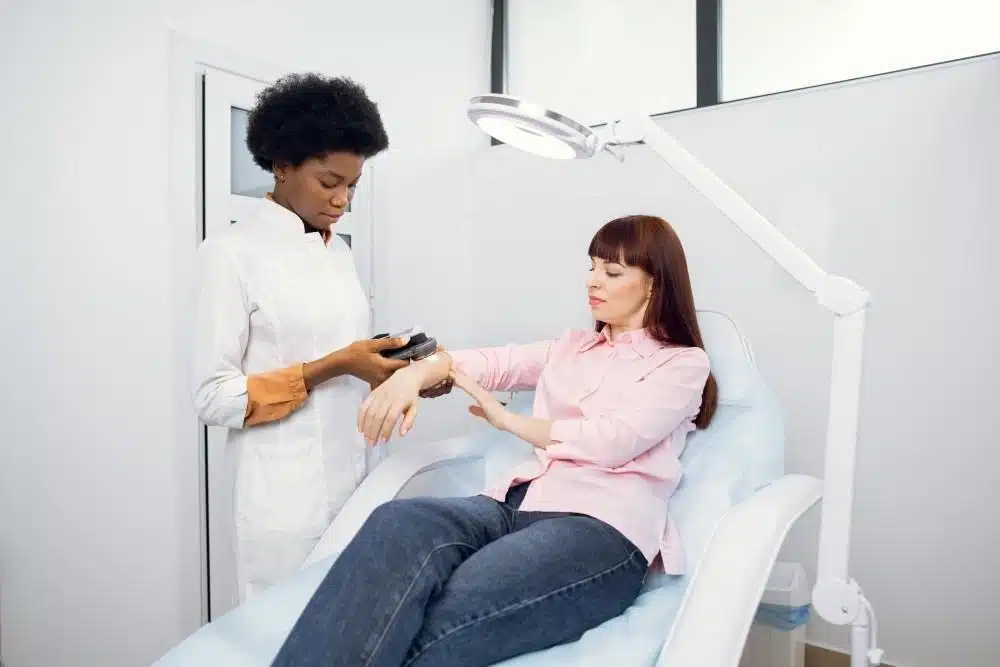
Regardless of whether you are having mole mapping or simply skin checks, you are supposed to check your skin at home.
Watch for:
- New moles
- Changing moles
- Bleeding moles
- Itchy moles
- Painful moles
- Non-healing sores
- Scaly patches
- Red lumps
- Dark spots
- Moles which appear to be different
When you observe any of those signs, then you are to find a mole check near me and make an appointment.
When to Visit a Skin Cancer Specialist
You Should Book an Appointment If:
- One of the moles changes colour
- A mole is rapidly increasing
- One mole gets itchy
- A mole begins to bleed
- A fresh mole is formed quickly
- A wound does not heal
- A scaly patch develops
- One spot does not appear like another
- You have many moles
- You are known to have a skin cancer history
Regular monitoring at skin check clinics near me helps detect these issues early.
How Often Should You Get Mole Mapping or Skin Checks?
Recommended Skin Check Frequency
Low Risk
Skin check every 1–2 years
Medium Risk
Skin check every 1 year
High Risk
- Mole mapping every 6–12 months
- Skin examinations every 6 months
A doctor will recommend the best schedule based on your skin and risk factors.
Protecting Your Skin Between Appointments
Sun Protection Tips
In Australia, it is highly important to prevent sun damage.
Protect Your Skin By:
- Using SPF 50+ sunscreen daily
- Wearing wide-brim hats
- Wearing protective clothing
- Avoiding sun between 10 AM and 4 PM
- Reapplying sunscreen every 2 hours
- Wearing sunglasses
- Staying in shade when possible
- Avoiding tanning beds
- Checking your skin monthly
Prevention and early detection together help reduce the risk of skin cancer.
Conclusion
Both mole mapping and regular mole checks are important tools for detecting skin cancer early. A regular skin check is suitable for most people, while mole mapping is recommended for people with many moles or a higher risk of skin cancer. The best option depends on your personal risk factors and medical history.
If you are unsure which option is right for you, visiting a mole check clinic for professional advice is the best first step. Regular skin checks, mole monitoring, and sun protection are essential for maintaining healthy skin, especially in Canberra where UV exposure is high.
Frequently Asked Questions (FAQs)
Q1. What is the difference between mole mapping and a regular mole check?
A regular mole check is a visual examination of your skin performed by a doctor using a dermatoscope. Mole mapping involves full body photography and digital monitoring of moles over time. Mole mapping is more detailed and helps detect very small changes, while regular skin checks are quicker and suitable for routine monitoring.
Q2. Is mole mapping better than a regular skin check?
Mole mapping is not necessarily better for everyone. It is more useful for people with many moles, unusual moles, or a history of skin cancer. Regular skin checks are sufficient for people with low to medium risk. A doctor at a mole check clinic can recommend the best option for your situation.
Q3. How often should I get mole mapping?
People at high risk of skin cancer are usually advised to get mole mapping every 6 to 12 months. The exact schedule depends on your skin type, number of moles, and medical history. Your doctor will recommend the best monitoring schedule for your skin.
Q4. Can mole mapping detect skin cancer early?
Yes, mole mapping is very effective for early detection because it tracks mole changes over time using digital images. Even very small changes can be detected by comparing images from previous visits. Early detection allows treatment to begin earlier and improves outcomes.
Q5. Should I still check my skin at home if I get mole mapping?
Yes, you should still check your skin monthly even if you have mole mapping. Home skin checks help you notice new moles or sudden changes between appointments. If you notice anything unusual, you should book an appointment at a mole check clinic as soon as possible.
Book your skin check today with Canberra Skin Cancer Clinic
| Canberra Skin Cancer Clinic- Green Way | Canberra Skin Cancer Clinic- Molonglo Valley |
| Phone: (02) 6100 9956 | Phone: (02) 5110 3155 |
| Email: reception@greenwaymedicalcentre.com.au | Email: reception@greenwaymedicalcentre.com.au |
| Address: Unit 6/175 Anketell Street, Greenway ACT 2900 | Address: 110 Woodberry Ave Coombs ACT 2611 |
| Website: https://canberraskincancerclinic.com.au/ | Website: https://canberraskincancerclinic.com.au/ |