

Booking a Skin Cancer Check in Canberra is one of the most important steps you can take for your long-term health. Australia has one of the highest rates of skin cancer in the world, and residents of Canberra face significant UV exposure throughout the year. Early detection remains one of the best ways to improve treatment outcomes and reduce complications.
However, not all clinics provide the same level of care. Before scheduling an appointment, it is important to ask the right questions. Doing so can help you choose experienced doctors, understand available services, and feel more confident about your care. This guide outlines 20 essential questions patients should ask before visiting a skin cancer clinic canberra. Whether you are booking your first screening or returning for regular monitoring, these questions can help you make informed decisions about your skin health.
Why Asking Questions Before a Skin Cancer Check Matters
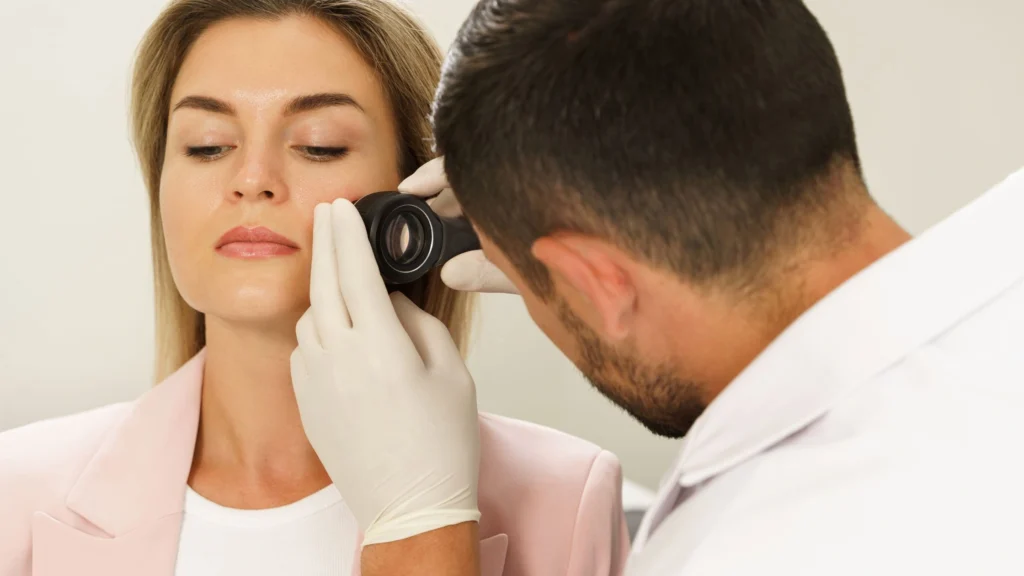
Many people simply search for a skin cancer check near me and book the first available appointment. While convenience is important, understanding the clinic’s experience and approach to care is equally valuable.
Asking questions before your appointment can help you:
- Understand the doctor’s qualifications
- Learn what technology the clinic uses
- Know what to expect during the check
- Clarify treatment options
- Reduce anxiety before the visit
A quality Canberra skin cancer clinic should welcome patient questions and provide clear answers.
Understanding Skin Cancer Risks in Canberra
High UV Exposure in Canberra
Canberra experiences strong ultraviolet radiation during much of the year. Even cooler days can expose skin to harmful UV levels.
Long-term sun exposure increases the risk of:
- Basal cell carcinoma
- Squamous cell carcinoma
- Melanoma
Regular skin checks are particularly important for people who spend time outdoors for work or recreation.
Common Risk Factors
Certain factors may increase your risk of developing skin cancer.
Personal Risk Factors Include:
- Fair skin
- Light-coloured eyes
- History of sunburns
- Outdoor occupations
- Family history of melanoma
- Large numbers of moles or freckles
If you fall into any of these categories, regular Skin Cancer Check in Canberra appointments may be recommended.

Q1. What Qualifications Does the Doctor Have?
The first question to ask is about the medical training and experience of the practitioner.
Some doctors complete additional education in:
- Skin cancer medicine
- Dermoscopy
- Mole mapping
- Skin cancer surgery
Clinics specialising in skin cancer treatment often have practitioners with more experience detecting early-stage cancers.
Q2. How Long Does a Full Skin Check Take?
A thorough examination should not feel rushed.
Comprehensive appointments usually involve:
- Reviewing medical history
- Assessing suspicious lesions
- Examining difficult-to-see areas
- Discussing follow-up recommendations
A complete skin check may take between 15 and 30 minutes depending on individual risk factors.
Q3. Will the Examination Be Full Body?
Some patients only request examination of one specific mole. However, skin cancer can appear in unexpected areas.
Ask whether the clinic performs:
- Full-body skin examinations
- Scalp checks
- Hand and foot inspections
- Monitoring of hidden areas
The best skin cancer clinic canberra services usually recommend full-body assessments.
Q4. Does the Clinic Use Dermoscopy?
What Is Dermoscopy?
Dermoscopy involves using a magnified imaging device to examine skin lesions more closely.
This technology helps doctors identify:
- Pigment changes
- Irregular borders
- Early melanoma signs
Clinics using advanced dermoscopy tools may improve diagnostic accuracy.
Q5. Is Mole Mapping Available?
Mole mapping uses digital photography to track changes in moles over time.
Mole Mapping May Be Helpful For:
- Patients with many moles
- High-risk individuals
- People with a family history of melanoma
Early detection becomes easier when changes can be compared with previous images.
Q6. How Quickly Are Biopsy Results Returned?
If a suspicious lesion is identified, a biopsy may be necessary.
Ask:
- How long pathology results usually take
- Whether biopsies are performed on-site
- How results are communicated
Fast reporting can reduce stress and support earlier treatment planning.
Q7. What Types of Skin Cancer Are Commonly Treated?
Not all clinics manage the same conditions.
A professional canberra skin cancer clinic may diagnose and treat:
- Basal cell carcinoma
- Squamous cell carcinoma
- Melanoma
- Solar keratosis
Understanding the clinic’s experience with different skin cancers can provide reassurance.
Q8. What Treatment Options Are Available?
Different skin cancers require different management approaches.
Common Treatments Include:
- Surgical excision
- Cryotherapy
- Curettage
- Topical creams
- Monitoring of low-risk lesions
Clinics offering multiple skin cancer treatment options can often tailor care to individual needs.
Q9. Does the Clinic Provide Surgical Procedures?
Some clinics refer patients elsewhere for surgery.
Others perform:
- Minor skin cancer surgery
- Flap repairs
- Skin grafts
- Lesion removal procedures
Asking about surgical services can help you understand what care is available in one location.
Q10. How Often Should I Have Skin Checks?
Screening frequency varies depending on risk factors.
General Recommendations May Include:
- Every 12–24 months for lower-risk patients
- Annual reviews for moderate-risk individuals
- Every 3–6 months for high-risk patients
Doctors can recommend a schedule suited to your medical history.
Q11. What Should I Bring to My Appointment?
Preparing properly can make the appointment smoother.
You may need:
- Medicare details
- Previous biopsy reports
- Medication list
- Photos of changing lesions
Some clinics also suggest removing nail polish for accurate skin assessment.
Q12. What Happens During a Skin Cancer Check?
Understanding the process may reduce anxiety before your visit.
Typical Appointment Steps
- Medical History Review: The doctor asks about sun exposure, family history, and skin changes.
- Skin Examination: A dermatoscope may be used to inspect suspicious lesions.
- Discussion of Findings: The doctor explains whether monitoring or further testing is needed.
Q13. Can I Book Preventive Checks Without Symptoms?
- Yes. Many people schedule routine Skin Cancer Check in Canberra appointments even without visible symptoms.
- Preventive screening can identify abnormal spots before they become serious.
- This is especially important because some skin cancers develop silently.
Q14. Does the Clinic Treat High-Risk Patients?
Patients with previous skin cancers often require specialised monitoring.
High-Risk Groups Include:
- Outdoor workers
- Fair-skinned individuals
- People with immune suppression
- Patients with many atypical moles
Specialist monitoring programs may help improve long-term outcomes.
Q15. What Warning Signs Should I Watch For?
Knowing the symptoms of skin cancer is important between appointments.
Common Warning Signs Include:
- Changing moles
- Bleeding spots
- Irregular borders
- Uneven colours
- Persistent sores
- Itchy lesions
Any new or changing lesion should be professionally assessed.
Q16. Is Follow-Up Care Available?
Follow-up appointments are often necessary after diagnosis or treatment.
Ask whether the clinic provides:
- Reminder systems
- Monitoring programs
- Post-treatment reviews
- Ongoing mole tracking
Continuity of care can improve long-term skin monitoring.
Q17. Does the Clinic Focus on Prevention Education?
Prevention is a key part of skin cancer care.
A trusted skin cancer clinic canberra should educate patients about:
- Sunscreen use
- UV protection
- Self-examination techniques
- Protective clothing
Education helps reduce future skin cancer risk.
Q18. Are Telehealth Consultations Available?
Some clinics now offer telehealth for:
- Reviewing results
- Discussing treatment plans
- Follow-up consultations
Although in-person examinations remain essential, telehealth may improve convenience for some patients.
Q19. What Costs Are Involved?
Before booking, ask about:
- Consultation fees
- Biopsy charges
- Surgical costs
- Medicare rebates
- Follow-up appointment fees
Transparent pricing helps patients prepare financially.
Q20. What Makes This Clinic Different?
This open-ended question allows clinics to explain their approach to patient care.
They may discuss:
- Advanced technology
- Experienced practitioners
- Comprehensive treatment services
- Preventive care programs
- Long-term monitoring systems
Comparing answers from different clinics can help you make a more informed decision.
Why Early Detection Is So Important
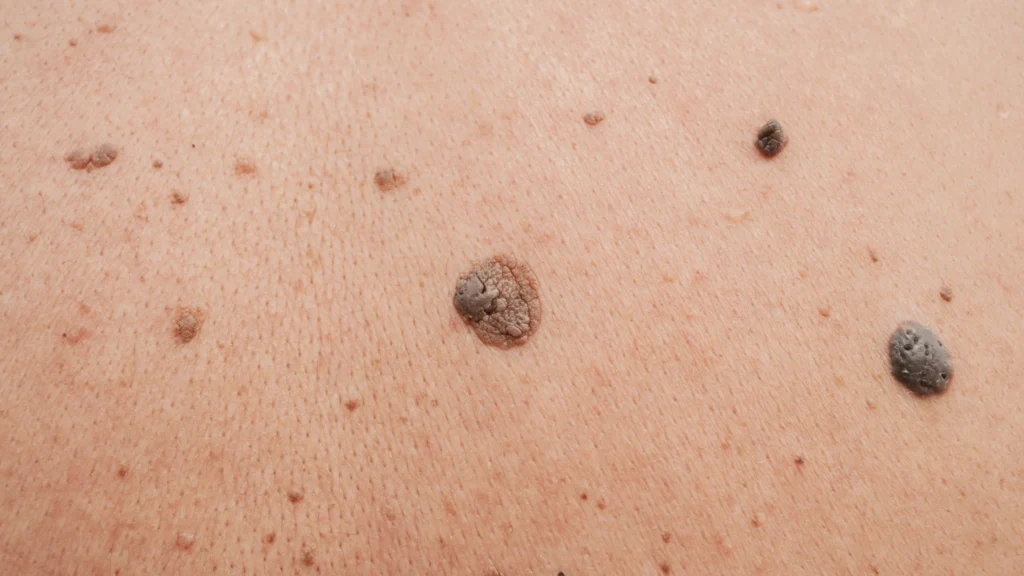
Detecting Skin Cancer Early Improves Outcomes
When diagnosed early, many skin cancers are easier to treat.
Benefits of early detection may include:
- Smaller procedures
- Reduced scarring
- Lower treatment complexity
- Better recovery outcomes
Regular appointments at a canberra skin cancer clinic support earlier diagnosis.
Understanding the Different Types of Skin Cancer
Basal Cell Carcinoma
Basal cell carcinoma usually grows slowly but can damage nearby tissue if untreated.
Common Signs
- Pearly bumps
- Persistent sores
- Pink patches
Squamous Cell Carcinoma
Squamous cell carcinoma can spread if not managed promptly.
Common Signs
- Thickened lesions
- Crusty patches
- Tender growths
Melanoma
Melanoma is the most serious type of skin cancer.
Common Warning Signs
- Irregular shape
- Multiple colours
- Rapid changes
- Dark uneven pigmentation
Early diagnosis remains critical.
How to Prepare Before Your Appointment
Before Your Skin Check
To help your doctor perform a detailed examination:
- Avoid heavy makeup
- Remove nail polish
- Wear loose clothing
- Make note of suspicious spots
- Bring previous medical records
Preparation may improve the accuracy of your assessment.
When to See a Skin Cancer Specialist
You should arrange a Skin Cancer Check in Canberra if you notice:
- A new mole
- A changing lesion
- Persistent skin irritation
- Bleeding or crusting spots
- Lesions that do not heal
Early professional assessment is always safer than waiting.
Choosing the Right Clinic in Canberra
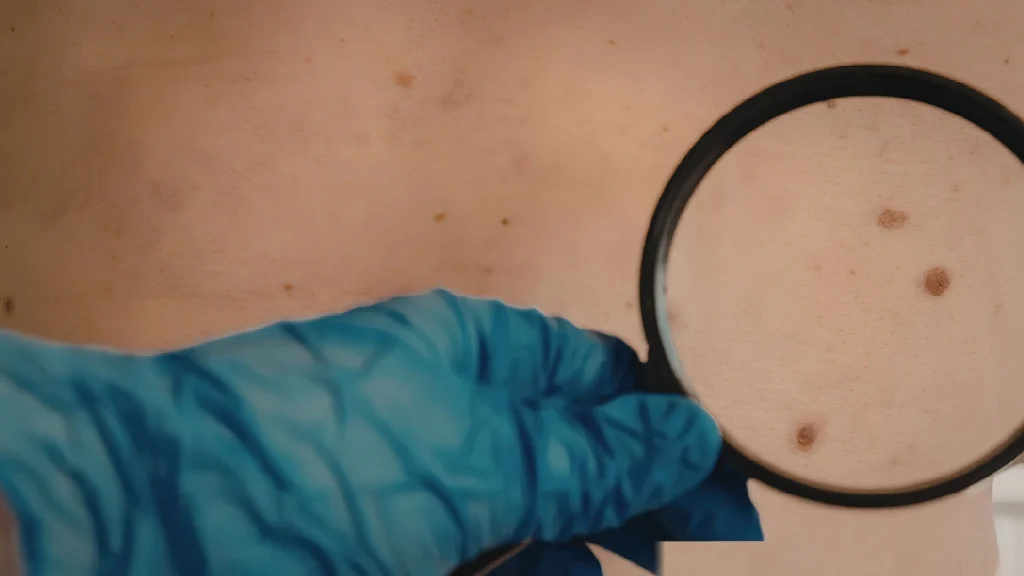
Finding the right clinic involves more than location alone.
Important Factors Include:
- Doctor qualifications
- Technology used
- Treatment options
- Follow-up care
- Patient communication
- Experience with high-risk patients
To learn more about this topic, see our complete guide on How to Choose the Best Skin Cancer Clinic in Canberra.
Preventing Skin Cancer in Daily Life
Everyday Prevention Tips
Reducing UV exposure can help lower long-term risk.
Helpful Prevention Habits
- Wear SPF 50+ sunscreen
- Use wide-brimmed hats
- Seek shade during peak UV hours
- Wear protective clothing
- Avoid excessive sun exposure
Prevention and routine skin checks work together to support better skin health.
Frequently Asked Questions (FAQs)
Q1. How often should I book a Skin Cancer Check in Canberra?
The recommended frequency depends on your personal risk factors. People with fair skin, outdoor occupations, previous skin cancer, or family history of melanoma may require checks every 6–12 months. Lower-risk individuals may only need examinations every one to two years. A doctor can recommend a schedule based on your skin type and medical history.
Q2. What happens if a suspicious mole is found during a skin check?
If a doctor identifies a suspicious lesion, they may recommend monitoring, photographing, or performing a biopsy. A biopsy involves removing a small sample of tissue for laboratory testing. Results help determine whether the lesion is cancerous and whether additional skin cancer treatment is required.
Q3. Are skin cancer checks painful?
Most skin checks are painless and non-invasive. The doctor visually examines the skin using specialised equipment such as a dermatoscope. If a biopsy is required, a local anaesthetic is usually used to minimise discomfort. Recovery from minor procedures is generally straightforward for most patients.
Q4. Can younger adults benefit from regular skin checks?
Yes. Although skin cancer risk increases with age, younger adults can still develop melanoma and other skin cancers. Early detection is important at any age, especially for people with fair skin, frequent sun exposure, or a family history of skin cancer. Preventive skin examinations can help identify changes early.
Q5. Why is Canberra considered high-risk for skin cancer?
Canberra experiences high ultraviolet radiation levels during much of the year. Outdoor lifestyles, sports participation, and prolonged sun exposure contribute to increased skin cancer risk. Even cooler weather does not eliminate UV exposure. Regular monitoring and protective habits remain important for residents throughout all seasons.
Conclusion
Booking a Skin Cancer Check in Canberra is an important step toward protecting your long-term health. Asking the right questions before your appointment can help you choose a clinic that provides thorough examinations, clear communication, and appropriate treatment options.
Regular skin monitoring, early detection, and preventive care all play a vital role in reducing the impact of skin cancer. If you notice unusual skin changes or have concerns about sun damage, seeking professional advice early is always recommended.
Protect your skin before small changes become serious concerns. Book your professional Skin Cancer Check in Canberra today for early detection, expert assessment, and greater peace of mind.
| Canberra Skin Cancer Clinic- Green Way | Canberra Skin Cancer Clinic- Molonglo Valley |
| Phone: (02) 51046409 | Phone: (02) 51046409 |
| Email: reception@greenwaymedicalcentre.com.au | Email: reception@greenwaymedicalcentre.com.au |
| Address: Unit 6/175 Anketell Street, Greenway ACT 2900 | Address: 110 Woodberry Ave Coombs ACT 2611 |
| Website: https://canberraskincancerclinic.com.au/ | Website: https://canberraskincancerclinic.com.au/ |