
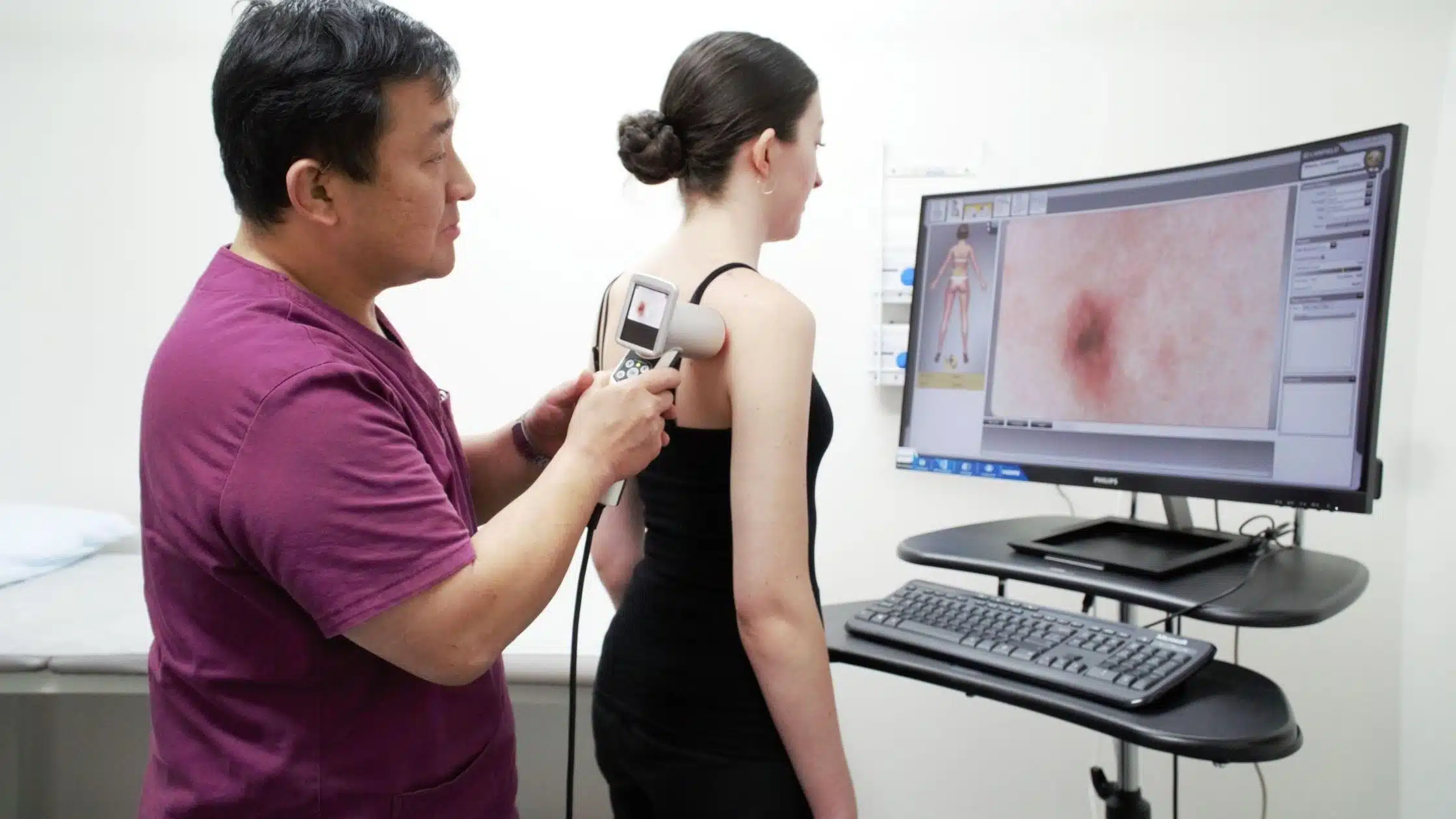
Australia has one of the highest rates of skin cancer in the world, making regular skin examinations an important part of preventive healthcare. If you spend time outdoors, have fair skin, or have noticed changes in your moles or freckles, booking a full body skin cancer check can help detect suspicious lesions before they become a serious health concern.
Many people only seek medical attention after a mole changes colour, begins bleeding, or starts to itch. However, by the time these symptoms appear, treatment may be more complex than if the lesion had been found earlier.
For Canberra residents, routine skin cancer detection is particularly important because of Australia’s high ultraviolet (UV) exposure. Whether you’re an outdoor worker, enjoy hiking in the ACT, or simply want peace of mind, regular skin checks are one of the most effective ways to protect your health.
This guide explains everything you need to know about a full body skin cancer check, including how the examination works, who should have one, what doctors look for, and how often you should book an appointment.
Why Skin Cancer Checks Matter
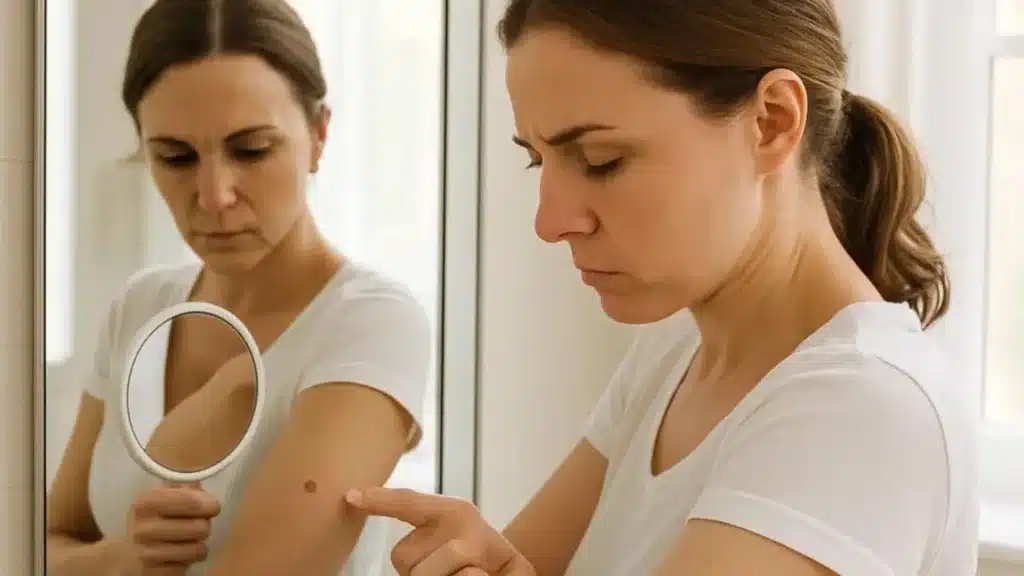
A full body skin cancer check is a comprehensive examination of your skin performed by a healthcare professional experienced in skin cancer detection.
Rather than only examining a single mole or suspicious spot, the clinician carefully checks your entire body for any unusual skin changes.
This includes examining:
- Face
- Scalp
- Ears
- Neck
- Chest
- Back
- Arms
- Hands
- Fingernails
- Legs
- Feet
- Soles
- Between the toes
Areas that receive little sunlight are also assessed because skin cancer can occasionally develop in places people rarely inspect themselves.
The examination usually takes between 15 and 30 minutes depending on your medical history and the number of moles present.
What Happens During the Appointment?
Many people feel nervous before their first appointment because they are unsure what to expect. Fortunately, the process is simple, respectful and painless.
Step 1: Medical History
Your doctor will begin by asking questions about:
- Previous skin cancers
- Family history
- Sun exposure
- Outdoor occupation
- History of sunburn
- Use of tanning beds
- Changes you’ve noticed in any spots
This information helps determine your overall risk level.
Step 2: Full Skin Examination
You’ll usually be asked to change into appropriate clothing so every area of your skin can be examined.
The doctor carefully inspects your skin from head to toe using bright lighting.
No part of the examination should be painful.
Step 3: Dermoscopy
Most experienced clinicians use a dermatoscope.
This specialised handheld device magnifies skin lesions and allows doctors to see structures invisible to the naked eye.
Dermoscopy significantly improves skin cancer detection, especially for melanoma and other early skin cancers.
Step 4: Discussion
After completing the examination, your doctor explains the findings.
You may hear that:
- Everything looks healthy.
- Some moles should be monitored.
- Clinical photographs are recommended.
- Digital mole mapping may be useful.
- A biopsy is advised.
- A suspicious lesion should be removed.
Many patients leave with reassurance that their skin is healthy.
What Does the Doctor Look For?
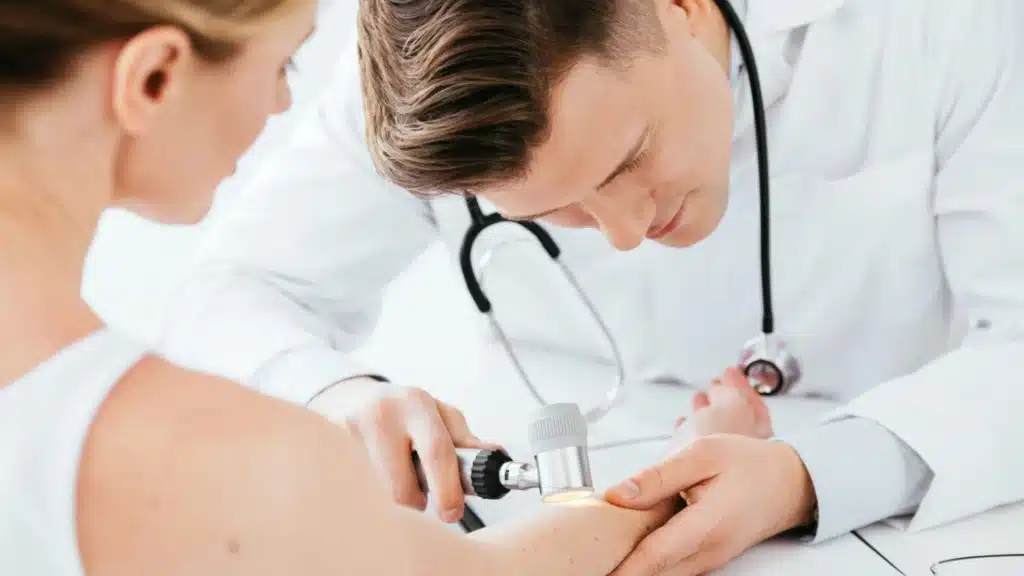
During a full body skin cancer check, clinicians assess every mole and skin lesion for signs of abnormal growth.
Some warning signs include:
New Moles
Although adults can develop new moles, any new lesion deserves professional assessment.
Changing Moles
Doctors pay close attention to moles that change in:
- Size
- Shape
- Colour
- Texture
- Elevation
Irregular Borders
Healthy moles usually have smooth edges.
Uneven or jagged borders may indicate abnormal cell growth.
Multiple Colours
Brown, black, blue, red, white or grey within a single lesion can sometimes indicate melanoma.
Bleeding or Crusting
A sore that doesn’t heal should never be ignored.
Persistent bleeding or crusting requires assessment.
Rapid Growth
Fast-growing lesions deserve prompt medical review.
Understanding the ABCDE Rule
One of the most useful ways to recognise suspicious moles is the ABCDE rule.
A — Asymmetry
One half does not match the other.
B — Border
Edges appear irregular or blurred.
C — Colour
Several colours exist within one lesion.
D — Diameter
Usually larger than 6 mm, although smaller melanomas do occur.
E — Evolving
Any noticeable change over time.
While this guide is helpful, it should never replace a professional skin cancer check.
Types of Skin Cancer Your Doctor Checks For
Several forms of skin cancer can develop.
Melanoma
Melanoma is the most serious form because it can spread to other organs.
Early diagnosis dramatically improves outcomes.
Basal Cell Carcinoma (BCC)
This is the most common skin cancer.
It often appears as:
- Pearly bumps
- Non-healing sores
- Pink patches
- Small bleeding lesions
Although it rarely spreads, untreated BCC can damage nearby tissue.
Squamous Cell Carcinoma (SCC)
SCC commonly develops on sun-exposed skin.
It may appear as:
- Rough patches
- Thick scaly areas
- Crusted sores
- Raised lumps
Early treatment helps prevent complications.
Who Should Have a Full Body Skin Cancer Check?

Everyone can benefit from becoming familiar with their skin, but certain individuals should prioritise professional examinations.
You should consider regular checks if you:
- Have fair skin
- Burn easily
- Spend time outdoors
- Have many moles
- Have atypical moles
- Have previously had skin cancer
- Have a family history of melanoma
- Work outside
- Are over 40 years old
- Have experienced repeated sunburns
Even younger adults can develop skin cancer.
Why Canberra Residents Should Be Extra Careful
Canberra experiences high UV levels for much of the year.
Many residents enjoy:
- Walking trails
- Cycling
- Golf
- Running
- Gardening
- Outdoor sports
While these activities support a healthy lifestyle, they also increase cumulative UV exposure.
UV damage builds over decades.
This is why many skin cancers develop later in life despite sunburn occurring years earlier.
Regular skin cancer detection helps identify these changes before symptoms develop.
Can You Check Your Own Skin?
Monthly self-examinations are encouraged.
Use mirrors to inspect:
- Back
- Scalp
- Neck
- Legs
- Feet
Take photographs of larger moles every few months to monitor changes.
However, self-checks should never replace a professional full body skin cancer check, as many suspicious lesions are difficult to recognise without specialised training and equipment.
Why Canberra Residents Should Prioritise Regular Skin Cancer Checks
Living in Canberra offers plenty of opportunities to enjoy the outdoors, from walking trails and cycling paths to parks and sporting activities. While these activities promote a healthy lifestyle, they also increase exposure to ultraviolet (UV) radiation, which is the leading cause of skin cancer.
Even on cool or cloudy days, UV rays can damage your skin. This damage builds up over time and may not become visible for years. That’s why booking a full body skin cancer check is an important part of protecting your long-term health.
Whether you work outdoors, enjoy weekend adventures, or simply spend time in the sun, regular skin cancer detection can help identify abnormal skin changes before they become more serious.
How Often Should You Have a Full Body Skin Cancer Check?
The frequency of your skin cancer check depends on your individual risk factors. Some people only need a check every couple of years, while others benefit from more regular appointments.
You may only need a routine examination every one to two years if you have no personal or family history of skin cancer and spend limited time in the sun.
However, your doctor may recommend yearly or more frequent checks if you:
- Have fair skin that burns easily
- Spend a lot of time outdoors
- Have numerous moles or unusual-looking moles
- Have previously had skin cancer
- Have a family history of melanoma
- Notice new or changing spots on your skin
Following your doctor’s recommendation is the best way to ensure any changes are detected as early as possible.
Preparing for Your Full Body Skin Cancer Check
Preparing for your appointment is simple and helps your doctor perform a thorough examination.
Before your visit, it’s a good idea to:
- Wear comfortable clothing that is easy to remove.
- Avoid wearing heavy makeup if possible.
- Remove nail polish so your fingernails and toenails can be examined.
- Skip fake tan, as it can make it harder to assess your skin.
- Make a note of any moles or spots that have changed in colour, size, or shape.
If you have photographs of a changing mole, bring them along. They can help your doctor compare how the lesion has changed over time.
What Happens if a Suspicious Spot Is Found?
Finding a suspicious spot during a full body skin cancer check does not automatically mean you have skin cancer. Many skin lesions turn out to be harmless after further assessment.
If your doctor notices a spot that needs closer attention, they may recommend monitoring it over time, taking clinical photographs, or performing a skin biopsy.
A biopsy involves removing a small sample—or sometimes the entire lesion—for laboratory testing. This is the most accurate way to determine whether a spot is cancerous.
If skin cancer is diagnosed, your doctor will explain the treatment options and create a personalised care plan based on the type and stage of the cancer.
Modern Technology Used for Skin Cancer Detection
Advances in medical technology have made skin cancer detection more accurate than ever before.
Many skin cancer Treatment In Canberra providers use specialised equipment to examine suspicious lesions in greater detail.
Dermoscopy
A dermatoscope is a handheld device that magnifies the skin and allows doctors to see structures beneath the surface. It helps identify subtle features that may not be visible to the naked eye.
Digital Mole Mapping
For people with many moles or a higher risk of melanoma, digital mole mapping can be a valuable tool. It involves taking detailed photographs of your skin to create a baseline record. During future appointments, these images are compared to detect any new or changing moles.
Clinical Photography
High-quality clinical photographs can also help monitor specific lesions over time, making it easier to identify even small changes.
These technologies support earlier diagnosis and more accurate monitoring, giving patients greater confidence in their ongoing skin care.
Can You Check Your Own Skin at Home?
Checking your own skin between professional appointments is a good habit, but it should not replace a professional examination.
Aim to examine your skin once a month in a well-lit room using a full-length mirror and a handheld mirror for hard-to-see areas.
Pay attention to:
- New moles or spots
- Changes in existing moles
- Sores that don’t heal
- Persistent itching or bleeding
- Lumps or scaly patches
If you notice anything unusual, book a skin check near me as soon as possible. Early assessment can make a significant difference.
Common Myths About Skin Cancer Checks
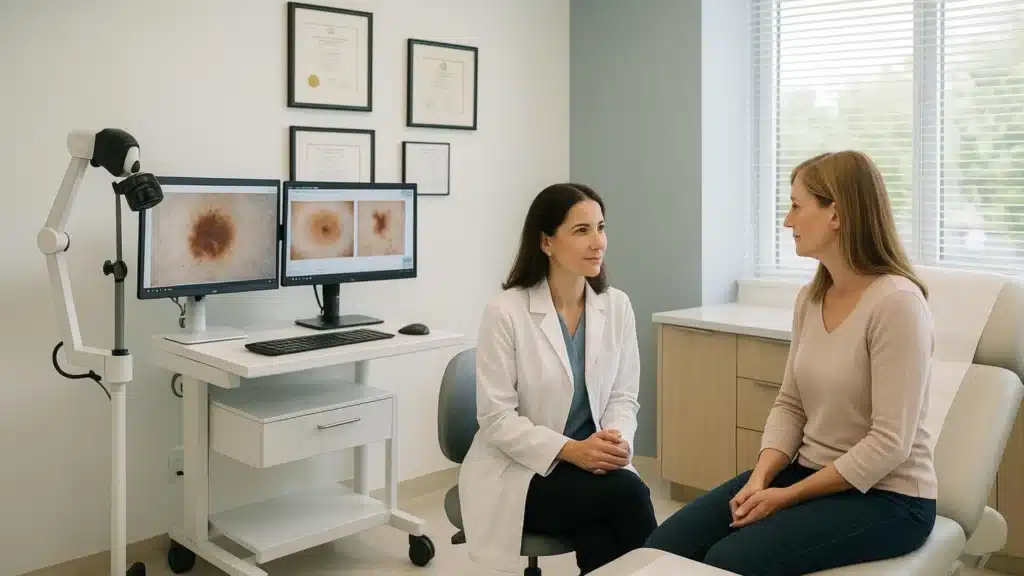
There are many misconceptions about skin cancer that may prevent people from seeking timely care.
Myth 1: Skin cancer only affects older people.
Although the risk increases with age, younger adults can also develop skin cancer, especially if they have experienced significant sun exposure.
Myth 2: I only need a check if I notice a problem.
Many skin cancers do not cause symptoms in their early stages. Regular professional examinations can detect changes that are easy to miss.
Myth 3: If a mole doesn’t hurt, it isn’t dangerous.
Most early skin cancers are painless. Waiting for pain or discomfort may delay diagnosis.
Myth 4: Self-checks are enough.
Self-examinations are important, but they cannot replace the expertise of a trained clinician using specialised equipment.
Tips to Help Reduce Your Risk of Skin Cancer
Although no one can eliminate the risk completely, there are many ways to protect your skin.
You can lower your risk by:
- Applying SPF 50+ broad-spectrum sunscreen every day.
- Reapplying sunscreen every two hours when outdoors.
- Wearing a wide-brimmed hat.
- Choosing long-sleeved clothing when spending extended periods outside.
- Wearing UV-protective sunglasses.
- Seeking shade during peak UV hours.
- Avoiding tanning beds.
- Performing monthly skin self-examinations.
- Scheduling regular full body skin cancer checks.
Small daily habits can significantly reduce the cumulative effects of UV exposure over time.
Why Early Skin Cancer Detection Is So Important
Early skin cancer detection offers the best chance of successful treatment.
When skin cancer is identified in its early stages, treatment is often simpler, less invasive, and associated with better cosmetic results.
Early diagnosis can also:
- Reduce the need for major surgery.
- Improve recovery times.
- Lower the risk of cancer spreading.
- Increase treatment success rates.
- Provide greater peace of mind.
Delaying a skin cancer check may allow abnormal cells to grow and become more difficult to treat.
Choosing the Right Skin Cancer Clinic in Canberra
If you’re searching online for a skin check near me, it’s important to choose a clinic that provides comprehensive skin assessments and ongoing care.
Look for a clinic that offers:
- Comprehensive full body skin examinations
- Dermoscopy for detailed mole assessment
- Digital mole mapping where appropriate
- Skin biopsies and diagnostic services
- Treatment for common types of skin cancer
- Ongoing follow-up care
- Experienced clinicians with expertise in skin cancer detection
Choosing the right skin cancer clinic Canberra can give you confidence that your skin health is in experienced hands.
Frequently Asked Questions
Q1. Is a full body skin cancer check painful?
No. A routine skin examination is completely painless. If a biopsy is required, a local anaesthetic is used to keep you comfortable.
Q2. How long does a skin cancer check take?
Most appointments take between 15 and 30 minutes, depending on your skin type, medical history, and the number of moles being assessed.
Q3. Do I need a referral?
In many cases, you can book directly with a skin cancer clinic without a referral. It’s always worth confirming this when making your appointment.
Q4. Can skin cancer appear in places that don’t get much sun?
Yes. Skin cancer can occasionally develop on the soles of the feet, beneath the nails, or in other areas that receive little sun exposure. This is why a full body skin cancer check examines your entire skin surface.
Q5. What should I do if I notice a changing mole?
Don’t ignore it. Book a professional skin cancer check as soon as possible so your doctor can assess the lesion and determine whether further investigation is needed.
Protect Your Skin with Regular Checks
A full body skin cancer check is one of the most effective ways to protect your health and detect skin cancer at an early stage. Whether you’ve noticed a changing mole, have a family history of skin cancer, or simply want peace of mind, regular skin examinations are a proactive step towards better skin health.
At Canberra Skin Cancer Clinic, we provide comprehensive skin cancer checks, advanced skin cancer detection, and personalised care for patients across Canberra. Our experienced team is committed to identifying suspicious lesions early and providing appropriate treatment when needed.
If it’s been a while since your last skin cancer check, now is the perfect time to book an appointment. Early detection can make all the difference.
Protect your skin with confidence. Book your full body skin cancer check at Canberra Skin Cancer Clinic today and take the first step towards early skin cancer detection and peace of mind.
| Canberra Skin Cancer Clinic- Green Way | Canberra Skin Cancer Clinic- Molonglo Valley |
| Phone: (02) 51046409 | Phone: (02) 51046409 |
| Email: reception@greenwaymedicalcentre.com.au | Email: reception@greenwaymedicalcentre.com.au |
| Address: Unit 6/175 Anketell Street, Greenway ACT 2900 | Address: 110 Woodberry Ave Coombs ACT 2611 |
| Website: https://canberraskincancerclinic.com.au/ | Website: https://canberraskincancerclinic.com.au/ |