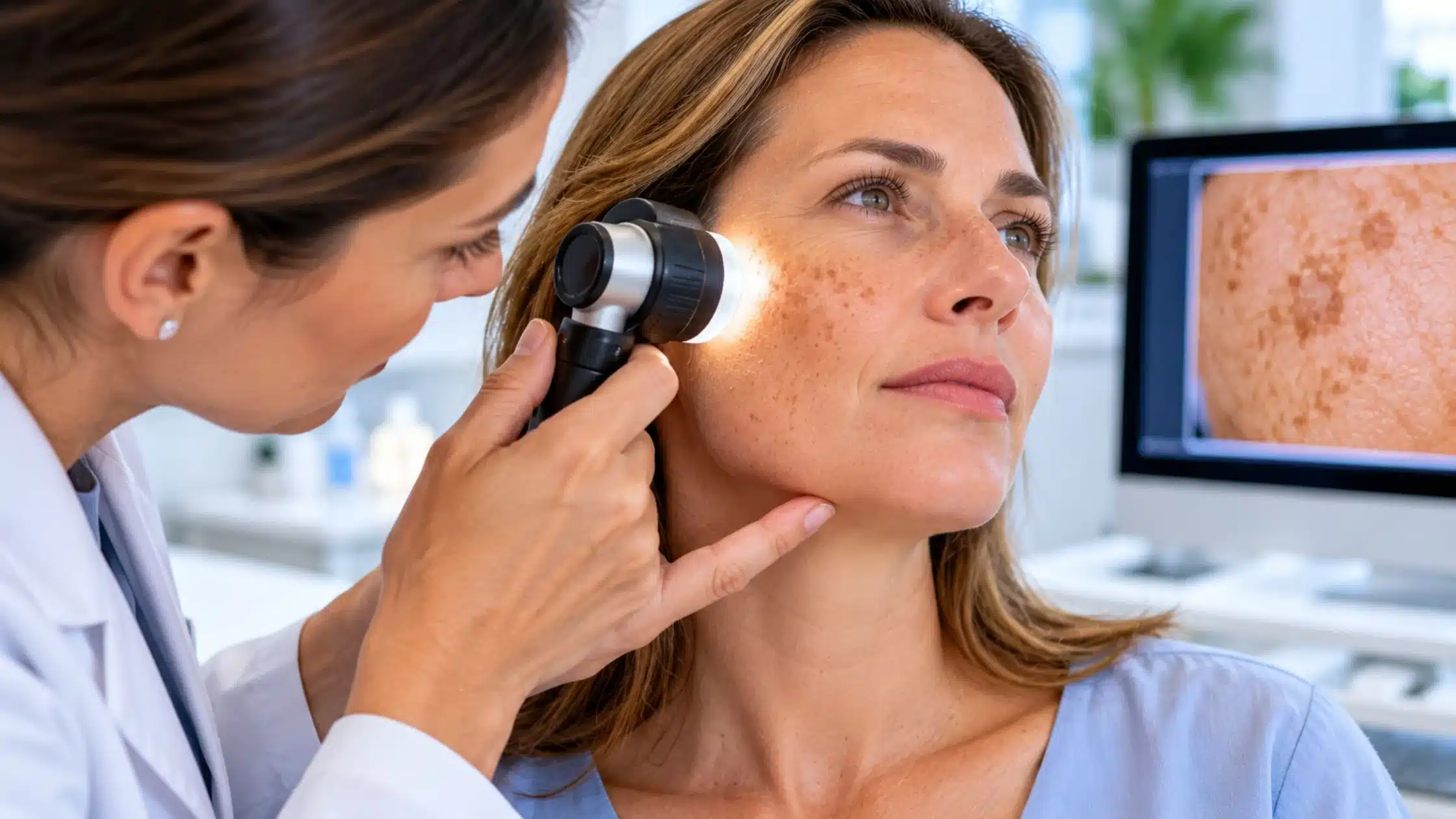
Sun exposure over many years can cause lasting changes to the skin. These changes may appear as rough patches, scaly spots, redness or areas that feel dry and uneven. While some changes are harmless, others may be actinic keratoses, which can develop into squamous cell skin cancer. Early assessment helps identify the cause and determine the right treatment.
Topical Chemotherapy for Sun-Damaged Skin in Canberra is one treatment option for selected sun-damaged areas and certain superficial skin cancers. It involves applying a prescribed medicine directly to the skin to damage abnormal cells. A doctor must first assess the affected area to decide whether this treatment is suitable.
For people living in Canberra, regular skin checks are important because everyday activities, including walking, cycling, gardening and outdoor sport, can contribute to ultraviolet (UV) exposure. Understanding topical treatment, its benefits and its possible side effects can help you make informed decisions about your skin health.
What Is Topical Chemotherapy?
Topical chemotherapy uses medicine applied directly to the skin rather than delivered throughout the body by an injection or infusion. One commonly used medicine is 5-fluorouracil (5-FU), which interferes with the growth of certain abnormal cells.
The medicine is prescribed for specific skin conditions, including actinic keratoses and, in selected cases, superficial basal cell carcinoma. It is not suitable for every type of sun damage or skin cancer. The diagnosis, location and extent of the affected area all influence treatment decisions.
Topical 5-FU may cause treated skin to become red, inflamed, sore or crusted. These reactions can be part of the expected response as abnormal cells are damaged. However, the severity varies between individuals, and not every skin reaction should be assumed to be normal.
Your doctor will explain how to apply the medicine, how long to use it and what to do if your skin becomes uncomfortable.
Understanding Sun-Damaged Skin in Canberra
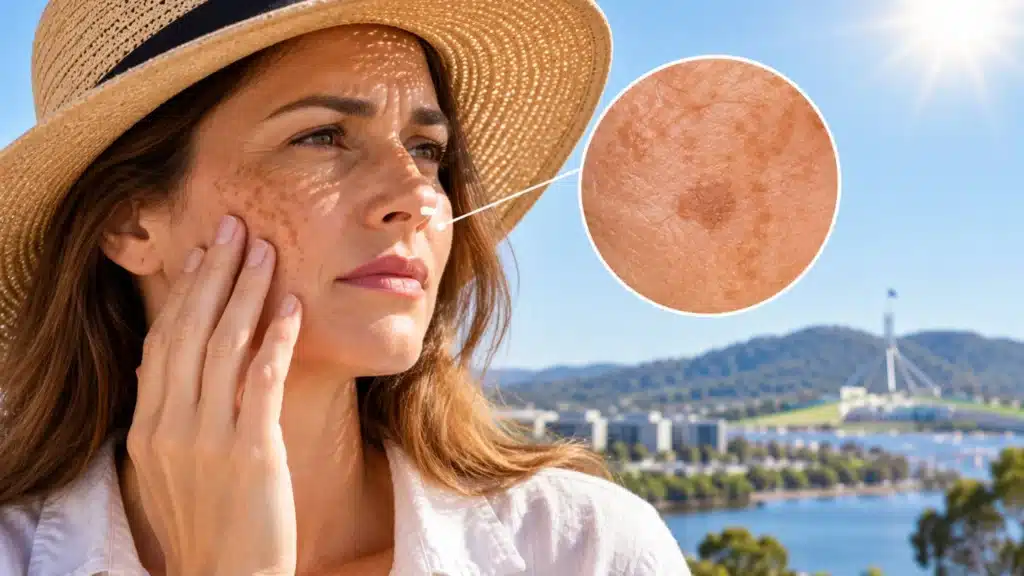
Sun-Damaged Skin in Canberra can develop after repeated exposure to ultraviolet radiation. UV rays damage skin cells over time, even when the weather feels cool or the sun does not seem especially strong.
Canberra residents may receive UV exposure during outdoor activities throughout the year. Sun damage can affect the face, ears, scalp, neck, forearms, hands and other areas that receive regular sunlight.
Common signs include:
- Rough or scaly patches that may feel like sandpaper.
- Flat or raised spots that persist or return.
- Uneven skin tone, freckles or areas of pigmentation.
- Dry, weathered skin with fine lines.
- Spots that become tender, bleed or fail to heal.
These changes do not all indicate cancer. Freckles and age-related pigmentation, for example, are different from actinic keratoses. A professional assessment is important when a spot is new, changing, persistent or unusual.
What Are Actinic Keratoses?
Actinic keratoses are rough, scaly areas caused by long-term UV damage. They often appear on sun-exposed parts of the body, including the face, ears, scalp, hands and forearms.
They may be pink, red, brown or close to the surrounding skin colour. Some are easier to feel than to see. A person may notice a rough patch while washing their face or applying moisturiser.
Actinic keratoses are considered precancerous because some can progress to squamous cell carcinoma. It is not possible to predict with certainty which individual spot will progress. For this reason, a clinician should assess suspicious lesions and recommend suitable management.
Depending on the number, size and location of the lesions, treatment may include cryotherapy, topical medicines, curettage or other procedures. Topical 5-FU may be considered when several lesions or a broader area of sun-damaged skin need treatment.
How Does Topical Chemotherapy Work?
Topical 5-FU works by interfering with the processes abnormal cells use to grow and divide. When applied to the prescribed area, it targets susceptible abnormal cells in the skin.
Treatment usually follows several stages:
- Clinical assessment: A doctor examines the skin and decides whether topical treatment is appropriate.
- Prescription and instructions: You receive guidance on the medicine, application method, treatment duration and precautions.
- Application: You apply the prescribed amount to the specified area as directed.
- Skin reaction: Redness, inflammation, scaling, soreness or crusting may develop during treatment.
- Healing: After treatment ends, the skin gradually settles. Recovery time varies depending on the area treated and the strength of the reaction.
- Follow-up: Your doctor reviews the result and decides whether further treatment or examination is needed.
The treatment schedule depends on the condition being treated and the specific prescription. Do not increase the amount or extend treatment because you think a stronger reaction will produce a better result.
Who May Benefit From Topical Chemotherapy?
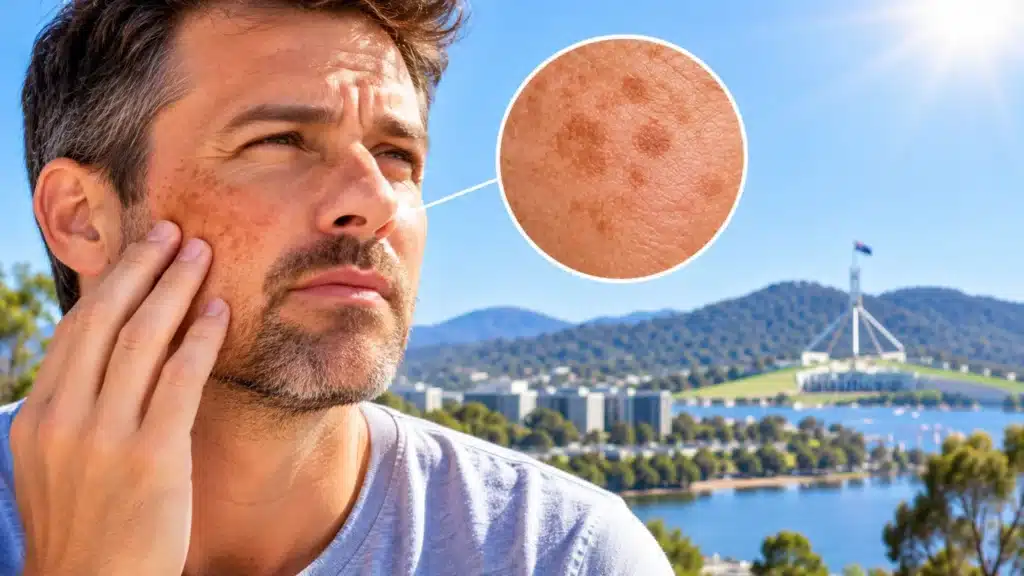
Topical chemotherapy may be suitable for people with confirmed actinic keratoses or certain superficial skin cancers. It can be useful when a clinician identifies multiple lesions across a defined area.
Your doctor may consider:
- The number and type of lesions.
- The size and location of the affected area.
- Your medical history and current medicines.
- Previous treatments and their results.
- The likelihood that a lesion needs biopsy or surgical removal.
- Your ability to follow application and aftercare instructions.
A spot that is thick, firm, rapidly growing, ulcerated, persistently bleeding or suspicious for an invasive cancer may need further investigation rather than topical treatment alone. A biopsy or surgical procedure may be recommended.
Topical chemotherapy should never be started simply because an area looks sun-damaged. The correct diagnosis must come first.
Topical Chemotherapy Compared With Other Treatments
There is no single treatment that suits every type of sun damage. A clinician selects an option based on the diagnosis, the number of lesions and the person’s individual circumstances.
Cryotherapy
Cryotherapy uses extreme cold, usually liquid nitrogen, to destroy selected skin lesions. It is often used for individual actinic keratoses. Temporary pain, blistering, crusting and changes in skin colour may occur.
Topical 5-FU
Topical 5-FU is applied to the skin over a prescribed period. It may be suitable for multiple actinic keratoses within a treatment area. Redness and inflammation can be more widespread because the medicine is applied across the affected skin.
Imiquimod
Imiquimod is another prescription cream used for certain skin conditions. It works by stimulating an immune response rather than acting in the same way as 5-FU. Its approved uses depend on the specific product and clinical situation.
Procedures and surgery
Some lesions need curettage, excision or another procedure. These options may be preferred when a lesion requires a tissue sample, appears invasive or cannot be managed appropriately with topical treatment.
Your doctor can explain the expected benefits, limitations, risks and recovery time of each option.
What to Expect During Treatment
The skin often changes gradually during a course of topical treatment. At first, you may notice little change. Redness and irritation may then develop, followed by scaling, soreness or crusting in the treated area.
The reaction can vary considerably. Some people experience mild irritation, while others develop more pronounced inflammation. The face and other sensitive areas may react differently from thicker skin on the hands or forearms.
Follow your prescription carefully. Apply the medicine only to the instructed area and avoid contact with the eyes, mouth and other sensitive surfaces. Wash your hands after application unless your doctor gives different instructions.
Do not cover the treated skin with a dressing unless advised. Avoid adding other active skin products to the area without checking with your clinician or pharmacist.
If the reaction becomes severe, spreads beyond the treatment area or causes symptoms that concern you, contact your treating clinician for advice.
Possible Side Effects and Safety Precautions
Local skin reactions are common with topical 5-FU. Possible effects include:
- Redness, tenderness or burning.
- Dryness, scaling and crust formation.
- Swelling or discomfort.
- Small areas of erosion or superficial skin breakdown.
- Temporary changes in skin colour during healing.
The intensity of these effects depends on the medicine, the treatment area and individual skin response. A stronger reaction does not necessarily mean the treatment will work better.
Tell your doctor about your medical history, allergies, pregnancy or breastfeeding status, and all medicines you use. Certain medical conditions or medicines may affect whether 5-FU is appropriate. Your clinician can explain the relevant precautions for your circumstances.
Seek medical advice promptly if you develop severe pain, marked swelling, spreading redness, pus, fever or other signs that could indicate infection. Stop and seek urgent advice if you experience a serious or unexpected reaction. Follow the instructions provided with your prescription.
Caring for Your Skin During Recovery
Aftercare helps protect the skin while it heals. Your doctor may provide instructions specific to the medicine, treatment area and severity of the reaction.
Clean the area gently
Use lukewarm water and a mild cleanser if permitted by your clinician. Pat the skin dry instead of rubbing it. Avoid harsh scrubs, exfoliating acids and fragranced products that may irritate the treated area.
Avoid picking or scratching
Crusts and peeling skin may form during recovery. Do not pull them off, as this can delay healing and increase the risk of infection or scarring.
Use suitable moisturising care
Ask your doctor or pharmacist whether a bland moisturiser or protective ointment is appropriate. Avoid applying additional products directly over the medicine unless your instructions allow it.
Protect the skin from sunlight
The treated area may be especially sensitive during recovery. Use shade, protective clothing and a broad-brimmed hat. Apply broad-spectrum SPF 50+ sunscreen to healed skin and other exposed areas, following professional advice about use on the treatment site.
Sun protection is important even after the skin has healed. It reduces further UV damage but does not remove the need for ongoing skin checks.
When Should You Contact a Skin Cancer Specialist?
A skin cancer specialist or appropriately qualified doctor should assess lesions that are new, changing or slow to heal. Do not assume that a spot is harmless because it has been present for a long time.
Arrange an assessment if a lesion changes in size, shape or colour, develops an irregular border, repeatedly bleeds, becomes painful or forms a persistent ulcer. A rough patch that returns after treatment also deserves review.
During topical treatment, contact your clinician if the reaction is much more severe than expected or you are unsure whether to continue applying the medicine. If a treated lesion does not resolve, further examination may be needed.
A skin check clinic can assess the wider pattern of sun damage and help determine whether individual lesions need treatment, monitoring or biopsy.
Finding a Suitable Skin Check Clinic in Canberra

When choosing among sun cancer clinics or other skin assessment services, look for a provider that can assess suspicious lesions, explain treatment choices and arrange appropriate follow-up.
During your appointment, ask:
- What is the likely diagnosis?
- Is a biopsy needed before treatment?
- Why is topical treatment recommended for this area?
- How long should I use the medicine?
- What skin reactions should I expect?
- When should I contact the clinic?
- How will treatment success be reviewed?
These questions help you understand the treatment plan and know when to seek further advice.
At Canberra Skin Cancer Clinic, you can enquire about a skin assessment to discuss changes in your skin and suitable management options. Your clinician can advise whether topical treatment is appropriate for your particular condition.
Preventing Further Sun Damage
Treatment addresses selected abnormal cells, but it cannot reverse every effect of long-term sun exposure. Ongoing sun protection is therefore an important part of skin care.
In Canberra, check the daily UV Index and use sun protection when UV levels are 3 or above. Apply broad-spectrum SPF 50+ sunscreen as directed, reapply it at recommended intervals, and wear protective clothing, sunglasses and a broad-brimmed hat.
Seek shade where possible, particularly around the middle of the day when UV levels may be higher. Remember that UV exposure can occur during routine outdoor activities, not just at the beach or on hot days.
Check your skin regularly and become familiar with your usual spots and marks. Arrange a professional review if you notice a persistent or changing lesion. People with extensive sun damage or a history of skin cancer may need a follow-up schedule tailored to their risk.
Frequently Asked Questions
Q1. Is topical chemotherapy suitable for all sun-damaged skin?
No. Topical 5-FU is used for selected conditions, such as actinic keratoses and certain superficial skin cancers. Pigmentation, benign spots and other lesions may need different care. A doctor must establish the diagnosis and confirm whether the medicine is suitable.
Q2. How long does topical chemotherapy take to work?
Treatment duration depends on the condition, the prescribed product and the area being treated. Skin reactions may develop during treatment, followed by a healing period after the course ends. Follow your doctor’s schedule rather than changing the duration yourself.
Q3. Does topical chemotherapy hurt?
The cream may cause burning, tenderness, redness and inflammation. The level of discomfort varies. Contact your clinician if pain is severe, the reaction is unexpected or you are unsure how to manage symptoms.
Q4. Can sun-damaged skin return after treatment?
Yes. Treatment may clear selected lesions, but it does not prevent new sun damage from developing. Sun protection, regular skin checks and follow-up are important, especially for people with extensive UV damage.
Q5. Should I have a skin check before starting treatment?
Yes. A professional assessment helps confirm the diagnosis and identify lesions that may need a biopsy or a different treatment. Do not use prescription topical chemotherapy on an undiagnosed spot.
Conclusion
Topical Chemotherapy for Sun-Damaged Skin in Canberra can be an effective option for selected cases of actinic keratoses and certain superficial skin cancers when prescribed following a clinical assessment. The right treatment depends on the diagnosis, the affected area and your individual medical circumstances.
Understanding how the medicine works, what reactions to expect and how to care for your skin can help you follow treatment safely. Continue protecting your skin from UV exposure and seek advice about new, changing or persistent spots.
If you are concerned about sun damage or a rough, scaly patch, arrange a professional skin assessment. A qualified clinician can explain the available options and help you decide on the next step.
Book an appointment at Canberra Skin Cancer Clinic to discuss your skin concerns and find out whether topical treatment or another approach may be suitable for you.
| Canberra Skin Cancer Clinic- Green Way | Canberra Skin Cancer Clinic- Molonglo Valley |
| Phone: (02) 51046409 | Phone: (02) 51046409 |
| Email: reception@greenwaymedicalcentre.com.au | Email: reception@greenwaymedicalcentre.com.au |
| Address: Unit 6/175 Anketell Street, Greenway ACT 2900 | Address: 110 Woodberry Ave Coombs ACT 2611 |
| Website: https://canberraskincancerclinic.com.au/ | Website: https://canberraskincancerclinic.com.au/ |