
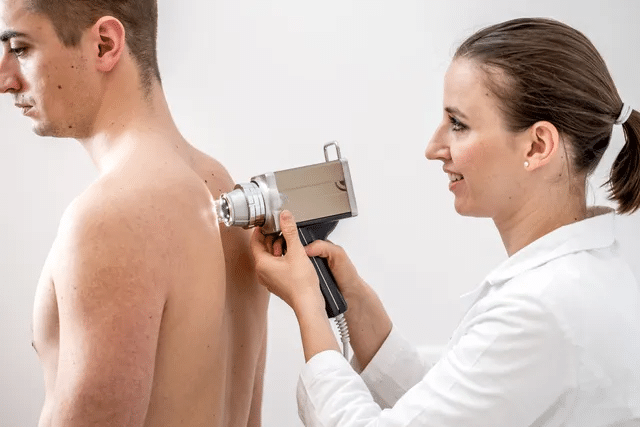
Skin health is a significant component of health in general, particularly in such a nation as Australia where the level of sun exposure is one of the highest in the world. The area of Canberra has intense ultraviolet (UV) radiation during all the years and even during colder seasons. Due to this reason, frequent skin-checks and early medical care against any suspicious spots are highly suggested.
One of the most widely diagnosed cancers in Australia is skin cancer. This may sound alarming but early diagnosis and appropriate treatment are relevant in enhancing the outcome of the majority. Doctors can detect issues in the moles, freckles and changes on the skin promptly and administer proper treatment to the patient on regular checkups.
When people see a new mole, changing spot or a patch of the skin which is not healing normally, several of them seek the Best Skin Cancer Clinic in Canberra. Skin checkups that are conducted by professional trained doctors are useful in identifying possible issues before they become severe.
A dedicated clinic is aimed at the detection of the initial indicators of skin injury and medical attention when there is a necessity. They are usually accompanied by full-body skin checks, mole assessments, biopsy procedures and other treatment of any sort of skin cancer.
The people living in Canberra and the surrounding enjoy the luxury of high-quality medical centers and well-trained medical practitioners offering them close skin examination and education. These clinics are patient-centered in terms of educating the patient about his or her skin health and prevention as well as early detection.
This summary gives an explanation of the way the skin cancer clinics operate including the significance of early cancer diagnosis, the prevalence of the various types of skin cancer, methods of treating these cancers, and what patients in Canberra should expect during a skin examination.
Understanding Skin Cancer
Skin cancer develops when the skin abnormal cells start to grow. The cells can be formed because of prolonged exposure to ultraviolet radiation either of sun or the artificially created tanning beds.
Skin cancer has been recorded as one of the highest in Australia. Sunny climate, outdoor lifestyle, and fair skin types are the main factors leading to the rise of the risks.
The positive news here is that even when skin cancers are detected early in time, most of them are treatable. This is the reason why skin examinations are recommended periodically by medical practitioners.
Skin cancer has many different types and each of them does not act in the same way. Others can slowly grow whereas others can be spread faster when not treated.
Common types include:
- Basal cell carcinoma
- Squamous cell carcinoma
- Melanoma
Regular examinations at a mole check clinic can be used to detect these conditions at an early stage before it becomes advanced.
The reason behind Skin Checks and Canberra
The Australian climate places the inhabitants at the risk of experiencing high amounts of UV radiation throughout the year. The beauty of Canberra with its sunny sky and outdoor lifestyle implies that many people spend time under the sun, be it outdoor exercise, work and leisure activities.
Even short-term exposure to the sun accumulated over long years can make an individual susceptible to developing skin damage.
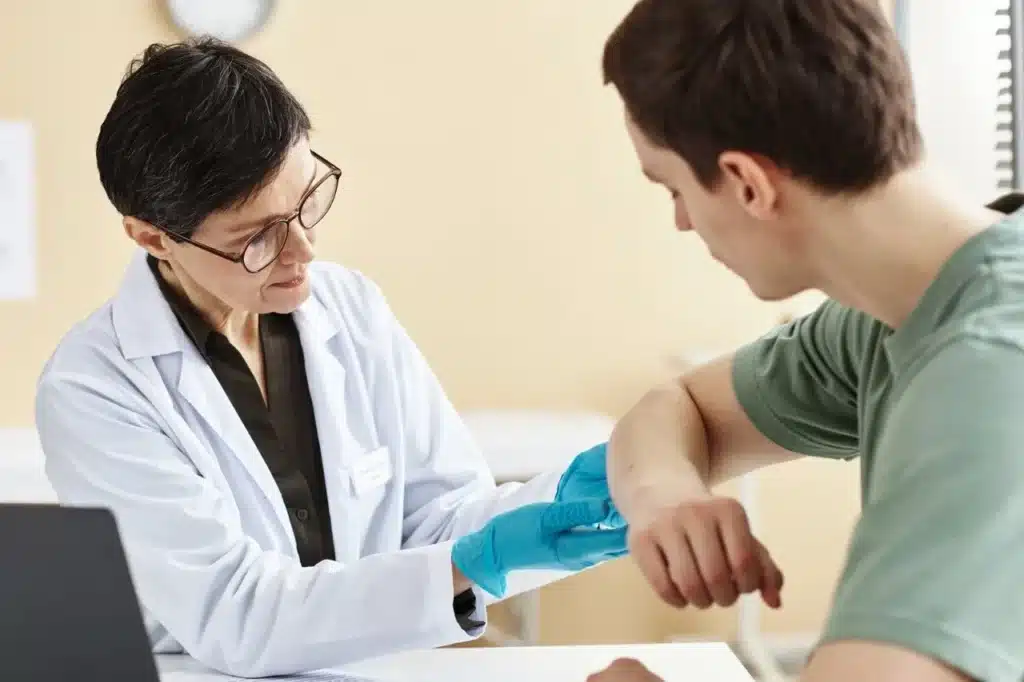
Frequent skin examination ensures the detection of suspicious changes at an early stage. These examinations entail the inspection of the skin to detect new spots, odd moles, or lesions, which alter their colour, size or shape.
When a person notices something suspicious on their skin, many of them go to the internet and type in mole check near me. By consulting a trained doctor, the changes that are of concern are properly assessed.
Early diagnosis usually enables the physicians to excise the abnormal cells before they continue to proliferate.
What Goes on in a Skin Cancer Clinic
The clinic is a specialised skin clinic which is concerned with the diagnosis and treatment of different skin related ailments associated with sun damage.
In the majority of clinics, there are several significant services that are aimed at the protection and monitoring of skin health.
Full Skin Examination
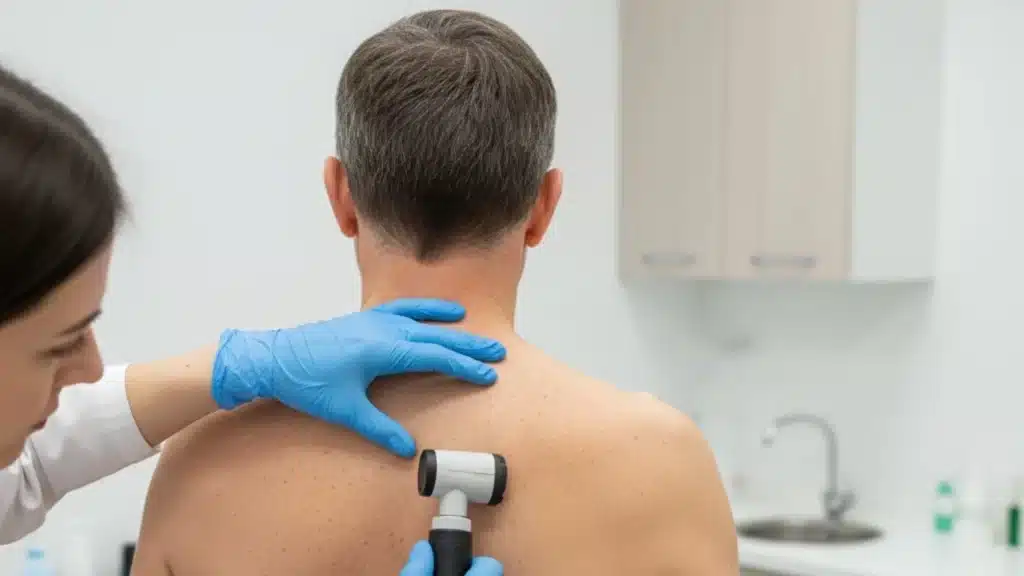
A physician will do a close examination of the skin, in many cases with specialised magnifying tools. This aids in the identification of the minor changes that cannot be detected by people.
Mole Assessment
Moles are also scrutinized with a lot of care to detect whether they present irregular growth or a change in colour.
In case a mole is suspicious, a test can be ordered.
Biopsy Procedures
A biopsy is the process of extracting a small fragment of a tissue to be analysed in the laboratory. This assists doctors in establishing the presence of abnormal cells.
Medical Treatment
In case of skin cancer diagnosis, the doctors deliberate on the treatment options that depend on the type and stage of the condition.
Depending on their diagnosis, some patients can be required to undergo procedures associated with the treatment of skin cancer.
Forms of Skin Cancer frequently diagnosed by doctors
The awareness of various forms of skin cancer can enable a person to realise when they need medical care.
Basal Cell Carcinoma
The most prevalent type of skin cancer is basal cell carcinoma. It is usually a tiny shiny bump or patch of skin which can bleed or not heal.
This form of cancer develops at a slow pace and hardly extends to other body parts.
Squamous Cell Carcinoma
The squamous cell carcinoma normally appears in regions that are exposed to the sun on a regular basis like the neck, ears, face, and hands.
It can either look like a scaled patch which is red and scaly or a lump.
Physicians occasionally prescribe the treatment of squamous cell skin cancer to eliminate the disease and avoid its further spread.
Melanoma
The most severe type of skin cancer is melanoma. It grows in pigment-producing cells known as melanocytes.
Failure to treat melanoma early enough may lead to its spread in other body parts.
The current medical methods of treating melanoma cancer involve excising the cancer without destroying the healthy adjacent tissue.
Timely diagnosis significantly enhances a successful treatment.
Basic Red Flags of Skin Cancer
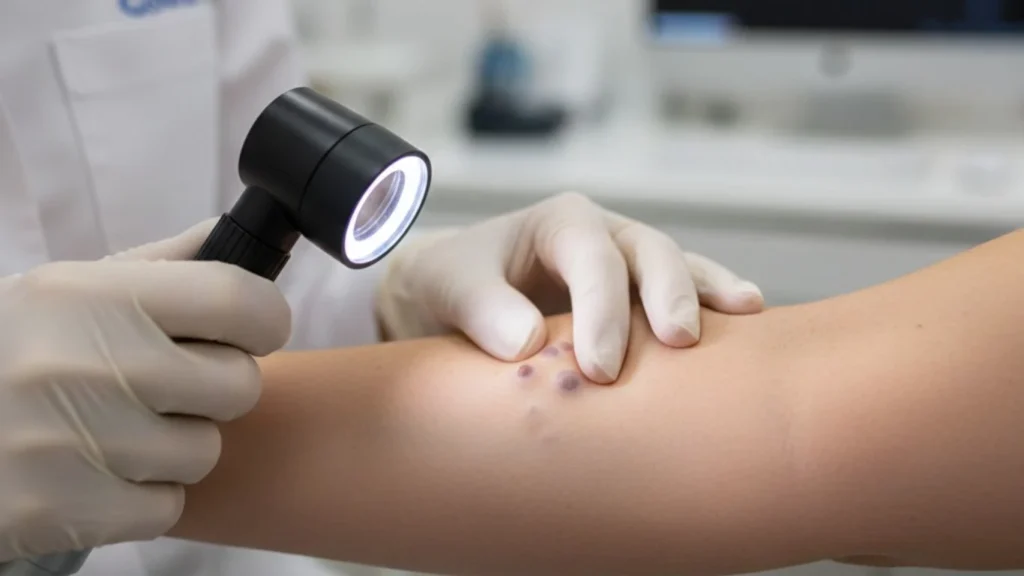
Early detection of warning signs would enable individuals to consult medical consultants earlier.
Medical attention may be necessary to alter:
- A mark, which varies in size, colour, or form.
- A bleeding or crusting spot.
- An unhealing lesion following a period of weeks.
- An emergent mole in the adult age.
- An itchy or painful skin spot
Physicians commonly advise to adhere to the ABCDE rule to be used in monitoring moles:
- A – Asymmetry
- B – Border irregularity
- C – Colour variation
- D – Diameter larger than 6 mm
- E – Changing or developing appearance.
In case any of these signs are observed in a mole, it is advised to have a professional examination.
How Skin Cancer Is Diagnosed
The process of diagnosis is normally systematic.
Clinical Examination
The doctors start with the close visual examination of the skin.
Suspicious spots can be viewed with the help of special magnifying tools.
Dermoscopy
The method of dermoscopy applies a handheld instrument which enables the medical practitioner to view structures beneath the skin.
It is a technique that enhances accurate diagnosis.
Biopsy Testing
In case, a lesion looks abnormal a biopsy can be done. The sample is analysed then in a pathology lab.
The findings validate the presence of cancerous cells.
When a diagnosis is achieved, physicians talk about potential treatment.
Therapy of Skin Cancer
Depending on the type, size, and the location of the skin cancer, the treatment varies depending on the cancer.
Physicians put into consideration a number of things before prescribing the most appropriate strategy.
Surgical Removal
Small-scale surgery is often utilized in the event of cancer removal.
It can be used in most of the early skin cancers.
Excision Procedures
There are instances when a relatively bigger tissue is excised so as to be sure that every aberrant region is cleared.
Cryotherapy
This is a procedure that involves the high use of cold to kill cancerous cells.
Some pre-cancerous lesions are treated by cryotherapy.
Topical Treatments
Prescription creams to kill abnormal cells can be used treatment of some early-stage skin conditions.
Ongoing Monitoring
Follow-up visits might be required after treatment to observe the skin of patients and identify any changes.
Local Skin Health Influencing Factors in Canberra
The Canberra climate has the potential to affect the skin.
High UV Index
The UV index in Australia is also usually high even in the cool seasons.
The residents can undervalue sun exposure in winter.
Outdoor Lifestyle
Most of the people living in Canberra are engaged in outdoor games, hiking, cycling and recreational activities.
Such activities expose the sun with time.
Dry Climate
The climate can be dry in Canberra and therefore skin changes are easy to detect but it might be irritating or dry.
Periodical observation of the skin assists in separating the harmless conditions and the possible ones.
How Often to have a Skin Check?
Scheduling of skin checks should be once a month or once in three months depending on the risk.
Individuals whose skin resembles that of the whites, having numerous moles, or having a family history of skin cancer may need to have higher rates of examination.
Annual skin check is advised by doctors in adults residing in Australia.
Nonetheless, the sooner people consult a doctor, the better in case they observe some strange changes on the skin.It is possible to visit a clinic that is rated the Best Skin Cancer Clinic in Canberra and make sure that the examination would be thorough and the guidance would be provided.
Preventing Skin Damage
Use Sunscreen
The use of generalized sunscreen assists in decreasing UV.
Wear Protective Clothing
Long-sleeved clothes, hats, and sunglasses are an added security.
Seek Shade
Risk can be avoided by staying in the shade when the UV levels are intense.
Regular Skin Monitoring
Self-examination of the skin is one way of detecting changes.
The most effective intervention of skin protection in the long term is prevention and early diagnosis.
The selection of the Right Skin Cancer Clinic in Canberra
The choice of a medical clinic may make patients more assured in their treatment.
This decision could be affected by a number of factors.
Qualified Medical Specialists
Physicians who underwent training in skin inspection and dermatological treatment can make correct diagnoses.
Modern Diagnostic Tools
The system has more enhanced imaging and dermoscopy devices that enhance detection of any subtle changes in the skin.
Patient Education
Patients are taught more about their skin health in clinics that offer guidance on the topic of prevention and monitoring.
Comprehensive Services
Patient care can be made more straightforward by having a clinic where the patient has the option of examination, a biopsy, and treatment.
To most of the residents, the identification of the Best Skin Cancer Clinic in Canberra requires the selection of the clinic with patient safety, proper diagnosis, and continuous skin surveillance.
Key Takeaways
Skin cancer is widespread but in most cases, it can be treated when diagnosed at an early stage. The population of Canberra receives a lot of sun, and regular skin checks are especially critical in this case.
Specialized skin clinics offer professional check-ups, mole tests and solutions of various skin infections.
Early detection of warning signs, the need to avoid overexposing the skin to the sun, and having regular medical check-ups all help to improve the health of the skin.To get an idea of how to prevent skin cancer, or to seek some assurance of changes in the skin, visiting the Best Skin Cancer Clinic in Canberra may reassure a customer and help to guide the customer towards professional representation.
Frequently Asked Questions
Q1. What is the prevalence of skin cancer in Canberra and Australia?
Cancer of the skin is highly prevalent in Australia because of excessive UV radiation. Most Australians acquire some type of skin cancer at one time in their life. Periodic skin examinations are useful in identifying any issues that may be emerging in the skin and enhance better treatment results.
Q2. What are some of the reasons why I should visit a mole check clinic?
You are to visit a clinic in case you notice a new mole, an alteration in the existing mole, or a spot that fails to heal. Physicians will have an opportunity to visit the area and decide on additional testing.
Q3. What is it like in the appointment for a mole check near me?
A doctor will also examine your skin during a skin check appointment, on a head-to-toe basis. They can also examine moles using a dermatoscope. In case of a suspicious point, the doctor may suggest surveillance or additional examination.
Q4. What are the treatments of melanoma cancer?
Melanoma can be treated with the help of a surgical procedure or removal of the infected tissue. Further treatments can be suggested in more developed conditions of the cancer based on the stage. Early diagnosis stands a good chance.
Q5. What is the treatment of squamous cell skin cancer?
This is usually treated by surgery to excise the cancerous tissue in a minor operation. Other medical methods can also be employed by doctors based on the size and location of the lesion.
Q6. What is the duration of treatment of skin cancer?
The process also varies according to the kind of skin cancer and the treatment procedure. A lot of minor surgical procedures can be done during one visit and follow-ups may be needed in order to follow-up.
Q7. Can skin cancer be prevented?
Although not always preventable, exposure to sun, sunscreen, protective clothing and regular skin check can greatly decrease the risk.
Q8. What is the frequency of checking my skin?
The majority of Australians have an annual skin check. Individuals who are at risk of issues should undergo more regular check-ups as prescribed by the physician.
Book your skin check today with Canberra Skin Cancer Clinic
Early detection saves lives. Your skin is worth checking.
| Canberra Skin Cancer Clinic- Green Way | Canberra Skin Cancer Clinic- Molonglo Valley |
| Phone: (02) 6100 9956 | Phone: (02) 5110 3155 |
| Email: reception@greenwaymedicalcentre.com.au | Email: reception@greenwaymedicalcentre.com.au |
| Address: Unit 6/175 Anketell Street, Greenway ACT 2900 | Address: 110 Woodberry Ave Coombs ACT 2611 |
| Website: https://canberraskincancerclinic.com.au/ | Website: https://canberraskincancerclinic.com.au/ |