
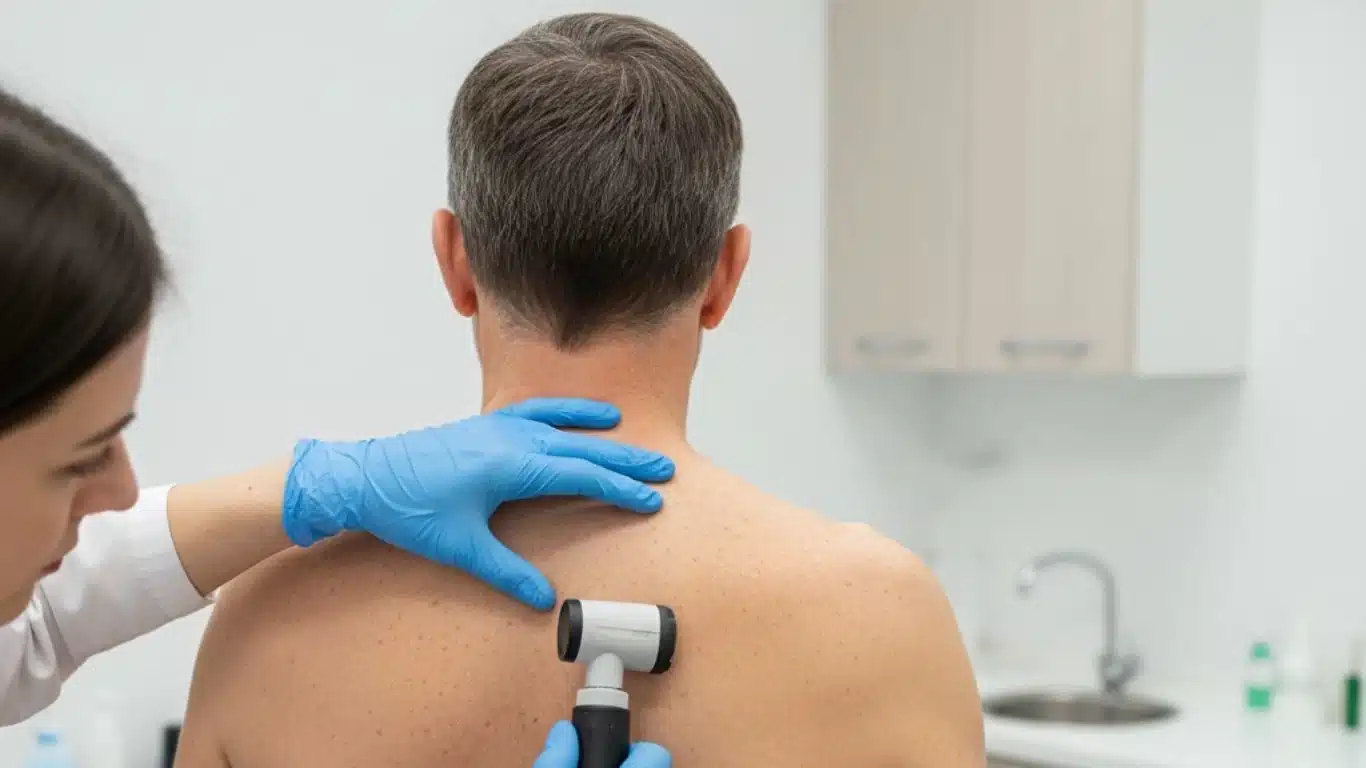
There is nothing like living in Australia, where one can enjoy a wide open space, an active outdoor lifestyle with abundant sunshine. To the Canberra residents this is everyday living life be it a weekend bush walk, school sport, gardening, bicycling or outdoor exercise all year round. As these perks are shared, there is a collective responsibility of taking care of our skin and get to know how often skin check matter.
Australian Skin cancer is prevalent and regularly skin surveillance attracts significance in identifying prompt diagnosis and protracted skin well-being. Among the most common issues that can be brought up to the doctor is the question of the frequency of having their skin checked, and they feel healthy with no apparent concerns.
This manual explains how one can calculate the frequency of skin check, why it is important in the ACT, and what Canberra residents can genuinely anticipate of routine skin checks. The information will be easy to understand, easy to relax, and practical enough that you can make informed decisions concerning your care.
The Importance of Skin Checking Frequency in Australia
One of the highest cancer rates is skin cancer in Australia. To a large extent, it is a culmination of factors that influence individuals from childhood up until adulthood.
These include:
- The presence of high concentrations of ultraviolet (UV) radiation
- The lifestyle is mainly an outdoor type
- The exposure to sunlight during many years
- Beyond-summer seasonal risks of the sun
Changes on the skin induced by UV radiation do not occur rapidly. Several marks or spots seem to be innocuous to start with, and might not result in any pain or discomfort. Frequent skin examinations will aid in detecting changes at an early stage before they develop into a more complicated procedure.
Proper timing of checks is particular to the people in the ACT because of the climate and lifestyle trends in the region.
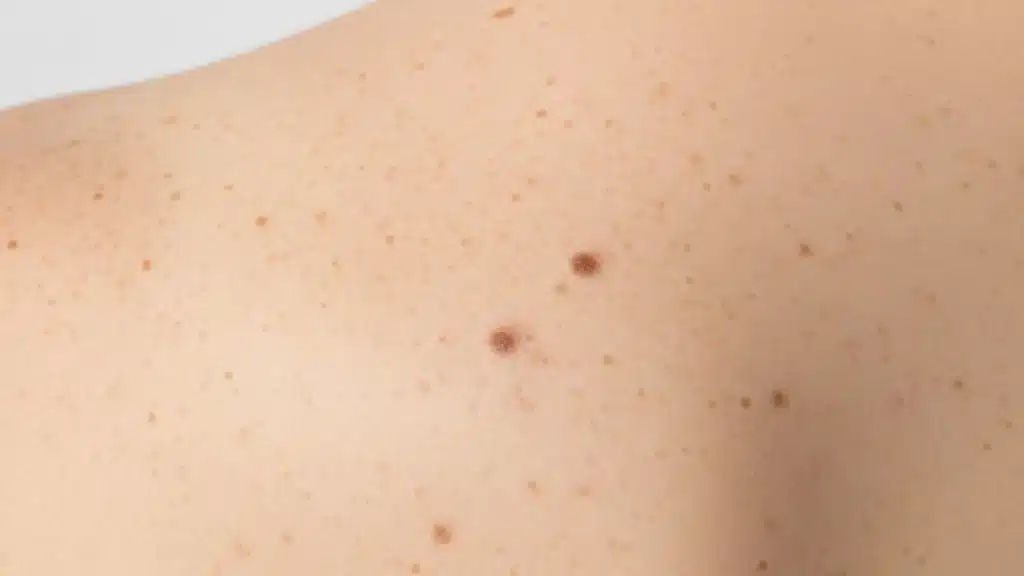
Knowledge on UV Exposure in Canberra
The climate of Canberra can be said to be mild but the UV exposure is always substantial all year long. Low temperatures may also even make people complacent and they perceive low risk with the sun.
Key local factors include:
- Strong UV in the high altitudes especially in the spring and summer
- Clear bright skies, which permit the UV rays to be easy on the ground
- Stock activities and recreation, which pervades across all age groups
- Dry weather, which may conceal exposure of the skin to sun
Although UV radiation is high in winter, especially at midday, it may not be weak. Repeated exposure with a long period will accumulate over time, and frequent skin checks will become a regular activity and not an isolated incident.
What Makes You Figure out How Frequently You Require a Skin Check?
No one can fit in a single schedule. The frequency of skin examination is based on different risk factors, lifestyle and the history of skin.
Factors Which Are Used to Drive the Rate of Checks
Typical factors to be taken into account entail:
- Skin type (fair or sun sensitive skin could require closer attention)
- Skin cancer personal or family history
- Number of moles or freckles
- Activities in the field or in sunny weather
- Sun exposure age and life cumulative sun exposure
Certain individuals may be encouraged to do more regular checks and others may be required to do periodic reviews regularly due to the presence of multiple risk factors.
General Skin Check Instruction on Adults
Although personal advice must always be provided by a trained clinician, some general information can be invaluable to many individuals to make them know what is normal.
Average-Risk Adults
In patients who have a history of no prior skin cancer and average sun exposure:
- Professional examination of the skin is usually suggested once in 12 months
- The practice of test at home between the visits is recommended
This solution conditions the early detection of change and prevents the needless visits.
Higher-Risk Individuals
Individuals who might tenuate increased to such an extent as to warrant more frequent observation include:
- The individuals who have a personal history of skin cancer
- Those who have numerous and unusual spots
- Out-of-door employees who are exposed to UV all year round
- Individuals that have very fair skin and burn easily
Checks can be prescribed after every 6 months in these cases; this is based on clinical recommendations.
Skin Checks in the Family and the Younger Adults
It begins with skin sensitivity at a tender age. Although skin cancer is more prevalent as one grows older, the sun damage starts as one grows up.
Children and Teenagers
Children do not necessarily need routine full skin check except when they already have some specific concerns. However, parents should:
- Watch changing spots or tattoos
- Promote sun protection behavior
- Consult when there is something peculiar in a spot or which varies quickly
Pre-schooling serves to decrease the risk in the long run.
Young Adults
People in their 20s and 30s assume that they should not have skin checks. Nevertheless, this is when the cumulative exposure to the sun will start to take its toll.
Young adults in Canberra that spend much time in the outdoors may have access to:
- Comparison to baseline skin checking to achieve a reference
- Ongoing self-monitoring
- Regular professional analysis regarding lifestyle

Seasonal Choice Locally Within ACT
The seasons in Canberra dictate the way and at what time people have sun exposure.
Spring and Summer
- UV levels are highest
- Outdoor activity increases
- The risk of skin damage increases with a long-duration of exposure
It is a usual period that skin checks are booked by people either before or after high summer seasons.
Autumn and Winter
- Exposure to UV goes on even under the cooler weather
- Reflection of the sun in surrounding areas may enhance UV radiation
- Skin changes have the potential to increase
Even during cold seasons, skin check is not out of place.
What Does a Professional Skin Check Entail?
The knowledge of the process is also helpful to alleviate anxiety and to have realistic expectations.
Before the Appointment
The patients are normally told to:
- Wear loose clothing
- Avoid make up or nail polish
- Take a list of spots of concern
It does not require any special preparations.
During the Examination
The examination of the skin will include:
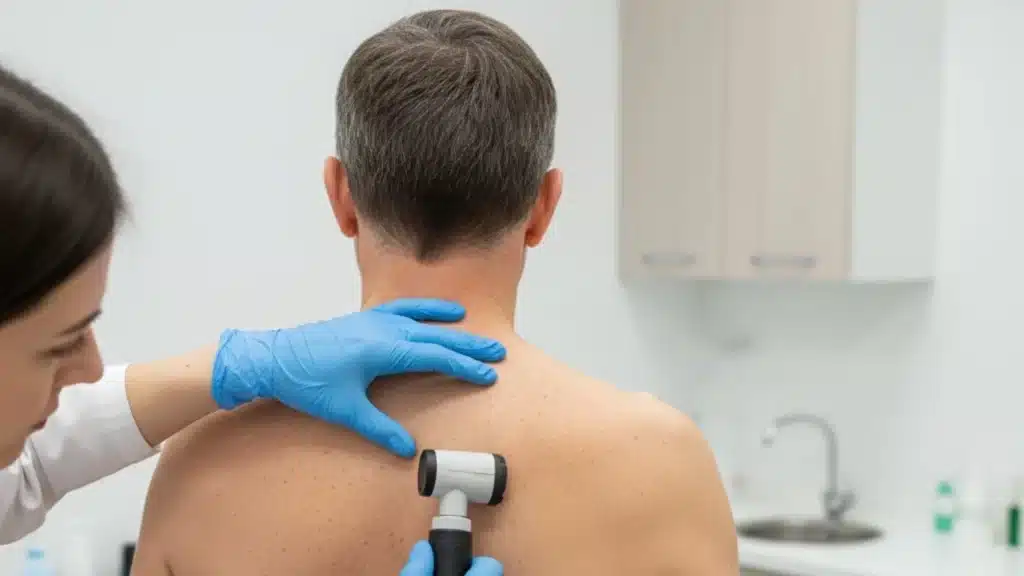
- An examination of the skin all its way to the head
- Viewing spots with the aid of magnification
- Conversation on any changes you have witnessed
It is systematic and dignified with a sense of privacy.
After the Check
The clinician may depending on findings:
- Confirm you should there be no concern
- Areas to monitor include recommendation
- Recommend follow ups where necessary
Clarity in explanation is normally offered so that the patients can know what to expect.
Follow-Up and Continuing Supervision
When it comes to the health of the human skin, it is not a single evaluation. Time tracking guideline aids in tracking the difference that might not be evident during one visit.
Why Follow-Ups Matter
- Some spots change slowly
- Time comparison enhances precision
- Early inspection decreases redundant processes
The follow-up schedules are decided on based on the needs and risk profile of the individual.
Types of Misconception on Skin Checks
Delays and avoidance of skin checks is caused by ignorance by many.
I’ll Know If Something Is Wrong
All alarming skin changes are painful and not necessarily notable. Others occur either silently or gradually.
I Only Need to Check Exposed Areas
The changes in the skin may take place at any place, even at the locations where the sunlight is normally not reached.
“I’m Too Young to Worry”
Before sun damage occurs, it accumulates the sun damage. Mobile consciousness contributes to the skin of the future.
Finding a way to deal with these stereotypes can be useful to make people more active and balanced in care.
Self-Checks Between Appointments
Professional examinations are significant, but self-awareness is of significance.
What to Look For
At home when examining your skin, observe:
- Spots new that were not there before
- Variations of size or shape or colour
- The spots which appear divergent
- Uriges that fail to heal or recur
Improved visibility can be achieved by use of mirrors or with a partner.
How Often to Self-Check
It is proposed by many clinicians to check self-monthly, particularly in the case of highly-risk individuals. This will make you know your skin and how it changes at an early stage.
Selection of Canberra-Based Skin Care
The local environment is important when it is time to have many continuous monitoring of the skin.
Significant Characteristics to Consider
- Australian skin condition experience
- Comprehensive, levels of analysis
- Effective communication and clarifications
- Regular follow up mechanisms
A continuum of care encourages proper comparisons in time and assists patients to be more confident in their monitoring system.
To ensure that persistence and treatment of skin cancer is achieved in total, we have compiled a full guide to skin cancer checks in Canberra.
Why Periodical Skin Inspections Are Long-Term Health Suppliers
Checking the skin on a regular basis is nothing to be afraid of. They concern awareness and education, and early action where necessary.
Benefits include:
- Peace of mind
- Early detection of the changes
- Simplified treatment in the future
- Knowledge about your own skin
Regular checkups can be seen as a safe measure in the health routine of many residents of Canberra.
Major Lessons to the Canberra Residents
- The frequency of the skin check depends on the risk at hand
- Annual professional inquiries are valuable to many adults
- There might be a need to review the person pregnant with common risks more often
- The UV of the ACT is very high throughout the year
- Professional examinations are supplemented by self-checks
Being aware and active helps in future outcomes that are healthy.
Frequently Asked Questions
1. What is the frequency of skin checks to the residents of Canberra?
As a general rule, once a year a professional skin examination is usually recommended to many adults within Canberra. Individuals who spend more time in the sun or have higher skin warmth, or a personal history of skin issues can be recommended to attend on a more regular basis. Recommendations are recommended individually, using personal risk factors and lifestyle, hence it is advisable to use the guidance given at the time of the visit.
2. Should skin checks be provided during winter in Logan, ACT?
Yes, the skin checks are relevant even during winter. In Canberra on lovelier days, UV radiation is available throughout the year, even during chilly temperatures or rainy seasons. It is not a bad idea to inspect any changes observed in skin during the summer, especially during the winter. Frequent assessments are founded on long-term exposure and not seasonal intensity of the sun.
3. What happens in case it finds something suspicious being noticed?
In case one spot needs more focus, the clinician will describe what he/she has seen and clarify the right next steps. This can involve the use of surveillance of the locality, facilitating a follow-up visit, or additional evaluation. Transparency is maintained in the process, with easy to understand language that reassures the patients.
4. What is the average duration of time spent at a complete skin check?
The detailed skin inspection will normally consume 15 to 30 minutes. The time is also dependent upon the number of spots being considered and whether or not there are spots which require to be checked more closely. After all, appointments are not in a hurry and time can be used to ask questions and discuss.
5. Who is the more risky area in Canberra?
Fair-skinned people and those who have had previous sunburning, people in outdoor job and a family history of skin cancer are normally regarded as being at a high risk in the ACT. It is also contributed by long-term sun exposure that results from Canberra outdoor lifestyle. The level of risk is different and individual advice is valuable.
Get your skin cancer today and have peace and early intervention.
| Canberra Skin Cancer Clinic- Green Way | Canberra Skin Cancer Clinic- Molonglo Valley |
| Phone: (02) 6100 9956 | Phone: (02) 5110 3155 |
| Email: reception@greenwaymedicalcentre.com.au | Email: reception@greenwaymedicalcentre.com.au |
| Address: Unit 6/175 Anketell Street, Greenway ACT 2900 | Address: 110 Woodberry Ave Coombs ACT 2611 |
| Website: https://canberraskincancerclinic.com.au/ | Website: https://canberraskincancerclinic.com.au/ |