
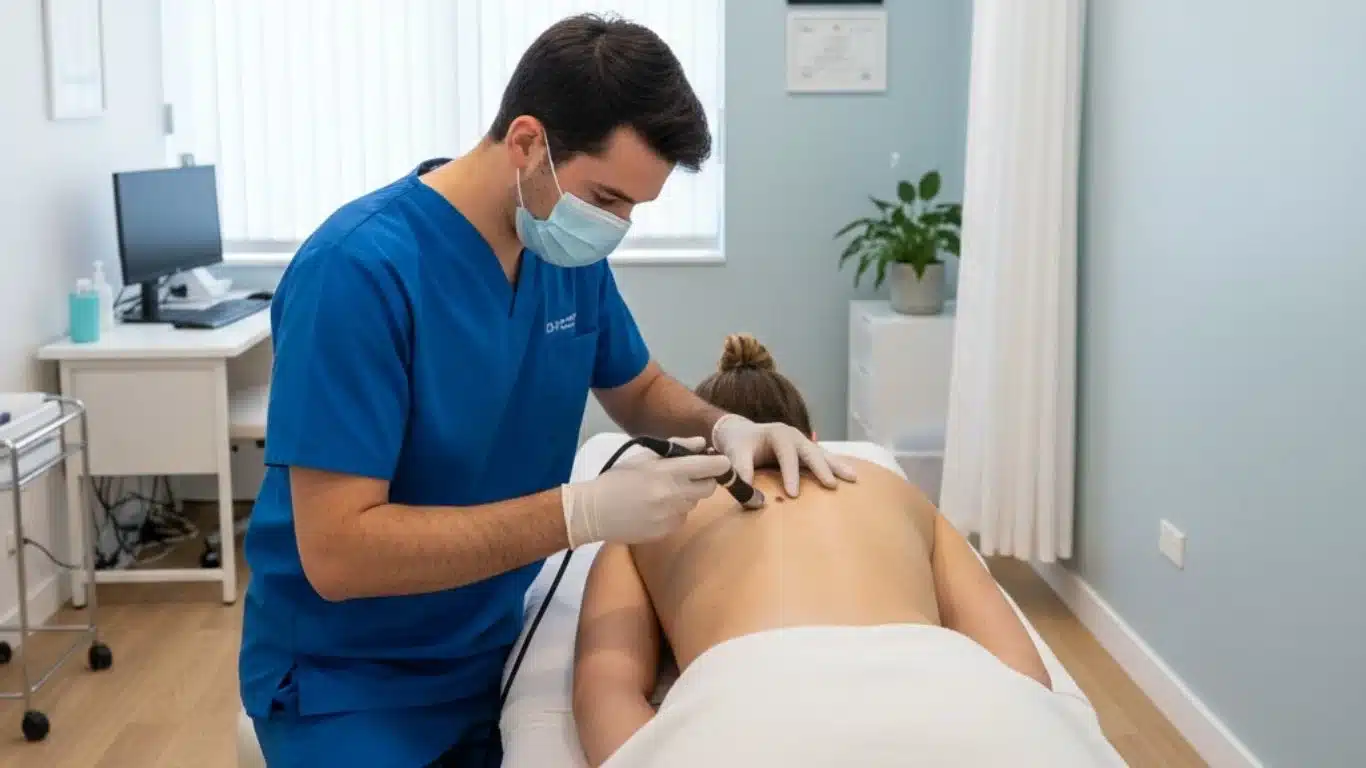
Melanoma Symptoms Australia Often Miss: Melanoma is one of the most serious types of skin cancer and in Australia it is one of our most important public health problems. With some of the highest rates of melanoma in the world, Australians are exposed to intense ultraviolet (UV) radiation virtually on an everyday basis and almost uninformed of the long term consequences. Despite the widespread awareness campaigns, there are still a large number of cases of melanoma diagnosis that is much later than it should be. Why? Because some of the symptoms of melanoma are subtle, misleading or simply easy to ignore.
This article pays special attention to the Melanoma Symptoms Australia Often Miss and discusses why melanoma early detection can be lifesaving. We’ll also answer a very common question many people quietly ask themselves and that is: Should I wait to see if a spot changes?
If you live in Canberra or surrounding regions, this guide will help you understand what to look for, when to act and the importance of a professional skin check in Canberra which can make all the difference.
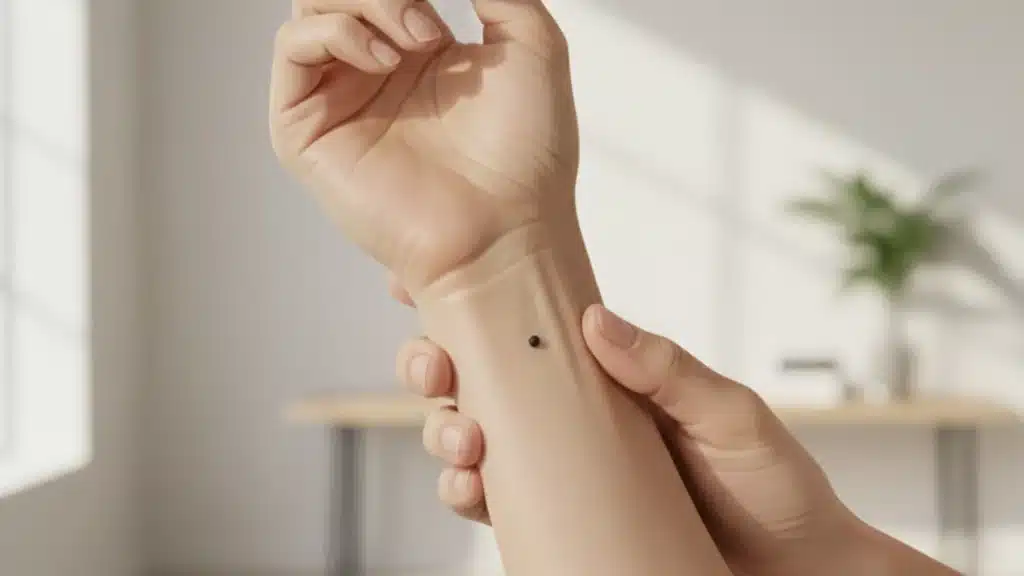
Why Melanoma causes are often missed in Australia
Australia’s sunny lifestyle is part of our heritage as Australians. From weekend sport and shrewd-crawling to gardening and schoollections, sun is incorporated into daily life. With constant exposure over time, these changes to the skin become normalised and it can become more difficult to tell what’s dangerous and what’s merely, well, normal ageing.
There are several reasons for missed melanoma diagnoses, which include:
- High Prevalence of freckles, moles and sun spots
- Gradual changes that take place over a period of months or years
- Lesions with indications of less-visible location
- False sense of security in younger/either otherwise healthy individuals
Many Australians remain familiar with the skin cancer melanoma, which is characterized by a very dark and irregular mole. While that can be true, it is by no means the full picture.
Understanding Melanoma: A Brief Introduction
What Is Melanoma?
Melanoma is a cancer that forms in gene cells called melanocytes, the cells that are responsible for pigmentation (melanin) production in the skin. While it only represents a smaller percentage of skin cancer cases in total, it results in most of the deaths due to skin cancer.
Why Early Detection Matters
When detected soon, or early, melanoma is easily treated, sometimes with as simple a procedure as minor surgery. Once it has spread deeper into the skin or to other organs, treatment becomes much more complex and with less certainty of a result. This is why melanoma early detection is one of the most important protective steps that Australians can take.
Common Signs Of Melanoma That Adults in Australia Miss
A Spot That Looks “Normal”
All melanomas do not appear alarming. Some appear small, symmetrical and evenly coloured – at least in early stages. These lesions may not give cause for concern as they do not exactly match the classic ABCDE check box.
Missed clues include:
- A new mole after age 30
- A spot that blends in with freckles that are nearby
- A lesion that appears pale, pink or skin-coloured
Slow, Subtle Changes over Time
Melanoma doesn’t always change rapidly. Some of the lesions develop so slowly that people don’t notice the difference.
Watch for:
- Very slight level of darkening or lightening
- Mild spreading at the edges
- A change in texture and not colour
Checking for these slow changes on your skin means that they may easily be unnoticed unless you check it at least every few years.
Spots that do not heal/don’t heal as quickly as expected or do not heal?
A red flag is a lesion that scabs over and heals, but then returns in the same area. These often are discounted as insect bites, pimples or minor injuries.
If a spot:
- Bleeds without trauma
- Crusts repeatedly
- Does not fully heal in 4-6 weeks
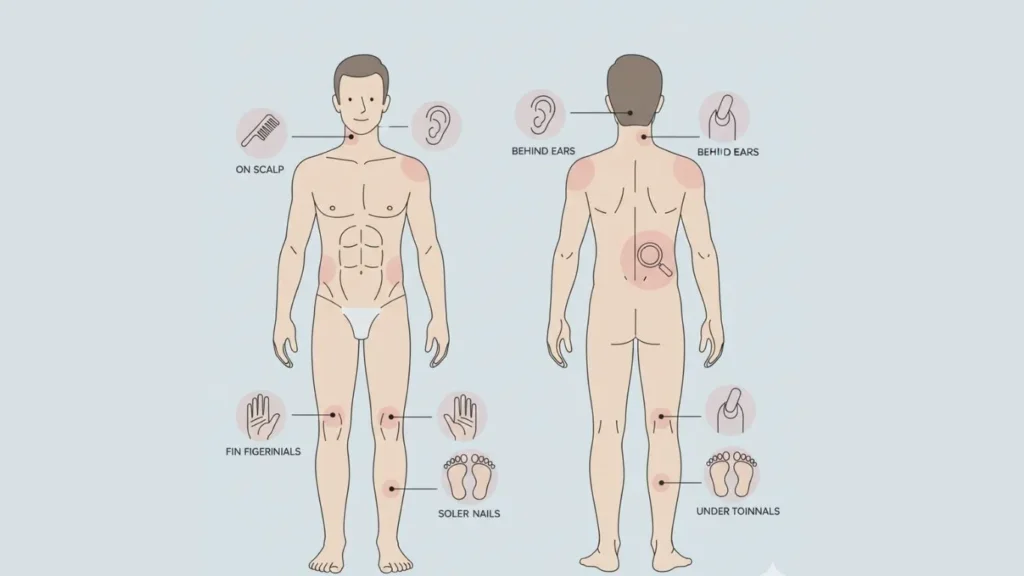
Because these areas aren’t exposed to the sun as often, people wrongly assume melanoma can’t occur there.
Melanoma under Nails/ On Soles
A surprising number of melanomas occur in areas which are not typically checked.
These include:
- Under fingernails or toenails (can be confused as bruises)
- Soles of the feet
- Palms of the hands
- Between toes
Because of their lack of exposure to the sun, in many cases, people wrongly assume that melanoma can’t occur there.
Itching, Tingling, or Tenderness
Melanoma is not always #painless though. Sensations like itching or tenderness may occur before visible changes occur.
Do not ignore a mole that:
- Feels different from others
- Becomes sensitive to touch
- Of causes pain which cannot be explained;
When to Call Your Doctor: Should I Wait to See if a Spot Changes?
This is one of the most common (and dangerous) questions Australians ask themselves.
The Short Answer: No
So waiting for a time to change among them may mean that we have let melanoma progress incredibly silently. By the time one can see obvious changes, a cancer may be more advanced.
Why Waiting Is Risky
- Some melanomas do not change at all, very slowly;
- Others spread under the skin before visible changes to the surface
- Personal judgement often is unreliable
If you are wondering whether a spot needs checking, that alone is reason enough to book an appointment.
Early detection is critical, as outlined in our complete guide to skin cancer warning signs.
The ABCDE Rule (And How It Is Limited)
A – Asymmetry
One half of the lesion doesn’t match with the other half – one half of the lesion appears different from the other half.
B – Border
Edges can be uneven and made blurred and/or notched.
C – Colour
Multiple colours or uneven shading in one lesion.
D – Diameter
Greater than 6mm (about the size of a pencil post) although smaller melanomas do exist.
E – Evolving
Any change in size, shape, colour and symptoms.
Why ABCDE Isn’t Enough
While helpful, this rule doesn’t catch every melanoma. Nodular melanoma for example may be symmetrical and even in colour but often still be aggressive.
Different Age Group of Melanoma
Younger Australians
Melanoma is one of the most common cancer types in the Australian population aged 20-39 years. In the case of younger people, however, it is often dismissed because of age-based assumptions.
Older Australians
Accumulations of exposure to the sun over a lifetime greatly increases the risk. Melanoma in elderly skin is possible, it may be present in the sun-damaged skin and it may be less distinct.
Areas of the Body Birth Control Controversies
Be sure your skin checks include:
- Scalp and hairline
- Behind the ears
- Back of the neck
- Under breasts
- Buttocks and groin
- Behind knees
Having mirrors or a partner to assist can make all the difference.
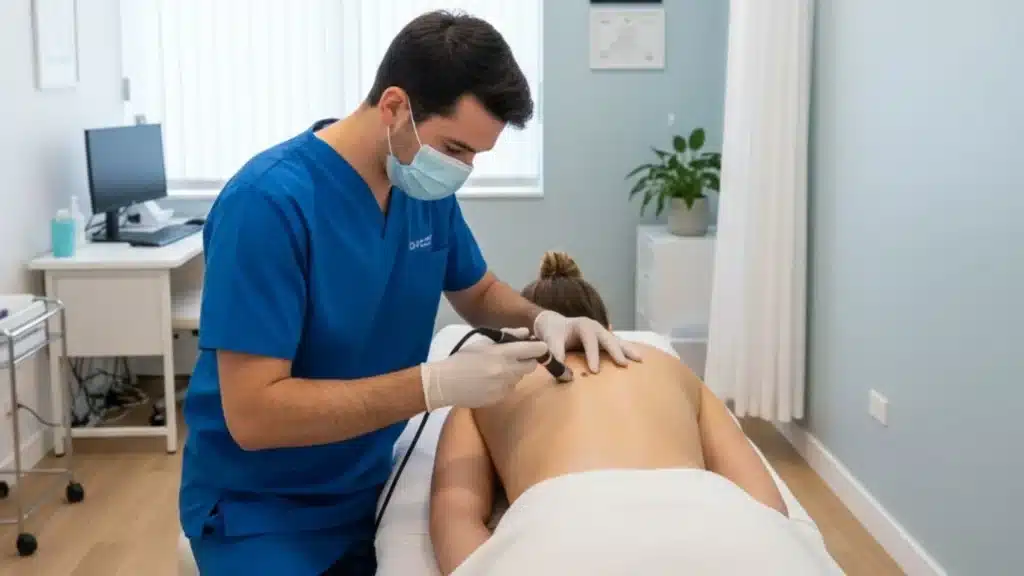
The Role of Professional Skin Checks
What Happens When You Have a Skin Check
Any skin examination by a trained clinician to be accomplished for full body exams:
- General signs of melanoma to be identified and examined closely:- Subtle or hidden signs of melanoma
- Comparison of new images with baseline images
- Early biopsy if needed
Why Self-Checks Aren’t Enough
Even careful self examination is prone to missing melanoma in the early stages. Clinical tools and clinical experience are important.
Melanoma early detection Canberra
Canberra residents have risk factors that are unique including high UV levels and an outdoor way of life. One of the best ways to guard your health is to have your skin checked on a regular basis by a professional.
When to Book a Skin Check
- Annually for most adults
- Every 6 months if you have risk factors such as fair skin, many moles, or a family history of melanoma
Call Us – Canberra Skin Cancer Clinic
If you’ve noticed a suspicious spot or aren’t even sure, don’t wait for changes to confirm your concern. Your life can be saved from the early assessment.
Book a full skin check at Canberra Skin Cancer Clinic today. Our experienced Doctor Senthil Kumaar specializes in early detection and to getting your diagnosis correct, as well as personalised care to Canberra’s locals.
Frequently Asked Questions
1. Is melanoma always dark or black?
No. Some melanomas are pink, red, skin-coloured or even colourless. As well as these, dark spots are often overlooked as people only associate melanoma with dark spots. Any new or changing lesion (of whatever colour) should be checked.
2. Can melanoma occur suddenly?
Yes. Some melanomas grow quickly in a matter of weeks or months. A new spot with different appearance from others — sometimes referred to as the “ugly duckling” — should be related as soon as possible.
3. How do I suggest self-examining my own skin?
Self-examinations during monthly periods are advised. This helps you detect new spots or subtle changes early on. However, self-checks must be used to complement – not replace – professional checks of skin.
4. Does melanoma hurt?
Not always. Many melanomas do not cause pain even when in early stages. Sensations such as itching, tenderness, or bleeding may be felt later and should not be overruled.
5. Are People with Darker Skin With Skin That Can Get Sun burned?
Yes. While the risk of skin cancer is reduced, melanoma is still a possibility and often diagnosed much later in skin of color using their darker skin. Commonly lesions occur on palms, soles or under nails.
6. If no change has occurred, is it okay?
No. Some melanomas stay the same in terms of their appearance but they spread underneath the surface. Stability does not mean safety, which is why it is important to have it checked by a professional.
7. So what is the best way to prevent melanoma?
Sun protection, frequent examination of skin changes, and an early examination of suspicious changes by a physician are the best tactics. One of the keys to avoiding delays in assessment.
Your skin tells a story as time goes by. Don’t skip over the silent chapters. If something doesn’t feel right, trust that feeling and have it checked at Canberra Skin Cancer Clinic.
| Canberra Skin Cancer Clinic- Green Way | Canberra Skin Cancer Clinic- Molonglo Valley |
| Phone: (02) 6100 9956 | Phone: (02) 5110 3155 |
| Email: reception@greenwaymedicalcentre.com.au | Email: reception@greenwaymedicalcentre.com.au |
| Address: Unit 6/175 Anketell Street, Greenway ACT 2900 | Address: 110 Woodberry Ave Coombs ACT 2611 |
| Website: https://canberraskincancerclinic.com.au/ | Website: https://canberraskincancerclinic.com.au/ |