
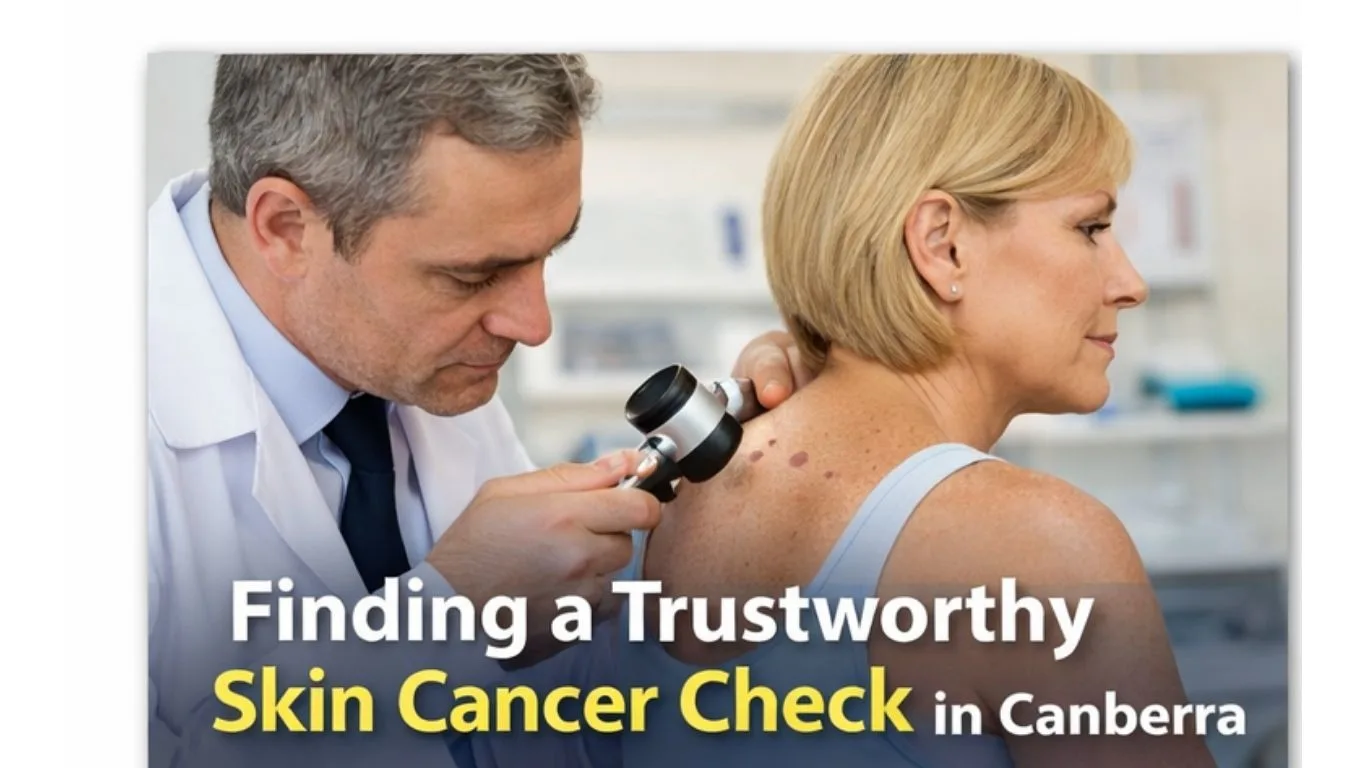
When you are looking for skin cancer check Canberra, then you are at least making a step in the right direction of securing your health. The most prevalent type of cancer in Australia is skin cancer and Canberra residents are under unique risks because of the high exposure to UV radiation, lifestyles that involve outdoor activities and the high altitude. The good news? Most skin cancers are treatable when their existence is early unearthed by professional skin cancer screening.
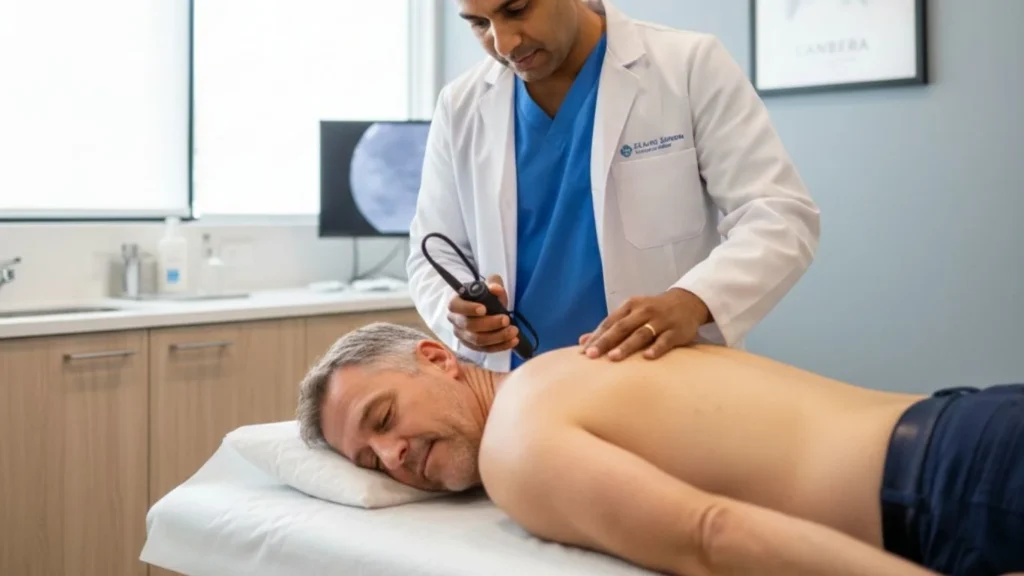
This will be a complete guide on how to know all about checking your skin cancer in Canberra, why you need to do it, what will happen during a check-up, how skin mapping can be conducted, when to meet with a skin cancer consultant and how to select the best skin cancer clinic in your area. You may have never paid a check in your life, or you may have an outstanding check but this page is what will help you make a decision that is informed and confident about your skin health.
The reason as to why Skin Cancer is so prevalent in Australia
Skin cancer is one of the highest rates in the world and Canberra is not an exception. This would explain the need to make skin cancer checks in Canberra a regular instead of an optional procedure.
Australia’s UV Environment
The location of Australia near the equator, coupled with low levels of ozone in history causes the radiation of ultraviolet (UV) to be very high. Excess UV radiation harms the skin cells in the long run, predisposing to the development of abnormal cell growth that causes skin cancer.
Outdoor Lifestyles
Hiking, cycling, gardening, sport, and outdoor work are popular among the residents of Canberra. Although these activities are physically and mentally healthy, over time sun exposure puts you at a great risk of skin cancer, although you might not burn frequently.
Fair Skin Population
Most Australians also possess fair skin which burns very easily and has less natural defense against UV radiation. This genetic variation in itself predisposes the risk of melanoma and non-melanoma skin cancer in the course of life.
Cumulative Damage Over Time
Skin cancer may arise several decades after exposure to sunlight. High UV levels were experienced by many people in Canberra when they were children when the sun safety campaigns were still not common. This implies that even the cautious people now might still be vulnerable.
Main lesson learned: Skin cancer is widespread, but it can be promptly diagnosed with the help of regular skin cancer screenings, which will save lives.
What It Feels Like to Have a Skin Cancer Check
Having never made a skin cancer appointment in Canberra, you are entitled to being confused about the course of action. It is safe and painless and aimed at diagnosing skin cancers as early as possible.
A professional skin cancer examination is aimed at detecting abnormal moles, lesions, or skin alterations that might be signs of melanoma, basal cell carcinoma (BCC) or squamous cell carcinoma (SCC).
Initial Consultation
Normally, your appointment starts with:
- A medical and family history.
- Any history of skin cancer.
- The changes you have observed in your skin.
- Habits and risk factors of sun exposure.
This is information that will allow your clinician to adjust the examination to your risk level.
Full Body Skin Checks
The best method of skin cancer early detection is a full body skin examination.
What It Involves
- Checking of the entire surface of the skin including parts that you might not have been checking on yourself frequently.
- The utilisation of a dermatoscope, a magnifying instrument that is a specialty that enables medical practitioners to visualise the structures under the skin.
- Evaluation of moles, freckles, sunspots, and lesions due to asymmetry, abnormal borders, colour, size and change.
- Regions that are usually not given much attention, like the scalp, ears, between toes, soles of feet and under nails, are thoroughly examined.
Why Full Body Checks Matter
Skin cancer does not just come out in the place of the sun. Melanoma may occur at any part of the body such as areas that are not often exposed to sunlight. A complete full body check does not leave anything to chance.
The Digital Skin Mapping Explanation
Digital skin mapping is a new technology that has been adopted by most of the major skin cancer clinics in Canberra especially among patients with multiple moles or who are at a higher risk.
What Is Skin Mapping?
Skin mapping involves:
- Snapping pictures of your nude body in high resolutions.
- The time-lapse tracking and recording of individual moles.
- The comparison of images during the following appointments to identify a slight change.
Who Profits the most in Skin Mapping?
Skin mapping is particularly useful when:
- Have many moles
- Possess unusual or abnormal moles.
- Personal or Family history of melanoma.
- Is fair or extensively solar exposed.
Why It Improves Accuracy
There are skin cancers which do not appear dangerous. Digital monitoring enables skin cancer professionals to detect invisible changes not visible to the naked eye and improve the rate of early detection and minimize the number of unnecessary biopsies.
When you are in search of skin mapping in Canberra, in the area where you are searching, skin mapping you can choose a clinic that will offer you the added peace of mind.
When to See a Specialist in Skin Cancer
General practitioners can do skin checks but a skin cancer specialist is an expert with special training in the diagnosis, treatment and detection of skin cancers.
You Should See a Specialist:
- You’ve had skin cancer before
- Previous family history of melanoma.
- You have numerous moles or strange moles.
- One of the mole is altering its size, shape or colour.
- A spot bleeds, crusts, fails to heal or becomes painful.
- You desire a more specific examination with dermoscopy or skin mapping.
Experts in skin cancer are educated to identify warning signs that are hard to notice and decide whether a lesion should be monitored, biopsied or excised.
Expert Treatment = Pre-emptive Diagnosis.
Skin cancers at an early stage are simpler to treat and need less invasive treatment. It is possible to drastically enhance the results of a visit to a specialist to check your skin cancer in Canberra.
When to Have Your Skin Checked
No universal answer exists, although there are broad recommendations to guide on the frequency of skin cancer check-up.
General Recommendations
- Average risk: Every 12 months
- Higher risk: Every 6 months
- Very high risk (the history of melanoma): According to the advice of your specialist.
Factors That Increase Risk
- Fair skin that burns easily
- Prevention of sunburns particularly during childhood.
- Taking of family history of skin cancer.
- High number of moles
- Outdoor activities or pastimes.
Depending on your risk profile and past outcomes, your clinician can prescribe a customized plan.
Skin Cancer Clinic Canberra
All the skin cancer clinics are not similar. Selecting the appropriate clinic may cause a lot of difference in the quality of care and accuracy of diagnosis.
The Things to Check in a Canberra Skin Cancer Clinic
Specialist Training
Find clinicians who are especially trained and experienced in skin cancer medicine, and not in general practice.
Advanced Technology
To more accurately assess and monitor at long term, clinics that offer dermoscopy and digital skin mapping are more accurate in their assessment.
Comprehensive Services
An excellent clinic must be capable of:
- Full body skin checks
- Skin mapping
- Lesion removals and biopsies.
- Continued observation and subsequent follow up.
Patient-Focused Approach
The appointment process must not be speedy. A good clinic will take the time to explain/describe findings and answer questions as well as include you in the decision making regarding your care.
Local Expertise
There is no need to settle on a clinic that is not aware of the UV conditions in Canberra and the risk factors in the area when choosing a clinic that provides community-based care.
When patients go into a search query of what is the best skin cancer check near me, convenience is important, but experience is more important.
Real Prevention tips
Although skin cancer checks in Canberra are crucial on a regular basis, the best place of defence is prevention.
Daily Sun Protection Habits
- Use sunscreen of SPF 30+ with a broad spectrum, even in the winter.
- Apply every two hours when outside.
- Use wide-brimmed hats and sun protection sunglasses.
- Wear tight-fitting, long-sleeved clothing.
Timing Matters
It is also better not to be outdoors during the peak hours of the UV sun (10am-4pm). Even the cool or cloudy days, Canberra has high UV levels.
Be Skin Aware
Get to know your skin. Self-check-ups enable you to recognize the changes earlier on and get professional evaluation earlier.
Don’t Rely on “Tanning”
There is no safe tan. Any alteration in the colour of the skin as a result of UV indicates the damage of the skin.
The most common questions about Skin cancer checks
1. How many minutes do you have to spend at the skin cancer check?
The typical skin cancer screening should last between 15 and 30 minutes. Full body check-ups, which involve digital skin mapping, might be a little bit more time consuming, particularly during your first visit to the location, where baseline images are taken to compare it with later visits.
2. Is skin mapping worth it?
Yes, especially in those who have many moles or are at greater risk. Skin mapping enhances the early detection process, which is done in order to monitor the alterations of the skin, thereby minimizing the undesirable biopsies. It offers long-term check overs and supplementary confirmation between checks.
3. Do skin cancer checks hurt?
No. Skin cancer examinations are painless and non-invasive. Should a biopsy be necessary then local anaesthetic is employed to reduce pain and the patients are generally very tolerant.
4. What are the accuracy rates of screenings of skin cancer?
Skin cancer screening is very accurate when it is performed by trained clinicians with the aid of dermoscopy and skin mapping. Frequent examinations have a big impact of identifying hidden skin cancer in an early curable form.
5. Is it possible that skin cancer may come out of the blue?
Yes. Certain types of skin cancer such as melanoma may grow within weeks or months. This is the reason why frequent professional examinations and the timely examination of new or altering lesions are so significant.
One Appointment To Take Beautiful Care of Your Skin
One of the most active steps that you can make in the way of the long-term health is scheduling a skin cancer check in Canberra. An early diagnosis prevents death, treatment complications and it provides peace of mind.
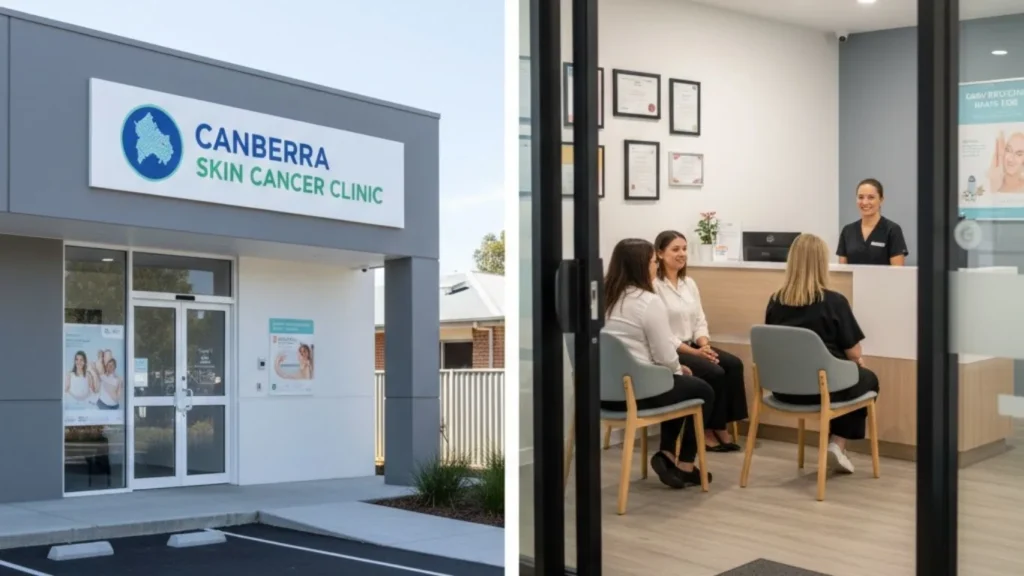
In Canberra Skin Cancer Clinic, the combination of the professional expertise, advanced technology, and patient-centred care will all be combined to offer comprehensive, precise skin cancer screening depending on your personal risk.
In case you have not had one in the past 12 months (or in the past at all), it is time to start taking care of your skin.
Canberra Skin Cancer Clinic
Phone: (02) 6100 9956
Email:reception@greenwaymedicalcentre.com.au
Address:Unit 6/175 Anketell St, Greenway ACT 2900
Website: https://canberraskincancerclinic.com.au/