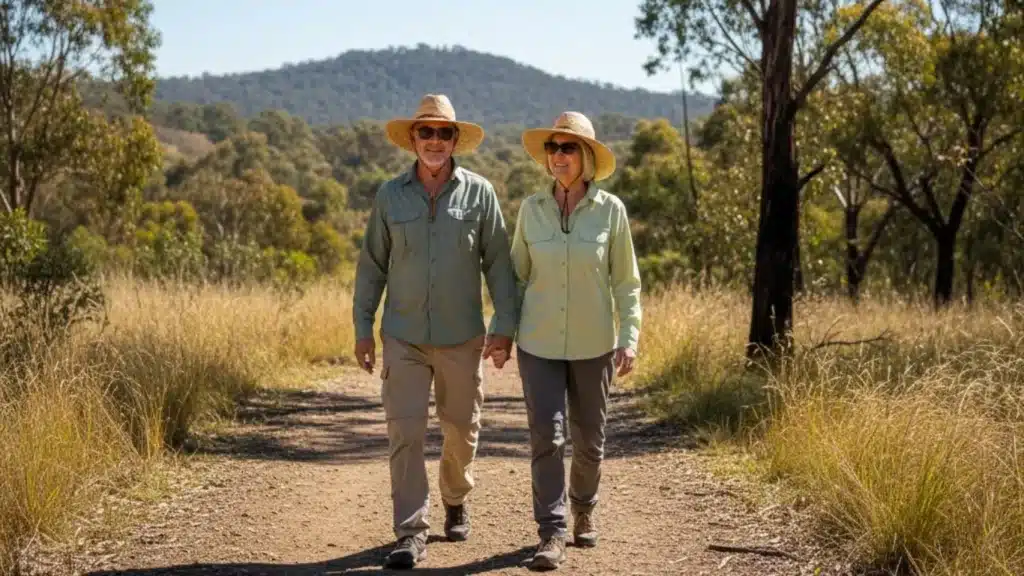
Living in Canberra provides the best of the Australian outdoor lifestyle. From their weekend hikes in Namadgi National Park to children’s sport, gardening, taking the bike and community events, much of life in the ACT takes place outdoors.
With that way of life comes high UV exposure. Australia has one of the highest rates of skin cancer in the world and the location of Canberra and clear skies can intensify the levels of ultraviolet radiation. Even on cooler days the UV levels may remain high.
The good news is that skin cancer prevention is practical, attainable and quite effective when followed on a regular basis. Small, everyday habits, when coupled with proper monitoring, can greatly reduce your lifetime risk.
This guide is about how you can protect your skin from harm, who is most at risk in the ACT and why prevention and checking are best used together.
Why Prevention is Applicable in Australia
Australia’s climate produces some very singular problems facing skin health.
Australia’s UV Reality
Ultraviolet radiation cannot be seen or felt in your skin. Many people think heat of damage is matched to UV form, but UV and temperature intensity and strength between them are not necessarily equal.
In Canberra:
- UV levels can be exceptional on even mild spring days
- Cloud cover is not completely blocked by ultraviolet rays
- High altitude Increasing exposure slightly
- Outdoor recreation is common all year round
This means skin can build up damage even when you don’t feel sunburnt.
“I Don’t Burn” Is a Myth
Many people believe that if she/he tans easily or rarely burns, she/he is protected.
Tanned skin is evidence of damage. It is an adaptation by the skin to the UV radiation. While it is true that darker skin types may be somewhat impervious to sun effects individually, they are by no means immune to skin cancer.
And low level exposure, if it’s repeated and happens over a period of time, it does add up.
Understanding Accumulated Sun Damage
Skin damage is often gradual.
Each time the UV radiation reaches your skin it has the potential to cause damage to the DNA that is found inside of skin cells. The body evolves to repair much of this damage, but over a period of decades, persistent with this change, may occur.
This is why it is common for people in their 40s, 50s and 60s to develop skin cancers related to exposure that took place years ago.
In prevention, it is not a matter of avoiding the sun. It is about minimizing with no care on unnecessary exposure and giving the skin a required protection all the time.
Risk Factors for Skin Cancer Major
Not everyone has the same degree of chance of risk. Understanding what are the risk factors makes it easy to make inceptional choices.
Sun Exposure and UV Radiation
The biggest environmental factor in Australia is ultraviolet radiation.
Good risk is associated – Good risk is associated – Higher risk is associated with:
- Frequent outdoor work
- Outdoor sporting and recreational
- History of repeated sunburn
- Use of tanning beds (now banned in Australia)
- Sun exposure over a long period of time and without protection
Even brief exposures of carefully administered intensity during the holidays as well as weekend activities can contribute to long-term risk.
Skin Type and Genetics
Some people are prone to it due to the type of skin.
Higher risk is associated with:
- Fair or freckled skin
- Light-coloured eyes
- Blonde or red hair
- Skin that burns easily
- Family history of skin cancer
However, skin cancer occurs in all types of skin. People with darker complexion may have lesions in areas that are less visible such as beneath your nails or soles of the foot.
Age, Lifestyle and Occupation
As we get older, there is more and more exposure.
Those who are at a greater risk include:
- Outdoor workers (construction, landscaping, farming)
- Sports coaches and teachers
- People who have been living in Canberra for many years and been exposed to the sun for decades
- People that spent summertimes in childhood before modern sun safety messaging
Who Is at Highest Risk
People at greatest risk have often got a number of factors combined as well; these include:
- Fair skin
- A history of severe sunburn
- Many moles
- A previous skin cancer
- A close family history
If you fall into this category, prevention and monitoring become of a special importance for you.
Daily Practices That Help Cut the Risk
Protecting your skin does not require a lifestyle change of dramatic degree. It requires consistency.
Protective Clothing
Clothing offers one of the surest sources of protection.
Choose:
- Long-sleeved clothes made of tight weave fabric
- T-shirts with or without a sleeve for the neck protection
- Longer shorts or trousers
- Rash vests when swimming
Clothing containing a high ultraviolet protection level (UPF) will provide extra protection, particularly for people who work outdoors.
Hats and Sunglasses
A broad-brimmed hat protects:
- The face
- Ears
- Neck
- Scalp
Caps are good for protection of the forehead, but leaves ears and neck uncovered.
For instance, sunglasses help to protect the sensitive skin around the eyes and help to reduce UV exposure to the eyes themselves.
Seek Shade Strategically
In Canberra, twenty percent of the UV (20 percent) is often at its highest between 10:00 AM to 3:00 PM.
Practical steps include:
- Planning at an earlier/later time outdoors to exercise
- Using shaded picnic areas
- Encouraging children to play/ be covered up in high UV times
- Taking breaks in shaded areas at the workplace
Shade sheds but not eliminate exposure. Reflection of concrete, water and sand may also contribute.
Sunscreen: Proper and Regular Application
Sunscreen plays an important role, as well, but it is best if applied properly.
Guidelines include:
- Use broad-spectrum SPF 30 or higher
- Apply 20 minutes before being outdoors
- Apply enough (approximately a teaspoon to individual limbs and one for the torso)
- Reapply every two hours
- Reapply after swimming or profuse sweating
Sunscreen should be part of a broader strategy, not the only line of defence.
Sunscreen Myths Putting People at Risk
Misconceptions surrounding sunscreen may make the sunscreen less effective.
“SPF Once a Day Is Enough”
Sunscreen is slowly destroyed by time, sweat and friction.
An obligatory application once in the morning does not offer all-day protection. Reapplication is essential especially if one is to be outdoors for extended activity.
“Cloudy Days Are Safe”
As much as 80% of UV radiation is able to pass through clouds.
Many Canberra residents are surprised to discover that it is still possible to get significant exposure on cool, overcast days.
“Tanned Skin Is Protected”
There is scant best worst natural protection that comes from having a tan, which is about the same as SPF 3.
That is not a high enough level under Australian conditions.
“I Stay Indoors Most of the Time”
Even short exposures, while walking the dog, even hanging washing, driving, make a difference doing so over years.
Prevention works best when it simply becomes a habit, and not an occasional way of living.
Why Prevention is not an Alternative to Professional Checks
Reducing exposure Dias bending is going to pay you the risk, but not two.
Prevention and Detection Work Together
There are even careful people who can develop skin cancers.
Reasons include:
- Childhood exposure prior to developing strong sun protection habits
Genetic susceptibility - Incidental UV exposure
- Damaging over a spanning of decades
Prevention reduces risk. Detection detects problems when it is easier to treat.
The Role of Monitoring on a Regular Basis
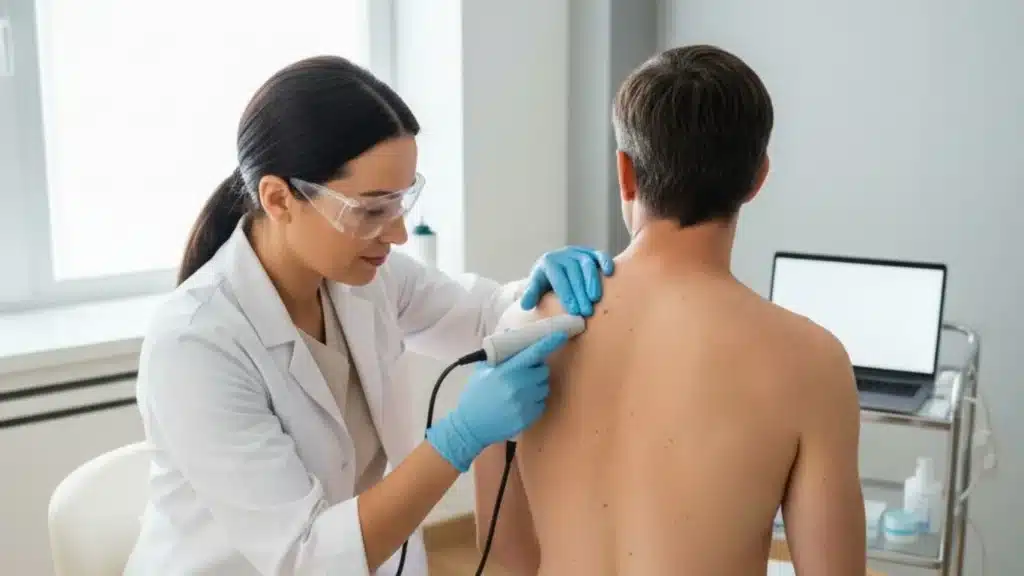
Professional skin examinations have enabled trained doctors capable of:
- Assess moles and spots regularly over a period of time.
- Compare changes over time
- Check places where patients cannot see easily
- Identify early warning signs, if any.
For a full list of skin cancer detection and skin cancer monitoring, read our article skin cancer checks Canberra.
Regular reviews allow reassurance and continuity of care, particularly for higher-risk individuals.
How Often Preventative Skin Checks Should Be Done
Frequency is important and dependent on a personal risk.
General Population
For many adults in Canberra:
- Every 1-2 years perhaps is the appropriate
- Early if a new or changing lesion is noted
Your clinician can advise an interval according to your skin type and history.
Higher-Risk Individuals
Those with:
- Previous skin cancer
- Strong family history
- Numerous atypical moles
- Symptoms of acne: Significant sun exposure in the past;
May require checks every 6-12 months.
Families with a History
If there are close relatives that have had skin cancer, it is a good idea to talk to a GP or skin focused clinic about screening so that a personalised schedule may be determined.
If you open up early, you are able to get accustomed to your own skin.
What Patients Should Expect at an Appointment
Many people put off making a reservation because they are uncertain of what they get during a check.
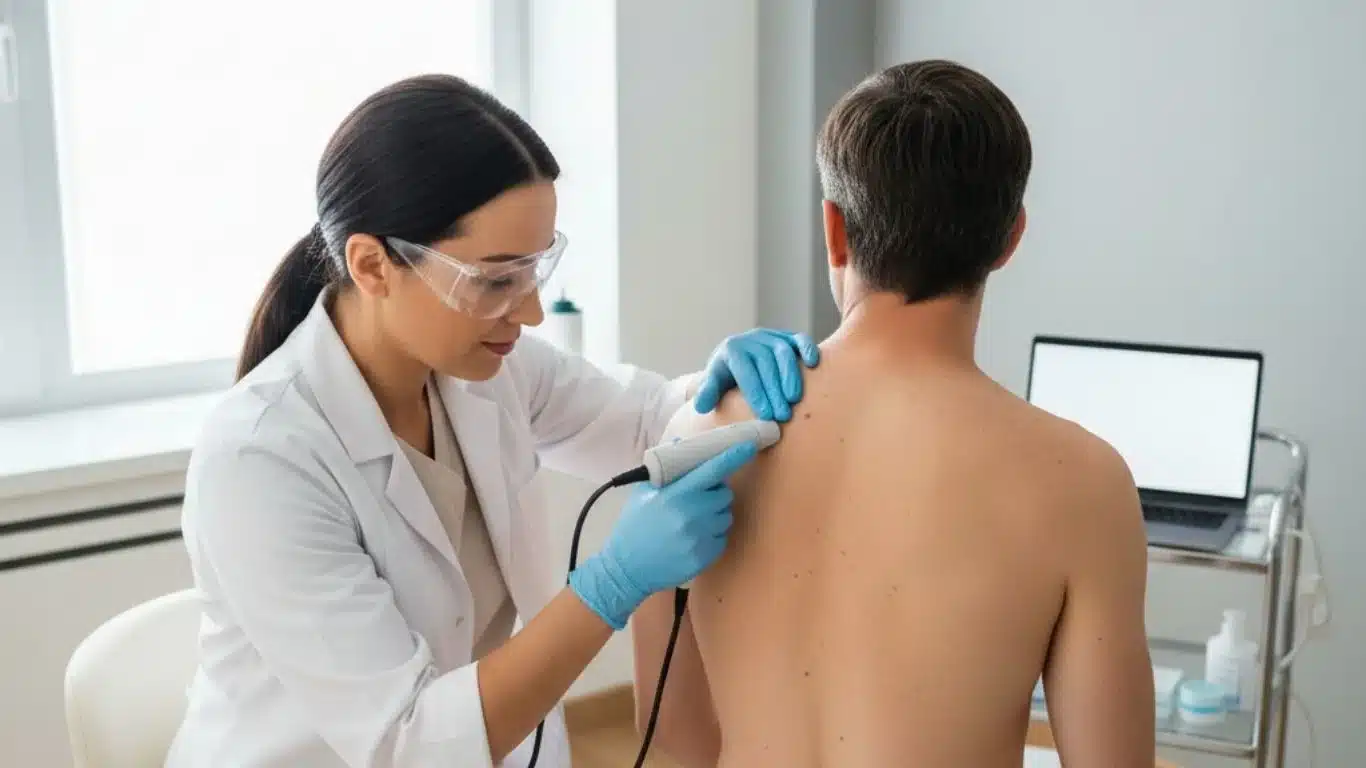
A typical visit may include:
- A discussion of your medical and sun exposure history
- A full skin examination
- Use of magnification or Dermatoscope to examine the lesions
- Marks Photographic monitoring (if needed)
- Clear advice on follow-up
The process is to be methodical and done in an honourable and comprehensive manner.
If something needs to be further assessed, then options are very clearly explained and plans for follow up are made.
Common Mistakes That Categorize Into Risks
Small assumptions can result in delay of care
Waiting Until Something Harms
Most of the early skin cancers are painless.
Waiting for discomfort, changes can be noted as later than necessary.
Assuming a Spot Is Harmless
Common thoughts include:
- “It’s just age.”
- “It’s always been there.”
- “It doesn’t look serious.”
If something changes in size, shape, colour or texture it is reasonable that you should have this checked.
Only Checking Visible Areas
Many skin cancers occur in:
- The back
- The scalp
- Behind the ears
- The backs of legs
Such areas are hard to monitor alone. Professional examinations help to make sure nothing is missed.
Canberra-Specific Considerations
High UV Levels in the ACT
Canberra gets high UV radiation levels during spring and summer. Clear skies and outdoor activities lead to more exposures.
When it is sunny during the winter, even midday sun is moderate UV.
Outdoor Lifestyle
Local culture encourages:
- Bushwalking
- Cycling
- Weekend sport
- Outdoor markets and festivals
This accumulation of exposure over years is increased by all of these activities.
Long-Term Residents
Many adults have grown up during an era when there was not as much knowledge about sun safety. There may still be an effect of the historical exposure on present-day risk.
Prevention is under no circumstances worthless in any age.
What to Seek in Canberra Based Care
When selecting where your skin should be checked, keep in mind:
Experience and Focus
Clinicians with a particular interest in skin examination and examination of lesions are often quite well equipped to detect subtle changes.
Thoroughness
When a structured, head to toe, approach is used, there is less possibility of missing an area.
Continuity of Care
Ongoing follow-up is done to be able to compare over time.
This is especially helpful to patients who have numerous moles or that already have other lesions.
Clear Communication
Patients should feel:
- Informed
- Listened to
- Reassured
- Much backed up with follow-up plans
Good care is concerned with education as well as exams.
Key Takeaways
Skin cancer prevention in Australia is necessary, as well as possible.
For Canberra residents:
- Exposure to UV is high, even on cool days
- Daily protective habits greatly reduce long-term risk
- Sunscreen is most effective when used in conjunction with clothing, hats and shade
- Prevention reduces risk but is no substitute for monitoring
- Personalised screening intervals give reassurance
Small, consistent actions today, will help protect your skin decades from now.
Frequently Asked Questions
1. How often should I experience skin checks in the Canberra residents?
For many adults in the ACT annual examination of the skin every one or two years is appropriate. Those who are at higher risk than others, and may have a previous skin cancer or come from families with many cases may benefit from being reviewed more often. A clinician can help evaluate your own risk factors and advise you to take breaks developed appropriately for your skin type and skin history.
2. Are skin checks necessary in the winter season in Canberra?
Yes. Although the temperatures are lower in winter, UV radiation reaches potentially moderate levels again during the middle of the day. Skin damage is built up over time but not just during the summer. Periodic checking all year round keeps some checks and ensures even early changes are detected whoever it is the season.
3. What if anything suspicious is found?
If your clinician is concerned that a lesion may be unusual, he or she will make the next steps clear. This may involve monitoring, photographing the area, or making a small arrangement to look more closely at the area. You will also receive information about what to expect, how long it will take to heal as well as what will happen after your operation.
4. How long does it take to get a whole body skin check done?
A thorough examination can last from 15 to 30 min, depending on the amount of moles and whether a thorough examination of certain areas is needed. The call includes discussion, examination and time to ask questions. The goal is to be thorough and at the same time not feel rushed.
5. Who is more likely to suffer from skin cancer in the ACT?
Higher risk includes people that have fair skin, a history of severe sunburn, if you have many moles, if you eventually have skin cancer or if you still have a lot of outdoor jobs. Long term Canberra residents may also be at risk, as they may have been exposed to the sun for decades. Individual matters vary too and so it helps to individualise.
Book your skin check today with Canberra Skin Cancer Clinic
Early detection saves lives. Your skin is worth checking.
| Canberra Skin Cancer Clinic- Green Way | Canberra Skin Cancer Clinic- Molonglo Valley |
| Phone: (02) 6100 9956 | Phone: (02) 5110 3155 |
| Email: reception@greenwaymedicalcentre.com.au | Email: reception@greenwaymedicalcentre.com.au |
| Address: Unit 6/175 Anketell Street, Greenway ACT 2900 | Address: 110 Woodberry Ave Coombs ACT 2611 |
| Website: https://canberraskincancerclinic.com.au/ | Website: https://canberraskincancerclinic.com.au/ |