Why Skin Cancer Risk Factors Awareness Matters in Canberra
Australia has one of the highest rates of skin cancer in the world. Our climate, lifestyle outdoors and strong ultraviolet (UV) radiation are all factors. For people living in Canberra these can be even greater risks.
The ACT experiences daily UV levels of quite some comparison of every day for half of the year. Clear skies, high altitude and long hours of daylight mean exposure to UV is often intense — even when the temperature is mild. Many residents spend their weekends hiking, gardening, watching sports, spending time outdoors with family, etc. Over time, this lifestyle follows and build-up sun damage.
Most Australians know that too much sun is bad. However, many skin cancer risk factors are subtle and often ignored. It’s not always about sunburns at the beach, it’s not always about beach holidays. Everyday habits and small exposures as well as longer term patterns is more important than most people realise.
Understanding what is putting you at higher personal risk is the first step to making informed choices for yourself and learning ways to prevent skin cancer which can be practical and manageable.
Understanding What Increases Your Risk
Skin cancer rarely occurs as a result of one event. It is often the result of gradual DNA skin cell damage over a time period of years.
Let’s understand the key contributors in lay terms.
UV Radiation: The Major Driver
Ultraviolet radiation from the sun is the most common cause of most skin cancers in Australia.
There are two major types which affect the skin:
- UVA – deep penetrating penetrating and causes ageing and long term damage
- UVB – causes sunburn, causes skin DNA direct damage
In Canberra UV levels can be high even when:
- It feels cool
- It’s windy
- It’s cloudy
- It’s winter
UV radiation is invisible and almost cannot be felt right away. That makes it easy for an underestimation.
Cumulative Exposure
Skin damage adds up.
Ten minutes here. Twenty minutes there. Walking the dog daily. Watching weekend sport. Driving with the window down. Over years these small exposures add up.
Many adults in ACT, over the age of 30, have been exposed to many decades of low level exposure and have no idea of how much this contributes to overall risk.
Genetics and Family History
If a close relative in your immediate family has had skin cancer, then your individual risk may be increased.
Genetics can influence:
- Skin sensitivity
- Mole patterns
- How is your immune system is repairing the DNA damage
However, family history is not only an element. Many Australians with no known family history still do get skin cancer also because of lifestyle and exposure to the environment.
Skin Type
Fair-skinned Australians are more prone to burning. Features that cause vulnerability include:
- Light skin
- Freckles
- Red or blonde hair
- Blue or green eyes
That being said, people with darker skin don’t escape. They may have a less risk, but UV damage may happen.
Age
The risk of this is greater as one ages as the amount of sun exposure accumulates over time. Skin cancers are more common in adults who are older than 40, but a younger adult can also have it — especially if they received a lot of sun exposure during childhood.
Immune System Factors
A weakened immune system may decrease the ability of the body to repair damaged cells. This might predispose to abnormal changes in skin.
Noticed Risk Factors Australians Ignore
Many people have associated risk with obvious sunburn. In reality, some of the most significant contributors have been as a result of everyday habits.
“It’s Cloudy, So I’m Safe” Myth
Cloud cover does not block 100 percent of the UV radiation.
As much as 80% of UV rays can penetration light cloud. In Canberra, with often bright skies even in cooler months, people tend to be deceived with underestimation of exposure.
You may not feel heat on your skin, but damage can occur.
Prevention tip:
Check the daily UV index, not just the temperature. There should be a protection if the UV index is 3 or above.
Winter Sun Exposure
Canberra winters are cold, but UV levels could also be moderate to high.
Since its comparatively mild temperature many inhabitants forget the sunscreen when they take a walk in winter or engage in sport on weekends. Snow trips to nearby alpine areas can result in TV exposure to even higher UV exposure because of reflection.
Why it matters:
Consistent exposure, year after year, adds up. Skin does not “reset” in winter.
Prevention tip:
Use sunscreen in the winter when the UV level is higher, especially while undertaking outdoor activities.
Hobbies to do Outside and Weekend Sport
Canberra has a great outdoor culture.
Common exposures include:
- Bush-walking in Namadgi National Park
- Children’s sport
- Golf
- Cycling
- Gardening
- Outdoor markets and events
And even if the exposure on weekdays is low, weekend activities may be of great importance.
There are also numerous outdoor workers in the ACT who are exposed on a daily basis as a result of construction, landscaping, road work, and delivery services.
Prevention tip:
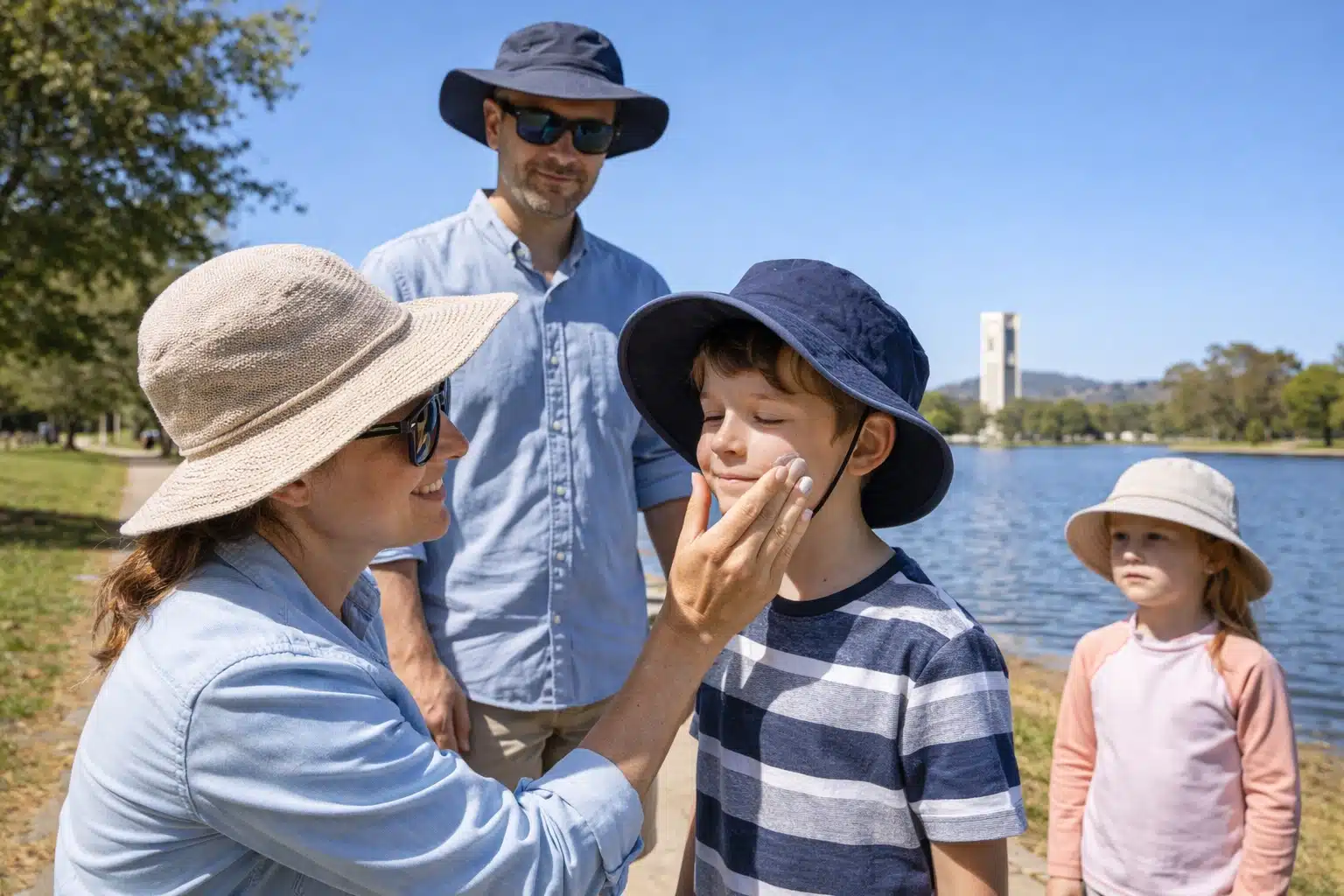
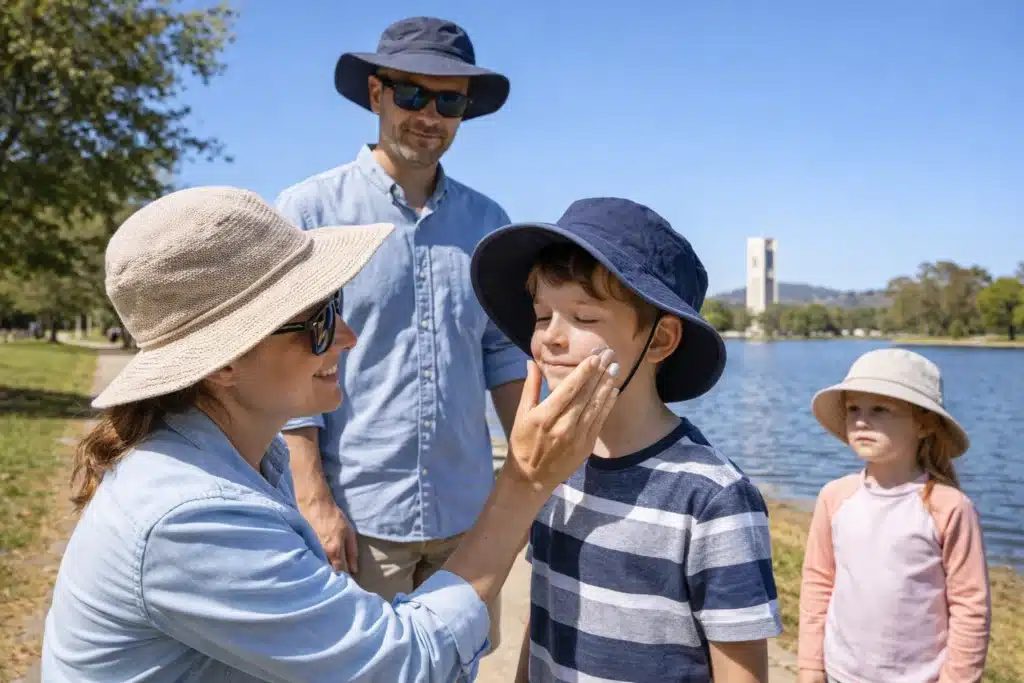
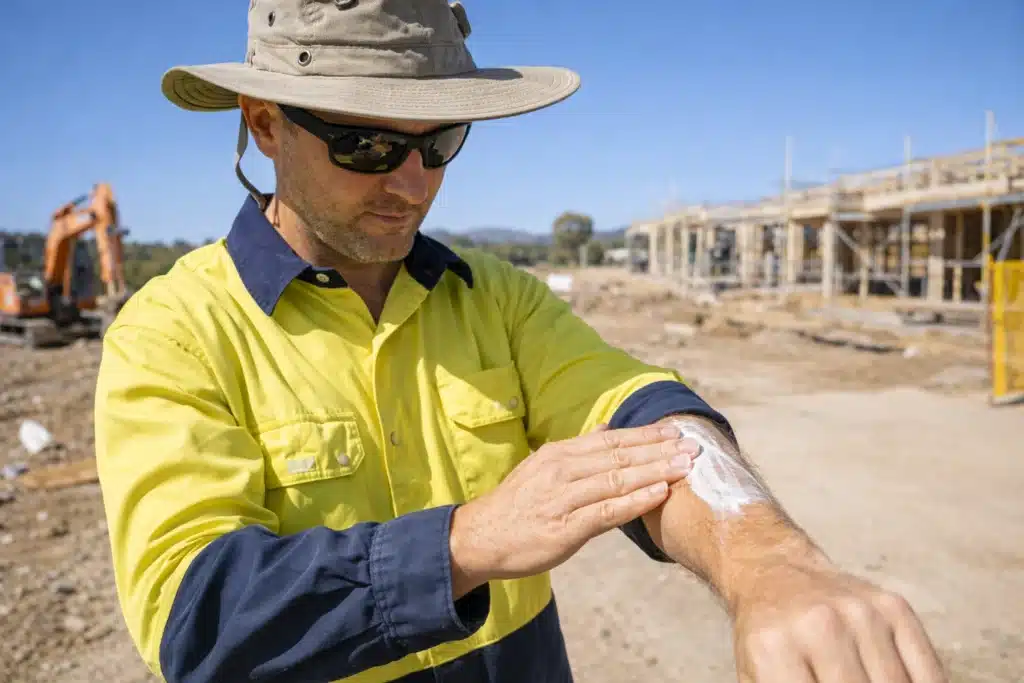
Wear wide-brimmed hats, clothes that provide UV protection and reapply your sunscreen every two hours when you will be out in the sun for extended periods of time.
Childhood Sunburn History
The long-range reason is to ensure individuals be aware of the consequences of having sunburns.
Children’s skin to UV radiation is more sensitive than adult’s skin. Damage incurred throughout the early years can establish the basis of change evident decades later.
Parents in Canberra do often focus the protection of child now, which is excellent. However, adults who have grown up in the 1980s and 1990s might not have had the same level of awareness.
Prevention tip:
If you had been prone to sunburn as a child then consider getting your skin checked regularly as an adult.
Tanning During Youth
A tan often precautions itself as a sign ofwhiteness. In reality tanning signifies skin damage.
Many Australians spent years willfully tanning as a teenager or young adult. Even if there is no burning, when one experiences tanning, there is injury to the cells caused by UV exposure.
Over time, repeated tanning also increases the probability of the growth of abnormal cells.
Not Reapplying Sunscreen
Applying sunscreen once during the morning is not enough if your outdoor exposure last for a longer period of time.
Sweating and swimming as well as friction from clothing decrease effectiveness.
Common mistake:
Applying too little product.
Adults normally require roughly a teaspoon’s worth of preparations per body area (face, each arm, each leg, and torrific both front and back).
Seeing a Cultural Decline on the Scalp, Ears and Lips
Some of the areas that are missed the most are:
- Ears
- Back of the neck
- Scalp (particularly thinning hair)
- Lips
- Tops of feet
These areas are commonly high-exposure areas and are overlooked during the application of sunscreen.
Lip cancers and lesions on the ears tend to be found in significant accumulation of sun.
Assuming the Risk is all about Family History
Some Australians think that without any family history, they will not get skin cancer.
In fact, environmental exposure is far more important in the life of most people in Australia.
Without genetic predisposition, although UV exposure in the ACT for many years can contribute to increased risk significantly.
Canberra-Specific Considerations
Living in Canberra means there are some unique environment factors.
Higher Altitude
The city of Canberra is at a higher elevation than many coastal cities. UV radiation also increases with altitude because there is less atmosphere to filter the radiation.
This can mean a higher intensity of UV radiations against as compared to sea-level locations.
Clear Skies
The ACT is often subject to clear dry conditions. Less clouds and therefore less natural filtering of UV.
Even in autumn and spring the UV levels can be high.
Outdoor Culture
Some of the values that are common to people in Canberra include: The value of outdoor recreation:
- Walking trails
- Lake activities
- Community events
- School sport
There is a large list of benefits to this healthy lifestyle. However, if the sun protection is not consistent, the build-up of long term exposure is created.
Many of the long-term ACT residents exhibit signs of cumulative sun damage by their 40s and 50s – and with little recollection of often severe sunburns.
How to Reduce Risk without Fear
To understand risk should be a felt empowering way of relating to the world rather than an alarming one.
It is the small daily habits that give a big difference in the long run.
Practical Protection Strategies
Use Sunscreen Correctly
- Choose SPF 30+ or higher
- Put on 20mins before going into the sun
- Reapply every two hours
- Use enough to allow for proper coverage of exposed areas
Wear Protective Clothing
- Long sleeves
- Tightly woven fabrics
- Wide-brimmed hats
- Ultraviolet shade sunglasses (Sunglasses with UV protection)
Clothing offers uniform protection which does not wear off.
Seek Shade Strategically
Shade reduces direct exposure especially between 10am and 3pm when UV usually is high in Canberra.
Protect Children Early
Habits developed in childhood tend to persist in adulthood.
Encouraging hats, sunscreen and shade during sport may be useful for decreasing inter cumulative lifetime exposure.
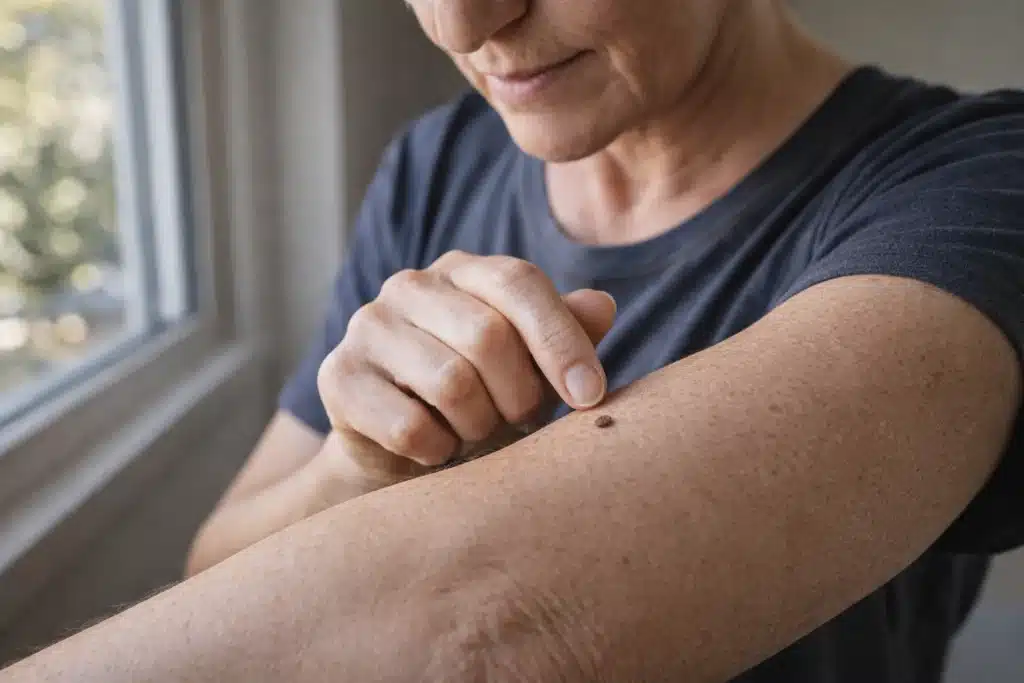
Monitor Your Skin
Look for:
- New spots
- Changing moles
- Sores that do not heal
- Lesions that bleed easily
You do not need to do any kind of diagnosis by yourself. Awareness only gives you the opportunity to do the assessment earlier.
These are the steps that will help prevent skin cancer over a period of time.
When to Get a Professional Skin Check
It is important as a part of prevention to do regular checks on the skin.
You might want to get a professional skin assessment if you:
- Are over 30 and are living in Australia
- Have fair skin
- Work outdoors
- Have had frequent exposure to the sun
- Sunburn that was experienced in childhood
- Notice new or changing spots
Many people in Seattle/particular understanding (they grow many adults down in Canberra) are entitled to have periodic checkups, benchmarked, average, even where there are no symptoms.
Early detection enables abnormalities to be detected when they are smaller, and easier to deal with.
Dependence on the individual risk depends on the frequency. Some people will benefit from regular checks made annually. Others that are at higher risk may need to be more frequently monitored.
If you are uncertain about the extent of your risk, consulting a healthcare professional can help make things clear.
Our skin cancer prevention guide gives explanations of how these risks can be managed.
Summary: Key Takeaways
Many of the risk factors are not dramatic, nor are they obvious. They are constructed silently though time.
Most ignored risks include:
- Winter sun exposure
- Cloudy-day exposure
- Childhood sunburn
- Weekend outdoor activities
- Inconsistent sunscreen use
- Forgotten areas, such as ears and scalp
- Long-term cumulative damage
Simple preventative habits:
- Check daily UV levels
- Use sunscreen correctly
- Wear protective clothing
- Seek shade during peak UV
- Monitor your skin regularly
- Book professional skin checks – if appropriate
Knowing your way out means you can freely and practically prevent skin cancer.
Frequently Asked Questions
1. Are fair-skinned humans the only ones who are at risk?
No. Fair-skinned Australians tend to burn more easily and hence the risk is greater. However, people who have darker skin and people can still suffer damage from UV. In Canberra’s high UV environment, there should be a benefit of protection from either sun for all. Skin type affects degree of risk, but no one is totally impervious to cumulative sun exposure.
2. Is there a higher risk of living in Canberra?
Canberra’s higher elevation and clear skies can contribute to increased UV exposure compared to some coastal areas. Combined with an active outdoor lifestyle, this may subject one to more cumulative sun damages over time. Long term ACT residents are particularly important to protect and monitor for consistent protection.
3. How should Australian Check up How often should Australians as skin check?
Many adults over the age of 30 have a skin check every 12 months which a professional skin care professional is reasonable. Those with greater risk — such as outdoor workers or those who have sunburn history — may benefit from more frequent assessment. A healthcare provider can help you recommend a schedule based on your own risk profile.
4. Can skin cancer be developed without the obvious symptoms of sun burning?
Yes. Although it is likely that a severe sunburn raises the risk, a considerable amount of skin cancers develop from repeated low level exposure over time. You may not remember burning. Gradual exposure without any dramatic symptoms can occur with regular daily exposure over sport, gardening or even when commuting.
5. So is sunscreen sufficient in preventing skin cancer?
Sunscreen is an important tool, but when already using it, the best way to use it is to do so with other protective clothing and shade along with regular skin checking. When more is applied and reapplied when outdoors, reapplication every two hours leads to greater effectiveness. When a layered approach is followed, there will be a more reliable long-term protection.
Staying informed about overlooked skin cancer risk factors helps Canberra residents make confident, practical decisions. With good habits and early detection, the cumulative damage can be minimised and long term skin health in Australia’s high UV environment can be supported.