
Skin cancer remains one of the most common health concerns in Australia, and regular skin checks are an important part of early detection. However, many people delay booking an appointment because they are unsure about the process. One of the most common questions patients ask is whether they need a referral before arranging a Skin Cancer Check in Canberra.
Understanding how referrals work can help reduce confusion and encourage earlier screening. In many cases, patients can book directly with a clinic without seeing another doctor first. However, there are situations where referrals may still be useful or necessary, depending on the type of care required.
This guide explains when referrals are needed, how skin cancer clinics operate in Canberra, and what patients should know before booking a skin examination.
Why Skin Cancer Checks Are Important in Canberra
Australia’s High Skin Cancer Rates
Australia is one of the highest skin cancer societies in the world. Canberra has high levels of UV exposure at all times of the year.
Exposure to UV radiation for a long time can lead to higher risk of:
- Basal cell carcinoma
- Squamous cell carcinoma
- Melanoma
Regular check-up appointments at skin check canberra will help to notice abnormal skin changes in the early stages.
What is a Skin Cancer Check?
Understanding the Examination Process
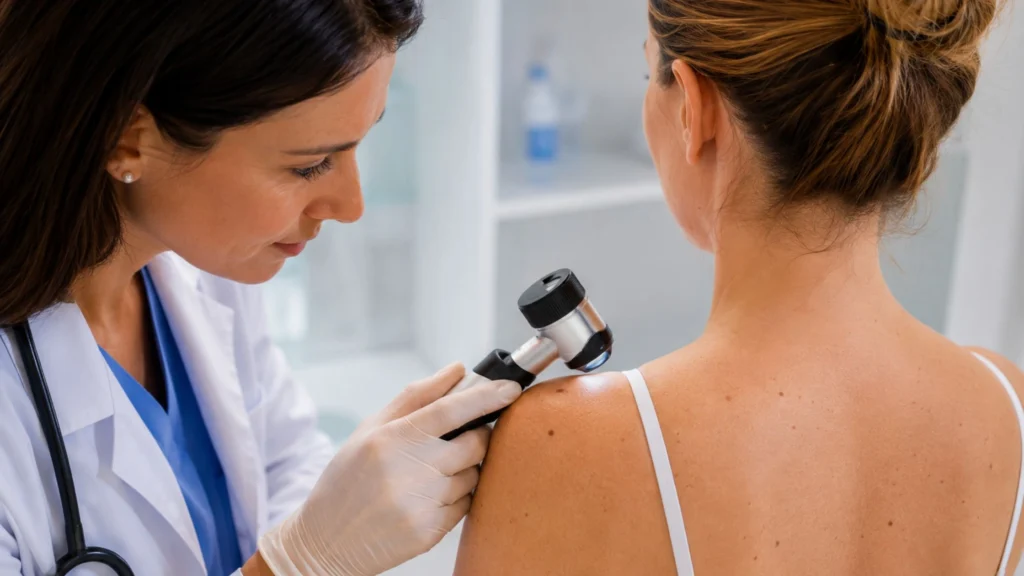
Skin cancer check is a medical assessment of the skin to determine if there are any suspicious or unusual moles, or early signs of skin cancer.
A doctor will be able to:
- Review medical history
- Visually inspect the skin
- Use dermoscopy tools
- Assess changing moles
- Recommend monitoring, or biopsy if necessary
Digital mole mapping and photographic monitoring can also be offered by some clinics.
Do You Need a Referral for a Skin Cancer Check in Canberra?
In Most Cases, No Referral Is Required
Many patients can book directly with a skin cancer clinic canberra without obtaining a referral from a general practitioner.
When booking a direct ticket, it is easy to book:
- Routine skin checks
- Mole assessments
- Preventive screenings
- Follow-up skin examinations
This enables patients to schedule an appointment promptly when they see something suspicious on their skin.
Why Some Patients Think Referrals Are Necessary
Confusion Around Specialist Medical Services
Some individuals think that referrals are required as specialist medical appointments usually need them.
But there are many skin cancer clinic canberra providers that run as primary health care services and patients are able to book their own appointments.
There can be confusion for the following reasons:
- Dermatologists may request referrals
- The public healthcare pathways are different
- Be aware that Medicare coverage is different for some specialist services
It is crucial to know the difference between a skin clinic and a specialist referral.
When a Referral May Be Helpful
Situations Where Referrals Can Be Useful
Usually referrals are not required for routine examinations but can be useful in certain cases.
Referral Situations May Include:
- Complex melanoma management
- Advanced surgical treatment
- Specialist dermatology care
- Ongoing hospital treatment
- Public specialist waiting lists
Depending on your condition, your GP may refer you onto pathways.
Understanding Different Types of Skin Clinics
General GP Clinics
Basic skin checks and assessment of lesions may be offered at some general medical practices.
These clinics can offer:
- Routine examinations
- First evaluations of skin cancer
- Basic biopsy services
Some patients, however, prefer the clinics that specialize in the treatment of skin cancer.
Dedicated Skin Cancer Clinics
A specialist skin cancer clinic canberra can help with the following:
- Full-body skin checks
- Mole mapping
- Dermoscopy imaging
- Surgical procedures
- Long-term monitoring
Early detection and prevention may be key aspects of these clinics.
What Happens During a Skin Cancer Check?

Step 1: Medical History Review
The doctor may ask questions about:
- Family history of skin cancer (melanoma)
- Previous skin cancers
- Sun exposure habits
- Moles or lesions change in appearance
This can help you determine your level of risk.
Step 2: Skin Examination
The doctor carefully checks the skin for any suspicious looking lesions.
Areas Commonly Checked Include:
- Face and scalp
- Arms and hands
- Legs and feet
- Back and shoulders
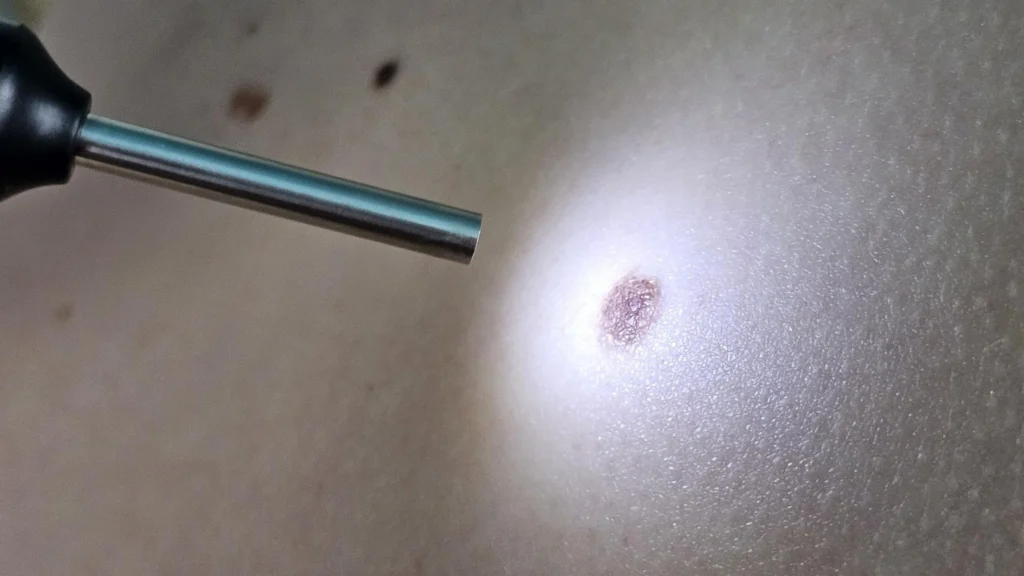
The dermatoscope can be used to enlarge lesions so that they can be looked at more closely.
Step 3: Recommendations and Follow-Up
If any of the following is found, the doctor may recommend:
- Routine monitoring
- Mole photography
- Biopsy procedures
- Additional follow-up appointments
An early evaluation can make a big difference in the outcome of treatment.
Why Early Detection Matters
Detecting Skin Cancer Early Improves Outcomes
Many forms of skin cancer are easier to treat when found early.
Benefits of early detection may include:
- Smaller surgical procedures
- Reduced scarring
- Simpler treatment plans
- Lower risk of spread
- Better long-term outcomes
Regular Skin Cancer Check in Canberra appointments help support early diagnosis.
Who Should Arrange Regular Skin Checks?
High-Risk Groups
Some people face a higher risk of developing skin cancer and may benefit from routine monitoring.
Higher-Risk Individuals Include:
- Fair-skinned people
- Outdoor workers
- Individuals with many moles
- Patients with previous skin cancer
- People with a family history of melanoma
Doctors may recommend more frequent screening for these groups.
Common Signs That Should Not Be Ignored
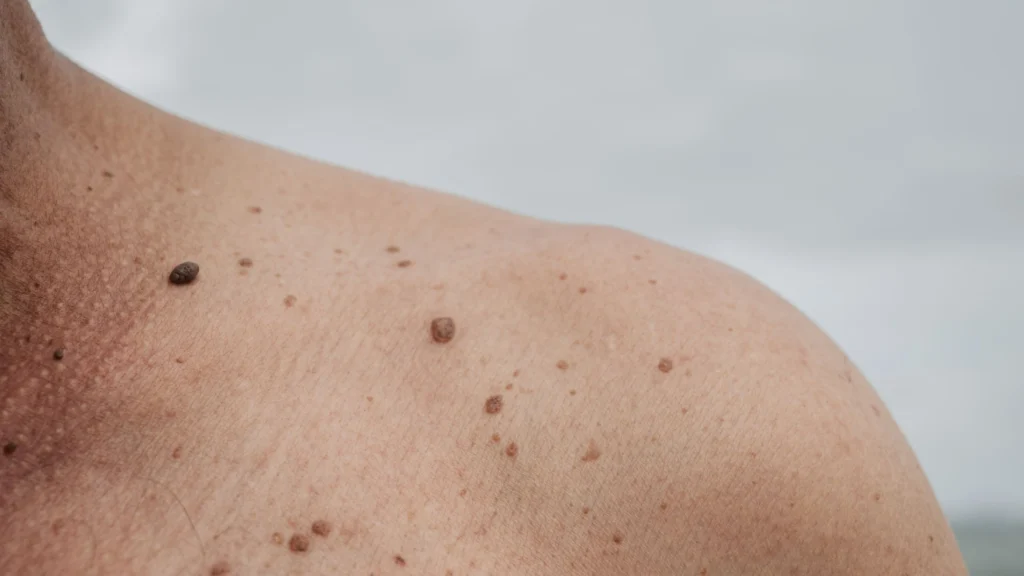
Warning Signs of Skin Cancer
Patients should seek medical assessment if they notice:
- New moles
- Bleeding spots
- Persistent sores
- Irregular borders
- Colour changes
- Rapidly growing lesions
Even small changes should be professionally evaluated.
Understanding Different Skin Cancer Types
Basal Cell Carcinoma
Basal cell is the most prevalent type of skin cancer.
Possible Symptoms Include:
- Pearly bumps
- Pink patches
- Slow-growing sores
It is a slow grower but treatments are still required.
Squamous Cell Carcinoma
If left untreated, squamous cell carcinoma can progress.
Common Signs Include:
- Thickened skin
- Crusting lesions
- Tender growths
Early diagnosis leads to better treatment.
Melanoma
Melanoma is the most serious type of skin cancer.
Melanoma Warning Signs Include:
- Uneven pigmentation
- Irregular shape
- Rapid mole changes
- Multiple colours
It is very important to assess the events as soon as they take place.
How Often Should You Have a Skin Check?
Screening Frequency Depends on Risk
The optimum timing is different for different patients.
General Guidelines
- People who are not as high risk: once every 1–2 years
- Patients with moderate risk: annual surveillance
- All other people: at least annually
Only a professional doctor can advise on the best timing.
What Should You Bring to a Skin Check Appointment?
Helpful Items to Bring
Patients can bring:
- Medicare details
- Previous biopsy reports
- Medication lists
- Images of changing lesions
A little preparation can help with the appointment process.
Does Medicare Cover Skin Cancer Checks?
Medicare Rebates May Apply
Medicare may provide rebates for eligible skin examinations and procedures.
However, costs can vary depending on:
- Clinic billing policies
- Consultation type
- Procedure complexity
- Whether biopsies are required
Patients should ask clinics directly about expected fees and rebates.
What If You Need Further Treatment?
Additional Care After Diagnosis
If skin cancer is diagnosed, the doctor may recommend further care such as:
- Surgical excision
- Cryotherapy
- Curettage
- Mole monitoring
- Specialist referral
Some clinics provide comprehensive Skin Cancer Treatment Canberra services on-site.
Do Dermatologists Require Referrals?
Specialist Referral Requirements
Unlike many skin cancer clinics, dermatologists often require referrals from a GP.
This may depend on:
- Private or public healthcare pathways
- Medicare eligibility
- Specialist clinic policies
Patients should contact the clinic directly if unsure about referral requirements.
How Technology Has Improved Skin Cancer Detection
Modern Diagnostic Tools
Many clinics now use advanced technology to improve screening accuracy.
Common Technologies Include:
- Digital dermoscopy
- Mole mapping systems
- High-resolution lesion imaging
- AI-assisted analysis
These tools help identify subtle skin changes earlier.
Preventing Skin Cancer Between Appointment
Daily Prevention Habits
Reducing UV exposure remains essential for long-term skin health.
Helpful Prevention Tips
- Apply SPF 50+ sunscreen
- Wear protective clothing
- Use wide-brimmed hats
- Seek shade during peak UV hours
- Perform monthly self-checks
Professional skin checks and preventive habits work together.
Choosing the Right Skin Cancer Clinic in Canberra
Important Factors to Consider
Before booking an appointment, patients should compare:
- Doctor qualifications
- Technology available
- Appointment availability
- Follow-up care systems
- Experience in skin cancer medicine
To learn more about this topic, see our complete guide on How to Choose the Best Skin Cancer Clinic Canberra.
Why Some People Delay Skin Checks
Common Concerns
Patients sometimes postpone appointments because of:
- Fear of diagnosis
- Uncertainty about referrals
- Concerns about cost
- Anxiety about procedures
However, early assessment is often simpler and more effective than delayed treatment.
When to Seek Urgent Medical Attention
Immediate Assessment May Be Needed If You Notice:
- Rapidly changing lesions
- Bleeding moles
- Non-healing sores
- Severe skin irritation
- Sudden colour changes
Prompt professional advice is always recommended.
The Importance of Ongoing Monitoring
Skin Cancer Risk Can Continue Over Time
Patients who have had previous skin cancers may remain at increased risk of future lesions.
Ongoing monitoring may include:
- Regular examinations
- Mole photography
- Follow-up reviews
- Preventive education
Long-term skin surveillance supports earlier detection.
FAQs
Q1. Do I need a GP referral for a Skin Cancer Check in Canberra?
In most cases, no referral is required for a routine skin cancer check. Many Canberra skin cancer clinics allow patients to book appointments directly. Referrals are more commonly needed for specialist dermatology care or complex treatment pathways. Patients can contact the clinic directly to confirm their booking requirements before scheduling an appointment.
Q2. Can I book a skin check even if I do not have symptoms?
Yes. Many people arrange routine skin examinations even when they do not notice obvious skin changes. Skin cancer can sometimes develop silently, making preventive checks important for early detection. Patients with high sun exposure, fair skin, or a family history of melanoma may particularly benefit from regular monitoring appointments.
Q3. What happens if the doctor finds a suspicious mole?
If the doctor identifies a concerning lesion, they may recommend monitoring, photographing, or performing a biopsy. A biopsy involves removing a small sample of tissue for laboratory testing. Results help determine whether the lesion is cancerous and whether additional Skin Cancer Treatment Canberra services may be required for further management.
Q4. Are skin cancer checks painful?
Most skin checks are painless and non-invasive. The doctor visually examines the skin using specialised tools such as dermoscopy equipment. If a biopsy or minor procedure is necessary, local anaesthetic is usually used to reduce discomfort. Recovery from small skin procedures is generally straightforward for most patients after treatment.
Q5. How often should I have a skin check in Canberra?
The ideal frequency depends on your individual risk factors. People with fair skin, previous skin cancer, many moles, or high sun exposure may require checks every 6–12 months. Lower-risk individuals may only need examinations every one to two years. A doctor can recommend a personalized schedule based on your history.
Conclusion
Understanding whether you need a referral for a Skin Cancer Check in Canberra can make the booking process simpler and less stressful. In many situations, patients can arrange appointments directly with a clinic without needing a referral from another doctor.
Regular skin monitoring remains one of the most effective ways to support early detection and reduce the impact of skin cancer. If you notice unusual skin changes or have concerns about sun damage, seeking professional advice early is always recommended.
Do You Need a Referral for a Skin Check?
Noticing a new mole or unusual skin change? Book your professional Skin Cancer Check in Canberra today for early detection, expert assessment, and trusted skin health advice.
| Canberra Skin Cancer Clinic- Green Way | Canberra Skin Cancer Clinic- Molonglo Valley |
| Phone: (02) 51046409 | Phone: (02) 51046409 |
| Email: reception@greenwaymedicalcentre.com.au | Email: reception@greenwaymedicalcentre.com.au |
| Address: Unit 6/175 Anketell Street, Greenway ACT 2900 | Address: 110 Woodberry Ave Coombs ACT 2611 |
| Website: https://canberraskincancerclinic.com.au/ | Website: https://canberraskincancerclinic.com.au/ |