

Many people notice a changing mole or unusual skin spot and immediately begin searching for a mole check near me. Others book routine skin examinations without understanding the different types of appointments available. One of the most common questions patients ask at a skin cancer clinic canberra is whether they need a simple mole check or a complete full skin check.
Although the two appointments may sound similar, they serve different purposes. A mole check focuses on one or several specific lesions, while a full skin check involves examining the entire body for signs of skin cancer. Understanding the difference can help patients choose the most appropriate examination for their individual needs.
This guide explains how mole checks and full skin checks work, when each type of appointment is recommended, and why early detection remains important for people living in Canberra.
Why Skin Checks Matter in Canberra
Australia’s High Skin Cancer Risk
Australia still has one of the world’s highest rates of skin cancer. The level of UV exposure is high for Canberra residents for much of the year which poses a risk of exposure causing skin damage.
Exposure to UV for a prolonged period can lead to:
- Basal cell carcinoma
- Squamous cell carcinoma
- Melanoma
Following up at a professional Mole Check Clinic or Skin Cancer Clinic Canberra can help to catch and treat any moles or skin cancers at an early stage.
Understanding the Purpose of Skin Checks
Early Detection Is the Main Goal
The Mole Check vs Full Skin Check are both aimed at looking for potentially troublesome changes to your skin before it gets worse.
Doctors look for:
- Abnormal moles
- Irregular pigmentation
- Non-healing lesions
- Early melanoma signs
- Sun damage
Early diagnosis can make treatment more effective and help to lessen the severity of future treatments.
What Is a Mole Check?
A Focused Examination of Specific Spots
A mole check typically involves a single specific skin lesion or several specific lesions of concern to the patient or doctor.
Typically, patients ask for a mole check when they see:
- A changing mole
- New pigmentation
- Bleeding spots
- Irregular borders
- Colour changes
The doctor uses a special piece of equipment to look closely at the area.
What Happens During a Mole Check?
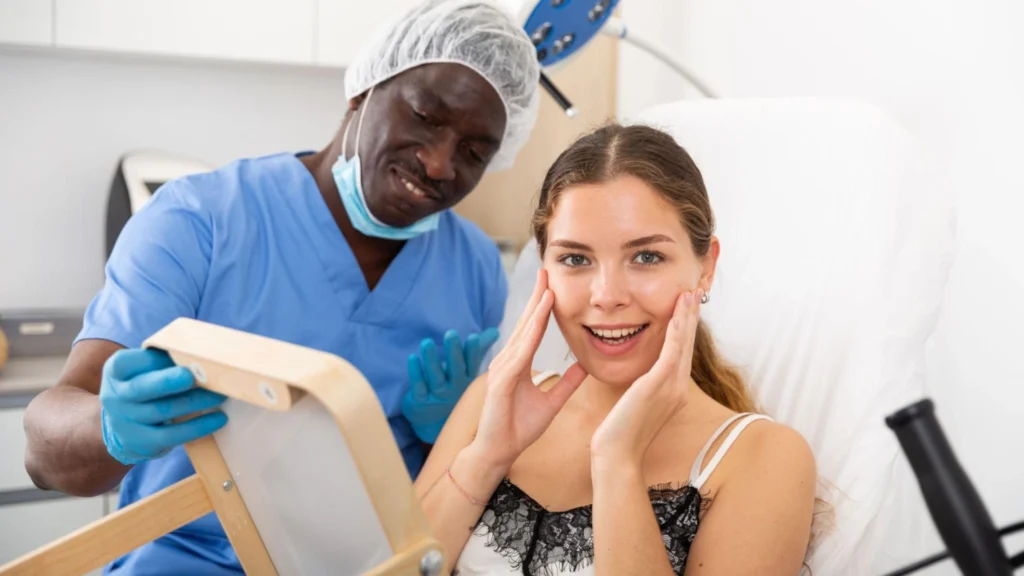
Step 1: Discussion of Symptoms
The doctor poses questions about the mole or lesion.
Questions May Include:
- What is the length of time that the mole was changed?
- Has it grown itchy and painful?
- Does it have blood or crusts?
- Has the colour been recently changed?
This information will be useful in deciding the degree of concern.
Step 2: Dermoscopy Examination
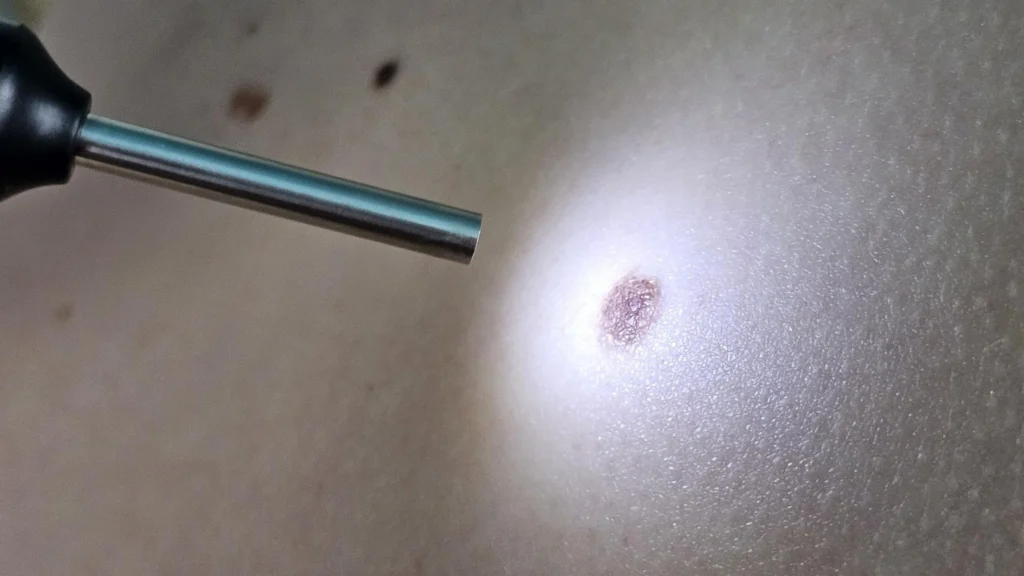
The dermoscopy technology is employed by many clinics to enlarge and examine suspicious lesions in detail.
Dermoscopy Helps Identify:
- Pigment irregularities
- Asymmetry
- Border changes
- Abnormal blood vessel formation
Improved diagnostic accuracy through advanced imaging.
Step 3: Recommendations
The doctor may suggest:
- Monitoring the mole
- Photographing the lesion
- Performing a biopsy
- Removing the mole
If a cancer diagnosis is suspected, further investigations might be needed.
What Is a Full Skin Check?
A Comprehensive Examination of the Entire Body
A skin check is more thorough than a mole check appointment.
A doctor does a complete exam of the skin, checking for any abnormal lesions or skin cancers over the entire body during a full skin exam.
This method aids in uncovering suspicious areas that a patient won’t detect on their own.
What Areas Are Examined During a Full Skin Check?
Comprehensive Body Assessment
A full assessment might involve:
- Face and scalp
- Neck and ears
- Chest and abdomen
- Back and shoulders
- Arms and hands
- Legs and feet
There are some skin cancers that form in skin areas that the patient does not look at often.
Why Full Skin Checks Are Important
Skin Cancer Can Appear Anywhere
Many people think that it is only exposed or visible skin areas that are at risk. But, melanoma and other skin cancers can manifest in places that are hard to see.
Occasionally, doctors will discover abnormal growths or tumors in the following areas:
- Scalp regions
- Back areas
- Soles of the feet
- Under nails
A thorough examination improves the odds for early detection.
Mole Check vs Full Skin Check: The Main Differences
Key Differences Between the Two Appointments
Mole Check
- Focuses on one or several specific lesions
- Usually shorter appointments
- Ideal for isolated concerns
- Limited body examination
Full Skin Check
- Involves examination of the entire body
- Broader cancer screening approach
- Identifies unnoticed lesions
- Recommended for ongoing monitoring
Both services play an important role in preventive skin care.
Which Type of Appointment Should You Choose?
When a Mole Check May Be Suitable
If any of the following apply, consider a mole check:
- It is an eye-catching change in the lesion
- You’ve recently uncovered a new mole
- You’re looking for a particular location to be evaluated promptly
People frequently look for Mole Check Near Me when they have actually been concerned about any type of skin modification.
When a Full Skin Check May Be Better
A full skin examination may be recommended if you:
- Have many moles
- Take plenty of time to be outside
- Have had skin cancer in the past
- Have fair skin
- Be a family member of someone with melanoma
More extensive evaluations may give increased peace of mind for people at higher risk.
Who Is Considered High Risk for Skin Cancer?
Common Risk Factors
Certain individuals are at a greater risk of developing skin cancer due to their genetics, lifestyle or past exposure to the sun.
Higher-Risk Groups Include:
- Fair-skinned individuals
- Outdoor workers
- Anyone who has been frequently burned in the sun
- People with a high number of moles or freckles
- Patients who have a family history of melanoma
These groups are usually advised to have regular Skin Cancer Checks Canberra appointments.
Warning Signs You Should Never Ignore
Common Symptoms of Suspicious Skin Lesions
You should seek professional assessment if you notice:
- Changes in size or shape
- Uneven borders
- Multiple colours
- Persistent itching
- Bleeding spots
- Non-healing sores
Even small changes can sometimes indicate early skin cancer.
Understanding the ABCDE Rule for Melanoma
A Helpful Self-Check Method
Doctors often use the ABCDE rule when assessing suspicious moles.
- A – Asymmetry: One half of the mole looks different from the other.
- B – Border: The edges appear irregular or uneven.
- C – Colour: The lesion contains multiple shades or unusual pigmentation.
- D – Diameter: The mole appears larger than usual.
- E – Evolving: The lesion changes over time.
Any of these warning signs should be assessed professionally.
Common Types of Skin Cancer Found During Skin Checks
Basal Cell Carcinoma
Basal cell carcinoma is the most prevalent type of skin cancer.
Common Features Include:
- Pearly bumps
- Pink patches
- Slow-growing sores
While typically slow growing, treatment is still necessary.
Squamous Cell Carcinoma
If left untreated, squamous cell carcinoma can spread.
Possible Symptoms Include:
- Crusting lesions
- Thickened skin
- Tender growths
Routine examinations aid better early detection.
Melanoma
Melanoma is the most serious skin cancer type.
There are 5 types of melanomas that can present themselves:
- Dark irregular spots
- Rapidly changing moles
- Uneven pigmentation
- Multi-coloured lesions
Early diagnosis is very important and will make outcomes better.
How Often Should You Have a Full Skin Check?
Recommended Screening Frequency
The best screening plan will vary based on your personal risk assessment.
General Guidelines
- Low risk: 1 to 2 times per year
- Moderate risk: annual monitoring
- High risk: every 3–6 months
A physician can make a recommendation as to an appropriate monitoring plan.
Can a Mole Check Turn Into a Full Skin Check?
Sometimes Additional Examination Is Recommended
When the doctor notices the mole is showing any concerning skin changes, they may be able to extend the mole check appointment into a more thorough check.
This allows one to detect any other lesions that may go overlooked.
What Technology Is Used During Skin Checks?
Modern Diagnostic Tools
Many clinics today take advantage of cutting edge technology to ensure they are more accurate in their assessment.
Common Technologies Include:
- Dermoscopy
- Digital imaging
- Mole mapping
- High-resolution photography
Technology aids doctors to track lesions over time more effectively.
The Role of Mole Mapping
Long-Term Monitoring of Moles
Mole mapping uses photography and time to track mole skin lesions.
Mole Mapping Is Often Recommended For:
- Patients who have numerous moles
- High-risk individuals
- People with previous melanoma
Digital comparison can sometimes be used to detect changes that may happen earlier.
What Happens If a Suspicious Mole Is Found?
Further Investigation May Be Needed
The doctor might suggest other tests if he or she thinks skin cancer is likely, such as:
- Biopsy testing
- Mole removal
- Ongoing monitoring
- Surgical excision
The use of treatment is dependent upon the type and severity of the lesion.
Why Patients Delay Skin Checks
Common Reasons People Postpone Appointments
Some individuals put off screening because they:
- Are uncertain about symptoms
- Fear diagnosis
- Assume that the mole is harmless
- Assume that there is no need for checks
But, many skin cancers grow slowly and pain-free.
Preventing Skin Cancer Between Appointments
Everyday Prevention Strategies
Taking care of your skin is always important.
Helpful Prevention Tips
- Wear SPF 50+ sunscreen
- Use protective clothing
- Stay out of the sun during the hours of maximum UV levels
- Wear wide-brimmed hats
- Perform monthly self-checks
Regular examinations and routine prevention go hand in hand.
Choosing the Right Clinic in Canberra
Important Factors to Consider
Choose a clinic that offers:
- Doctor qualifications
- Technology available
- Mole mapping services
- Follow-up systems
- Practical experience with skin cancer treatments
For more information on this topic follow our full guide on How to Pick the Best Skin Cancer Clinic in Canberra.
Why Professional Skin Checks Matter
Self-Checks Alone Are Not Enough
Self-monitoring is helpful, but professional skin exams are necessary.
Doctors may identify:
- Hidden lesions
- Early melanoma changes
- Subtle pigment abnormalities
- Parts that are hard to examine yourself
It is also supported by regular appointments for more accurate diagnosis.
When to Book an Appointment Immediately
Seek Medical Advice If You Notice:
- Rapidly changing moles
- Bleeding skin lesions
- Persistent sores
- Sudden colour changes
- Painful or itchy spots
Early assessment is always safer than waiting.
FAQs
Q1. What is the difference between a mole check and a full skin check?
A mole check focuses on one or several specific lesions that concern the patient or doctor. A full skin check involves examining the entire body for signs of skin cancer. Full skin examinations are more comprehensive and may identify suspicious lesions that patients have not noticed themselves during routine self-checks.
Q2. Which appointment is better for people with many moles?
People with many moles are often advised to book regular full skin checks instead of isolated mole checks. Comprehensive examinations allow doctors to monitor multiple lesions across the body and identify subtle changes over time. Some patients may also benefit from mole mapping for more detailed long-term monitoring and comparison.
Q3. Are mole checks painful?
Most mole checks are painless and non-invasive. The doctor visually examines the lesion using specialised tools such as a dermatoscope. If a biopsy or mole removal is required, local anaesthetic is typically used to minimise discomfort. Recovery from minor skin procedures is generally straightforward for most patients following assessment or treatment.
Q4. How often should I book skin cancer checks in Canberra?
The recommended frequency depends on individual risk factors. High-risk patients, including those with fair skin, many moles, previous skin cancer, or significant sun exposure, may require checks every 6–12 months. Lower-risk individuals may only need examinations every one to two years based on their doctor’s recommendation.
Q5. Can melanoma develop in areas without obvious sun exposure?
Yes. Melanoma can occasionally appear in less visible or less sun-exposed areas of the body, including the scalp, under nails, soles of the feet, or back. This is one reason why full skin checks are important, as patients may not easily notice changes in these locations during self-examinations at home.
Conclusion
Understanding the difference between a Mole Check vs Full Skin Check can help patients choose the most appropriate type of skin examination for their needs. While mole checks focus on specific concerns, full skin checks provide a more comprehensive assessment of overall skin health.
Regular monitoring, early detection, and professional evaluation all play an important role in reducing the impact of skin cancer. If you notice unusual skin changes or have concerns about sun exposure, seeking medical advice early is always recommended.
Not sure whether you need a mole check or a full skin check? Book your professional skin assessment in Canberra today for early detection, expert advice, and greater peace of mind.
| Canberra Skin Cancer Clinic- Green Way | Canberra Skin Cancer Clinic- Molonglo Valley |
| Phone: (02) 51046409 | Phone: (02) 51046409 |
| Email: reception@greenwaymedicalcentre.com.au | Email: reception@greenwaymedicalcentre.com.au |
| Address: Unit 6/175 Anketell Street, Greenway ACT 2900 | Address: 110 Woodberry Ave Coombs ACT 2611 |
| Website: https://canberraskincancerclinic.com.au/ | Website: https://canberraskincancerclinic.com.au/ |