Most Australians have moles. In fact, having between 10 and 40 moles is completely normal. While the majority remain harmless throughout life, many people wonder: Skin Cancer Clinic Canberra
The short answer is yes—some moles can develop into skin cancer, particularly melanoma, although most never become cancerous. Knowing how to identify suspicious changes and when to seek professional advice can make a significant difference in early detection and treatment outcomes.
With Australia recording some of the highest skin cancer rates in the world, understanding your skin health is especially important. Whether you have a few moles or hundreds, regular skin checks and professional monitoring at a skin cancer clinic canberra can help identify potential problems before they become serious.
This comprehensive guide explains how moles develop, why some become cancerous, warning signs to watch for, and how services like mole mapping canberra and regular skin examinations can help protect your health.
What Is a Mole?
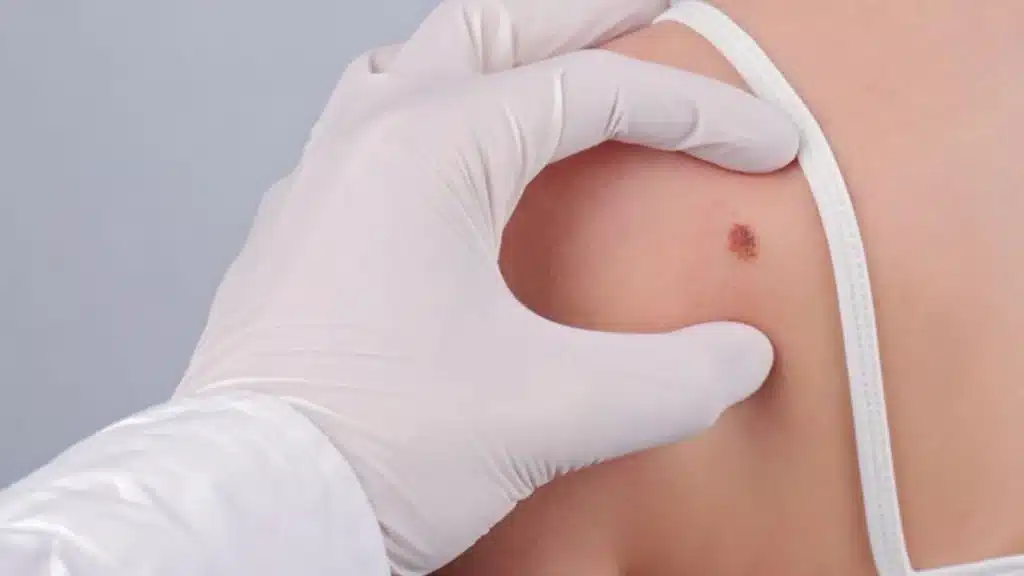
A mole, also known as a nevus, is a common skin growth formed by clusters of melanocytes—the cells responsible for producing skin pigment.
Moles can:
- Be flat or raised
- Range from light brown to dark brown or black
- Appear anywhere on the body
- Develop during childhood or early adulthood
Most moles are benign and remain stable for many years.
Some people naturally have more moles than others, particularly those with fair skin or a family history of numerous moles.
Can a Normal Mole Turn Into Skin Cancer?
Yes, although it is relatively uncommon.
Skin cancer may develop in two ways:
1. A New Skin Cancer Appears: Many melanomas develop as entirely new spots rather than from existing moles.
2. An Existing Mole Changes:
Sometimes a previously normal mole undergoes abnormal cellular changes and develops into melanoma.
This transformation may occur slowly over months or years.
The challenge is that early melanoma can initially resemble an ordinary mole, making professional skin examinations extremely valuable.
This is one reason many patients visit a Canberra skin cancer clinic for regular monitoring.
Why Do Some Moles Become Cancerous?
Researchers believe that skin cancer develops when DNA damage causes skin cells to grow uncontrollably.
Several factors increase this risk.
Excessive UV Exposure:
Ultraviolet radiation from the sun remains the leading cause of skin cancer in Australia.
UV exposure damages skin cells and increases the likelihood of genetic mutations.
Canberra residents experience significant UV exposure throughout the year, including during cooler seasons.
Fair Skin:
People with:
- Fair skin
- Light eyes
- Blonde or red hair
have less natural protection from UV damage.
Family History: Having close relatives diagnosed with melanoma increases your risk.
Large Numbers of Moles: People with many moles often have a higher risk of melanoma.
Previous Skin Cancer: A personal history of skin cancer increases the likelihood of future skin cancers.
Types of Moles and Their Risk Levels
Not all moles carry the same risk.
Common Moles
These are the typical moles most people have.
Characteristics include:
- Uniform colour
- Smooth borders
- Small size
- Stable appearance
Most common moles never become cancerous.
Atypical Moles
Also known as dysplastic nevi.
Features may include:
- Larger size
- Irregular shape
- Uneven colour
- Distinct appearance
While not cancerous themselves, atypical moles may indicate an increased melanoma risk.
Congenital Moles
Present at birth.
Very large congenital moles may carry a slightly higher lifetime melanoma risk.
How Does a Mole Become Melanoma?
Melanoma develops when melanocytes become abnormal and begin growing uncontrollably.
Over time, these cancerous cells may:
- Expand within the skin
- Grow deeper into tissues
- Spread to lymph nodes
- Metastasise to other organs
The earlier melanoma is detected, the easier it is to treat successfully.
This is why regular skin checks at a skin cancer clinic canberra are strongly recommended.
Warning Signs That a Mole May Be Turning Cancerous
One of the most important aspects of skin cancer prevention is recognising early warning signs.
The ABCDE Rule
Dermatologists frequently use the ABCDE rule to identify suspicious moles.
A – Asymmetry
One side looks different from the other.
B – Border
Edges become irregular, jagged, or blurred.
C – Colour
Multiple colours appear within the same mole
D – Diameter
Larger than 6 millimetres.
E – Evolving
Any change in:
- Size
- Shape
- Colour
- Height
- Texture
- Symptoms
“Evolving” is often the most important warning sign.
The Ugly Duckling Sign
The Ugly Duckling concept helps identify unusual lesions.
Most moles on your body tend to resemble one another.
A mole that looks noticeably different from all the others deserves closer examination.
Examples include:
- Much darker colour
- Larger size
- Different shape
- New appearance
Symptoms That Should Never Be Ignored
Certain symptoms may indicate a developing skin cancer.
Seek professional assessment if a mole:
Starts Growing: A mole that suddenly increases in size should be evaluated.
Changes Colour: Darkening, multiple colours, or loss of uniform pigmentation can be concerning
Becomes Itchy: Persistent itching may signal skin changes.
Begins Bleeding: Bleeding without injury requires prompt medical attention
Develops Crusting: Repeated crusting or scabbing can indicate abnormal activity.
Becomes Painful: Pain or tenderness should always be assessed.
Can Melanoma Develop Without a Mole?
Absolutely.
Many people assume melanoma only develops from existing moles.
However, a significant number of melanomas begin as entirely new skin lesions.
This is why checking your entire skin surface is essential.
Professional skin examinations at a Canberra skin cancer clinic focus on both existing moles and new lesions.
Why Australia Has High Skin Cancer Rates
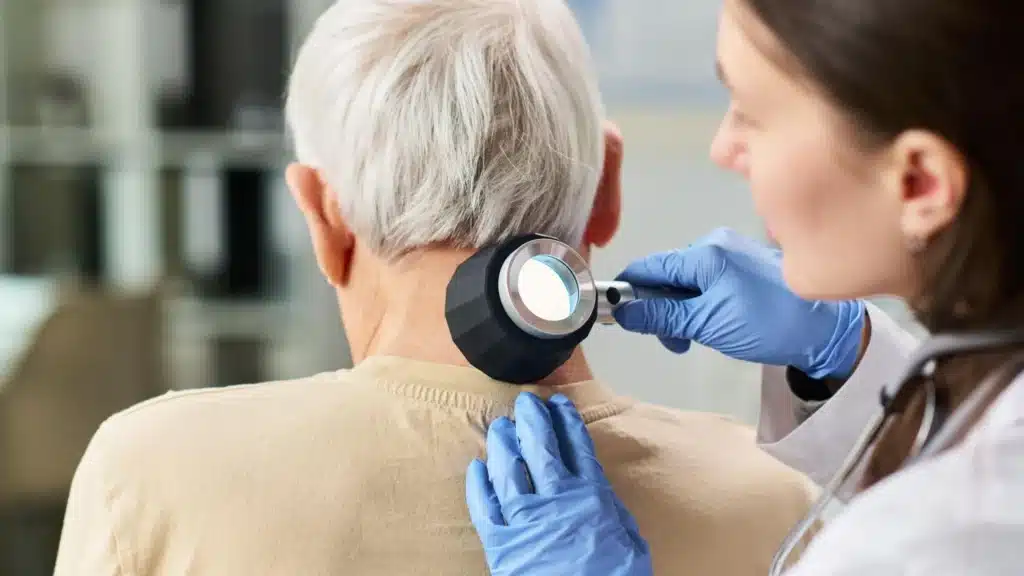
Australia experiences some of the highest skin cancer rates globally due to:
High UV Radiation: UV levels remain strong for much of the year.
Outdoor Lifestyle: Many Australians spend substantial time outdoors.
Fair-Skinned Population:A large proportion of Australians have skin types vulnerable to UV damage.
Historical Sun Exposure: Previous decades saw lower awareness of sun protection practices. These factors make routine monitoring particularly important.
How Mole Mapping Canberra Helps Detect Early Changes
One of the most advanced tools available today is mole mapping Canberra services.
Mole mapping involves:
- High-resolution photography
- Digital documentation of moles
- Long-term comparison of changes
- Identification of new lesions
This technology helps doctors detect subtle changes that might otherwise go unnoticed.
For patients with numerous moles, mole mapping Canberra provides an excellent way to monitor skin health over time.
What Happens During a Skin Check?
Many patients are unsure what to expect during a professional examination.
A visit to a skin cancer clinic canberra typically includes:
Medical History Review
Your doctor may ask about:
- Family history
- Previous skin cancers
- Sun exposure
- Recent skin changes
Full Body Examination: Your skin is examined from head to toe.
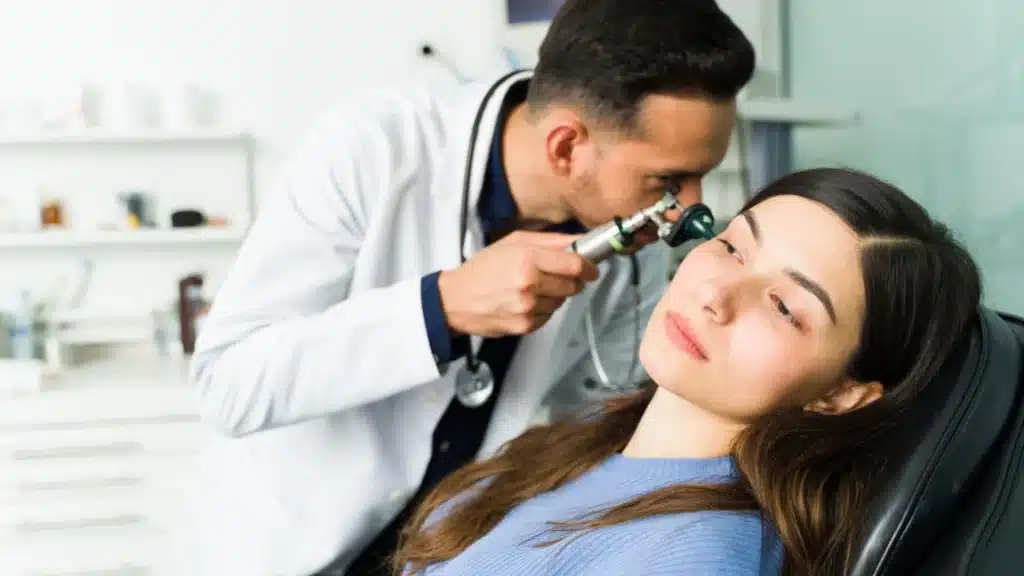
Dermoscopy: A specialised device magnifies skin structures invisible to the naked eye.
Photography: Suspicious lesions may be photographed for future comparison.
Biopsy if Required: If a lesion appears concerning, a biopsy may be recommended.
How Often Should You Have a Skin Check?
Frequency depends on your risk profile.
Low Risk: Every 1–2 years.
Moderate Risk: Annually.
High Risk:
Every 6–12 months.
Individuals with:
- Many moles
- Fair skin
- Previous skin cancers
- Family history of melanoma
may benefit from more frequent monitoring.
Who Should Consider Mole Mapping?
Mole mapping Canberra services are particularly useful for:
- People with numerous moles
- Individuals with atypical moles
- Patients with previous melanoma
- Fair-skinned Australians
- Those with a family history of skin cancer
The ability to compare images over time often improves early detection.
Can Skin Cancer Be Prevented?
Not every skin cancer can be prevented, but risk can be significantly reduced.
Wear Sunscreen Daily: Use broad-spectrum SPF 50+ sunscreen.
Wear Protective Clothing: Long sleeves and wide-brim hats provide valuable protection.
Seek Shade: Especially during peak UV periods.
Avoid Tanning: There is no safe tan.
Schedule Regular Skin Checks: Professional examinations remain one of the most effective prevention strategies.
When Should You Book an Appointment?
Arrange a professional skin assessment if you notice any suspicious changes in a mole or skin lesion, and book an appointment promptly for expert evaluation and early detection.
- A changing mole
- New skin lesion
- Itching
- Bleeding
- Crusting
- Rapid growth
- Colour changes
- Irregular borders
Early detection offers the best outcomes.
Why Choose a Canberra Skin Cancer Clinic?
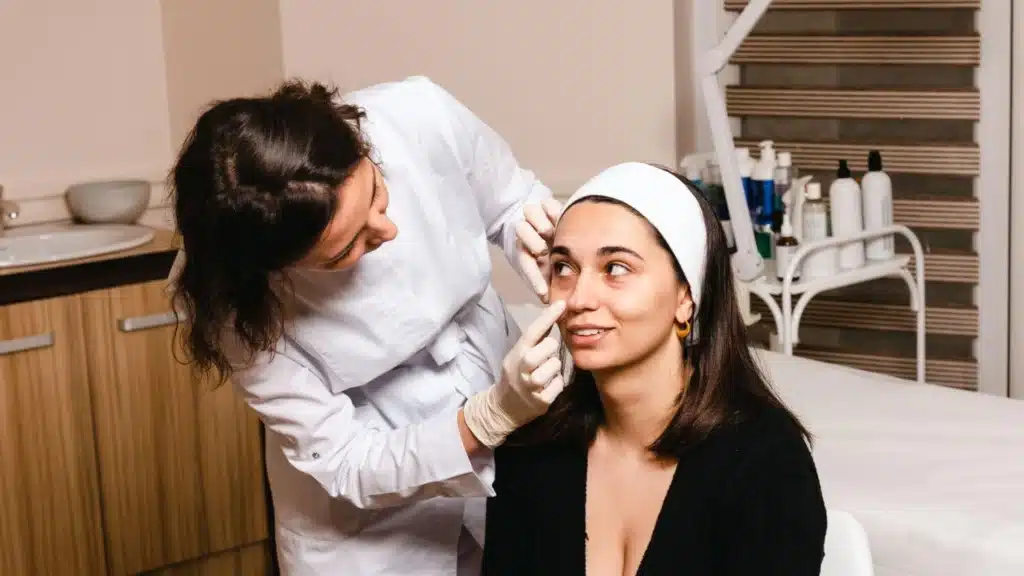
A dedicated Canberra skin cancer clinic offers specialised expertise in:
- Skin cancer screening
- Dermoscopic examination
- Mole monitoring
- Mole mapping Canberra
- Early diagnosis
- Skin cancer treatment
These services help identify suspicious lesions before they become advanced.
Whether you’re concerned about a single mole or seeking routine monitoring, a trusted skin cancer clinic canberra can provide expert assessment and peace of mind.
Book an appointment with a trusted Canberra Skin Cancer Clinic today and take a proactive step towards protecting your skin health.
| Canberra Skin Cancer Clinic- Green Way | Canberra Skin Cancer Clinic- Molonglo Valley |
| Phone: (02) 51046409 | Phone: (02) 51046409 |
| Email: reception@greenwaymedicalcentre.com.au | Email: reception@greenwaymedicalcentre.com.au |
| Address: Unit 6/175 Anketell Street, Greenway ACT 2900 | Address: 110 Woodberry Ave Coombs ACT 2611 |
| Website: https://canberraskincancerclinic.com.au/ | Website: https://canberraskincancerclinic.com.au/ |
Frequently Asked Questions (FAQs)
Q1. Can a normal mole turn into skin cancer?
Yes, although most moles remain harmless, some can develop into melanoma or other forms of skin cancer over time. Any noticeable change in a mole should be assessed by a healthcare professional.
Q2. What are the warning signs that a mole may be cancerous?
Common warning signs include changes in size, shape, colour, or texture, as well as itching, bleeding, crusting, or a mole that looks different from others on your body.
Q3. Should I be worried if a mole starts growing?
A mole that begins growing during adulthood should be professionally evaluated, especially if the growth is rapid or accompanied by other changes.
Q4. What is mole mapping Canberra and how does it help?
Mole Mapping Canberra uses specialised imaging technology to photograph and monitor moles over time. It helps detect subtle changes early, improving the chances of identifying skin cancer at its earliest stages.
Q5. How often should I have my moles checked?
Most people should have a professional skin check every 1–2 years, while individuals at higher risk may benefit from annual or more frequent examinations.