A mole is something most people barely notice. Some appear at birth, while others develop over time due to genetics, ageing, and sun exposure. In many cases, moles are harmless. However, certain changes in a mole may signal a more serious condition, including skin cancer.
Australia has one of the highest skin cancer rates in the world, and Canberra residents experience high ultraviolet (UV) exposure throughout the year. This makes regular skin awareness and professional skin checks extremely important. Knowing when a mole looks suspicious and understanding when to visit a Skin Cancer Clinic can help with early detection and treatment.
Many people delay seeking medical advice because they assume a mole is harmless or they are unsure what warning signs to look for. Unfortunately, skin cancer can develop quietly. Melanoma, basal cell carcinoma, and squamous cell carcinoma often begin with subtle skin changes that are easy to ignore.
This guide explains how to identify potentially dangerous moles, what symptoms should never be overlooked, and when it is time to book an appointment at a mole check clinic. It also explores why routine skin examinations matter and what patients can expect during a professional skin assessment in Canberra.
Understanding Moles
Moles are common skin growths that occur when pigment-producing cells called melanocytes grow together in clusters. They can appear anywhere on the body and vary in colour, size, and shape.
Most adults have between 10 and 40 moles. Some remain unchanged for decades, while others slowly evolve with age. A healthy mole is usually:
- Round or oval
- Even in colour
- Smaller than 6 millimetres
- Smooth or slightly raised
- Stable in appearance over time
Although most moles are benign, some can become cancerous. Changes in a mole may indicate melanoma or another form of skin cancer.
Because Australia experiences intense UV radiation, regular skin monitoring is especially important. Visiting a Skin Cancer Clinic Canberra residents trust can help detect suspicious changes early.
Why Skin Cancer Is Common in Australia
Australia has one of the world’s highest rates of skin cancer due to several environmental and lifestyle factors. Canberra residents often spend time outdoors, increasing cumulative UV exposure.
Long-term UV exposure damages skin cells and increases the risk of:
- Melanoma
- Basal cell carcinoma
- Squamous cell carcinoma
Risk factors include:
- Fair skin
- Frequent sunburns
- Outdoor occupations
- Tanning bed use
- Family history of skin cancer
- Having many moles
- A weakened immune system
Even people who carefully protect their skin can still develop skin cancer. This is why early detection through regular skin checks is essential.A Canberra Skin Cancer Clinic can assess suspicious lesions before they become advanced or difficult to treat.
Early Warning Signs of a Dangerous Mole
Not every mole is dangerous, but certain warning signs should never be ignored. Detecting abnormalities early greatly improves treatment outcomes.
Not every mole is dangerous, but certain warning signs should never be ignored. Detecting abnormalities early greatly improves treatment outcomes.
The ABCDE Rule
Doctors commonly use the ABCDE rule to identify suspicious moles.
A – Asymmetry
One half of the mole does not match the other half.
B – Border
Edges appear irregular, blurred, jagged, or uneven.
C – Colour
Multiple colours within the same mole can indicate concern. Shades may include:
- Brown
- Black
- Red
- White
- Blue
D – Diameter
Moles larger than 6 millimetres should be professionally assessed, although smaller melanomas can also occur.
E – Evolving
Any mole that changes in shape, size, colour, texture, or sensation requires medical attention.
Changes are often the earliest indicator that something may be wrong.
Other Symptoms That Should Not Be Ignored
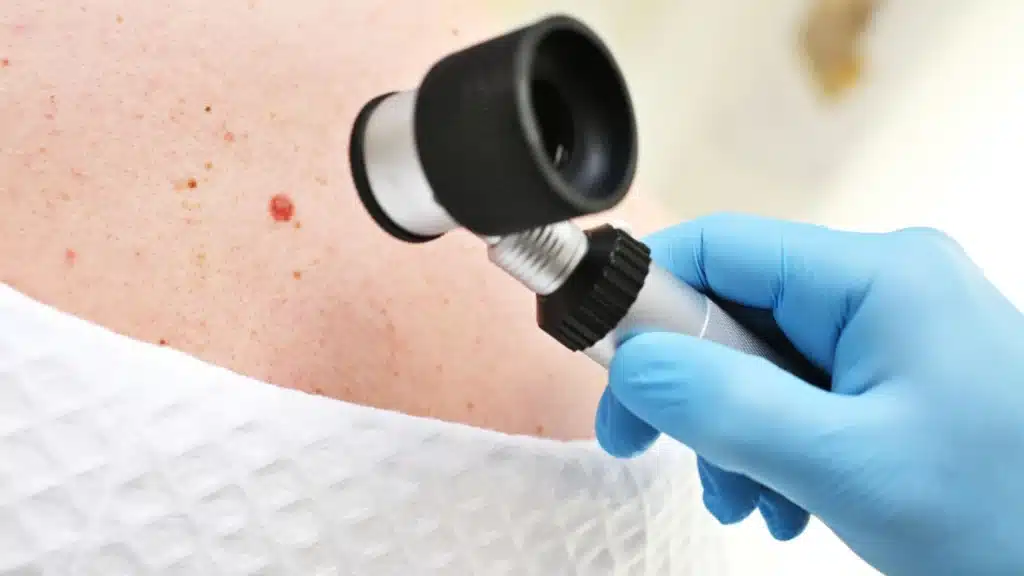
A suspicious mole may also show additional symptoms beyond visible appearance changes.
Watch for:
- Itching
- Bleeding
- Crusting
- Pain or tenderness
- Oozing
- Rapid growth
- Inflammation
- A sore that does not heal
Some skin cancers may appear as new spots rather than changes in existing moles.
This is why professional examinations at a mole check clinic are strongly recommended, particularly for adults over 40 or individuals with significant sun exposure histories.
What Does Melanoma Look Like?
Melanoma is the most dangerous form of skin cancer because it can spread rapidly to other organs if untreated.
Melanoma does not always look the same. It may appear as:
- A dark irregular mole
- A flat discoloured patch
- A rapidly changing lesion
- A pink or flesh-coloured growth
- A spot that looks different from surrounding moles
Doctors sometimes refer to the “ugly duckling sign,” meaning a mole that looks noticeably different from others on your body.
If you notice an unusual lesion, scheduling a consultation at a Skin Cancer Clinic is important.
Basal Cell Carcinoma and Squamous Cell Carcinoma
Although melanoma receives significant attention, other skin cancers are also common in Australia.
Basal Cell Carcinoma
Basal cell carcinoma is the most common form of skin cancer. It often develops on sun-exposed areas such as:
- Face
- Neck
- Ears
- Scalp
Signs may include:
- Pearly bumps
- Shiny pink lesions
- Non-healing sores
- Crusted patches
These cancers grow slowly but can still cause local tissue damage if untreated.
Squamous Cell Carcinoma
Squamous cell carcinoma may appear as:
- Thickened scaly patches
- Red inflamed areas
- Crusted sores
- Tender lumps
This type can spread if ignored.
A Skin Cancer Clinic Canberra patients trust can diagnose both conditions early and provide treatment before complications develop.
Who Is Most at Risk?
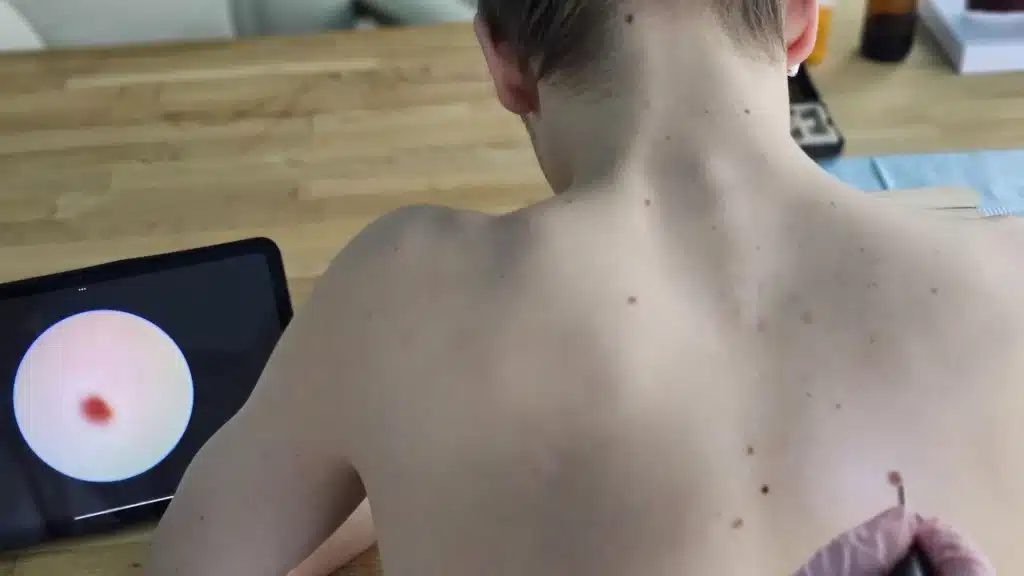
Some individuals face a higher risk of developing dangerous moles or skin cancer.
Higher-risk groups include:
- People with fair skin
- Individuals with freckles
- Outdoor workers
- Those with a history of sunburn
- People with many moles
- Adults over 50
- Individuals with a family history of melanoma
However, skin cancer can affect anyone regardless of age or skin tone.
Regular visits to a Canberra Skin Cancer Clinic are valuable for both high-risk and average-risk individuals.
Why Early Detection Matters
Early detection is one of the most important factors in successful skin cancer treatment.
When detected early:
- Treatment is often simpler
- Procedures are less invasive
- Recovery times may be shorter
- Survival rates are significantly higher
Melanoma identified early has an excellent prognosis. Advanced melanoma, however, becomes much harder to treat.
Many people wait until symptoms become severe before seeking help. Unfortunately, this delay can allow cancer cells to spread deeper into the skin or beyond.
Routine appointments at a Skin Cancer Clinic can help identify issues before they become dangerous.
How Often Should You Have a Skin Check?
The ideal frequency depends on individual risk factors.
General recommendations include:
- Annual skin checks for average-risk adults
- More frequent checks for high-risk individuals
- Immediate assessment for changing moles
Your doctor may recommend regular monitoring if you have:
- Numerous moles
- Previous skin cancers
- Strong family history
- Significant UV exposure
A professional mole check clinic can create a personalised skin surveillance plan.
Choosing the Right Clinic in Canberra
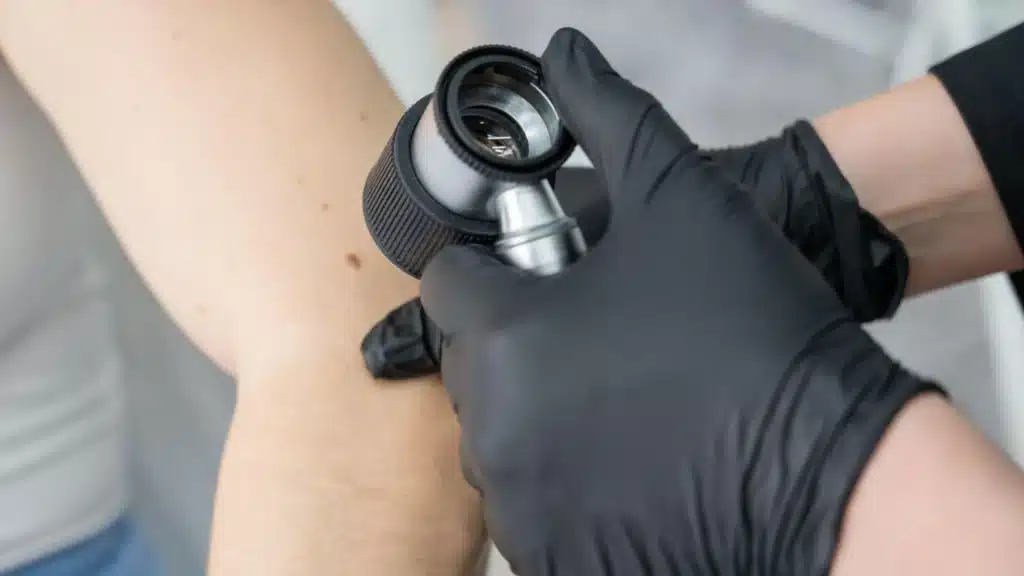
When selecting a clinic, patients often look for:
- Experienced doctors
- Skin cancer expertise
- Dermoscopy technology
- Mole mapping services
- Biopsy capabilities
- Follow-up monitoring
The Best Skin Cancer Clinic in Canberra will focus on thorough skin assessments, early diagnosis, patient education, and ongoing surveillance.
A dedicated clinic may also provide:
- Surgical excisions
- Cryotherapy
- Topical treatments
- Preventive skin advice
Conclusion
Most moles are harmless, but changes in size, colour, shape, or texture should never be ignored. Australia’s high UV exposure means skin cancer remains a significant health concern, especially for Canberra residents who spend time outdoors.
Understanding early warning signs and arranging professional skin examinations can help detect problems before they become serious. Whether you notice a suspicious mole, a non-healing sore, or simply want peace of mind, visiting a professional mole check clinic is an important step in protecting your health.
Early detection saves lives. Regular skin checks, sun protection, and prompt medical attention for suspicious lesions all play an important role in reducing skin cancer risks.
If you notice unusual skin changes or have concerns about a mole, booking an appointment with a trusted Skin Cancer Clinic Canberra patients rely on can provide reassurance, diagnosis, and treatment when needed.
FAQs
Q1. When should I visit a Skin Cancer Clinic for a mole check?
You should visit a Skin Cancer Clinic if you notice changes in a mole’s size, colour, shape, or texture. Bleeding, itching, crusting, or rapid growth are also warning signs that require professional assessment.
Q2. How often should I have a skin cancer check in Canberra?
Most adults should have a professional skin check once a year. People with fair skin, many moles, previous skin cancer, or high sun exposure may need more frequent visits to a Canberra Skin Cancer Clinic.
Q3. What happens during a mole check appointment?
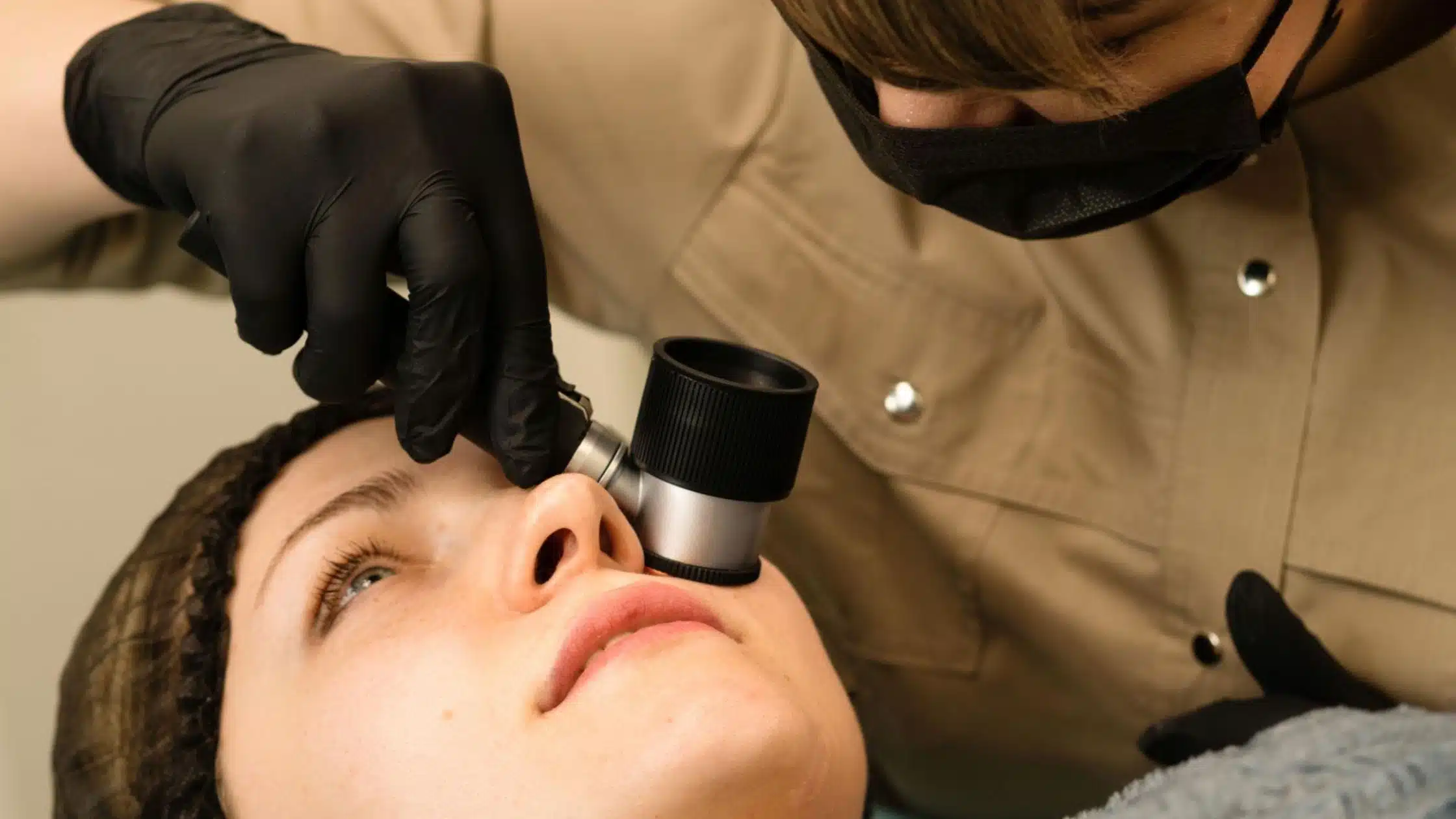
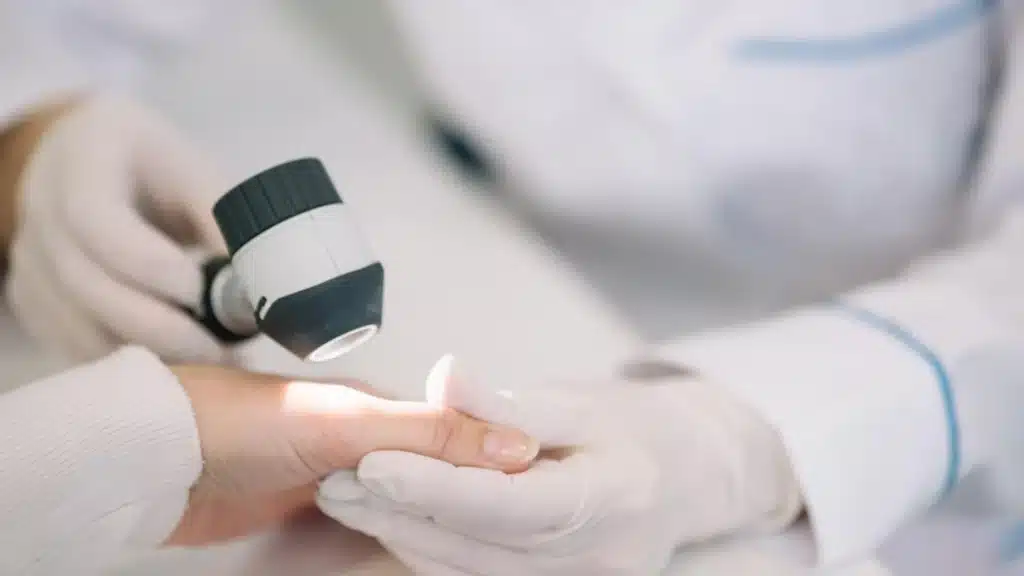
During a visit to a mole check clinic, the doctor examines your skin for suspicious lesions using specialised tools such as dermoscopy. If needed, the doctor may recommend monitoring, biopsy, or removal of the mole.
Q4. Are all unusual moles cancerous?
No, many unusual moles are harmless. However, only a qualified doctor at a Skin Cancer Clinic Canberra can accurately determine whether a mole may be dangerous.
Q5. What are the early signs of melanoma?
Early signs of melanoma include asymmetry, irregular borders, uneven colour, increasing size, and changes over time. A mole that looks different from others should also be checked promptly.
Concerned about a changing mole or unusual skin spot? Book an appointment with a trusted Skin Cancer Clinic Canberra today for professional skin checks and early detection support.
| Canberra Skin Cancer Clinic- Green Way | Canberra Skin Cancer Clinic- Molonglo Valley |
| Phone: (02) 51046409 | Phone: (02) 51046409 |
| Email: reception@greenwaymedicalcentre.com.au | Email: reception@greenwaymedicalcentre.com.au |
| Address: Unit 6/175 Anketell Street, Greenway ACT 2900 | Address: 110 Woodberry Ave Coombs ACT 2611 |
| Website: https://canberraskincancerclinic.com.au/ | Website: https://canberraskincancerclinic.com.au/ |