Booking your first appointment at a Skin Cancer Clinic can feel a little overwhelming, especially if you’ve never had a professional skin examination before. Many people wonder what will happen during the appointment, whether the examination will be painful, how long it will take, and what happens if the doctor finds something unusual.
The good news is that a skin cancer check is a straightforward, non-invasive, and highly important step in protecting your health. Australia has one of the highest rates of skin cancer in the world, making routine skin examinations essential for early detection and successful treatment.
Whether you’re searching online for the best skin cancer clinic near me, planning your first skin cancer check, or looking for skin mapping near me, understanding what to expect can help you feel more comfortable and prepared.
This guide walks you through every stage of your first visit to a Skin Cancer Clinic in Canberra, from booking your appointment to receiving your results and planning future skin care.
Why You Shouldn’t Delay Your First Skin Cancer Check
Many skin cancers develop gradually and may not cause pain or obvious symptoms in their early stages. Waiting until a spot changes significantly can make treatment more complicated.
A professional skin cancer check helps identify suspicious moles, lesions, and sun damage before they become more serious. Early detection often leads to simpler treatment, quicker recovery, and better outcomes.
If you have never visited a Skin Cancer Clinic, there is no better time to make your skin health a priority.
When Should You Book an Appointment?
You don’t need to wait until something looks concerning before booking a skin examination.
Consider scheduling a visit if you:
- Have never had a professional skin check
- Notice a new mole or skin spot
- See changes in an existing mole
- Have fair skin
- Spend a lot of time outdoors
- Have a family history of skin cancer
- Have previously experienced severe sunburns
- Have had skin cancer in the past
Many Canberra residents choose annual skin examinations as part of their regular healthcare routine.
Booking Your Appointment
Booking an appointment at a Skin Cancer Clinic is usually simple.
When making your booking, the clinic may ask:
- Whether this is your first visit
- If you have a specific skin concern
- Whether you need a full-body skin examination
- If you have previously had skin cancer
- Whether you have recent changes to a mole or lesion
If you’ve been searching for the best skin cancer clinic near me, look for a clinic that offers comprehensive skin checks, experienced clinicians, and modern diagnostic technology.
How to Prepare Before Your Visit
Preparing for your appointment can help ensure a thorough examination.
Before attending:
- Remove nail polish if possible, as melanoma can occasionally develop beneath the nails.
- Avoid wearing heavy makeup, which may hide skin changes on the face.
- Wear comfortable clothing that is easy to remove for a full-body examination.
- Make a note of any spots or moles that concern you.
- Bring details of previous skin cancer treatments if applicable.
These simple steps help your clinician perform a more accurate assessment.
What Happens When You Arrive?
When you arrive at the Skin Cancer Clinic, you’ll usually complete a patient information form.
You may be asked about:
- Your medical history
- Previous skin cancers
- Family history of melanoma
- Sun exposure
- Occupation
- Current medications
- Allergies
This information helps the doctor assess your overall skin cancer risk.
Talking With the Doctor
Before beginning the examination, your doctor will discuss your skin health.
You may be asked:
- Have you noticed any changing moles?
- Do any spots itch or bleed?
- Have you had blistering sunburns?
- Do you spend significant time outdoors?
- Have you previously had suspicious lesions removed?
Don’t hesitate to mention any concerns, even if they seem minor.
Your Full-Body Skin Cancer Check
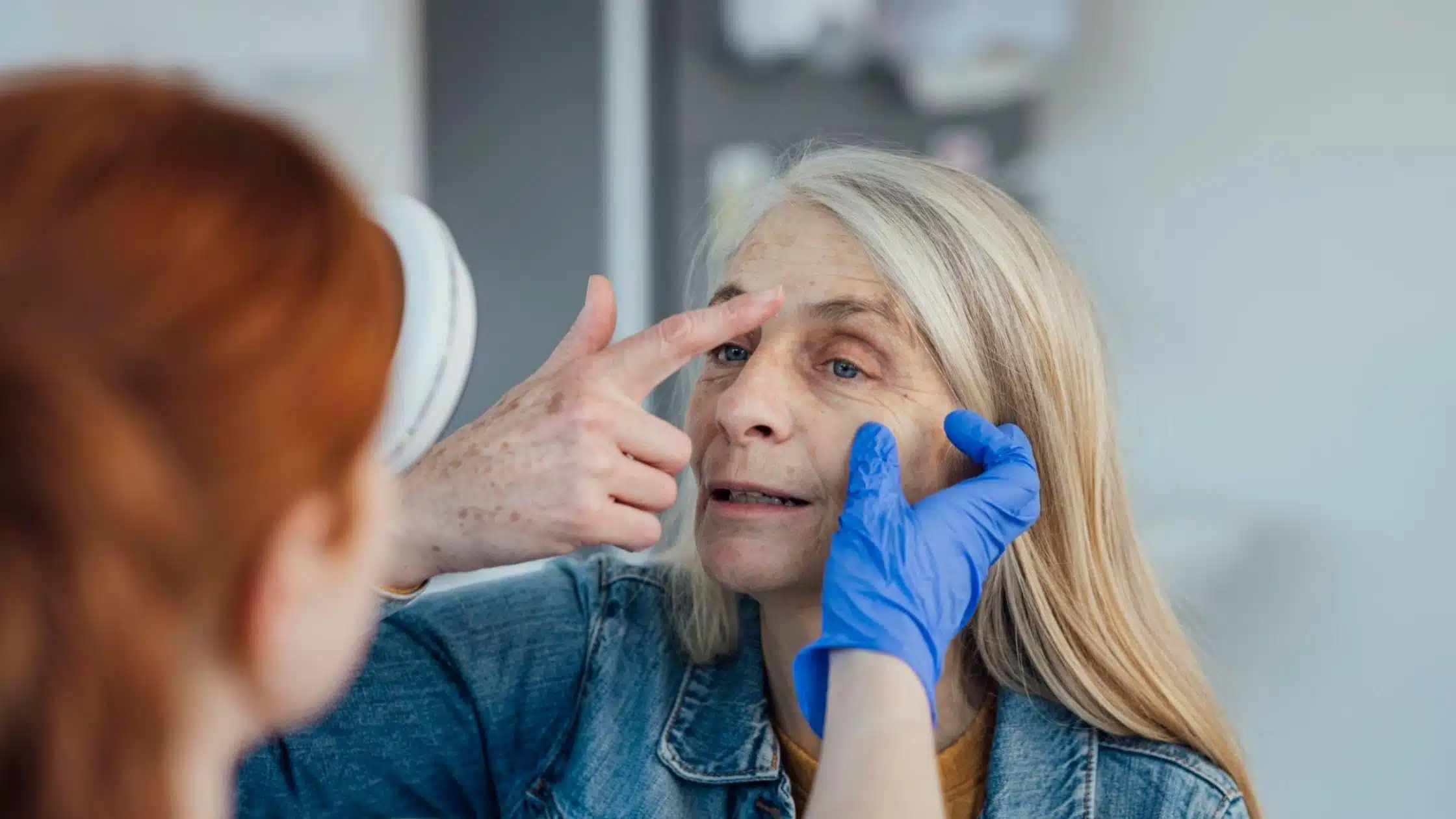
The main part of your appointment is the skin cancer check.
A comprehensive examination usually includes your:
- Face
- Scalp
- Ears
- Neck
- Chest
- Back
- Arms
- Hands
- Legs
- Feet
The doctor carefully examines your skin for:
- Unusual moles
- Pigmented lesions
- Non-healing sores
- Sun damage
- Suspicious growths
The examination is painless and usually takes between 15 and 30 minutes, depending on your skin and medical history.
How Dermoscopy Helps
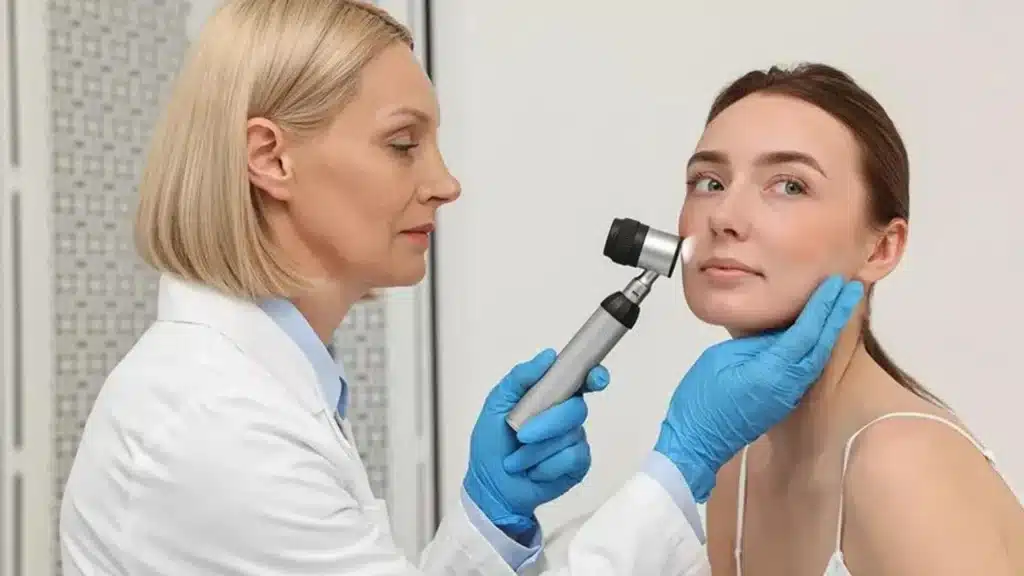
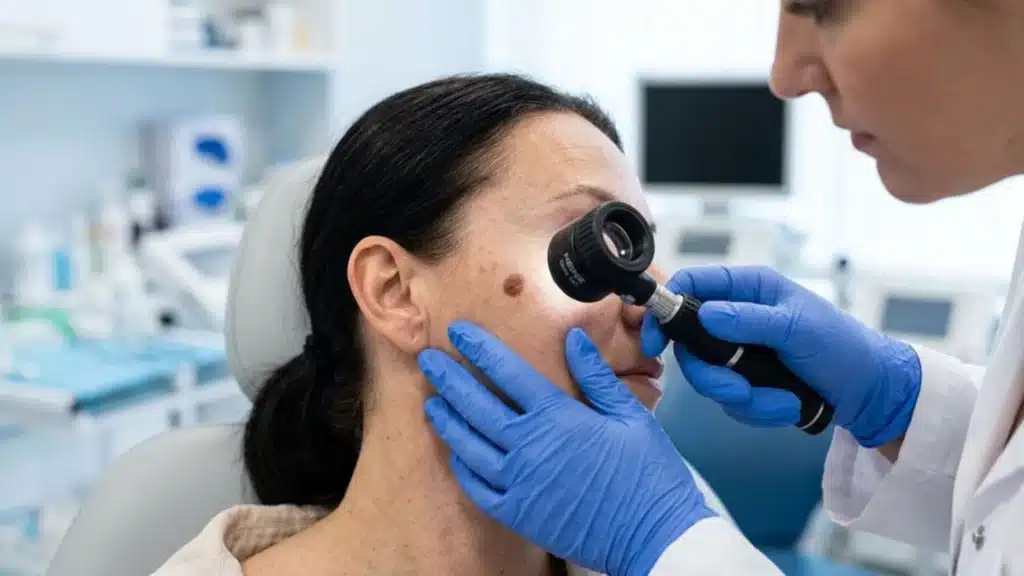
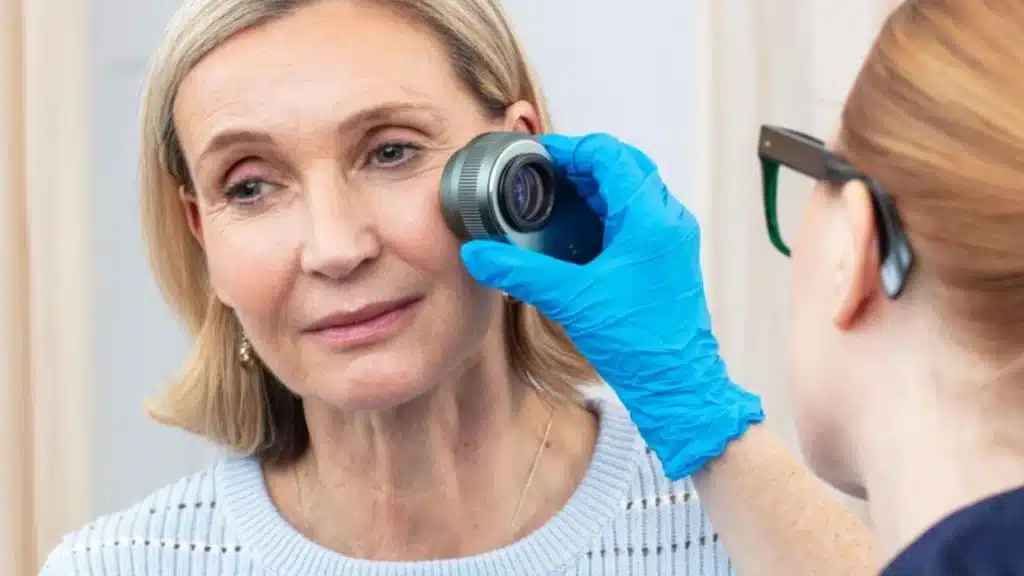
Most modern Skin Cancer Clinic appointments include dermoscopy.
A dermatoscope is a specialised magnifying device that allows the doctor to see beneath the surface of the skin.
It helps identify:
- Early melanoma
- Basal cell carcinoma
- Squamous cell carcinoma
- Benign moles
- Precancerous lesions
Dermoscopy improves accuracy and often reduces unnecessary biopsies.
What Is Skin Mapping?
If you have many moles or are at higher risk of melanoma, your doctor may recommend digital mole mapping.
Many patients searching for skin mapping near me are looking for this advanced monitoring service.
Skin mapping involves taking high-quality photographs of your skin to create a baseline record.
During future visits, these images are compared with new photographs to identify even very small changes.
Skin mapping is particularly useful for people who:
- Have numerous moles
- Have atypical moles
- Have previously had melanoma
- Have a family history of skin cancer
What If the Doctor Finds Something Suspicious?
Finding a suspicious spot does not necessarily mean you have skin cancer.
Many unusual-looking lesions are harmless.
If your doctor identifies an area of concern, they may recommend:
- Monitoring the lesion
- Taking clinical photographs
- Performing a biopsy
- Scheduling a follow-up appointment
- Removing the lesion
Your doctor will explain why additional investigation may be necessary.
Understanding a Skin Biopsy
A biopsy is one of the most accurate ways to diagnose skin cancer.
During the procedure:
- The area is numbed with local anaesthetic.
- A small sample or the entire lesion is removed.
- The tissue is sent to a laboratory.
- Results are reviewed with your doctor.
Most biopsies are completed quickly with minimal discomfort.
Treatment Options
If skin cancer is confirmed, your Skin Cancer Clinic will discuss the most appropriate treatment.
Treatment may include:
- Surgical excision
- Cryotherapy
- Curettage and cautery
- Ongoing monitoring
The recommended treatment depends on the type, size, and location of the lesion.
After Your Appointment
Once your examination is complete, your doctor will explain:
- Whether any lesions require monitoring
- If treatment is recommended
- When to return for another skin check
- How to monitor your skin at home
Many patients leave feeling reassured, even if further assessment is required.
How Often Should You Return?
Your doctor will recommend a follow-up schedule based on your individual risk.
Some people require:
- Annual skin examinations
- Six-monthly reviews
- More frequent monitoring after skin cancer treatment
Regular professional skin checks are one of the best ways to maintain long-term skin health.
Tips for Monitoring Your Skin Between Visits
Professional examinations are important, but self-checks also play a valuable role.
Watch for:
- New moles
- Changes in colour
- Changes in size
- Irregular borders
- Persistent sores
- Bleeding spots
- Itching lesions
If you notice any changes, book another skin cancer check promptly.
Choosing the Right Skin Cancer Clinic in Canberra
When selecting a clinic, consider:
- Experienced doctors
- Comprehensive skin examinations
- Dermoscopy technology
- Digital mole mapping
- Biopsy services
- Treatment options
- Follow-up care
- Positive patient reviews
If you’re searching online for the best skin cancer clinic near me, choose a clinic that prioritises early detection, patient education, and ongoing skin health.
Conclusion
Your first visit to a Skin Cancer Clinic is an important investment in your long-term health. From your initial consultation to a comprehensive skin cancer check, every step is designed to detect skin changes as early as possible.
Whether you are concerned about a changing mole, have a family history of skin cancer, or simply want peace of mind, regular professional skin examinations can make a significant difference.
If you’ve been looking for the best skin cancer clinic near me or considering skin mapping near me, now is the perfect time to book your first appointment. Early detection remains the best defence against skin cancer, helping Canberra residents protect their skin and their future.
Frequently Asked Questions
Q1.Is my first skin cancer check painful?
No. A routine skin examination is completely painless. If a biopsy is needed, a local anaesthetic is used to minimise discomfort.
Q2.How long does a skin cancer check take?
Most appointments last between 15 and 30 minutes, depending on the number of moles and your skin cancer risk.
Q3.Do I need skin mapping?
Skin mapping is recommended for people with many moles, atypical moles, or a higher risk of melanoma.
Q4.How often should I visit a Skin Cancer Clinic?
Most people benefit from annual skin checks, while higher-risk individuals may require more frequent monitoring.
Q5.What should I wear to my appointment?
Wear comfortable clothing that can be easily removed for a full-body skin examination. Avoid heavy makeup and, if possible, remove nail polish before your visit.
Ready for your first skin cancer check? Our experienced team provides comprehensive skin examinations, advanced skin mapping, and personalised care. Contact us today to book your appointment and take the first step towards protecting your skin health.
| Canberra Skin Cancer Clinic- Green Way | Canberra Skin Cancer Clinic- Molonglo Valley |
| Phone: (02) 51046409 | Phone: (02) 51046409 |
| Email: reception@greenwaymedicalcentre.com.au | Email: reception@greenwaymedicalcentre.com.au |
| Address: Unit 6/175 Anketell Street, Greenway ACT 2900 | Address: 110 Woodberry Ave Coombs ACT 2611 |
| Website: https://canberraskincancerclinic.com.au/ | Website: https://canberraskincancerclinic.com.au/ |