
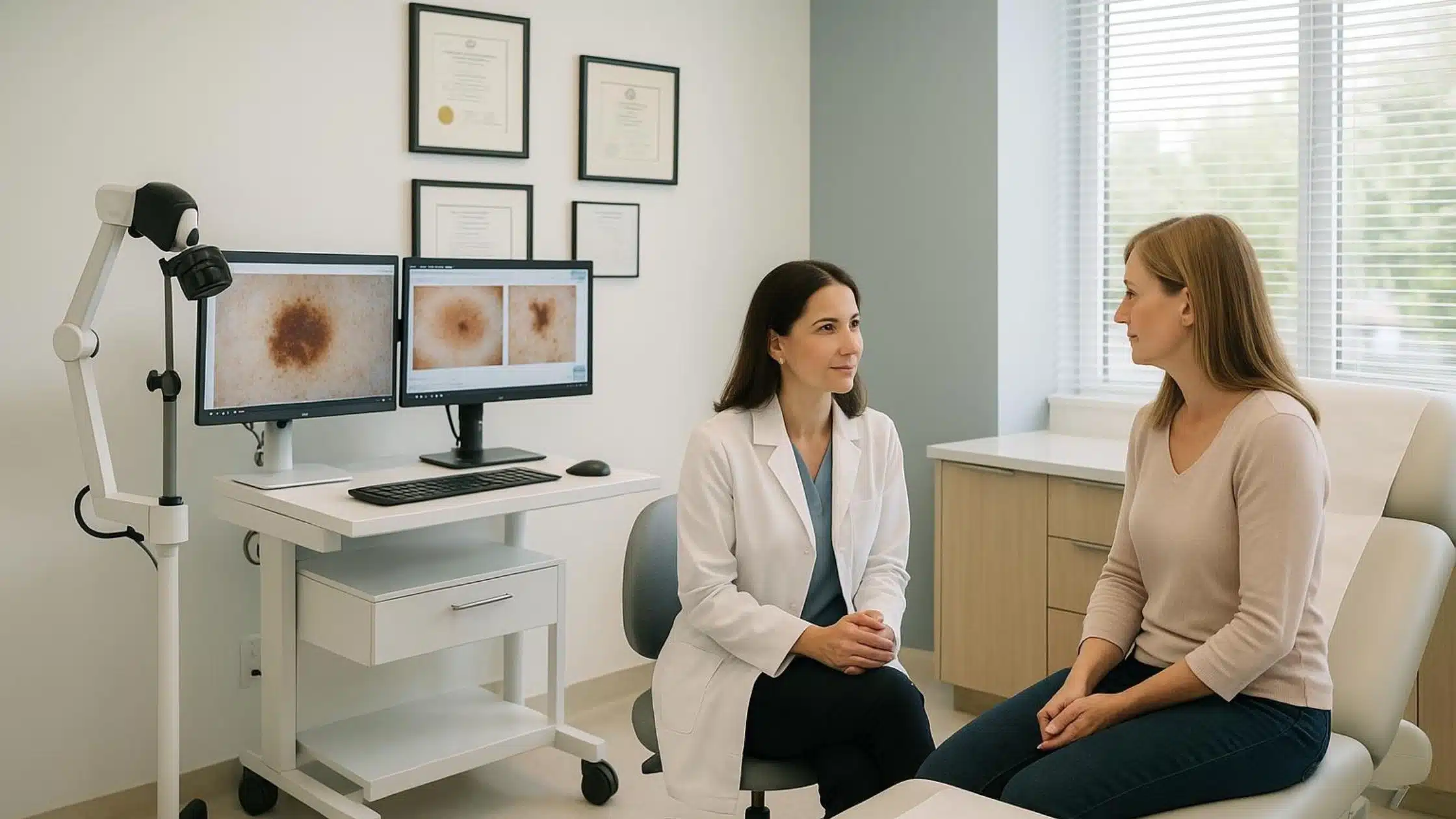
Australia has one of the highest rates of skin cancer in the world, making early detection one of the most important steps in protecting your health. Whether you spend time outdoors for work, enjoy weekend sports, or simply walk your dog each day, your skin is exposed to ultraviolet (UV) radiation that can increase your risk of developing skin cancer over time.
Many people only think about booking a skin check when they notice a changing mole or a sore that refuses to heal. However, skin cancer often develops silently, with some types showing very few obvious symptoms in their early stages. That’s why regular professional skin checks are so important.
If you’ve been searching online for a check skin cancer clinic, you may have noticed that there are many healthcare providers offering skin examinations. While general practitioners can assess skin concerns, Specialist Skin Cancer Clinics are designed specifically to detect, diagnose, monitor, and treat skin cancer using advanced techniques and dedicated expertise.
In this guide, we’ll explain why Specialist Skin Cancer Clinics are often the preferred choice for early detection, what makes them different from general healthcare providers, and how choosing the right clinic can help protect your long-term skin health.
Why Specialist Skin Cancer Clinics Are Better for Detection
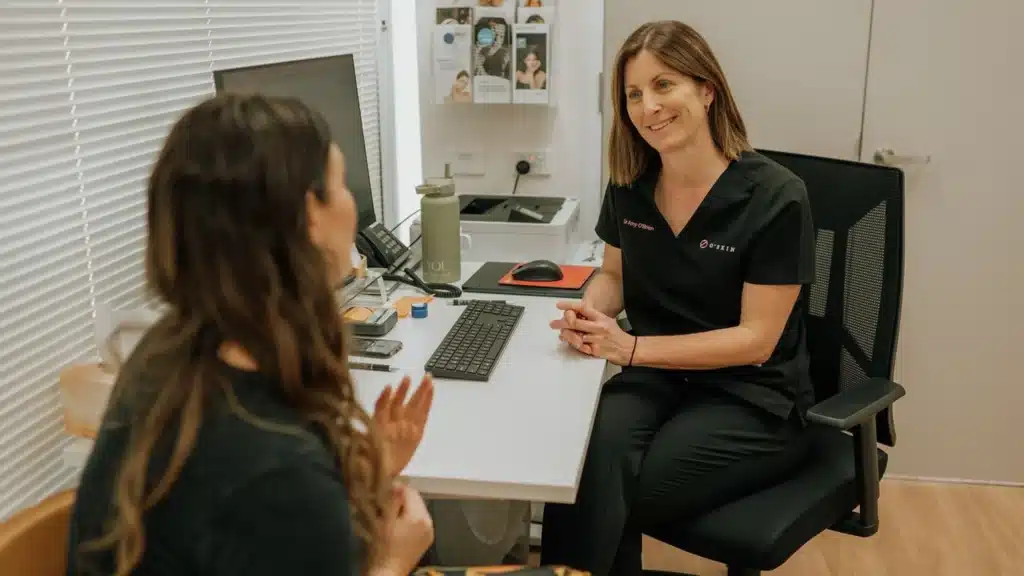
There is a tremendous need for early detection.
When diagnosed early, skin cancer is one of the most treatable types of cancer. Early detection of abnormal skin changes can result in easier treatments, smaller procedures and much better results.
A good prognosis can be achieved with early diagnosis:
- Minimize the need for major operations and long recovery times.
- Reduce the likelihood of cancer spreading.
- Improve recovery times
- Minimise scarring
- Boost success rates of treatment.
Many skin cancers start out as very small changes that are hard to see, unless examined by a doctor. It’s here that Specialist Skin Cancer Clinics are extremely important.
What is a Specialist Skin Cancer Clinic?
The Specialist Skin Cancer Clinics are different from general skin medicine practices with the emphasis being dedicated to the prevention, diagnosis, treatment and follow-up of skin cancer.
They provide the following services, among others:
- Comprehensive skin examinations
- Mole assessments
- Dermoscopy
- Digital mole mapping
- Skin biopsies
- Surgery for skin cancers
- Ongoing follow-up care
- Patient education
These clinics are used for treating skin cancer, and the doctors who treat them are familiar with the identification of suspicious areas at the earliest stages.
Why Specialist Clinics Detect Skin Cancer More Effectively

There are many reasons why Specialist Skin Cancer Clinics are better at detecting skin cancer.
Focused Expertise
The major benefit of Specialist Skin Cancer Clinics is that they concentrate only on skin cancer medicine.
Clinicians in specialist clinics review their clinic’s patients daily and evaluate suspicious skin lesions on a regular basis, whereas GP’s see a diverse array of medical problems.
This experience gives them the ability to identify “red flags” that could otherwise be assumed to be non-threatening skin changes.
It is important to pay attention to details such as colour, shape, texture or pattern that could be a sign of early skin cancer, and trained clinicians are adept at noticing such details.
Advanced Diagnostic Technology
Skin cancer detection is a thing of the past!
Many Skin Cancer Clinics employ special tools which can enable doctors to study skin lesions in much more detail than a visual inspection.
in much more detail than a visual inspection.
Common technologies include:
Dermoscopy
Dermoscopy involves looking at the skin surface with a magnifying hand-held device fitted with a special light source to see what is happening underneath the skin.
This enables the doctor to detect abnormalities which are not visible to the naked eye.
Digital Mole Mapping
Digital mole mapping makes a detailed photo of the skin.
These pictures can be used as a starting point for comparison to later be used to detect even the smallest changes that may signify the presence of melanoma or other skin cancers.
Sequential Digital Monitoring
A few lesions look harmless in the beginning, but alter over the course of months.
Sequential monitoring enables the clinician to check the initial picture in relation to the current one, thus picking up any subtle changes at an early stage.
Comprehensive Full-Body Skin Checks
A thorough skin examination involves more than one suspicious mole.
Clinicians usually examine your skin during appointments at Specialist Skin Cancer Clinics from head to foot.
Typical areas to be studied are:
- Face
- Scalp
- Neck
- Chest
- Back
- Arms
- Hands
- Legs
- Feet
Most skin cancers occur where people don’t self-examine.
Extensive exams decrease the risk of missed lesions.
Early detection of Melanoma
Melanoma is the most serious type of skin cancer.
If not treated appropriately, it can quickly spread, so early diagnosis is key.
Specialist Skin Cancer Clinics are dominated by experienced clinicians who have the expertise to identify the earliest signs:
- New moles
- A change in a mole existing on the property.Mole alteration.
- Irregular borders
- Multiple colours
- Asymmetry
- Rapid growth
The earlier melanoma is detected, the better the treatment is likely to be.
Better Monitoring for High-Risk Patients
Improved monitoring of high risk patients.
There are some individuals who are more likely to get skin cancer than others.
You may benefit from regular monitoring if you:
- Have fair skin
- Have numerous moles
- Have had skin cancer in the past
- Have a family history of melanoma.
- Get plenty of physical activity, spend a lot of time outside.
- Suffered from serious sunburns
For those with a greater risk of developing skin cancer, Specialist Skin Cancer Clinics may advise regular skin checks and mole mapping to keep an eye on changes over time.
Why Canberra Residents Should Prioritise Regular Skin Checks
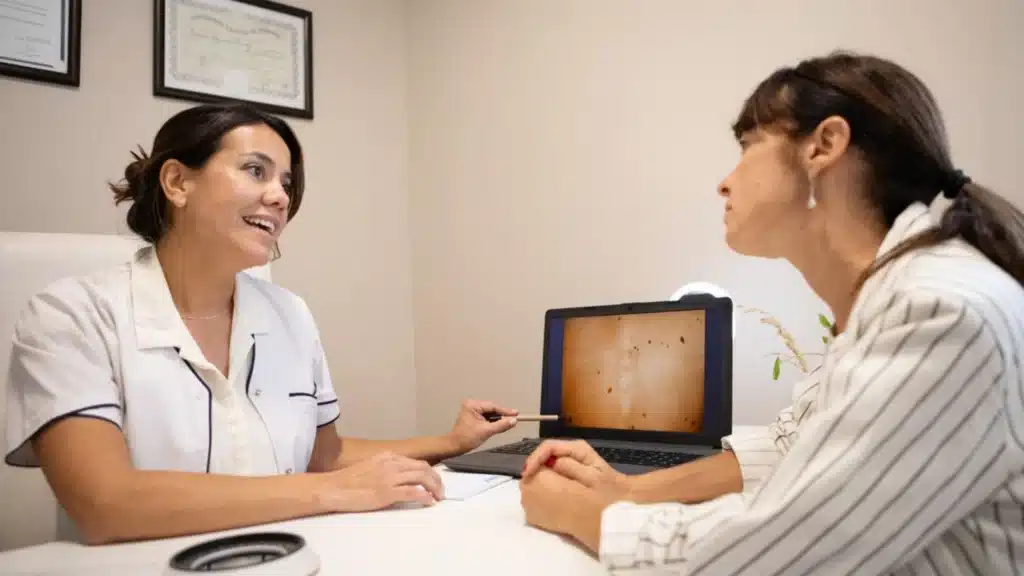
Although Canberra isn’t located on the coast, residents still experience high UV levels throughout much of the year.
Outdoor activities such as:
- Hiking
- Cycling
- Gardening
- Golf
- Running
- Outdoor work
All are contributors to the cumulative sun damage.
Visits to Skin Cancer Clinics may be useful for detecting changes in the skin before they become more serious, caused by the sun.
Onsite Diagnosis and Treatment
Another key benefit of Specialist Skin Cancer Clinics is the ability to diagnose and treat suspicious looking areas in the same place.
Many clinics provide:
Skin Biopsies: A biopsy is used to determine that a suspicious lesion is cancerous.
Surgical Excision: After diagnosis, cancerous lesions can be readily removed.
Cryotherapy: There are some techniques that are used to treat some pre-cancerous lesions, which involve freezing.
Follow-Up Care: Patients continue to be followed to minimize risk for the future.
There are also many clinics that offer in-depth Skin Cancer Treatment Canberra that can be availed without having to obtain multiple referrals.
Education and Prevention
Specialist clinics not only diagnose skin cancer, they also inform patients.
In clinic, doctors will give feedback on:
- Sun protection
- Choosing sunscreen
- Protective clothing
- Self skin examinations
- UV awareness
- Future screening schedules
Learning how to monitor your own skin between professional appointments is an important part of long-term prevention.
When Should You Visit a Specialist Skin Cancer Clinic?
If you see any of the following, please make an appointment:
- A mole changing size
- A mole changing colour
- Irregular borders
- Bleeding lesions
- Persistent itching
- New skin growths
- A sore that does not heal
- A spot that looks different from surrounding skin
A lesion may seem benign but with a professional evaluation, it can be determined and give someone peace of mind or, if needed, make an early diagnosis.
You should not put off a check skin cancer clinic if you think you’ve got any abnormalities in your skin.
Choosing the Right Skin Cancer Clinic in Canberra
How to select the right skin cancer clinic in Canberra?
When choosing a provider, think about:
- Experience with skin cancer treatment.
- Comprehensive skin examinations
- Dermoscopy technology
- Digital mole mapping
- Skin biopsy services
- Surgical treatment options
- Ongoing follow-up care
- Positive patient reviews
At an experienced clinic, you will get not only early detection, but also long term prevention.
Concerned about a changing mole or suspicious skin spot? Book your professional skin check today with our experienced Canberra team. Contact us now to schedule your appointment and protect your skin health.
Conclusion
Opting for Specialist Skin Cancer Clinics for your skin cancer checks has a number of benefits that includes having access to highly experienced professionals, cutting-edge diagnostic technology, a thorough examination of your skin and the treatment options available.
One of the best things to do when it comes to lowering the effects of skin cancer is to detect it early. Suspicious skin lesions can be detected early with regular skin exams, giving patients timely treatment and good results.
From the perspective of a changing mole to individuals with a family history of skin cancer or simply seeking peace of mind, a visit to these experienced Skin Cancer Clinics is a proactive measure towards safeguarding health.
When you are considering a check skin cancer clinic or looking for an expert skin cancer treatment clinic, you can be sure that you are seeing your skin cancer checked by experts who are committed to both the detection and prevention of skin cancer.
| Canberra Skin Cancer Clinic- Green Way | Canberra Skin Cancer Clinic- Molonglo Valley |
| Phone: (02) 51046409 | Phone: (02) 51046409 |
| Email: reception@greenwaymedicalcentre.com.au | Email: reception@greenwaymedicalcentre.com.au |
| Address: Unit 6/175 Anketell Street, Greenway ACT 2900 | Address: 110 Woodberry Ave Coombs ACT 2611 |
| Website: https://canberraskincancerclinic.com.au/ | Website: https://canberraskincancerclinic.com.au/ |
Frequently Asked Questions
Q1.Why are Specialist Skin Cancer Clinics better than general medical clinics?
They focus specifically on skin cancer detection, diagnosis, treatment, and prevention, often using advanced technology and specialised training.
Q2.How often should I have a professional skin check?
Most adults should have a skin examination every 12 months. People at higher risk may benefit from checks every 6 months, depending on their doctor’s advice.
Q3.What happens during a skin cancer check?
A clinician performs a full-body skin examination, assesses moles and suspicious lesions, and may use dermoscopy or recommend a biopsy if necessary.
Q4.Can Specialist Skin Cancer Clinics treat skin cancer?
Yes. Many clinics provide biopsies, surgical excisions, cryotherapy, and ongoing Skin Cancer Treatment Canberra services.
Q5.Do I need a skin check even if I don’t have symptoms?
Yes. Many skin cancers develop without obvious symptoms in their early stages. Regular professional skin checks help detect changes before they become serious.