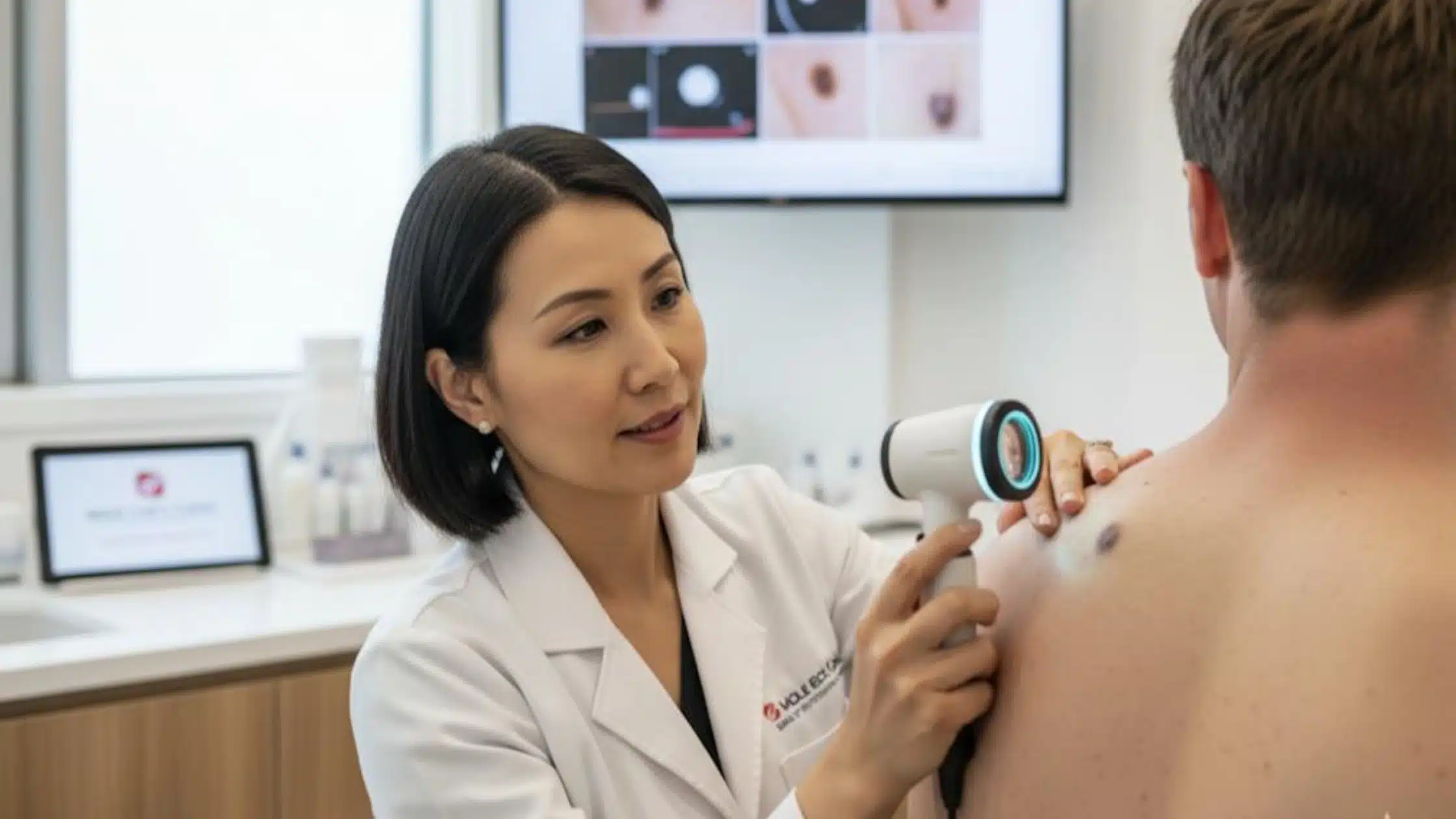
Australia has one of the highest rates of skin cancer in the world, making regular skin checks an essential part of maintaining good health. In Canberra, where residents enjoy an active outdoor lifestyle and experience high ultraviolet (UV) radiation throughout much of the year, protecting your skin should be a priority. While sunscreen, protective clothing, and shade help reduce UV exposure, they do not replace the importance of professional skin examinations.
Many skin cancers develop gradually and do not cause pain or obvious symptoms in their early stages. A small mole may slowly change in colour, a rough patch may refuse to heal, or a new spot may appear without causing concern. Because these changes can be subtle, many people delay seeking medical advice until the lesion has progressed. Regular Skin Cancer Screening in Canberra helps identify suspicious skin changes early, allowing treatment to begin before the condition becomes more serious.
Whether you have fair skin, spend time outdoors, have a family history of skin cancer, or simply want reassurance about your skin health, routine screening offers peace of mind and supports early detection.
In this guide, you’ll learn about the warning signs of skin cancer, what to expect during a screening appointment, common risk factors, prevention strategies, and when to visit a skin cancer clinic for professional care.
Why Skin Cancer Screening Matters
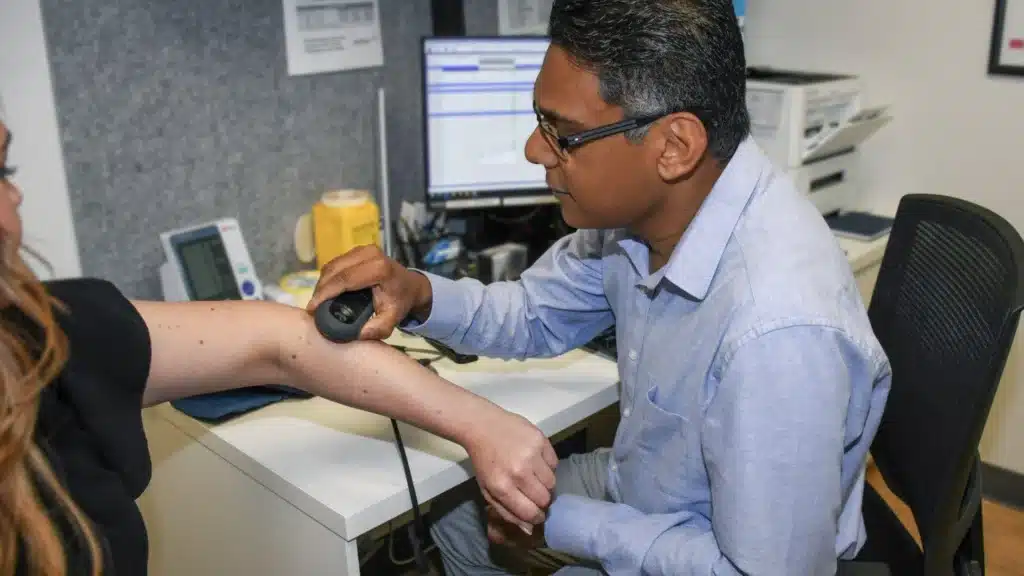
Australia has one of the highest rates of skin cancer in the world, so it is important that skin cancer is brought to our attention and detected early, typically as a result of damage being done by ultraviolet (UV) radiation from the sun.
There are three types of skin cancer:
- Basal Cell Carcinoma (BCC) is the most common form of skin cancer.
- Squamous Cell Carcinoma (SCC)
- Melanoma
These all have different behaviours, but early diagnosis is important to them all. Early detection of skin cancers can be treated successfully with less invasive techniques and better outcomes.
At Canberra professional Skin Cancer Screening, doctors will scrutinise your skin, look for any signs of suspicious moles and make a decision about necessary action if they believe anything is amiss. If no abnormalities are detected, regular, routine skin checks will give you some peace of mind and serve as a baseline for future checks.
Why Canberra Residents Should Prioritise Skin Checks
People like to spend time outdoors all year around in Canberra. Your skin is exposed to UV radiation all the time, whether it’s walking around Lake Burley Griffin, hiking to the local nature reserve, playing a weekend sport, cycling to work or working in your backyard garden.
Many people think that the skin can only be hurt during hot summer days. But, UV can be high even with mild temperatures or cloudy skies. Repeated exposures over time damage skin cells, leading to the risk of skin cancer in later life.
Therefore, regular Skin Cancer Screening in Canberra is advised for anyone who has had multiple sunburns, has other risk factors or continues to be exposed to the sun.
What is Skin Cancer Screening?
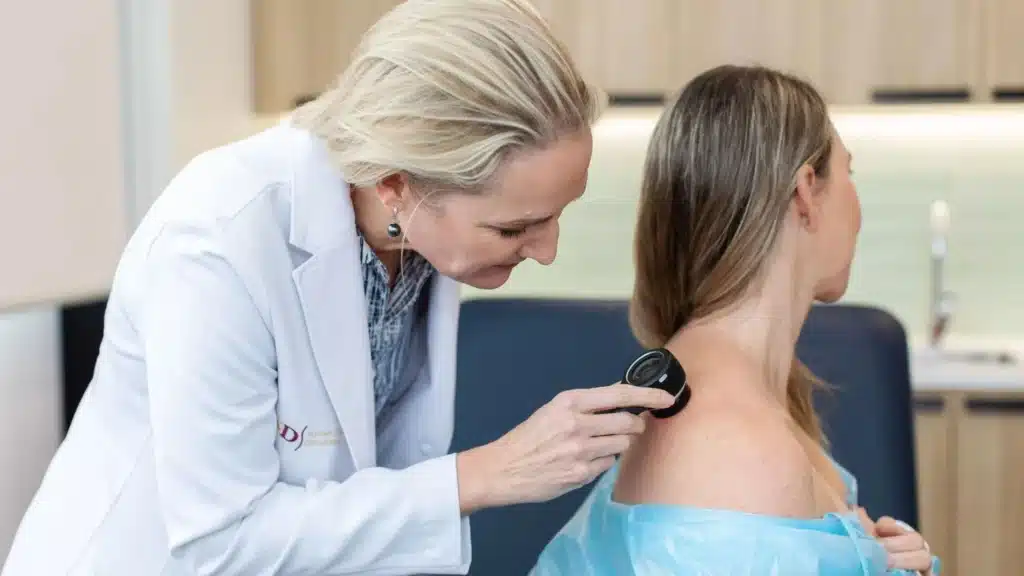
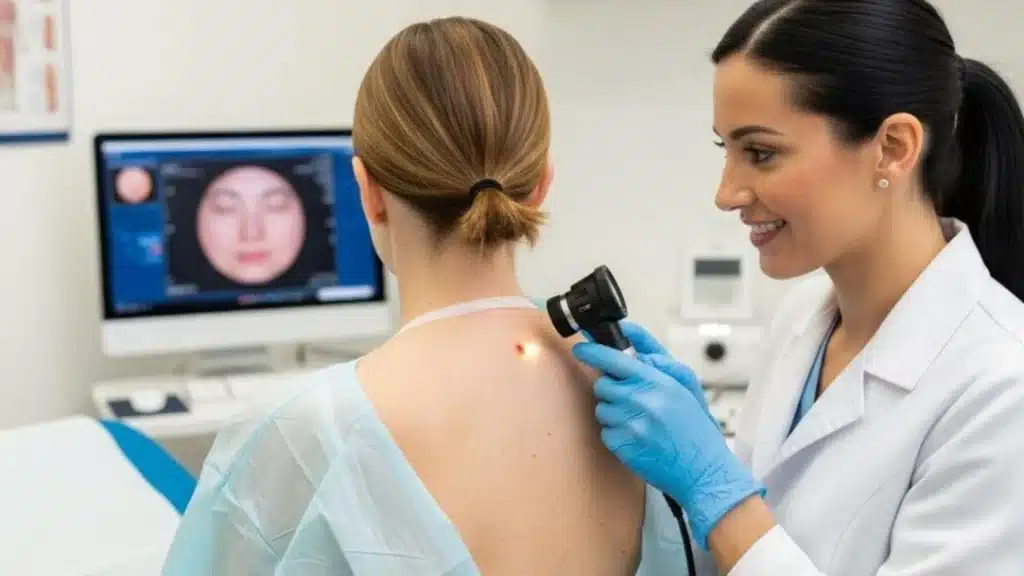
A Skin Cancer Screening is a thorough check conducted by a trained health care provider to detect abnormal moles, spots, or skin changes that could be a sign of cancer and need to be monitored or treated.
A professional examination is a detailed examination of the whole surface of your skin. This differs from checking your skin at home in a mirror. Your doctor knows how to look for early signs of skin cancer, before symptoms appear.
Usually a straightforward, non-invasive screening appointment to pick up any suspicious changes in skin as early as possible.
What Happens During a Skin Cancer Screening?
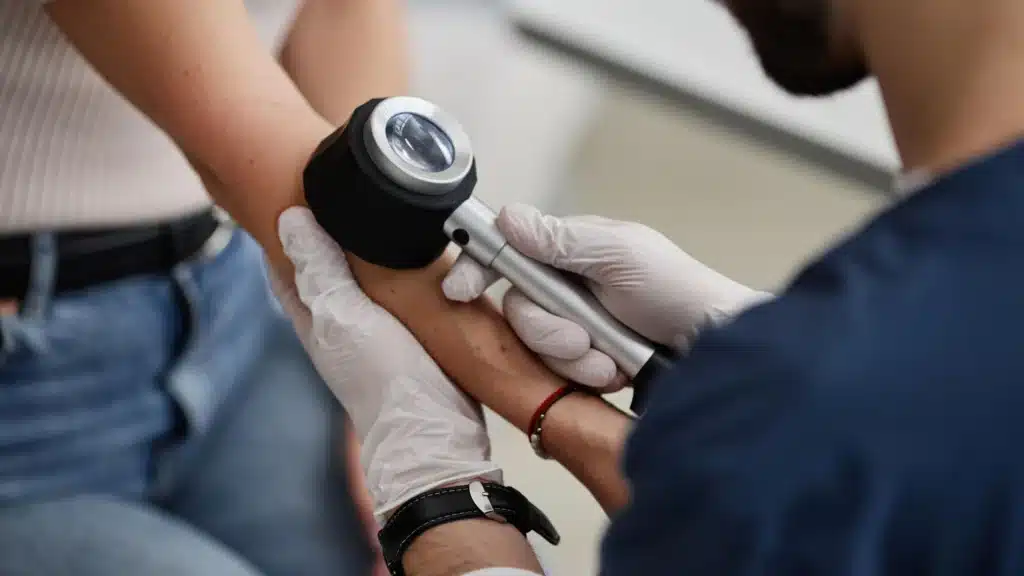
For those who have not received a skin check before, it can be easier to prepare for the procedure.
The time varies from 15 to 30 minutes based on skin, medical history and if some areas need more in-depth examination.
Reviewing Your Medical History
Your doctor will start by talking with you about things that could increase your risk for skin cancer.
This could involve questions on:
- A history of skin cancer.
- The family history of melanoma is a risk factor.Melanoma runs in the family.
- Outdoor occupation
- Sun exposure habits
- A family history of sunburn.History of severe sunburn.
- Current skin concerns
- Any changes you’ve seen or noticed recently
This information will help your doctor determine how much risk you are at.
Full Skin Examination
The doctor will thoroughly check your skin from head to foot.
Typical outcomes measured are:
- Face
- Scalp
- Ears
- Neck
- Chest
- Back
- Arms
- Hands
- Legs
- Feet
Other areas may also be explored as deemed clinically appropriate depending on the situation.
The exam is done with sensitivity and your comfort and privacy always taken into consideration.
Assessment of Moles and Skin Lesions
When the doctor performs the exam, he or she checks any unusual moles or changes in the skin.
They assess characteristics such as:
- Size
- Shape
- Colour
- Border
- Symmetry
- Surface texture
- Evidence of recent change
These characteristics are important to consider when deciding if a lesion is likely to be harmless or if it warrants further investigation.
Discussing the Results
Once your exam is finished, your doctor will discuss their findings with you.
Depending on the results, they recommend:
- Routine skin monitoring
- Regular follow-up appointments
- The clinical photos taken for comparison over time.
- A skin biopsy
- Suspect lesions were excised.
- If further treatment is needed, referral to a skin cancer specialist.
Many people end their visit with the feeling that their skin is healthy, and others can greatly benefit from the early diagnosis of any lesions that could otherwise be missed.
Who Should Have Regular Skin Cancer Screening?
Everyone is at risk for developing skin cancer, but some individuals may be at increased risk and should have regular check-ups.
You should consider Skin Cancer Screening in Canberra if you:
- Burns skin easily; burned easily with mild exposure to sun.
- Be blonde or red haired
- Play outside for extended periods of time.
- SUNSENSITIVE: Have suffered repeated sunburns
- Be spotted with a lot of moles or freckles
- Look out for a mole that is growing, fading or has a new appearance
- Had skin cancer in the past
- Have a close family history of melanoma
- Have a weakened immune system
- Are over the age of 40
- Work in an outdoor occupation
If they have high exposure to the sun or concerns about changes to their skin lesions, even younger adults might need regular skin exams.
Early Signs of Skin Cancer You Should Never Ignore
The problem with skin cancer is that many skin cancers are painless. They may seem benign enough, and you might not notice that there are important warning signs.
Being aware of the symptoms can help you seek medical help sooner.
A Mole That Changes
One of the most common signs is when there is a change in an existing mole.
Be alert for a mole that becomes:
- Larger
- Darker
- Lighter
- Raised
- Uneven
- Irregular in shape
If there is any change that is noticed, it should be evaluated by a professional.
A New Spot That Appears in Adulthood
New moles can emerge at any point in one’s life, but a new skin lesion that keeps growing or changing should be explored.
A professional skin examination is used to determine if it is harmless or needs to be investigated.
A Sore That Doesn’t Heal
If a sore keeps developing, crusting, bleeding or not healing after weeks, it could be a skin cancer.
These lesions are frequently seen on skin that is exposed to the sun frequently such as ears, face, hands, neck and scalp.
Rough or Scaly Patches
Ongoing dry, rough or scaly patches may be a sign of sun damage or early skin cancer.
If a patch doesn’t improve after using moisturiser or if it continues to get bigger, seek advice from health care providers.
Itching, Bleeding or Tender Lesions
While there are many harmless skin conditions that can cause itching, any spot that continues to bleed, becomes tender or causes persistent itching should not be overlooked.
Early assessment can aid in determining the cause and whether or not additional investigation is needed.
Skin Changes That Continue to Evolve
If a skin lesion persists and evolves over a period of several weeks or months, it should be treated with medical attention.
Find out about suspicious lesions early, and treatment is more likely to be successful and less extensive.
Common Risk Factors for Skin Cancer
Although skin cancer can occur in anyone, certain factors make it more likely that skin will change abnormally. Knowing the risks can help you make decisions about when to get a Skin Cancer Screening in Canberra.
Prolonged UV Exposure
Ultraviolet (UV) radiation is the biggest cause of skin cancer. Without proper sun protection, prolonged time in the sun slowly wreaks havoc on skin cells. The effects are cumulative, so, even though sunburn may not be a frequent occurrence, years of exposure can lead to an increased risk.
Fair Skin
Those with blonde or red hair, light coloured eyes and fair skin have less protection against the effects of UV. But, all skin types are at risk for skin cancer – so everyone should get regular skin checks.
Previous Skin Cancer
Those who have had any type of skin cancer are more likely to develop a second lesion. New or recurrent skin cancers are picked up as early as possible with regular follow-up appointments.
Family History
If your family member has had melanoma or another type of skin cancer, there’s a higher risk. Depending on your family history, your doctor might suggest to check you more often.
Age
As people age, their risk of developing skin cancer also increases because the damage due to UV exposure accumulates over many years. Young people, however, can also get skin cancer, particularly if they have had extensive exposure to the sun.
Outdoor Occupation or Lifestyle
Individuals who are outdoors or engage in activities like running, cycling, golfing, hiking, gardening and other outdoor activities are at greater risk of exposure to UV radiation. Applying sun protection and having regular skin checks will help minimise long term risks.
Understanding the Different Types of Skin Cancer
There are a number of types of skin cancer but the most prevalent are three. There are various types, and they each respond to a different kind of treatment.
Basal Cell Carcinoma (BCC)
Basal Cell Carcinoma is the most common type of skin cancer. Slow growing and seldom spreads to other parts of the body, but can damage tissue if left untreated.
Common signs include:
- Small bump that is shiny or like pearls.
- A pink patch
- A wound that is healed and regained
- A small growth (with visible blood vessels)
Squamous Cell Carcinoma (SCC)
Squamous Cell Carcinoma tends to form on the parts of the body that are often exposed to sunlight, such as the face, ears, neck, scalp and hands.
It may appear as:
- Thick scaly patches
- Firm red lumps
- Crusted sores
- Scratchy areas which keep growing
Early diagnosis is essential because, if not treated early, SCC can spread.
Melanoma
Melanoma is rare but the most deadly form of skin cancer. If left untreated it can spread to other parts of the body more easily.
Signs and symptoms may include:
- A new dark mole
- A mole that has changed in colour or size.A mole that has altered in colour or size.
- Irregular borders
- There may be more than one color in a single lesion.
- Rapid changes over time.
When such changes are observed, make sure to seek medical attention immediately.
How Doctors Assess Suspicious Skin Lesions
At Skin Cancer Screening in Canberra, your medical professional will thoroughly check out any mole or lesion that is unusual.
The assessment will involve checking (some of the following):
- Colour variation
- Shape
- Border definition
- Diameter
- Symmetry
- Surface texture
- Changes since last inspection
A doctor may also refer to old photos or medical records if they have a previous one. This can be used to detect changes over time.
While not all suspicious lesions are cancerous, the diagnosis of some requires further investigation or monitoring.
When Is a Skin Biopsy Recommended?
Your doctor may order a biopsy if the lesion looks suspicious.
A biopsy is the removal of all or part of the lesion for microscopic examination. This helps to arrive at an accurate diagnosis and identify appropriate treatment.
The biopsy can confirm:
- Determine if cancer cells are present or not
- The type of skin cancer
- The depth of penetration of the lesion.
- Determine if further treatment is required.
Although not all lesions will need to be biopsied, biopsy is a very reliable way to diagnose skin cancer.
Treatment Options Following Skin Cancer Screening
Treatment will be determined by the type, size, location and stage of the skin cancer, and your overall health, if a skin cancer is diagnosed.
Your skin cancer specialist will discuss the best treatment plan for your diagnosis.
Treatment includes:
Surgical Excision
Numerous skin cancers can be cured if the damaged skin and a margin of normal skin is removed.
Cryotherapy
Cryotherapy involves extreme cold temperatures that will destroy some sun damaged or precancerous areas. A fast technique that may be able to be accomplished in a clinic visit.
Topical Treatments
Topical creams containing drugs to treat the abnormal cells may be effective for some superficial skin cancers or abnormal skin changes.
Advanced Surgical Procedures
More complex or large skin cancers might need special surgery to remove them but keep healthy tissue around the skin cancer.
Skin Cancer Screening in Canberra can help detect skin cancers early giving the opportunity for treatment to occur before the cancer has progressed.
How to Help Prevent Skin Cancer
While not all skin cancers are preventable, taking good care of your skin to prevent sun damage can lower your risk for skin cancer.
Some simple prevention measures include:
- Use all-over sunscreen with a high SPF.
- Reapply sunscreen every 2 hours and after swimming or heavy sweating.
- Use a wide-brimmed hat to shield the face, ears and neck.
- Wear clothes that cover bare skin.
- Wear UV-protective sunglasses.
- Go to shade during the peak hours of the day when ultraviolet (UV) exposure is greatest.
- Avoid tanning beds and artificial UV exposure.
- Self-skin checks at home regularly.
- Get regular professional skin checks at a skin cancer clinic.
Daily sun protection and regular screening is one of the best methods to keep skin healthy.
Book Your Skin Cancer Screening in Canberra Today
Taking care of your skin today can make a significant difference in the future. If you’ve noticed a new or changing spot, have concerns about a mole, or it’s time for your routine skin check, don’t delay.
At Canberra Skin Cancer Clinic, our experienced team provides comprehensive skin assessments, early detection services, and personalised care in a supportive environment. Whether you need routine Skin Cancer Screening, advice from a skin cancer specialist, or guidance on treatment options, we’re here to help.
Book your appointment today and take a proactive step towards protecting your skin with trusted care at Canberra Skin Cancer Clinic.
| Canberra Skin Cancer Clinic- Green Way | Canberra Skin Cancer Clinic- Molonglo Valley |
| Phone: (02) 51046409 | Phone: (02) 51046409 |
| Email: reception@greenwaymedicalcentre.com.au | Email: reception@greenwaymedicalcentre.com.au |
| Address: Unit 6/175 Anketell Street, Greenway ACT 2900 | Address: 110 Woodberry Ave Coombs ACT 2611 |
| Website: https://canberraskincancerclinic.com.au/ | Website: https://canberraskincancerclinic.com.au/ |
Frequently Asked Questions
Q1. Is Skin Cancer Screening painful?
No. A routine Skin Cancer Screening is a non-invasive examination and is generally painless. If a biopsy is required, a local anaesthetic is used to keep you comfortable.
Q2.How long does a skin cancer screening appointment take?
Most appointments take between 15 and 30 minutes, depending on your medical history and whether any lesions require closer examination.
Q3. Should I have a skin check even if I have no symptoms?
Yes. Many skin cancers develop without noticeable symptoms during the early stages. Routine screening helps identify suspicious lesions before they progress.
Q4. How often should I have my skin checked?
The recommended frequency depends on your personal risk factors, including your skin type, family history, previous skin cancers, and level of sun exposure. Your doctor can recommend an appropriate schedule.
Q5.Can younger people develop skin cancer?
Yes. Although skin cancer becomes more common with age, younger adults can also develop it, particularly if they have significant UV exposure or a family history of skin cancer.