
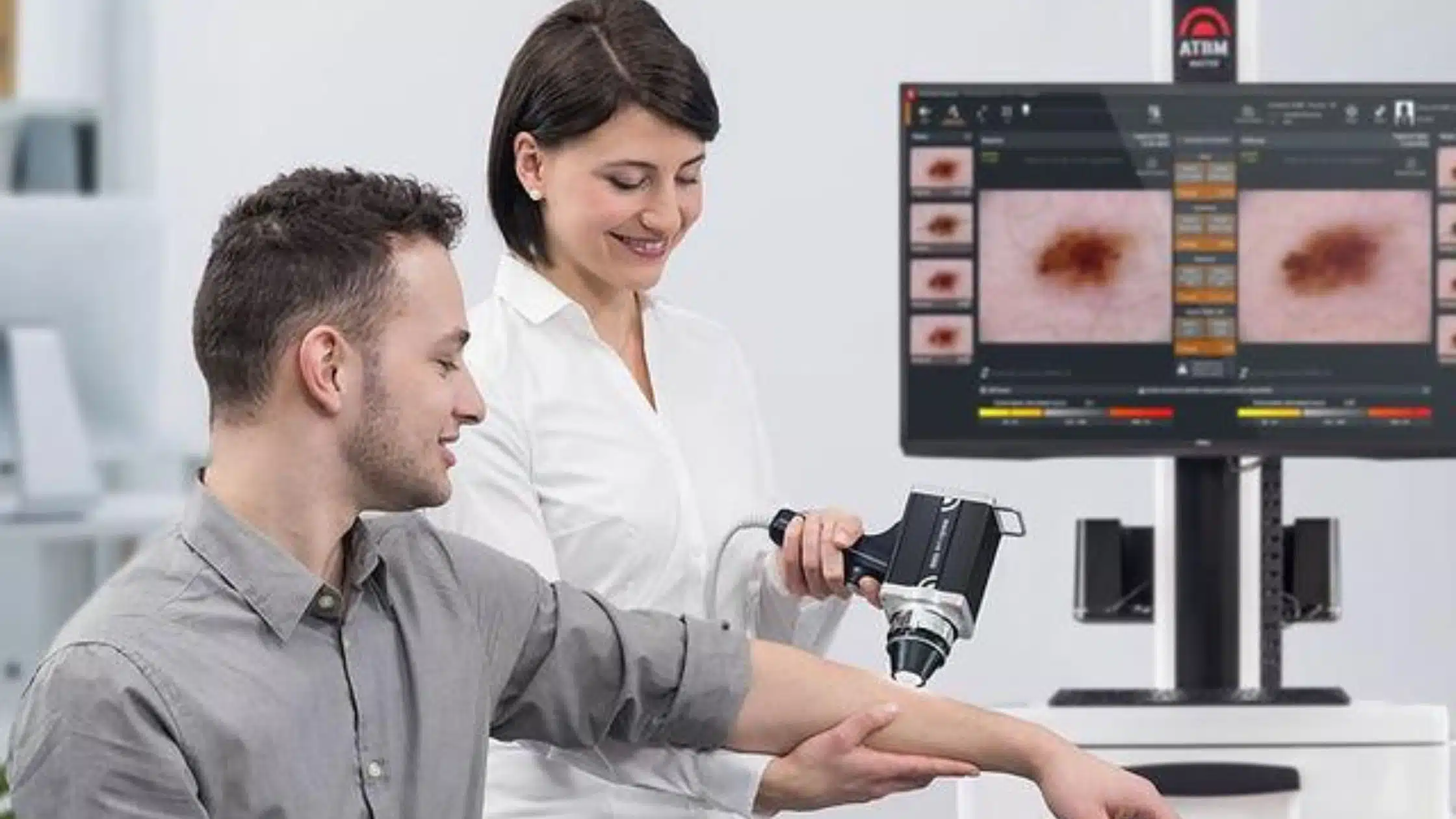
Skin health is an essential part of your overall wellbeing, yet many people overlook changes in their skin until they become more noticeable. While most moles, freckles, and skin spots are harmless, some changes may indicate skin cancer or other skin conditions that require medical attention. One of the most reliable ways to determine whether a suspicious lesion is benign or cancerous is through a skin biopsy.
Australia has one of the highest rates of skin cancer in the world, making early detection more important than ever. For Canberra residents, regular skin checks and timely biopsies play a significant role in identifying skin cancer at its earliest and most treatable stage.
If your doctor has recommended a biopsy, you may have questions about why it’s needed, how the procedure works, whether it is painful, and what happens after the sample is taken. Understanding the process can help ease anxiety and ensure you know what to expect.
In this comprehensive guide, we’ll explain everything you need to know about Skin Biopsy in Canberra, including the different biopsy techniques, when they’re recommended, how results are interpreted, recovery tips, and why choosing an experienced clinic is important for accurate diagnosis and treatment.
What Is a Skin Biopsy?
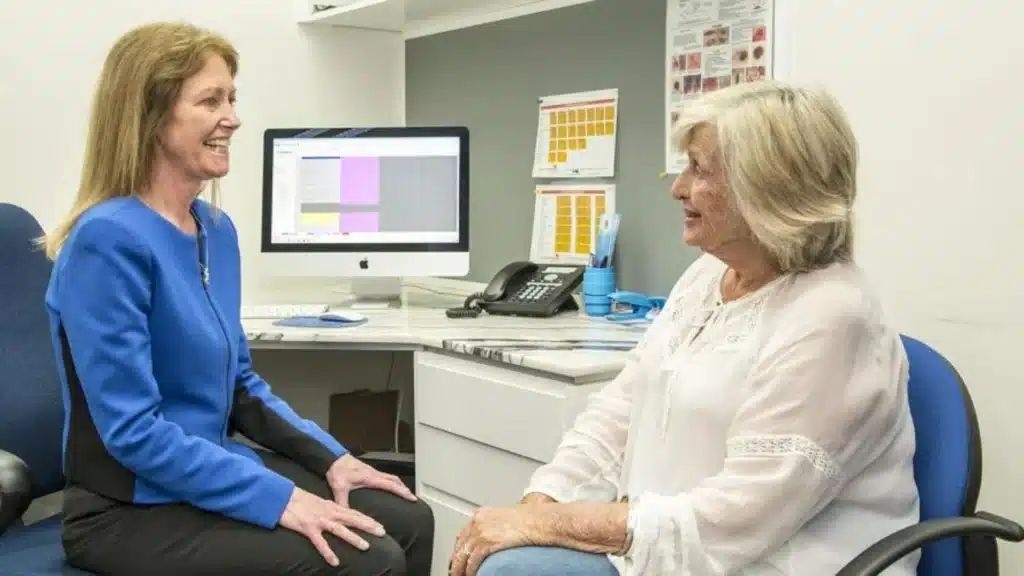
A skin biopsy is a simple procedure that involves taking a small sample of skin and sending it to a laboratory for examination. A specialist pathologist then looks at the tissue sample under a microscope to decide if the tissue is normal, inflamed, infected or cancerous.
Skin biopsy is used to diagnose many skin conditions and is the gold standard because it gives a definite diagnosis, one that cannot be made by appearance alone.
While a biopsy can sound frightening, it’s usually brief, noninvasive, and done while the patient is numb with local anaesthetic and is painless for the majority of patients.
Why Might You Need a Skin Biopsy?
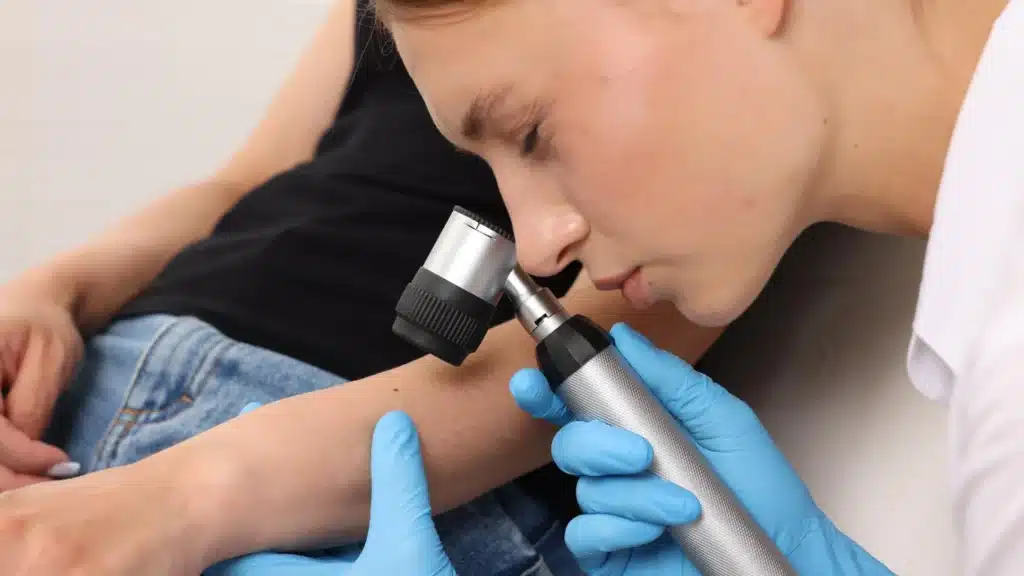
A biopsy is not needed for all moles or skin growths. However, if a spot is detected as suspicious when examined by the doctor or in dermoscopy, a biopsy may be recommended.
Common reasons for a biopsy include:
A Changing Mole: Any change in size, colour, shape or texture may indicate a mole should be evaluated promptly. These changes can sometimes be signs of melanoma, or another type of skin cancer.
A Persistent Sore: If a wound or ulcer doesn’t heal in a few weeks, it may need to be checked for skin cancer.
A New Skin Growth: If new bumps, lumps or raised spots are still growing, it is important to see a health care professional.
Scaly or Crusting Patches: Occasionally, persistent rough, scaly or crusted areas may be related to precancerous lesions or squamous cell carcinoma.
Unexplained Skin Changes: There are some skin conditions that look alike. A biopsy can help determine if the skin condition is inflammation, infection, or cancer.
Why Skin Biopsies Are Important
A biopsy is the only way to get information that isn’t always available by visual examination.
The benefits include:
- Accurate diagnosis
- The results of a biopsy confirming the skin cancer’s type.
- Determining tumour depth
- Guiding treatment decisions
- Avoiding unnecessary treatments
- Check for abnormal skin changes
The timely diagnosis given by a biopsy generally improves treatment and prognosis.
Conditions That Can Be Diagnosed with a Skin Biopsy
Skin biopsy is a diagnostic procedure which is performed to diagnose a variety of skin disorders.
Basal Cell Carcinoma (BCC): Basal Cell Carcinoma is Australia’s most common skin cancer. It often appears as a shiny bump, pearly lesion, or sore that doesn’t heal. A biopsy confirms the diagnosis before treatment begins.
Differential diagnosis: Squamous Cell Carcinoma (SCC): Squamous Cell Carcinoma can present as a thick scaly patch or a crusted lump. If untreated, SCC can be transmitted and diagnosis is important.
Melanoma: Melanoma is the most deadly skin cancer. Biopsy allows the diagnosis of melanoma and helps identify the thickness and stage of the melanoma to guide treatment.
Actinic Keratosis: They are rough and sun damaged and are called precancerous. If the lesion is abnormal in some way or does not respond to treatment, a biopsy might be recommended.
Inflammatory Skin Conditions: In some cases, the doctor may suggest a biopsy if there is any doubt about the diagnosis in patients with eczema, psoriasis, lupus and dermatitis.
Skin Infections: Some bacterial, fungal or autoimmune skin diseases may also need skin biopsy to make an accurate diagnosis.
Types of Skin Biopsies
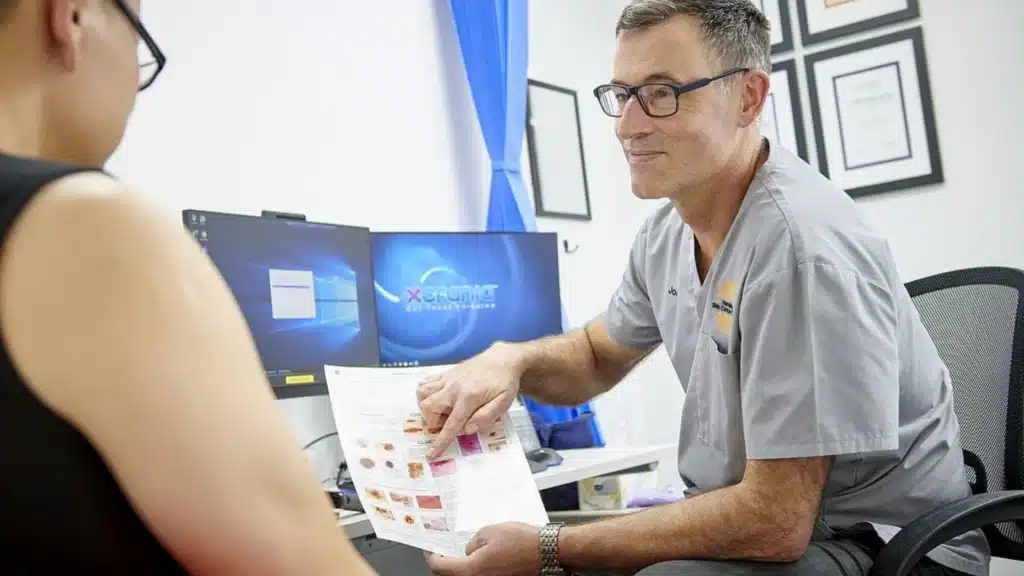
The type of biopsy to recommend will depend on the location, size and depth of the lesion.
Shave Biopsy
A shave biopsy is a surgical procedure that involves cutting away the top layers of skin with a special shave blade.
It is used for:
- Raised lesions
- Basal Cell Carcinoma that has only grown into the skin’s surface.
- Benign growths
- Some precancerous lesions
Typically causes little to no scarring.
Punch Biopsy
Punch biopsy involves the removal of a small amount of skin in a circular shape with all of the skin layers.
It is frequently used to treat:
- Rashes
- Inflammatory skin diseases
- Small suspicious lesions
- Diagnosis of melanoma in some cases
Depending upon the size of the biopsy, small stitches may be necessary.
Excisional Biopsy
In an excisional biopsy, the entire lesion and a margin of surrounding healthy skin is removed.
This method is usually chosen when a melanoma is suspected, allowing the pathologist to look at the whole tumor.
Incisional Biopsy
An incisional biopsy is taking a sample of a larger lesion.
This can be used when it is not feasible to remove the lesion entirely or when further planning is needed prior to definitive therapy.
What Happens During a Skin Biopsy?
Patients are often amazed at how simple the procedure is.
Step 1: Medical Assessment
Your doctor checks your medical history, examines the lesion, and discusses with you the reason for a biopsy.
Step 2: Local Anaesthetic
The area being treated is cleansed and a local anaesthetic is injected into the skin.
The injection might cause a slight sting, but the biopsy itself should not hurt.
Step 3: Tissue Removal
The correct biopsy method is used to take the sample of tissue.
The biopsy typically takes a few minutes, depending upon the type of biopsy being performed.
Step 4: Closing the Wound
If the wound is small, it may heal without stitches, but larger biopsies might need them.
A dressing is then put on a protective cover.
Step 5: Laboratory Analysis
The tissue is placed in a pathology lab where the specimen is carefully marked and examined under a microscope.
Is a Skin Biopsy Painful?
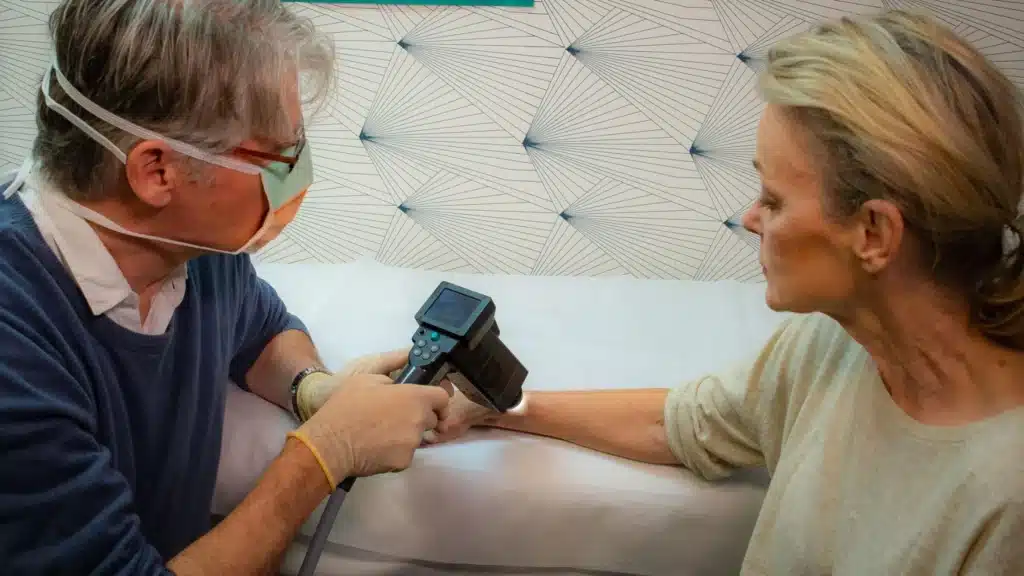
Most patients have minimal pain.
The local anaesthetic will be used to numb the area where the procedure is taking place so that you won’t feel any pain, but you might feel pressure or movement.
Once the anaesthetic has worn off, if needed, mild soreness can be treated with simple pain relievers.
Following the appointment, most patients are able to resume their normal activities.
How Long Does It Take to Get Results?
Pathology results are generally available within several days, although the exact timeframe can vary depending on the complexity of the analysis.
Once the results are available, your doctor will explain:
- Whether cancer is present
- The type of skin condition
- Tumour characteristics
- Whether further treatment is required
Receiving a definitive diagnosis allows an appropriate treatment plan to be developed.
Preparing for Your Skin Biopsy
Your doctor will ask you about your complaints before the appointment:
- Current medications
- Blood-thinning medicines
- Allergies
- Previous skin cancers
- Medical conditions
- Personal family history of skin cancer
Comfortable clothing which enables easy access to the biopsy site is also helpful.
Aftercare Following a Skin Biopsy
Good wound management will ensure proper healing and minimise the risk of infection.
Your doctor will usually recommend:
- Ensuring dressing remains clean and dry
- Strictly following instructions for wound care
- Refraining from strenuous activities when suggested
- Observing for signs of infection
- If necessary, returning for stitches to be removed.
Very little scarring is seen at most biopsy sites, and they heal well.
Possible Risks
Skin biopsies are extremely safe procedures.
As with any small surgical procedure, however, there are some risks involved such as:
- Bleeding
- Infection
- Mild discomfort
- Bruising
- Scarring
- Temporary change in skin colour.
Complying with aftercare directions considerably minimizes these risks.
Choosing a Skin Biopsy Clinic in Canberra
When choosing a skin biopsy clinic Canberra, you should consider a clinic with the following features:
- Experienced skin cancer doctors
- Comprehensive skin examinations
- Dermoscopy technology
- Accurate biopsy procedures
- Pathology services
- Personalised treatment plans
- Ongoing follow-up care
When a clinic has experience in the field, it will be more likely to provide an accurate diagnosis and timely treatment if necessary.
Can a Skin Biopsy Detect Skin Cancer?
Yes. The best method for diagnosing skin cancer is by way of biopsy.
Helps to determine if a lesion is:
- Benign
- Precancerous
- Basal Cell Carcinoma
- Squamous Cell Carcinoma
- Melanoma
It also provides important information which can guide treatment decisions.
Frequently Asked Questions
Q1. How long does a skin biopsy take?
Most skin biopsy procedures take between 15 and 30 minutes, including preparation and dressing the wound.
Q2. Will I need stitches?
Some biopsies require stitches, particularly punch and excisional biopsies. Smaller shave biopsies often heal without stitches.
Q3. Can I drive home afterwards?
Yes. In most cases, patients can drive home and resume normal activities unless advised otherwise by their doctor.
Q4. Will I have a scar?
Any procedure that removes skin can leave a small scar. However, experienced clinicians use techniques designed to minimise scarring wherever possible.
Q5. When should I seek medical advice after a biopsy?
Contact your doctor if you experience increasing pain, redness, swelling, excessive bleeding, or signs of infection around the biopsy site.
Book Your Skin Biopsy Today
If you have a suspicious mole, a non-healing sore, or a skin lesion that needs further assessment, don’t wait. Canberra Skin Cancer Clinic offers comprehensive skin examinations, professional biopsy procedures, and personalised care to support early diagnosis and effective treatment. Book your appointment today and take a proactive step towards protecting your skin health.
| Canberra Skin Cancer Clinic- Green Way | Canberra Skin Cancer Clinic- Molonglo Valley |
| Phone: (02) 51046409 | Phone: (02) 51046409 |
| Email: reception@greenwaymedicalcentre.com.au | Email: reception@greenwaymedicalcentre.com.au |
| Address: Unit 6/175 Anketell Street, Greenway ACT 2900 | Address: 110 Woodberry Ave Coombs ACT 2611 |
| Website: https://canberraskincancerclinic.com.au/ | Website: https://canberraskincancerclinic.com.au/ |