
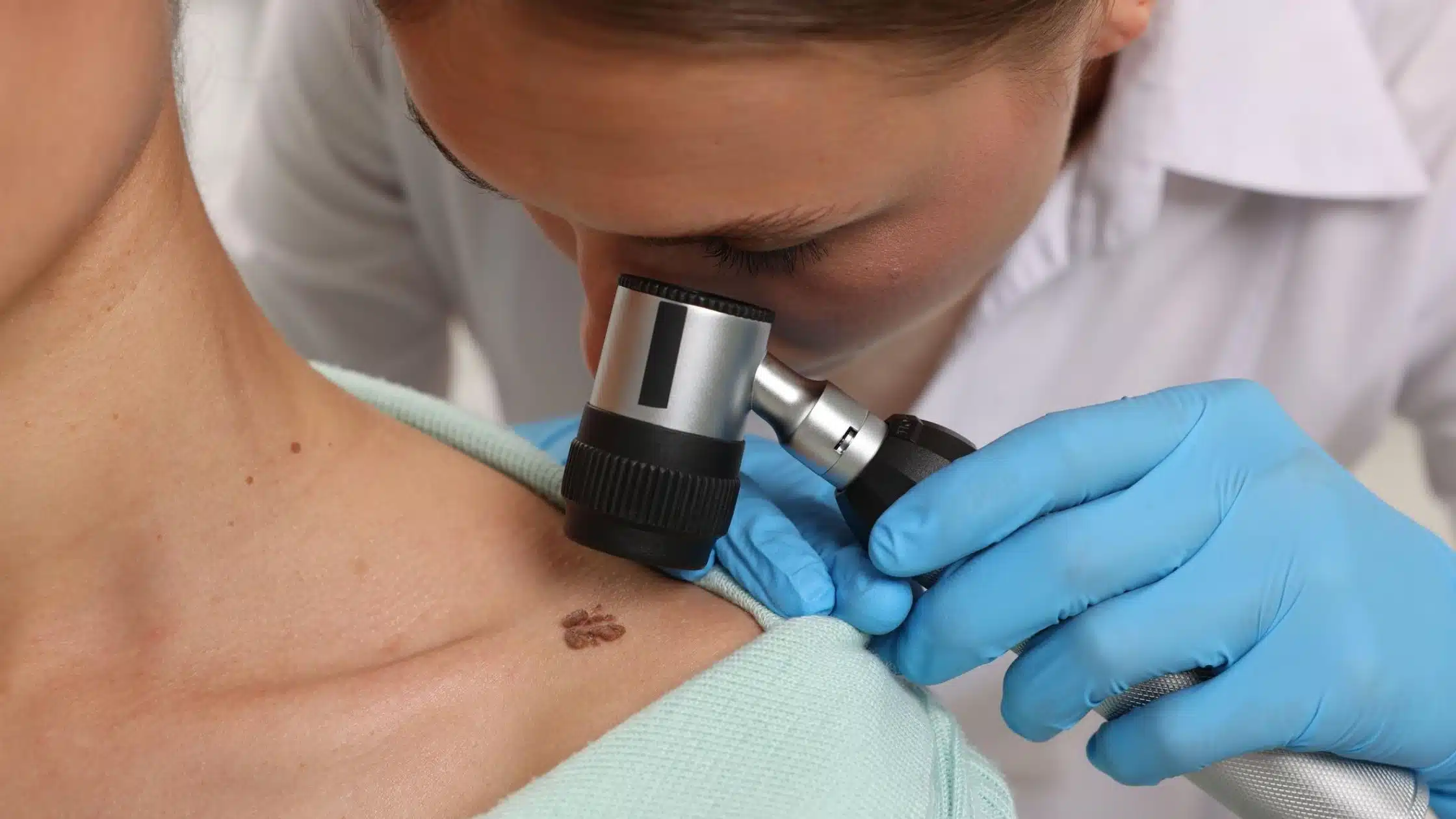
Australia ranks as one of the countries with the highest incidence of skin cancer and early detection often means early treatment and better prognosis. It is also crucial for those in Canberra to watch the changes in the skin and take appropriate measures to safeguard their long-term health.
Not all suspicious spots will cause pain. May start with a small spot, a shifting mole, a longer-lasting, scaly spot, or an ulcer that never heals. Skin cancers can be seen in so many different forms, that it’s important to know the Skin Cancer Warning Signs in Canberra and to get a professional opinion on what has changed.
The population of Canberra is very active and outdoors enjoying, however, their skin may be exposed to UV in many of their daily activities. Skin awareness, sun protection and regular professional checks can help detect the early signs of changes that may be of concern before they are more serious.
This guide covers the typical symptoms of skin cancer, the ones to watch out for and when it’s time to book a skin check canberra appointment in Canberra.
Why Paying Attention to Skin Changes Matters
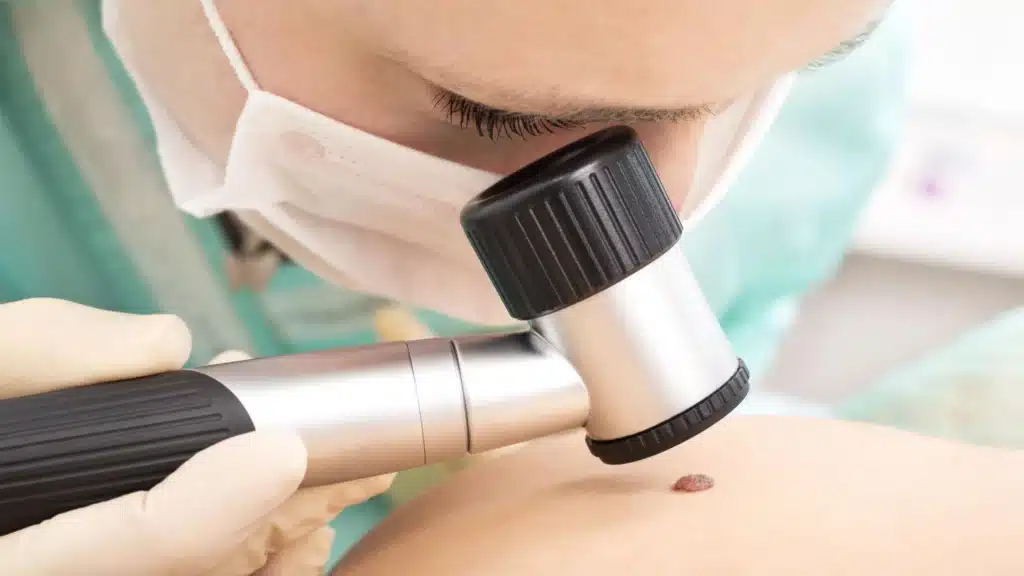
Some skin cancers may appear to be harmless at first, and others may appear gradually. A spot can look like a pimple, a dry skin, scab or just a regular mole. Some people change so slowly that it will not be easy to see the difference day by day.
That is why it is essential to be aware of oneself regularly.
If you understand what is regular and what is not, it’s a lot simpler to determine if you discover something unusual. If the mole becomes discoloured, the spot grows larger, or if the sore heals and reappears, it is advisable to get medical advice.
An earlier diagnosis can result in a simpler Skin Cancer Treatment Canberra and a diagnosis earlier in the disease process.
Not Every Suspicious Spot Is Cancer
It is important to not assume that any new or changing mark is skin cancer. Numerous skin alterations are insignificant.
It is equally important to not overlook a persistent or unusual lesion, however, because it does not cause pain. A professional evaluation will assist in deciding if the location needs to be monitored or a further investigation and/or treatment be provided.
Common Skin Cancer Warning Signs in Canberra
Not all skin cancers look alike. There are several different varieties and they can differ greatly in appearance.
The most important rule is to look for new, changing, unusual and not-healing places.
Below are some of the most common warning signs to look for.It is important to not assume that any new or changing mark is skin cancer. Numerous skin alterations are insignificant.
It is equally important to not overlook a persistent or unusual lesion, however, because it does not cause pain. A professional evaluation will assist in deciding if the location needs to be monitored or a further investigation and/or treatment be provided.
1. A New Spot That Appears and Continues to Change
If the new skin spot continues to grow or darken or bleed or change in texture, it should be noted, but is not necessarily a cause for concern.
Specifically look out for a location where:
- Emerges suddenly, and grows in size
- Develops an unusual colour
- Rises up or thickens
- Bleeds from any hole or wound, even with no apparent injury
- Creates a shape that is not regular
- Is clearly different than other areas on your skin
Any new lesion that persists for several weeks is not to be overlooked.
2. A Mole that changes in appearance
One of the most well known indicators for a mole is a change in it.
One simple method to determine an evolving mole is known as ABCDE.
A – Asymmetry
One half of the mole is not like the other half.
B – Border
The edges are uneven, blurry, irregular or poorly defined.
C – Colour
Mole has multiple colours, or a variation in colour. This can be shades of brown, black, red, pink, white or blue.
D – Diameter
If the mole expands or grows in size, it should be assessed. Growth is important, but not necessarily a cause of concern for a mole.
E – Evolving
Anything that is more of a development is crucial. This can be a change in size, shape, colour, elevation or symptoms.
The “E” for evolving is especially helpful, because change might be a key indicator.
The Ugly Duckling Sign
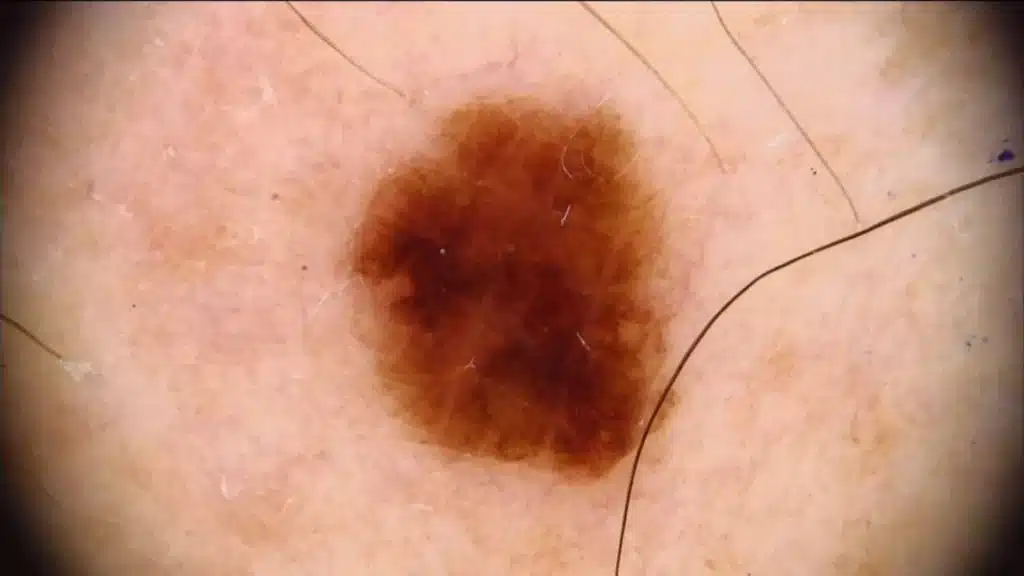
The other easy one could be searching for the “ugly duckling.”
There are general patterns to moles which most people are familiar with. Some may be small and brown and others may be similar in shape or color.
If there is a mole that is drastically different from the rest, it could require professional evaluation.
For instance, many of your moles appear identical, while one is darker, larger, raised, and/or is shaped differently than the rest, so it stands out as the “ugly duckling”.
It can be helpful particularly when you have lots of moles and can’t use the ABCDE method with each mole.
Unhealing Sore
Another change that can’t be overlooked is a persistent sore.
You may see a spot that:
- Scabs repeatedly
- Bleeds easily
- Appears to heal and then returns
- Does not close for long periods of time.
- Dries out or gets angry
- Continues to grow
Certain types of skin cancers may be a persistent sore or ulcer, especially on the sun-exposed skin.
They can occur anywhere, such as the face, ears, scalp, neck, arms and hands. But, lesions can occur anywhere on the body if they are considered suspicious.
If a sore keeps coming back or it doesn’t heal as it should, make an appointment for a professional skin assessment.
A Scaly, Rough or Crusty Patch
Not all skin lesions that cause concern are dark moles.
Some may appear as:
- A patch of dry or rough ground.
- Persistent scaling
- A crusty area
- A thickened area of skin.
- A red and/or pink spot that fails to clear.
These changes can sometimes be confused with symptoms of eczema, dry skin or irritation.
It is advisable to get the patch examined if it does not go away with proper skin care or if it keeps coming back in the same area.
Pearly or Shiny Bump
Another tip-off is a small shiny or pearly bump.
Some lesions might appear as:
- Translucent
- Skin coloured
- Pink
- Pearly
- Smooth and raised
Sometimes there are blood vessels that can be seen.
These kinds of spots may appear on parts of the body that are routinely exposed to the sun, including the face, ears and neck.
They may develop slowly and are not very painful, so people don’t notice them for months or even years.
A Spot That Bleeds Easily
Any bleeding for no apparent reason should be noted.
Bleeding of a lesion can happen when:
- Washing your face
- Drying with a towel
- Shaving
- Gently rubbing the place.
Any site that continues to bleed, scab over and then bleed again should be evaluated.
Bleeding may occur for benign reasons, but multiple episodes of bleeding from the same area should not be overlooked.
Itching, Tenderness or Pain in a Skin Lesion
Most skin cancers don’t feel painful; just because a spot doesn’t cause pain doesn’t mean it is not harmful.
It is important to remember, however, that new symptoms may be significant.
Pay attention if a mole or skin lesion:
- Starts itching
- Becomes tender
- Feels painful
- Generates a feeling of burn.Produces burning sensation.
- Becomes increasingly sensitive
While symptoms may not be diagnostic of skin cancer, if someone has a skin exam and it feels different, talk about it.
Skin Cancer Warning Signs in Canberra and Common Types of Skin Cancer
Knowing about the three primary forms of skin cancer can help you comprehend why abnormal skin growth can appear so varied.
Melanoma
Melanoma is a disease of the pigment-producing cells (melanocytes). Sometimes it can grow out of an existing mole, but sometimes it can be a brand new spot.
Possible signs include:
- A changing mole
- Uneven shape
- Multiple colours
- Rapid growth
- An unusual dark spot
- A mole that is different in color from the surrounding moles
Melanoma can develop on the body in spots that don’t get sun as often as others.
Melanoma can be more aggressive than other skin cancers and early evaluation of the suspicious change is crucial.
Melanoma doesn’t always look dark.
People tend to have a negative impression of a black or dark mole, but not all melanomas look like that.
There may be some that are pink, red or comparatively light in colour.
Another factor is that it might be misleading to look for only dark moles. All new or changing lesions should be watched.
Basal Cell Carcinoma
Basal cell carcinoma is a common type of skin cancer.
It may appear as:
- A pearly or shiny bump
- A pink growth
- A sore that does not heal
- A raised, patch of blood under the skin that has a crust over it
- A scar-like area
Basal Cell Carcinoma grows slowly. This gives the impression that a spot does not cause any harm.
Any lesions that don’t heal or that continue to change should be evaluated by a professional, even if they are slow growing.
Squamous Cell Carcinoma
Squamous cell carcinoma may develop as a:
- Thickened area
- Scaly patch
- Red or reddened lesion
- Crusted growth
- A spot or area that is tender or bleeding.
Some lesions may grow faster than anticipated.
Early assessment is useful to determine if a biopsy, monitoring or Skin Cancer Treatment Canberra is necessary.
Where Should You Check for Suspicious Skin Changes?
Skin cancer can happen anywhere on the skin, and a skin self-check should not be limited to face and arms.
Try to examine:
- Face and neck
- Ears
- Scalp
- Shoulders and back
- Chest and abdomen
- Arms and hands
- Legs and feet
- Between the toes
- Soles of the feet
- Areas that are difficult to see
You can use a mirror to examine your back and other hard-to-reach places. Consider having a partner or family member assist you with the areas of the scalp and back.
Do Not Forget the Scalp
People with thick hair may have trouble checking their scalp, as may those with longer hair.
Any new lump, or a persistent scaly patch, sore or bleeding area on the scalp should be evaluated.
Hair isn’t 100% protection against sun damage.
When Should You Book a Skin Check in Canberra?
If you see any of these signs, you may want to make a skin check canberra appointment:
- A new spot which will still be growing
- A mole with a different shape or colour.A mole that has altered in shape or colour.
- A lesion that repeatedly bleeds
- Any sore that refuses to heal.
- A scaly or crusted area that does not heal.
- A mottled area, other than the other moles
- A lesion that itches, hurts or feels bad.
- As long as it’s a skin change you are worried about.
No need to wait for pain or for size.
When something looks out of the ordinary then an assessment might help to clarify and decide if there is further need for investigation.
What Happens During a Professional Skin Check?
During a professional skin assessment what is usually looked for are suspicious lesions in the skin.
The practitioner might use special instruments to look at the texture and look of a lesion in greater detail, depending on the clinic and type of lesion.
When a lesion is seen as suspicious, the next step may be:
- Monitoring the lesion
- Taking clinical photographs
- Comparing changes over time by using a graph work sheet.
- Performing a biopsy
- Talking about the removal treatment or other treatment options.
- If appropriate, refer to other specialist services.
This will vary depending on the type of lesion and your situation.
An expert canberra skin cancer clinic in Canberra will be able to evaluate any changes that are worrisome and offer advice on what to do next.
Why Canberra Residents Should Take Skin Changes Seriously
Australia is a high UV radiation zone and exposure to UV can lead to skin damage and to risk of skin cancer.
Be aware, too, that UV does not only occur on very hot, sunny days.
Individuals can be exposed to a lot of sun when they:
- Walking
- Gardening
- Playing sport
- Working outdoors
- Driving
- Family time together outside
- Being in a recreational activity
Regular skin awareness and sun protection should therefore be a continuous measure and not just something to be thought of during summer holidays.
Risk Factors That May Increase the Need for Regular Checks
Anyone can develop skin cancer, but some people may have a higher level of risk.
Factors may include:
- Someone with fair or easily sunburned skin.
- Hispanic skin tone (covers both light and dark)
- Frequent sunburns
- Large amounts of moles.
- History of skin cancer in the individual’s family.
- Family History of Melanoma
- Outdoor activities or recreation that are done on a regular basis
- Increasing age
- History of previous treatment to suspicious lesions
If you have one or more risk factors you will not necessarily develop skin cancer. But it could also be a necessity for frequent professional skin exams.
Your healthcare provider will be able to advise you on a suitable schedule for checking, depending on your personal risk.
How to Monitor Your Skin Between Professional Checks
Being familiar with your own skin between professional examinations is just as significant as professional exams.
Make Skin Checks Part of Your Routine
Choose a regular time to look over your skin.
For instance, you may check your skin each month or your healthcare provider’s suggestion.
It is not a self-diagnostic exercise. Rather, you’re seeking change.
Take Note of New or Changing Lesions
If you see something that worries you, circle it:
- When did you notice it?When did you see it for the first time?
- Whether it has changed or not
- Has it bled and/or scabbed?
- Whether or not it causes the skin to itch or to hurt.
You may find this useful when you are in your appointment.
Don’t postpone an evaluation
Others delay visits for fear they may have gotten the “wrong” kind of spot.
It’s better to have a suspicious change assessed than to spend months wondering about it.
Can Skin Cancer Be Prevented?
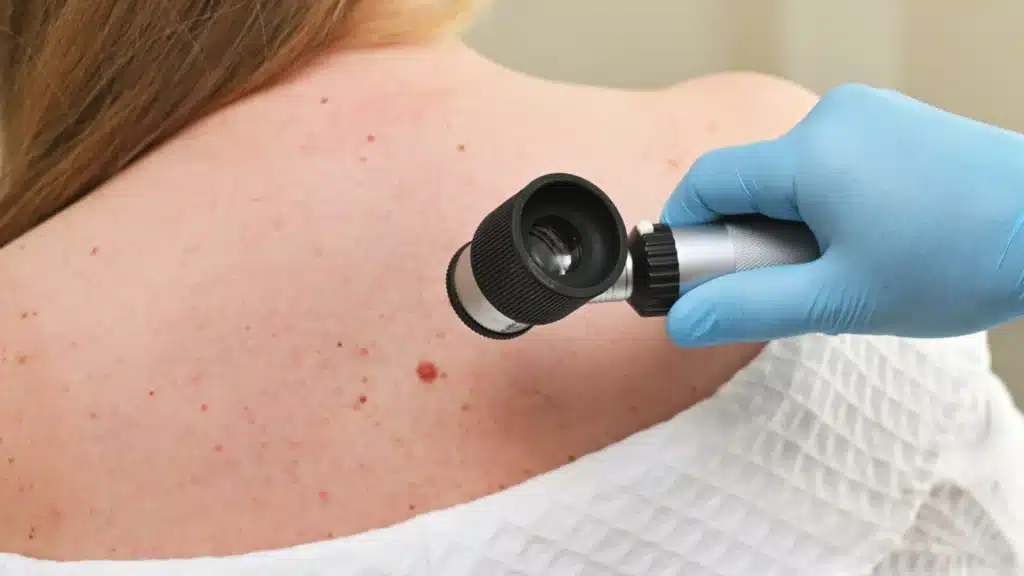
While not all skin cancers are preventable, minimizing exposure to the sun is an important step to minimizing avoidable skin cancer.
A sun protection plan can consist of:
- Wearing protective clothing
- Applying a wide-spectrum sunscreen.Applying a sun cream that covers a wide range of the sun.
- A wide brimmed hat
- Using sunglasses
- Practice shading when suitable
- Scheduling outdoor activities for times of lower UV levels, if possible.
Sunscreen should be used all year round.
It is also important to not use sunscreen as the sole measure of protection. Multiple protective measures offer greater protection.
Early Detection Can Change the Treatment Journey
It’s crucial to be familiar with Skin Cancer Warning Signs in Canberra because a quick diagnosis can catch signs of cancerous growth before it gets worse.
There are a number of factors that determine the most appropriate Skin Cancer Treatment Canberra is:
- The type of skin cancer
- Its location
- Its size
- How far it has penetrated.
- The results of any biopsy
- Your medical history, including your personal situation.
As per the diagnosis, treatment options may include surgery.
The important thing to remember is that treatment should be based on a proper professional evaluation and not on the assumption of a spot’s appearance.
Frequently Asked Questions
Q1. What are the first warning signs of skin cancer?
Early signs can include a new spot, a changing mole, a sore that does not heal, a persistent scaly patch or a lesion that repeatedly bleeds. Skin cancers can look different from one another, so any new or evolving skin change that appears unusual should be professionally assessed.
Q2. Should I worry about every new mole?
Not every new mole or skin spot is cancerous. However, a new lesion that continues to grow or change should not be ignored. Pay attention to changes in size, shape, colour, texture or symptoms, and arrange a professional skin assessment if you are concerned.
Q3. Can skin cancer occur in areas that do not get much sun?
Yes. Although UV exposure is a major risk factor, suspicious lesions can develop on many areas of the body, including locations that receive limited sun exposure. This is why a full skin check should not focus only on the face, arms and other commonly exposed areas.
Q4. How often should I have a skin check?
The right schedule depends on your individual risk factors, including your skin type, number of moles, previous skin cancers and family history. A healthcare professional can recommend an appropriate frequency. You should also book an assessment sooner if you notice a new or changing lesion.
Q5. Can skin cancer be painless?
Yes. Many suspicious lesions and skin cancers cause little or no pain, particularly in the early stages. Do not use pain as the main indicator of whether a spot is serious. Persistent change, unusual appearance and failure to heal can all be important warning signs.
Q6. What should I do if a mole starts bleeding?
A mole or lesion that bleeds repeatedly without an obvious reason should be professionally assessed. Bleeding can occur for several reasons, including accidental irritation, but repeated bleeding, crusting or failure to heal should not be ignored.
Do Not Ignore Changes in Your Skin
Your skin can change for many harmless reasons, but persistent or unusual changes deserve attention.
A mole that evolves, a sore that will not heal, a scaly patch that continues to return or a new spot that looks different from the rest of your skin should be checked rather than ignored.
Recognising Skin Cancer Warning Signs in Canberra is not about causing unnecessary worry. It is about becoming familiar with your skin and acting when something changes.
If you have noticed a suspicious mole, persistent lesion or any skin change that concerns you, consider booking a professional skin check Canberra appointment. Early assessment can provide reassurance when a lesion is harmless and allow appropriate investigation and care when further attention is needed.
Book a Professional Skin Assessment
Concerned about a new or changing spot? Arrange a skin assessment with Canberra Skin Cancer Clinic to have suspicious lesions professionally examined and discuss appropriate next steps for your skin health.
Visit canberraskincancerclinic.com.au to learn more or book an appointment.
| Canberra Skin Cancer Clinic- Green Way | Canberra Skin Cancer Clinic- Molonglo Valley |
| Phone: (02) 51046409 | Phone: (02) 51046409 |
| Email: reception@greenwaymedicalcentre.com.au | Email: reception@greenwaymedicalcentre.com.au |
| Address: Unit 6/175 Anketell Street, Greenway ACT 2900 | Address: 110 Woodberry Ave Coombs ACT 2611 |
| Website: https://canberraskincancerclinic.com.au/ | Website: https://canberraskincancerclinic.com.au/ |