
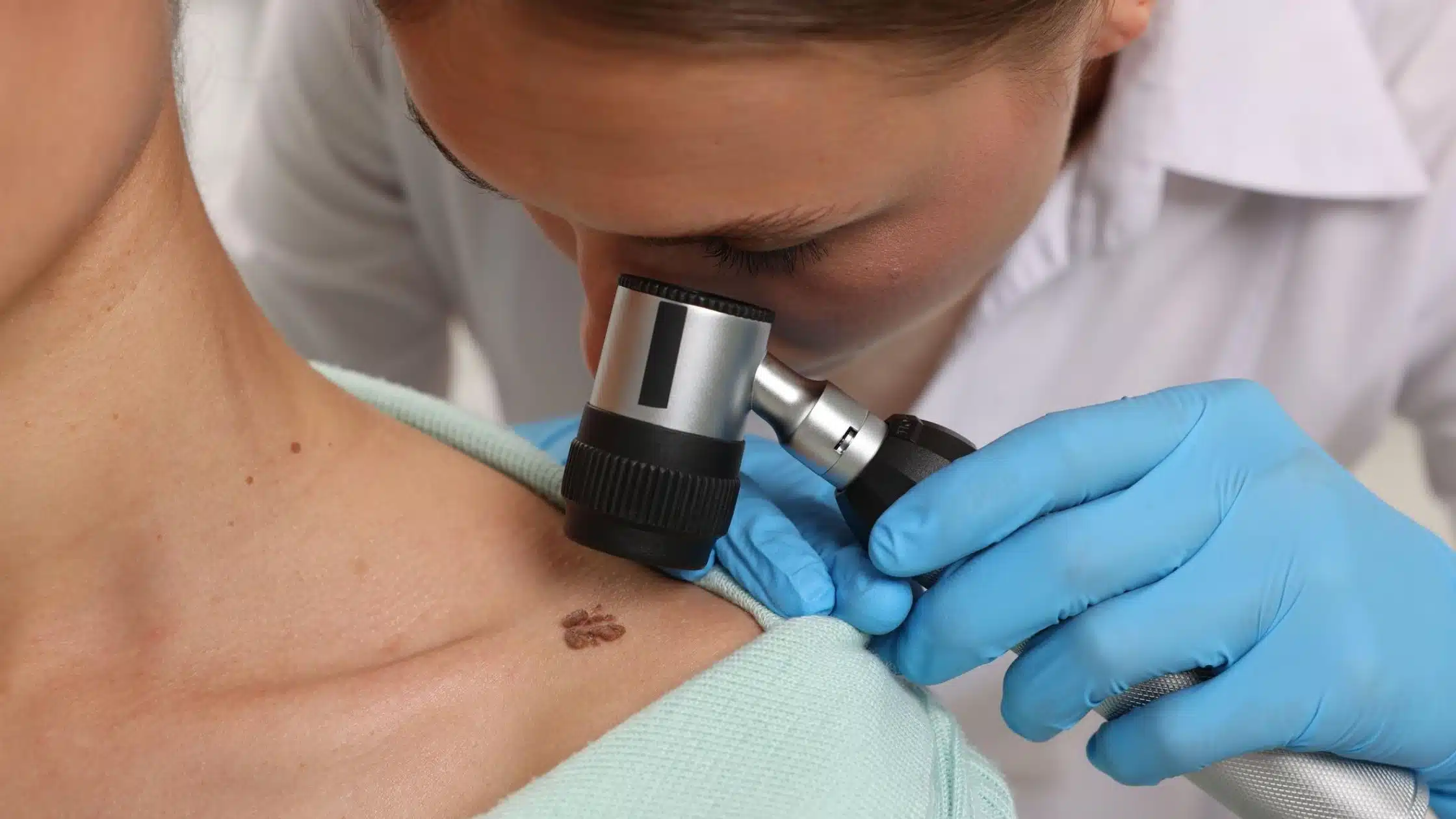
The skin can be changed for various reasons. Moles can become more noticeable, freckles can appear and dry or irritated areas may occur from time to time. The vast majority of skin alterations are harmless. Some spots, moles or lesions can still develop, bleed, grow or not heal, however.
It’s vital to be able to identify Suspicious Skin Changes in Canberra to achieve good skin health. The severity of a lesion is not necessarily apparent from its appearance or cause pain. It can look like a small rough area, or a shiny bump, or the mole may change shape, or an area that keeps returning to become a sore.
There are several different types of skin cancer and it is important to look for more than one sign. Paying attention to new, changing or persistent lesions can help you decide when to arrange a professional skin assessment.
This is especially beneficial for those who live in Canberra. Sun exposure can also build up over time from outdoor tasks, gardening, sport, walking and other normal outdoor activities. This article covers the common signs of skin cancer that Canberra residents should be aware of, and what makes a mole or lesion a cause for concern and when to seek professional advice.
What Are Suspicious Skin Changes?
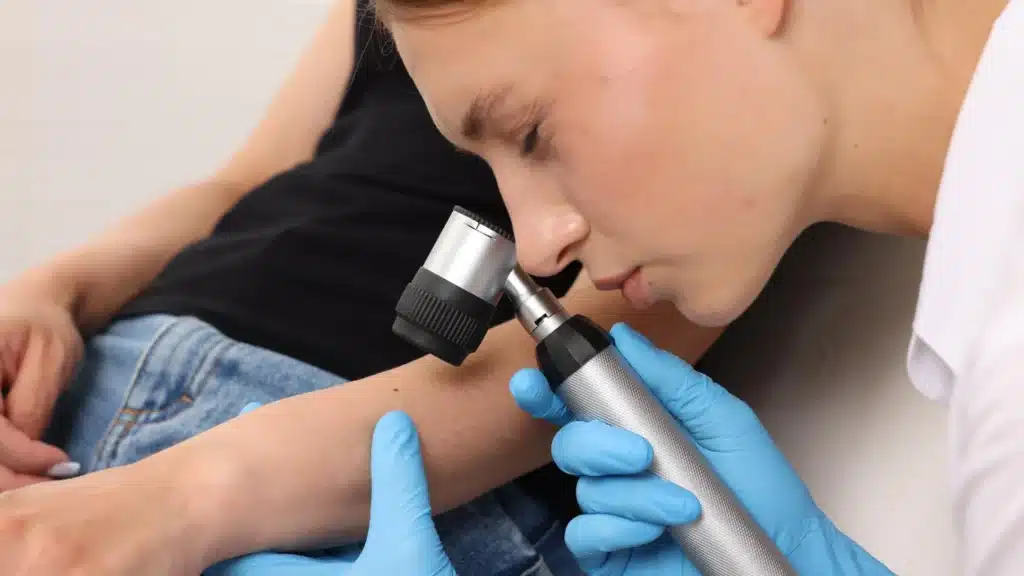
Skin cancer is not always caused by an abnormal skin change. A variety of non-threatening conditions can affect the color of the skin.
A lesion should be professionally assessed, however, when it is:
- Not only do they continue to grow, but they are new to us.
- Changing to different shapes or colours
- Becoming thicker or raised up
- No known cause of bleeding.
- The act of continually creating a scab.
- Failing to heal
- Continually itchy or painful
- Distinctly different from other areas of skin
Change over time is important
An area that has remained unchanged for years might not be as worrisome as a small area that has changed in a few weeks or months. However, not all spaces that change are cancerous, but changes should not be ignored.
Why Early Attention to Skin Changes Matters
Certain skin cancers grow gradually and can start out as a normal skin problem. A lesion can appear as dry skin, a pimple, a minor wound or as a common mole.
The spot may not always be painful, so people may put off getting it checked.
The most frequent reasons for not treating a lesion include:
- It’s “too little to be serious.
- “It does not hurt.”
- “It’s likely that it was always there.”
- “Touches it, it bleeds.”
- It seems to be dry skin.”
- “Let’s see if it passes.”
The rule doesn’t always apply that waiting is the best course of action when a lesion is still evolving.
A skin exam by a professional can help decide whether or not the change is harmless, requires monitoring or should be investigated further.
Skin Cancer Signs Canberra Residents Should Know
Every type of skin cancer doesn’t have one specific look. Lesions may be various colors, sizes and consistency.
Here are a few of the key indicators of change.
A New Spot That Continues to Change
Not all skin spots are necessarily a cause for concern. A lesion that grows or changes should be attended to, though.
You may notice that the spot:
- Becomes larger
- Transformations from straight to curved
- Grows an uneven surface
- Changes colour
- Begins to crust
- Bleeds repeatedly
- Is different in appearance from neighboring locations
Attempt to recall the time of onset of the lesion. If not previously found and still developing, a professional skin check can offer reassurance and guidance.
A Suspicious Mole That Changes
If a suspicious mole is spotted in the Canberra area, it can change in a number of ways.
The ABCDE method is one of the most popular guidelines.
A – Asymmetry
The left side of mole does not match the right side.
B – Border
The edges can be ragged, uneven, fuzzy or indistinct.
C – Colour
The mole can be more than one colour or turn a different colour.
Brown, black, red, pink, blue or white are potential colours.
D – Diameter
If a mole grows in size, it should be detected. But just because a lesion is a certain size doesn’t automatically mean that it is a cause for concern. A few of the lesions are somewhat smaller and may be suspicious.
E – Evolving
Any change, which can be noticed is called as evolution.
This could involve a change in:
- Size
- Shape
- Colour
- Height
- Texture
- Symptoms
A mole that begins bleeding, itching or crusting may also be considered to be evolving.
The Ugly Duckling Sign
Another useful tip for spotting an unusual mole: The “ugly duckling” approach.
The vast majority of people have a general pattern to their moles. They can be the same color, the same shape or the same size.
A spot that is clearly set apart from the rest can tend to pop out.
For instance, if you have a light browse with most moles being small and brown, but one is darker, larger or is oddly shaped, then it should be investigated.
The ugly duckling sign cannot be used to identify skin cancer. It just means that it points to a lesion that could be sufficiently different from the rest of your body to need a professional evaluation.
A Sore That Does Not Heal
Another red flag is a persistent sore.
The area may:
- Partially heal and return
- Make a scab over and over.
- Bleed from time to time
- Remain open
- Become crusty
- Gradually increase in size
Some lesions may be confused with small cuts, pimples or irritated skin.
A sore that keeps recurring or that doesn’t heal as anticipated is sensible to be examined.
Don’t just use pain as a criterion. Some of the worrisome skin lesions might be painless.
Rough, Scaly or Crusty Skin Patches
Not all moles look like a suspicious mole.
Persistent rough or scaly patches of the skin can be some changing skin lesions. They can initially look like dry skin, eczema or irritations.
Note a patch that:
- Does not improve
- Continues returning
- Becomes thicker
- Feels coarse or “pebbled”
- Develops crusting
- Bleeds easily
- Changes in appearance
If the changes are ongoing, it’s time to evaluate them, especially on surfaces that are exposed to the sun regularly.
Pearly Bumps or Shiny Bumps
Skin cancers can sometimes be small shiny or pearly bumps.
A lesion may be:
- Pink
- Skin coloured
- Slightly translucent
- Smooth
- Raised
- Shiny
Sometimes small blood vessels can be seen on the surface.
These areas may develop over a period of time and may not be painful. This makes it easy for them to go unnoticed.
Any bump that doesn’t go away, keeps growing or keeps bleeding should be professionally evaluated.
Repeated Bleeding or Scabbing
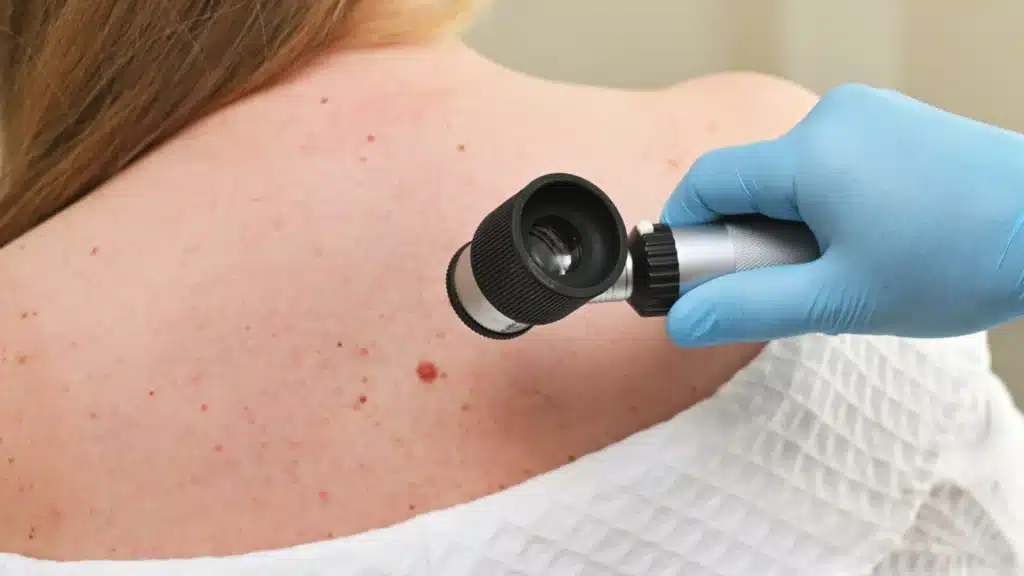
If a spot is bleeding again and again, but no injury has been found, it should not be disregarded.
You might experience bleeding during:
- Washing your face
- Shaving
- Drying with a towel
- Changing clothes
- Gently brushing a certain area
A lesion can develop into a scab, heal up and bleed again.
Bleeding or scabbing can happen more than once and this is not necessarily cancer; it is a change that should be discussed with a healthcare professional.
Changes in Colour
Lesions can change in colour in new and old lesions.
A spot may become:
- Darker
- Lighter
- Red
- Pink
- Black
- Blue
- Unevenly coloured
Remember that not all skin cancers are black!
Some of the worrying lesions can be pink, red or skin coloured. When looking for moles, it’s easy to miss other signs of trouble because you’re only searching for black or brown moles.
Itching, Tenderness or Pain
Sometimes skin cancer starts off without sensation and many of them are painless.
But changes in the sense can still make a difference.
A lesion might need to be treated when it starts to:
- Itch persistently
- Feel tender
- Become painful
- Burn
- Feel unusually sensitive
A lesion may have a number of causes, and diagnosis can only be made based on symptoms. If itching or pain is accompanied by visible changes, however, it is recommended to get professional evaluation.
Suspicious Skin Changes in Canberra and Different Types of Skin Cancer
It can help to understand the most common forms of skin cancer to help explain some of the variations in the appearance of suspicious lesions.
Melanoma
Melanoma is caused by cells that make pigment called melanocytes.
It can grow out of a mole, or it can form as a new mole.
The following are some signs to watch for:
- Uneven shape
- Irregular borders
- Multiple colours
- Enlargement
- Noticeable evolution
- An area that is not as dark as other moles.
Melanoma can develop anywhere on the body, even on parts of the body that receive little sun exposure.
It’s also a good idea to remember that melanoma can also occur as a mole that is not dark. Some lesions may appear pink, red or relatively light in color.
The area that still continues to shift must be thoroughly evaluated by a professional.
Basal Cell Carcinoma
Basal cell carcinoma can look like:
- A bump that is pearly or shiny.
- A pink lesion
- A persistent sore
- A punctures or scabbed area
- A scar-like area
Some lesions grow slowly making people think that the spot is not harmful.
But a lesion that persists and evolves should not be ignored because of its slow rate of evolution.
Squamous Cell Carcinoma
Sometimes, SCC can present as a:
- Rough/scaly patch.
- Thickened lesion
- Crusted growth
- Red area
- Tender spot
- Unhealing sore
There may be some lesions that change faster than others.
Typically, the evaluation performed by a professional will tell you whether or not the lesion needs an investigation and whether a biopsy or other appropriate action is necessary.
Where Can Suspicious Skin Changes Appear?
Skin cancer may occur on any part of the body.
Common locations include:
- Face
- Nose
- Ears
- Neck
- Scalp
- Shoulders
- Back
- Chest
- Arms
- Hands
- Legs
Suspicious lesions may also occur in less conspicuous regions, though.
Remember to check:
- Behind the ears
- The scalp
- Between the toes
- The soles of the feet.
- On or under the nails
- Rear of the legs
- The back
A full length mirror and hand mirror can be used to view hard to reach areas.
It’s also important to get help from a trusted person to examine places like the back or scalp.
Do Not Forget the Scalp
Examinations of the scalp may be difficult, especially for those with thick hair.
Hair is not 100% protection against UV exposure.
A sore, scaly patch, lump or bleeding spot that doesn’t go away should be evaluated.
When Should You Book a Skin Check?
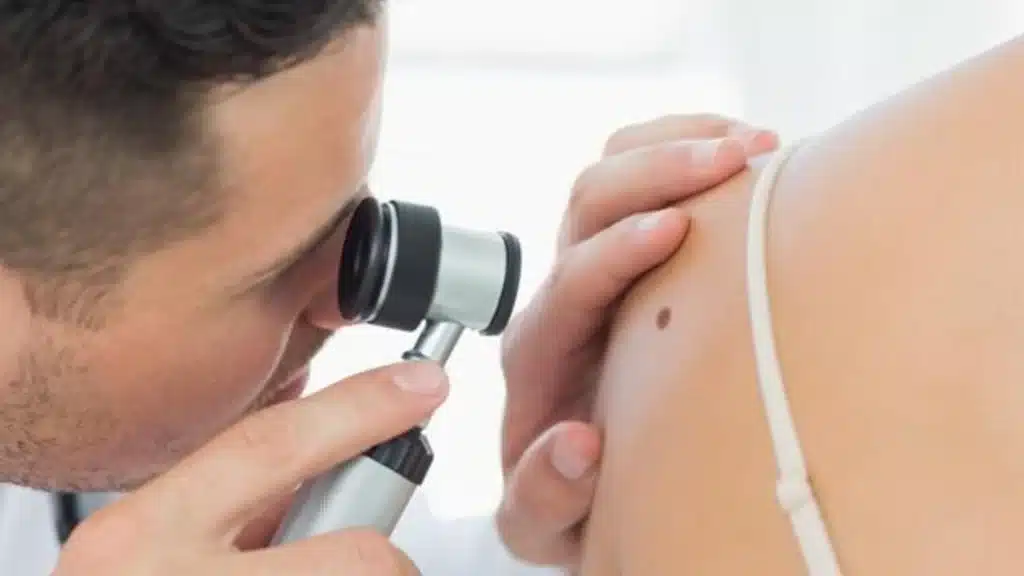
If you see any of the following, think about having a professional skin examination:
- A place that is being continued to develop
- A changing mole
- Any sore that is unusual in appearance or different from your other sores.
- A sore that does not heal
- Repeated bleeding
- Persistent crusting
- A blip that fails to get better
- Any area that itches, becomes painful or tender.
There’s no need to wait for the lesion to grow.
A professional evaluation can guide you on what to do if you’re not sure about a particular spot.
What Happens During a Professional Skin Assessment?
A professional skin assessment involves examining suspicious spots and assessing their appearance.
The clinician might want to consider:
- Size
- Shape
- Colour
- Borders
- Surface texture
- Signs of change
Special examination instruments can also be used to investigate structures in the skin which are not always seen by the naked eye.
If this does turn out to be the case, the next step may be:
- Reassurance
- Monitoring
- Clinical photography
- 6.7 6.7 Compare changes over time
- A biopsy
- Surgical removal of the lesion.
- Refer to further care, if appropriate
This method is dependent on the person’s condition and the nature of the lesion.
How to Monitor Your Skin at Home
Regular at-home skin checks can get you acquainted with your “normal skin.
The intent is not to self-diagnose. Rather, you’re searching for the ability to fill with fresh or different.
Choose a Regular Routine
Regular skin checks can make any changes more noticeable.
You can do a self-check every month or as suggested by your health care professional.
Use Good Lighting and Mirrors
Examine your skin in a well-lit area.
For larger areas use a full length mirror, for other hard to reach places use a hand mirror for your back, neck etc.
Keep Track of Changes
If you see a lesion that you are concerned about, write down:
- The initial signs were noticed when:The first time you noticed it was when:
- In case it has altered
- Whether it has grown or not
- If it has bled or scabbed
- Any new symptoms
This information can be helpful in a professional skin exam.
UV Awareness and Skin Health in Canberra
Canberrans can expect to spend a lot of time outside year round.
Exposure to UV can occur from gardening, walking, cycling, sport, recreational and outdoor activities.
Sun damage can be a cumulative effect, so use of sun protection needs to be a regular practice.
Some practical ways to protect yourself from the sun include:
- Wearing protective clothing
- Applying broad-spectrum sunscreen
- Outfitting with a broad brimmed hat
- Using sunglasses
- Taking shelter in shade as appropriate
Multiple layers of protection can offer greater protection than single layers.
Who May Benefit From Regular Skin Checks?
Anyone can develop skin cancer.
However, if there are factors to consider, then some people may need to get more frequent professional monitoring, such as:
- Easily sunburnt or fair skin
- A large population of moles.
- Significant sun exposure
- Previous history of sunburn
- Outdoor work
- Regular outdoor activities
- Previous skin cancer
- Having had a family history of melanoma
Professional skin checks may be needed, depending on your own skin type and risk level, as well as your skin history.
Frequently Asked Questions
Q1.What are suspicious skin changes?
Suspicious skin changes can include a new spot that continues growing, a changing mole, a persistent sore, repeated bleeding, crusting or a rough patch that does not heal. Many of these changes can have harmless causes, but persistent or evolving lesions should be professionally assessed.
Q2.Should I worry about a suspicious mole?
A suspicious mole does not automatically mean skin cancer. However, changes in size, shape, colour or symptoms should not be ignored. If a mole looks different from your other moles or continues evolving, arranging a professional skin examination can help determine whether further investigation is needed.
Q3.Can skin cancer look like dry skin?
Yes. Some concerning lesions can appear as persistent dry, rough, scaly or crusted patches. They may be mistaken for eczema or ordinary skin irritation. If a patch does not improve, repeatedly returns or continues changing, it is sensible to arrange a professional assessment.
| Canberra Skin Cancer Clinic- Green Way | Canberra Skin Cancer Clinic- Molonglo Valley |
| Phone: (02) 51046409 | Phone: (02) 51046409 |
| Email: reception@greenwaymedicalcentre.com.au | Email: reception@greenwaymedicalcentre.com.au |
| Address: Unit 6/175 Anketell Street, Greenway ACT 2900 | Address: 110 Woodberry Ave Coombs ACT 2611 |
| Website: https://canberraskincancerclinic.com.au/ | Website: https://canberraskincancerclinic.com.au/ |
Q4.Are all changing skin lesions cancerous?
No. Many changing skin lesions are harmless and may result from irritation, ageing or other skin conditions. However, it can be difficult to determine the cause based on appearance alone. A persistent, unusual or evolving lesion should be assessed by a qualified healthcare professional.
Q5.Can skin cancer be painless?
Yes. Many skin cancers may cause little or no pain, particularly in their early stages. The absence of pain should not be used as a reason to ignore a lesion. Changes in appearance, persistent growth, bleeding or failure to heal can all be important warning signs.