Skin cancer is one of the most important skin health concerns in Australia, and understanding the different types can help people recognise changes that should not be ignored. Two terms that are often confused are melanoma and basal cell carcinoma. Although both develop in the skin and are associated with sun exposure, they are different conditions with different behaviours, warning signs and treatment approaches.
Understanding Melanoma vs Basal Cell Carcinoma is particularly important in Canberra, where outdoor activities and regular exposure to ultraviolet (UV) radiation can contribute to skin cancer risk. Knowing what makes these cancers different can help you understand when a changing mole, spot or skin lesion needs professional assessment.
This guide explains the key differences between melanoma and basal cell carcinoma, including how they develop, what they may look like, their risk factors, diagnosis, treatment and prevention.
Understanding Melanoma and Basal Cell Carcinoma

Melanoma and basal cell carcinoma are both types of skin cancer, but they originate from different types of skin cells.
Melanoma develops from melanocytes, the cells responsible for producing melanin, the pigment that gives skin its colour. Melanoma can develop in an existing mole or appear as a new spot on otherwise normal-looking skin.
Basal cell carcinoma, commonly called BCC, develops from basal cells in the epidermis, which is the outermost layer of the skin. It is the most common type of skin cancer and is generally slow-growing.
While BCC is usually less likely to spread to distant organs than melanoma, it can still cause significant local damage if it is left untreated. Melanoma, on the other hand, can become more aggressive and spread to other parts of the body if it is not identified and treated early.
Melanoma vs Basal Cell Carcinoma: The Main Difference
The most important difference between melanoma and basal cell carcinoma is their biological behaviour.
Melanoma has the potential to invade deeper tissues and spread to lymph nodes or other organs. Early diagnosis is therefore extremely important.
Basal cell carcinoma usually grows slowly and rarely spreads to distant parts of the body. However, an untreated BCC can continue growing into surrounding tissue, potentially damaging skin, cartilage, nerves or other structures.
Neither condition should be ignored simply because it appears small or painless.
Key differences at a glance
Melanoma:
- Begins in melanocytes.
- May appear as a new or changing mole.
- Can have multiple colours and irregular borders.
- Can grow and change relatively quickly.
- Has a greater potential to spread.
- Early diagnosis is especially important.
Basal Cell Carcinoma:
- Begins in basal cells.
- Often develops on areas exposed to the sun.
- May look like a shiny, pearly or translucent bump.
- Can appear as a sore that does not heal.
- Usually grows slowly.
- Rarely spreads but can cause local tissue damage.
What Does Melanoma Look Like?
Melanoma does not always have one specific appearance. It may resemble an ordinary mole, which is one reason changes in the skin deserve attention.
One useful approach is the ABCDE method:
A – Asymmetry
One half of the lesion may look different from the other half.
B – Border
The edges may be irregular, uneven, blurred or poorly defined.
C – Colour
A melanoma may contain several shades, including brown, black, red, pink, white or blue.
D – Diameter
Larger lesions may deserve closer assessment, although melanoma can also occur when a lesion is relatively small.
E – Evolving
A spot that changes in size, shape, colour or appearance can be concerning. Other changes, such as bleeding, crusting, itching or persistent irritation, can also warrant assessment.
The ABCDE approach is a useful awareness tool, but it cannot diagnose melanoma. Some melanomas do not follow the classic pattern.
What Does Basal Cell Carcinoma Look Like?
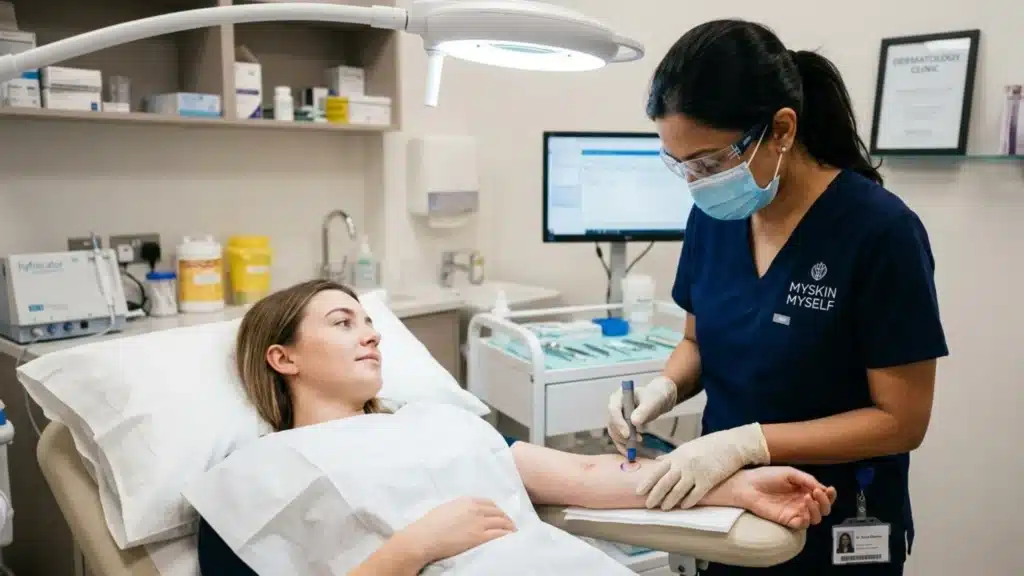
Basal cell carcinoma can have several different appearances.
A BCC may appear as a shiny or pearly lump, particularly on areas that receive frequent sun exposure. Some lesions may have visible small blood vessels or develop a crust.
Other BCCs can resemble a sore, scaly patch or wound that repeatedly heals and returns.
Possible signs include:
- A shiny or pearly skin lump.
- A persistent sore that does not heal.
- A pink, red or irritated patch.
- A crusted area that repeatedly bleeds.
- A lesion that gradually enlarges.
- A scar-like area without an obvious injury.
- A translucent or skin-coloured growth.
Because BCC can look similar to other common skin conditions, appearance alone is not enough to confirm what a lesion is.
Is Basal Cell Melanoma the Same as Melanoma?
The terminology can sometimes create confusion.
People may search online for terms such as basal cell melanoma or basal melanoma skin cancer when trying to understand the difference between these conditions. However, basal cell carcinoma and melanoma are not the same cancer.
Basal cell carcinoma originates from basal cells, while melanoma originates from melanocytes.
The word “basal” in basal cell carcinoma refers to the type of cell from which the cancer develops. It does not mean that the cancer is a type of melanoma.
Using the correct terminology is important because the two conditions have different characteristics and management approaches.
Where Do These Skin Cancers Usually Develop?
Both melanoma and basal cell carcinoma can develop on different parts of the body.
Basal cell carcinoma is particularly common on areas that receive significant cumulative UV exposure, such as:
- The face
- Ears
- Scalp
- Neck
- Shoulders
- Arms and hands
Melanoma can occur almost anywhere on the body. It can develop on areas that receive substantial sun exposure, but it may also occur on areas that are not regularly exposed to sunlight.
This is why skin checks should not focus only on the face, arms or other obvious sun-exposed areas.
Risk Factors for Melanoma
Several factors can increase the likelihood of developing melanoma.
These can include:
- A history of significant UV exposure.
- Previous sunburn, particularly repeated sunburn.
- A large number of moles.
- Atypical-looking moles.
- A personal history of melanoma.
- A family history of melanoma.
- Certain inherited genetic factors.
- A history of tanning bed use.
- Previous skin cancer.
Having risk factors does not mean that someone will definitely develop melanoma. Likewise, people without obvious risk factors can still develop it.
Risk Factors for Basal Cell Carcinoma
The main environmental risk factor for BCC is cumulative exposure to UV radiation.
Other factors may include:
- Fair or sun-sensitive skin.
- Long-term outdoor work or recreational exposure.
- Previous skin cancer.
- A history of significant sun exposure.
- Increasing age.
- Certain medical or genetic conditions that increase skin cancer susceptibility.
- Previous radiation exposure in some circumstances.
Canberra residents who spend considerable time outdoors should take UV protection seriously throughout the year, particularly during periods of high UV levels.
Can Both Conditions Be Caused by Sun Exposure?
Yes. UV radiation is an important risk factor for both melanoma and basal cell carcinoma.
Repeated UV exposure can damage the DNA within skin cells. Over time, accumulated damage can contribute to abnormal cell growth and the development of skin cancer.
However, sun exposure is not the only factor involved. Genetics, skin type, immune function, previous skin damage and other individual factors can influence risk.
This means sun protection should be viewed as one part of a broader skin cancer prevention strategy.
How Are Melanoma and Basal Cell Carcinoma Diagnosed?
A suspicious lesion usually requires assessment by an appropriately qualified healthcare professional.
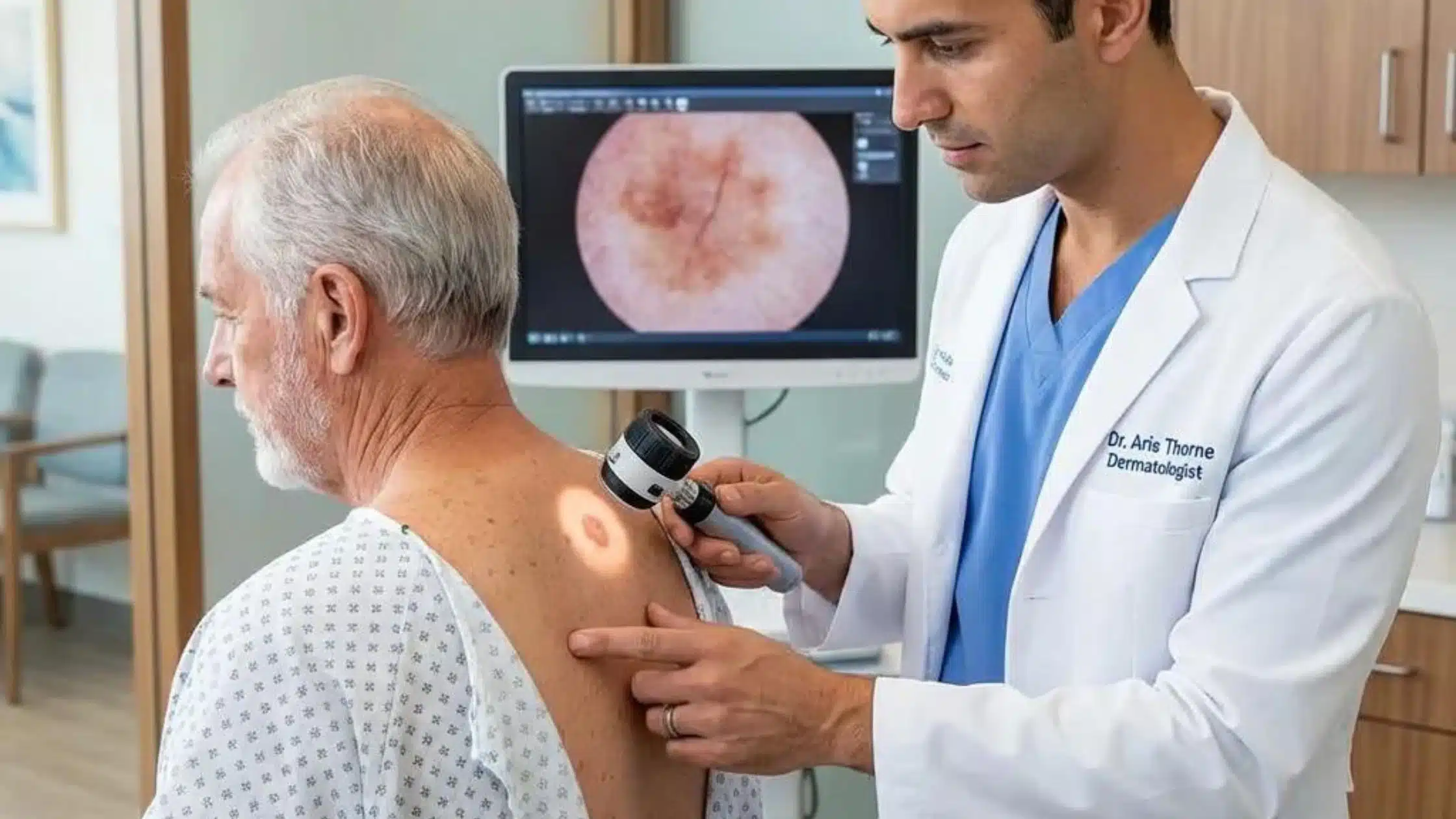
During an examination, the clinician may look closely at the lesion and surrounding skin. Dermoscopy can provide a magnified view of structures beneath the skin surface that may not be visible to the naked eye.
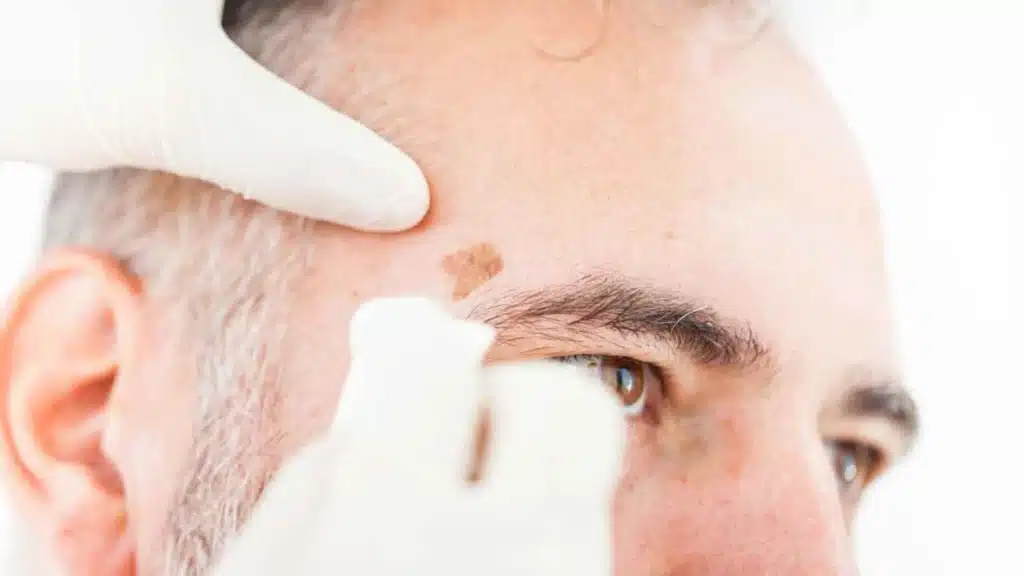
If a lesion appears suspicious, a biopsy may be recommended. A biopsy involves removing some or all of the lesion so that it can be examined under a microscope.
The pathology result can identify the type of skin cancer and provide important information that helps guide treatment.
It is important not to rely on photographs or online descriptions to determine whether a particular spot is cancerous.
Treatment Differences
Treatment depends on the type of skin cancer, its size, location, depth and other clinical factors.
Basal Cell Carcinoma Treatment
Treatment for BCC may include surgical removal of the cancer. Depending on the individual lesion, other treatments may sometimes be considered.
The aim is to remove the cancer effectively while preserving as much healthy surrounding tissue as practical.
Some BCCs are straightforward to treat, while larger, recurrent or poorly positioned lesions may require more specialised planning.
Melanoma Treatment
Treatment for melanoma depends heavily on how early it is detected and whether it has spread.
For an early melanoma, surgical removal is often the main treatment. Additional management may be required depending on the depth and characteristics of the melanoma.
More advanced melanoma may require treatments such as immunotherapy or targeted therapy under specialist care.
This difference highlights why recognising suspicious changes and seeking assessment early matters.
Why Early Detection Matters
Early detection can make a significant difference in the management of skin cancer.
A small BCC may often be treated before it has caused substantial local damage. Detecting melanoma at an early stage can also be particularly important because melanoma has a greater potential to spread than BCC.
You should consider professional assessment if a skin lesion:
- Changes in size, shape or colour.
- Starts bleeding without an obvious cause.
- Develops persistent crusting.
- Becomes painful or persistently itchy.
- Does not heal.
- Looks noticeably different from your other moles.
- Continues to change over time.
These signs do not automatically mean cancer is present. They indicate that further assessment may be appropriate.
Skin Checks in Canberra
Regular skin awareness is particularly relevant in Australia because of the country’s high levels of UV exposure.
For people in Canberra, skin health can be supported by combining personal skin awareness with appropriate professional assessment.
A skin check may be especially useful for people with multiple moles, previous skin cancer, significant sun exposure or other recognised risk factors.
The frequency of professional skin checks should be based on individual risk rather than a single schedule that applies to everyone.
Between appointments, becoming familiar with your own skin can help you notice new or changing lesions sooner.
Protecting Your Skin From UV Damage
UV protection is an important part of reducing future skin damage.
Practical measures include:
- Applying broad-spectrum sunscreen as directed.
- Reapplying sunscreen when required.
- Wearing protective clothing.
- Using a broad-brimmed hat.
- Wearing sunglasses that provide appropriate UV protection.
- Seeking shade when UV levels are high.
- Avoiding intentional tanning.
- Taking extra care during outdoor activities.
Sun protection does not replace skin checks, but it can reduce ongoing UV exposure and help protect the skin from cumulative damage.
When Should You See a Doctor?
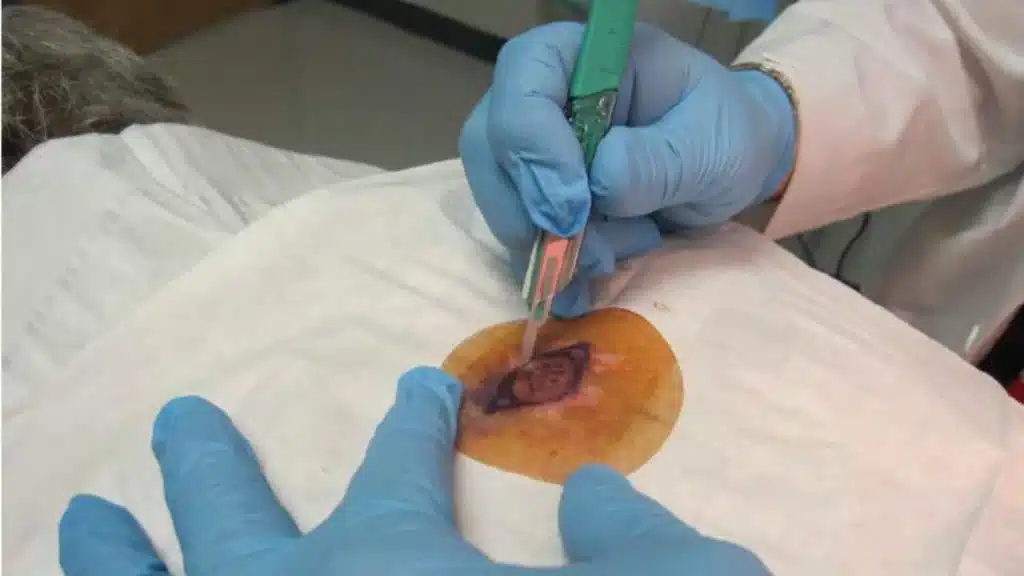
A new or changing skin lesion should not be ignored simply because it does not hurt.
Both melanoma and basal cell carcinoma can develop without causing obvious pain. Some skin cancers may initially look like minor blemishes, moles, marks or sores.
Seek medical assessment if you notice a persistent or changing lesion, particularly if it is different from your other spots or continues to evolve.
A healthcare professional can determine whether the lesion needs monitoring, further investigation or treatment.
Melanoma vs Basal Cell Carcinoma: Understanding the Difference
The difference between melanoma and basal cell carcinoma goes beyond their appearance.
Melanoma develops from melanocytes and has the potential to spread, making early recognition and treatment particularly important. Basal cell carcinoma develops from basal cells and usually grows more slowly, but untreated lesions can cause significant local tissue damage.
Understanding these differences can help you take suspicious skin changes seriously without assuming that every unusual spot is cancer.
For people living in Canberra, regular sun protection, familiarity with your skin and appropriate professional skin assessment are important parts of maintaining long-term skin health.
If you notice a new, changing, bleeding or non-healing lesion, arrange an assessment rather than relying on appearance alone. Early professional evaluation can help identify skin cancers sooner and ensure that appropriate treatment is considered.
Frequently Asked Questions
Q1. Is melanoma more dangerous than basal cell carcinoma?
Melanoma generally has a greater potential to spread to other parts of the body than basal cell carcinoma. BCC usually grows locally and rarely spreads, but untreated BCC can damage surrounding tissue. Both should be professionally assessed when a suspicious lesion is identified.
Q2. Can basal cell carcinoma turn into melanoma?
No. Basal cell carcinoma and melanoma are different types of skin cancer that arise from different cells. A BCC does not transform into melanoma. However, a person who has had one type of skin cancer may still develop another type, so ongoing skin awareness remains important.
Q3. Can melanoma look like basal cell carcinoma?
Sometimes skin cancers can have overlapping or unusual appearances. Melanoma does not always look like a classic dark mole, and BCC does not always appear as a typical pearly lump. A professional examination and, when necessary, biopsy are needed to establish a diagnosis.
Q4. Are all changing moles melanoma?
No. Moles can change for many reasons, and most changes are not necessarily melanoma. However, a new or evolving mole should not automatically be dismissed. Changes in colour, shape, size, bleeding or other unusual features can justify professional assessment.
Q5. How can I reduce my skin cancer risk in Canberra?
Regular UV protection is important. Use sunscreen appropriately, wear protective clothing and hats, seek shade when UV levels are high and avoid intentional tanning. Becoming familiar with your skin and arranging professional assessment when you notice concerning changes can also support early detection.
Book a Professional Skin Assessment
Concerned about a changing mole, unusual spot or skin lesion? Book a professional skin check in Canberra today and take the right step towards early detection and better skin health.
| Canberra Skin Cancer Clinic- Green Way | Canberra Skin Cancer Clinic- Molonglo Valley |
| Phone: (02) 51046409 | Phone: (02) 51046409 |
| Email: reception@greenwaymedicalcentre.com.au | Email: reception@greenwaymedicalcentre.com.au |
| Address: Unit 6/175 Anketell Street, Greenway ACT 2900 | Address: 110 Woodberry Ave Coombs ACT 2611 |
| Website: https://canberraskincancerclinic.com.au/ | Website: https://canberraskincancerclinic.com.au/ |