
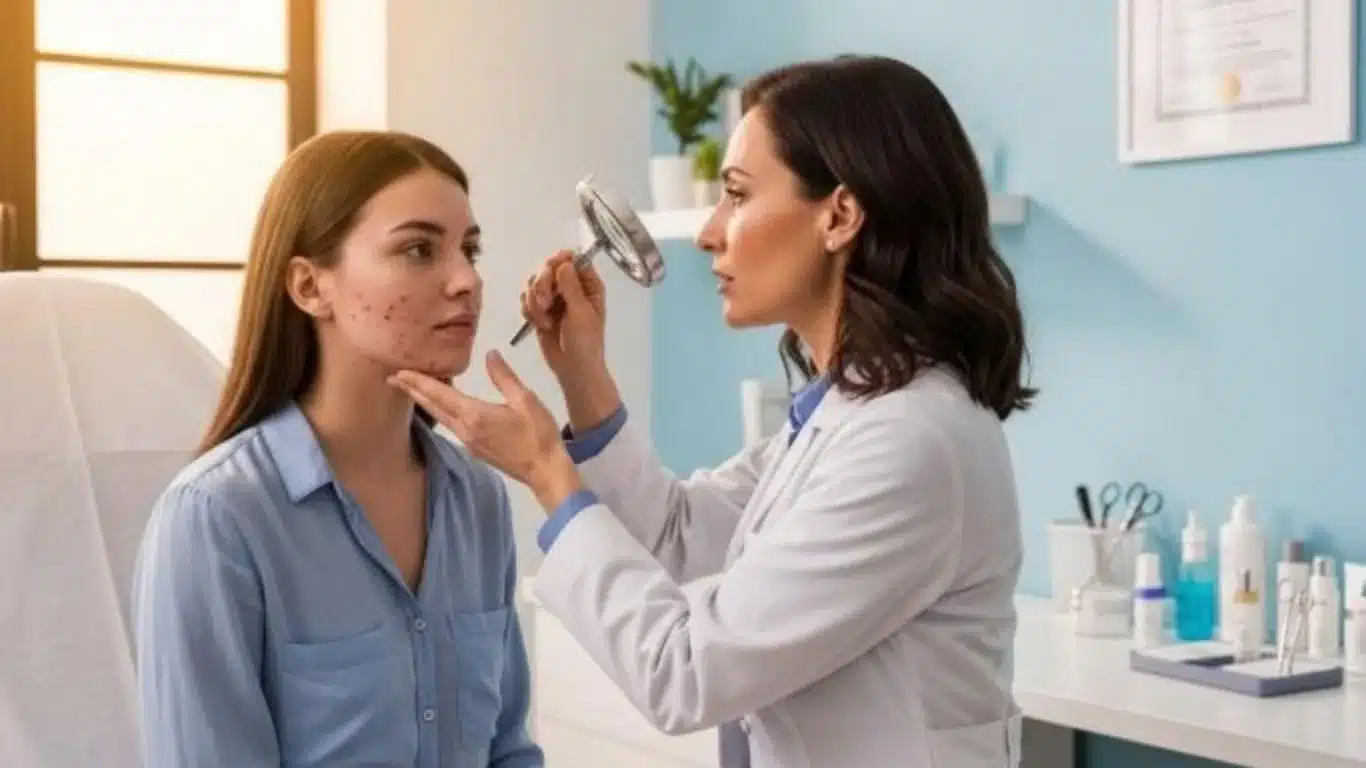
Spots and Blemishes in Canberra: Treatment and Prevention is an important topic for people who notice changes in the colour, texture or appearance of their skin. Spots and blemishes can develop for many reasons, including sun exposure, ageing, acne, pigmentation, moles and other skin changes. While many are harmless, some may need professional assessment, particularly when they are new, changing or unusual.
Canberra residents experience regular exposure to ultraviolet (UV) radiation through outdoor activities such as walking, cycling, gardening, running and sport. Over time, repeated sun exposure can contribute to pigmentation, sun spots and other forms of skin damage.
Understanding the different types of spots, available treatment options and practical prevention measures can help support healthier skin and encourage early assessment when changes occur.
What Are Spots and Blemishes?
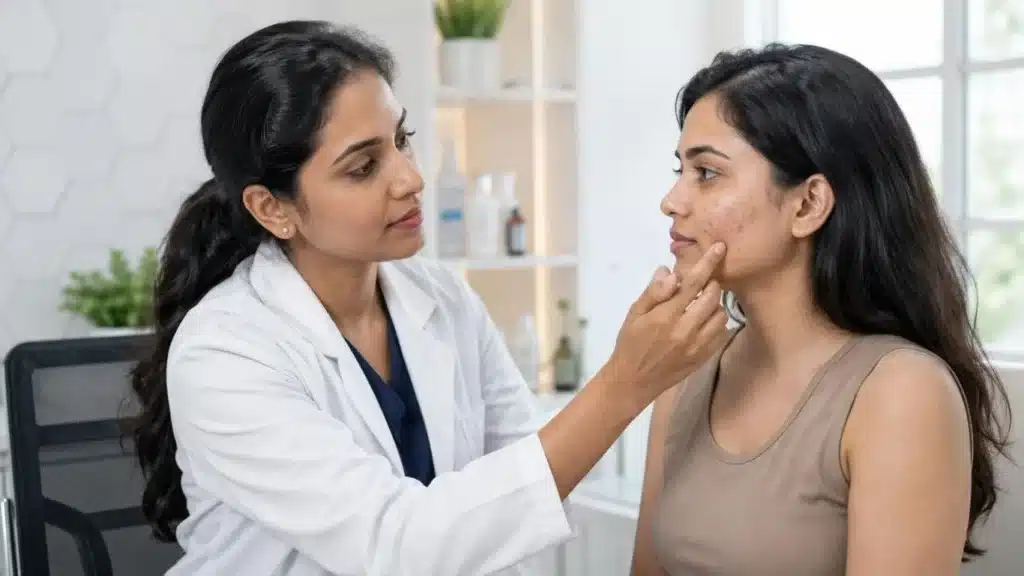
The terms spots and blemishes can describe many different changes that appear on the skin. They may be flat or raised and can vary in colour from skin-coloured and pink to red, brown or darker shades.
Common examples include freckles, moles, sun spots, pigmentation, acne marks, skin tags and solar keratoses. Some remain unchanged for years, while others may develop gradually or change over a shorter period.
A spot does not automatically mean skin cancer. However, changes in an existing spot or the development of a new unusual lesion should not be ignored. A professional examination can help determine whether further assessment is appropriate.
Common Causes of Spots and Blemishes
Several factors can contribute to the development of spots and blemishes.
Sun Exposure
Long-term exposure to UV radiation is one of the most important causes of visible skin changes. UV exposure can contribute to freckles, pigmentation, sun spots and solar keratoses.
Repeated exposure may also increase the risk of developing skin cancers. This is particularly relevant in Canberra, where people often spend time outdoors throughout the year.
Ageing
Skin changes naturally with age. Areas that have received years of sun exposure may develop darker patches, uneven pigmentation, freckles and other blemishes.
Age-related changes are often harmless, but new or changing lesions should still be assessed rather than assumed to be caused by ageing.
Acne and Inflammation
Acne can leave temporary or persistent marks after pimples have healed. These may appear as red, brown or darker areas depending on the person’s skin type and the level of inflammation.
Although acne marks are usually different from skin cancer, persistent or unusual changes may require assessment if their appearance causes concern.
Moles and Other Lesions
Moles are common and can be present from childhood or develop later in life. Most are harmless, but changes in size, shape, colour or appearance can sometimes indicate a need for professional review.
Spots and Blemishes Treatment
Treatment depends on the type, cause and appearance of the skin change. There is no single treatment suitable for every spot or blemish.
The first step is usually identifying what the lesion is. A doctor can assess the area and determine whether it appears benign, requires monitoring or needs further investigation.
Treatment for Pigmentation and Sun Spots
Some forms of pigmentation and sun-related spots may be treated with topical products or procedures depending on their cause and appearance. However, treatment should not be started simply because a spot appears cosmetically unwanted.
A lesion that has changed or looks unusual should be assessed before cosmetic treatment is considered. Treating an undiagnosed lesion without appropriate assessment may delay recognition of a more significant skin condition.
Treatment for Solar Keratoses
Solar keratoses, also known as actinic keratoses, are rough or scaly areas associated with long-term sun damage. They commonly occur on sun-exposed areas such as the face, ears, scalp, neck, forearms and hands.
Depending on the number, location and characteristics of the lesions, treatment may include options such as cryotherapy, prescription treatments or other procedures recommended by a doctor.
Because solar keratoses indicate significant sun damage, ongoing skin monitoring is also important.
Treatment for Suspicious Skin Lesions
If a lesion appears suspicious, further assessment may be recommended. Depending on the clinical findings, this can include closer examination, monitoring or a skin biopsy.
A biopsy involves taking a small sample of tissue for laboratory examination. It can help determine whether a lesion is benign, precancerous or cancerous and can guide appropriate management.
When Should a Spot Be Checked?
Not every spot requires urgent treatment, but certain changes deserve attention.
Look for changes such as:
- A new spot that looks different from surrounding skin
- A mole that changes in size or shape
- Uneven or multiple colours within a lesion
- A spot with an irregular border
- A lesion that repeatedly bleeds or crusts
- A sore that does not heal
- A spot that becomes persistently itchy, tender or painful
- A rough or scaly area that continues to develop
- A lesion that looks noticeably different from your other spots
The ABCDE approach can also help identify changes that may need professional assessment. It considers asymmetry, border irregularity, colour variation, diameter and evolution over time.
However, skin cancers do not always follow a standard pattern. A small lesion can still require assessment, particularly if it is new or changing.
The Role of a Cancer Skin Check
A cancer skin check involves examining the skin for suspicious lesions and signs of sun damage. Depending on individual circumstances, a doctor may examine particular areas or conduct a more comprehensive assessment.
A cancer skin check can be especially useful for people with significant sun exposure, numerous moles, previous skin cancers or other risk factors.
Professional assessment is different from simply looking at the skin at home. A trained doctor can recognise patterns and changes that may be difficult to identify without clinical experience.
If a lesion requires further investigation, the doctor can explain the next appropriate step.
Spots and Blemishes in Canberra: Why Prevention Matters
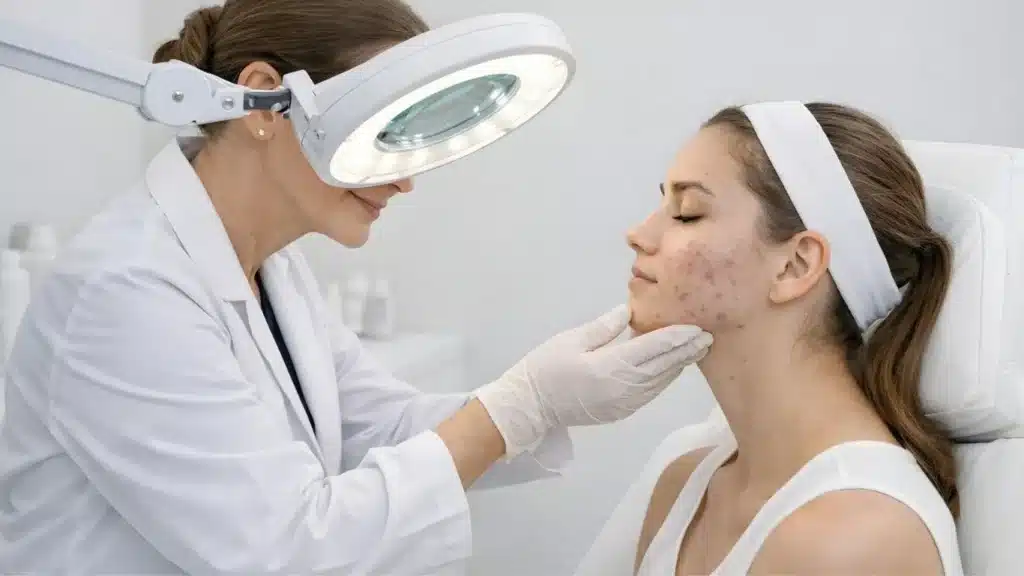
Prevention is an important part of maintaining skin health. While not every skin change can be prevented, reducing unnecessary UV exposure can lower cumulative sun damage.
Canberra residents can spend considerable time outdoors, making sun protection important during outdoor activities.
Practical measures include:
- Apply broad-spectrum sunscreen as directed.
- Reapply sunscreen when required, especially after swimming or sweating.
- Wear protective clothing when spending extended periods outdoors.
- Use a broad-brimmed hat to protect the face, ears and neck.
- Seek shade where possible.
- Wear sunglasses that provide appropriate UV protection.
- Avoid unnecessary exposure during periods of strong UV radiation.
- Check your skin regularly for new or changing spots.
Sun protection should be part of everyday outdoor habits rather than something used only during summer or holidays.
Checking Your Skin at Home
Regular self-checks can help you become familiar with your normal skin appearance. Check areas that are easy to see as well as less visible areas such as the scalp, back, behind the ears and the backs of the legs.
Using a mirror or asking someone you trust to help can make it easier to inspect difficult-to-see areas.
Pay attention to changes rather than trying to diagnose a lesion yourself. If something looks different, continues to change or concerns you, arrange an assessment with a doctor.
Taking photographs of a spot can sometimes help you monitor changes over time, particularly when the lesion is difficult to remember accurately.
Who May Need More Regular Skin Checks?
The appropriate frequency of professional skin checks varies between individuals. People who have had skin cancer previously may require ongoing monitoring.
Regular assessment may also be recommended for people with significant lifetime sun exposure, numerous or unusual moles, a history of sun damage or other recognised risk factors.
Your doctor can advise how often your skin should be reviewed based on your personal circumstances and examination findings.
Choosing the Right Approach to Treatment
The most appropriate Spots and Blemishes Treatment depends on the underlying cause. A treatment that is suitable for pigmentation may not be appropriate for a suspicious mole or solar keratosis.
For this reason, diagnosis should come before treatment when a lesion is new, changing or unusual.
Treatment may focus on managing a medical condition, removing a lesion, monitoring a change or addressing a cosmetic concern once a medical cause has been considered.
Avoid attempting to remove, scratch, burn or treat an unexplained lesion at home. This can cause irritation, infection, scarring or delay appropriate assessment.
Supporting Long-Term Skin Health

Healthy skin care involves more than treating visible blemishes. Regular sun protection, awareness of changes and appropriate professional assessment can all contribute to better long-term skin health.
People in Canberra should remain particularly aware of cumulative UV exposure because sun damage can build up over many years.
A balanced approach includes protecting the skin, checking for changes and seeking medical advice when something does not look or behave normally.
When to See a Doctor
Arrange a professional assessment if you notice a new or changing spot, a lesion that repeatedly bleeds or crusts, a sore that does not heal, or a mark that looks significantly different from others on your skin.
Do not wait for a lesion to become painful before seeking advice. Some significant skin changes may cause little or no discomfort during their early stages.
Early assessment can help clarify whether a spot is harmless, needs monitoring or requires further investigation.
Conclusion
Spots and Blemishes in Canberra: Treatment and Prevention involves understanding why skin changes occur, recognising warning signs and protecting the skin from further sun damage. Many spots and blemishes are harmless, but new or changing lesions should be assessed rather than ignored.
Effective treatment depends on identifying the underlying cause. Options may include monitoring, topical treatments, procedures or further investigation where appropriate.
For Canberra residents, consistent sun protection and regular awareness of skin changes are important parts of prevention. If you notice a new, changing or unusual lesion, a professional skin assessment can provide appropriate advice and help determine whether further investigation is needed.
Frequently Asked Questions
Q1. Are all spots and blemishes a sign of skin cancer?
No. Spots and blemishes can result from freckles, pigmentation, acne, moles, sun damage and many other causes. However, a new or changing lesion should be professionally assessed if it appears unusual or concerning.
Q2. Can sun exposure cause spots and blemishes?
Yes. Repeated UV exposure can contribute to freckles, pigmentation, sun spots and solar keratoses. Long-term UV exposure also increases the risk of skin cancer, making sun protection and regular skin awareness important.
Q3. What is the best Spots and Blemishes Treatment?
There is no single treatment for every spot. Treatment depends on the cause and diagnosis. A doctor can assess the lesion and recommend appropriate management rather than treating an unexplained spot without assessment.
Q4. When should I have a cancer skin check?
Consider professional assessment if you notice a new or changing lesion, unusual pigmentation, persistent sores, bleeding or crusting, or a spot that looks different from others. People with recognised risk factors may also require regular checks.
Q5. Can spots and blemishes be prevented?
Not all skin changes can be prevented, but reducing UV exposure can help limit sun damage. Sunscreen, protective clothing, shade, hats and regular skin checks are useful parts of a long-term skin health routine.
Book Your Skin Check in Canberra Today
Concerned about Spots and Blemishes in Canberra? Book a professional skin check today for expert assessment, treatment and prevention advice.
| Canberra Skin Cancer Clinic- Green Way | Canberra Skin Cancer Clinic- Molonglo Valley |
| Phone: (02) 51046409 | Phone: (02) 51046409 |
| Email: reception@greenwaymedicalcentre.com.au | Email: reception@greenwaymedicalcentre.com.au |
| Address: Unit 6/175 Anketell Street, Greenway ACT 2900 | Address: 110 Woodberry Ave Coombs ACT 2611 |
| Website: https://canberraskincancerclinic.com.au/ | Website: https://canberraskincancerclinic.com.au/ |