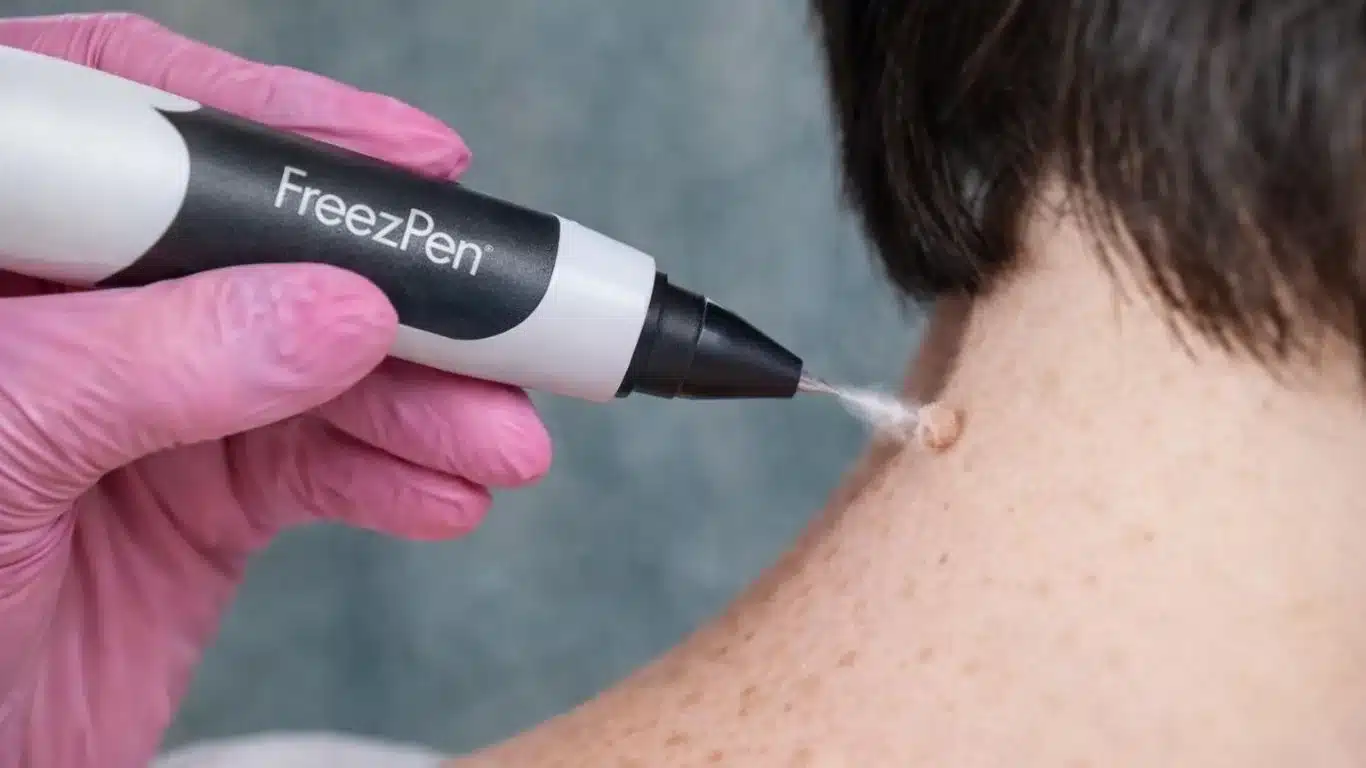
Skin lesions can appear as rough patches, scaly spots, warts, small growths or other changes on the skin. While many lesions are harmless, some may need medical assessment to determine their cause and the most suitable treatment. Cryotherapy is one option used to treat selected skin lesions by applying extreme cold to the affected area.
Cryotherapy for Skin Lesions in Canberra can be considered for suitable lesions following a clinical assessment. The procedure commonly uses liquid nitrogen to freeze targeted tissue, causing the affected cells to become damaged and gradually heal. Understanding the treatment process, possible side effects and recovery period can help patients know what to expect.
For people living in Canberra, regular skin monitoring is also important because everyday outdoor activities can contribute to cumulative ultraviolet (UV) exposure. This guide explains how cryotherapy works, which lesions may be treated, how to care for the skin afterwards and when further assessment may be necessary.
What Is Cryotherapy for Skin Lesions?
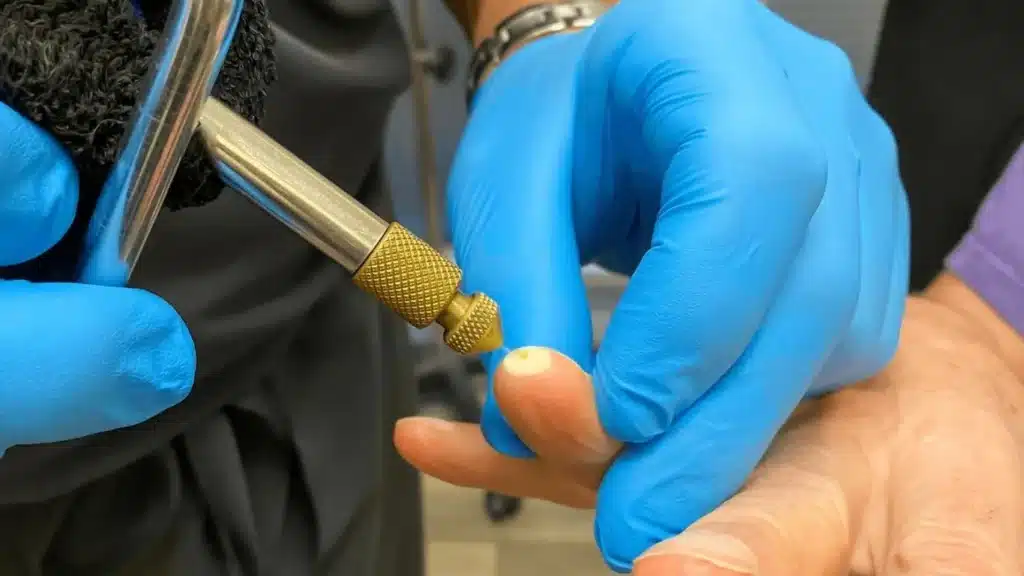
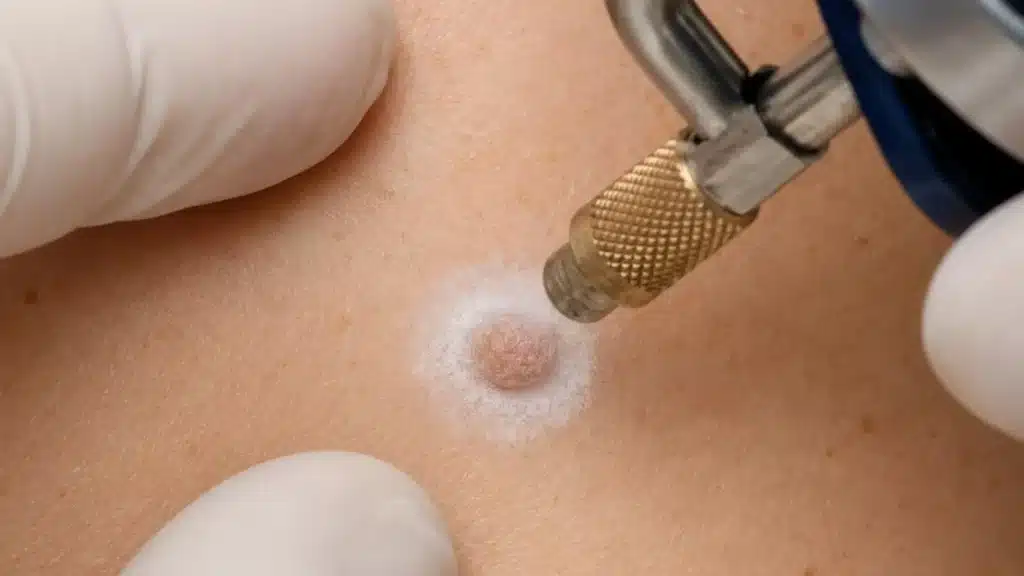
Cryotherapy is a medical procedure that involves exposing specific sections of skin to very cold temperatures to kill them. Liquid nitrogen is one of the most commonly used, as it can attain very low temperatures, and can be used to freeze the targeted cells.
The treatment involves applying the freezing agent directly to the lesion by a health care professional. The low temperature injures the cells in the treated area and the body slowly sloughs off the affected skin tissue as the skin recovers.
Usually fast and does not require a surgical cut. The number of applications and treatment duration, however, will depend on the size, location and type of the lesions.
Not all skin issues can be addressed using cryotherapy. Before treatment, a clinician must evaluate the lesion and decide whether freezing is the right treatment or not.
Which Skin Lesions Can Be Treated With Cryotherapy?
Cryotherapy is indicated for various skin lesions when a health care provider decides it’s a suitable treatment.
Common examples include:
- Certain warts.
- Picked up non-cancerous skin growths.
- Also known as actinic keratoses or solar keratoses.
- Sun damage causing some superficial lesions.
- Other specific skin abnormalities which can be frozen.
Solar keratoses tend to occur from repeated exposure to the sun’s UV rays. They can be rough or dry, and look like pink, red, brown or skin-coloured patches. Common sites are the face, scalp, ears, neck, forearms and back of the hands.
Cryotherapy Treatment might be effective at destroying the abnormal cells on the surface of the skin to treat appropriate solar keratoses. But not all rough or scaly areas need to be frozen without being assessed.
There are certain lesions which need to be further investigated, especially those that are changing, bleeding, painful or slow to heal. Treatment depends on the diagnosis, not the appearance.
Why Is Skin Assessment Important Before Cryotherapy?
A skin evaluation can be used to identify if a lesion is appropriate for treatment. Some growths are harmless but can appear to be serious and some skin cancers can be mistaken for ordinary skin growths.
The size, shape, colour, texture and location of the lesion may all be considered before recommending cryotherapy. They also may ask when it was noted, if it has changed, or if it has resulted in symptoms.
Your medical history may also be taken into account. The approach may be altered by previous skin cancer, heavy sun exposure or other risk factors.
The clinician might want to consider biopsy or other tests to determine the diagnosis before treatment if a lesion appears suspicious. In cases where the lesion has not been examined, it may be delayed in diagnosis with freezing.
This is especially useful if you see a new or changing spot. Early assessment will help to decide if the lesion can be safely treated or if additional investigations are needed.
How Does Cryotherapy Treatment Work?
The action of the cryotherapy is to apply the extreme cold to the tissue targeted. This results in damage to the cells and a local reaction when the skin is treated, as the area starts to heal.
The treatment is usually very simple.
1. Inspection of the Lesion
The doctor checks the affected area and decides if the treatment is cryotherapy. They can use a magnifying instrument or dermatoscope to examine the lesion if necessary.
2. Application of Liquid Nitrogen
Liquid Nitrogen treatment is applied to the product.The product is treated with liquid nitrogen.
A suitable technique is applied to the lesion to freeze the freezing agent. The application time is determined by the lesion’s type and characteristics.
3. Freezing of the Targeted Tissue
From there, the treated area cools down, destroying the cells. This may cause you some stinging, burning or temporary discomfort.
4. Natural Healing
After treatment there may be redness, swelling or blistering. A crust can form before the damaged skin separates from the old skin and new skin starts to regenerate.
Some lesions will clear up with only one application; others might need another application or a different treatment technique. Your clinician can tell you what’s right for your case.
What Happens During Cryotherapy in Canberra?
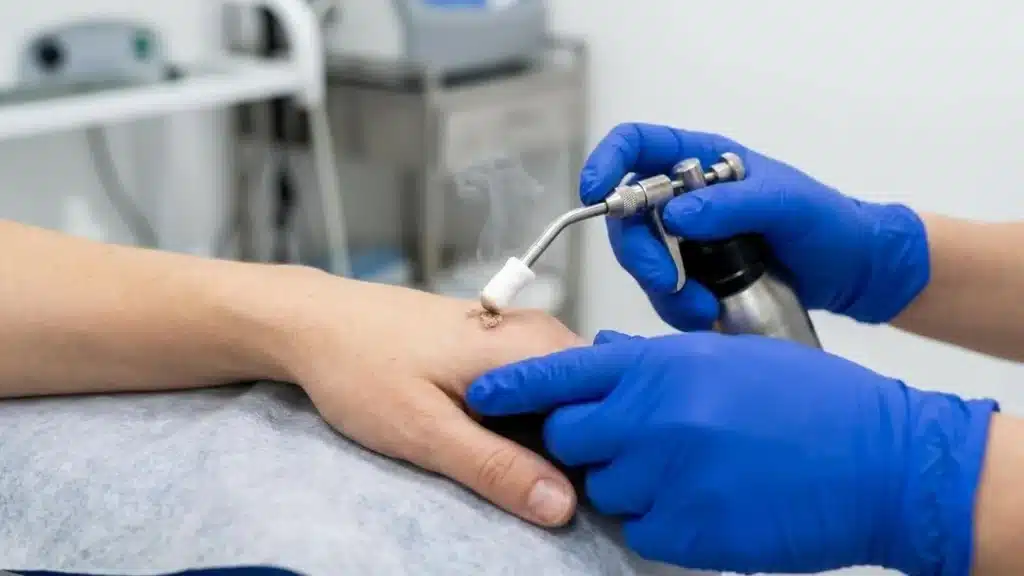
The consultation and discussion about the proposed procedure will typically be the first part of the appointment when patients are thinking about undergoing Cryotherapy Skin Cancer Canberra services.
The clinician should discuss the reasons for the recommendation of freezing, what it entails and what to expect following the procedure. You also may want to inquire about the timeline for recovery, scarring, and if there will be any follow-up care.
The treatment is usually short, but may depend on the number and location of the lesions.
There could be a stabbing cool feeling, stinging or slight pain during the process. It is typically uncomfortable after application, however, it can cause some tenderness for a brief time.
Most patients can return to their usual activities soon afterwards. It will, however, require protection from sun, irritation and friction in the treated area during healing.
Recovery After Cryotherapy for Skin Lesions
Recovering is a crucial component of treatment. There will be a period of healing after freezing, and the appearance of the treated area may vary during the next several days.
First 24 Hours
The treated area might be red or swollen and feel tender. A few people feel slight pain or fluid under the skin.
Follow post care guidelines given by your clinician. Maintain cleanliness and refrain from unnecessary rubbing.
Days 2 to 7
A blister/crust may form. The healing process may start with a darker or more prominent area.
NEVER pick, scratch or intentionally remove the crust. It is important to allow your skin to heal itself so that you do not end up with irritation and an increased risk of infection.
Following Weeks
The treated tissue will slowly regenerate and new skin will grow. Treatment time is dependent on the lesion, the depth of treatment and location on the body.
Some areas will heal differently to those with thicker skin or those that move frequently. Other treatments can also lead to temporary colour changes in skin.
If the area persists in becoming more and more painful or doesn’t heal in the usual amount of time, seek medical help.
Aftercare Tips for Better Healing
If you are providing aftercare, you can help the healing process by following these tips:
Aftercare can help to prevent damage to the treated area during the healing process. Your clinician’s instructions should supersede this as needs may differ.
Here are some general tips to consider:
- Keep the area clean: As directed by the health care worker, gently clean the area on treated skin.
- Do not pick: Do not scratch or peel blisters or crusts without allowing them to peel off naturally.
- Protect the area: Avoid the friction of clothing, accessories and/or activities that irritate the area.
- Dressing advice: If recommended to be worn for the location or condition, use a dressing.
- Take care of discomfort: Consult with your clinician or pharmacist regarding appropriate pain relief, if necessary.
- Apply sun protection: Avoid unnecessary exposure to the sun and adhere to any particular recommendations for sun protection given to the affected area.
Seek medical attention if any redness spreads, the pain worsens, there is a lot of swelling, pus or other symptoms that may be a sign of infection.
Possible Side Effects of Cryotherapy
Cryotherapy is well tolerated and has side effects when used for lesions that are appropriate.
Common side effects are temporary swelling, redness, tenderness, blistering and crusting. Many patients will be expected to respond to these changes.
Other potential impacts are:
- A temporary change of tone in the skin.
- A small scar.
- Prolonged healing in some areas.
- Infection, although this is uncommon.
- In some instances, alterations in sensation surrounding the treatment area.
Side effects are likely, depending on the location of the lesion, treatment technique, and body area, and will vary from person to person based on their healing history.
Talk with your clinician before the procedure about any concerns, particularly if the lesion is on a visible part of the body like the face or if you have a history of unusual scars.
Cryotherapy Compared With Other Skin Treatments
Cryotherapy differs from other skin treatments in several ways.There are a few differences between cryotherapy and other skin treatments.
The skin lesions can be treated with several treatments and for one of them, a patient can benefit from the application of cryotherapy. The most suitable choice will depend on the diagnosis and personal situation.
Cryotherapy
Selected warts, solar keratoses and other appropriate superficial lesions may be treated with freezing. It typically is fast and doesn’t require a surgical cut.
Topical Treatments
Some creams or gels may be recommended for particular skin problems. Treatment is based on the medicine and diagnosis, and may have side effects.
Curettage or Excision
Some lesions may require removal with a procedure that enables the clinician to take tissue for examination, if appropriate.
Biopsy
Biopsy is the removal of a tissue sample to be examined. It may be suggested if a diagnosis is not certain or in a suspicious lesion a diagnosis is required.
These options cannot be substituted for each other. Treatment should be indicated by the characteristics of the lesion and the need for tissue examination, at the discretion of a clinician.
When Should You Arrange a Skin Cancer Check?
It is not a substitute for a thorough skin examination; Cryotherapy is performed on selected areas.
If you notice a spot that grows, changes in shape or colour, has an irregular border, bleeds regularly, or fails to heal, you may need a skin cancer check. Book an appointment today for a professional skin assessment and take the next step towards protecting your skin health.
Additional warning signs may be a new growth that keeps getting larger or a sore that doesn’t heal or that is different from other sores.
Individuals who have had skin cancer or other risk factors, or have had a high amount of sun exposure may require routine professional checks. Your doctor will be able to tell you what’s a reasonable schedule.
Before destructive treatment, make an assessment if the lesion is suspicious. Diagnosis may require a biopsy or other type of investigation.
Sun Protection and Skin Health in Canberra
Canberrans can walk, cycle, garden, play sport or work outdoors. These activities can expose them to a higher amount of UV, especially if they do not take measures to protect themselves.
Sun damage is a factor in the onset of premature ageing and also a risk factor for some forms of skin cancer. Even after a lesion is treated, it is important to protect the skin.
Some good sun protection practices are:
- Use broad-spectrum, SPF 50 or 50+ sun protection product, following the instructions on the label.
- Using a wide-brimmed hat and protective clothing.
- Finding shade as much as possible.
- Wearing sunglasses that provide UV protection.
- Consulting with the local UV forecast and taking additional precautions if UV is high.
- Monitoring skin for new or changing lesions.
While sun protection can’t fix all of the damage that has already occurred, it can minimise additional UV damage and promotes ongoing skin health.
Choosing a Clinic for Cryotherapy Treatment
If you’re searching for “Cryotherapy for Skin Lesions Canberra“, ask the clinic to evaluate the lesion prior to offering you a treatment.
Ask if the clinic can investigate any suspicious changes in the skin, and be able to discuss alternative treatments, as well as advice for follow-up, when appropriate.
You should look at the medical history, and the appearance of the lesion and whether or not further investigation is necessary.
It is also important to know what to expect during recovery, as well as some potential side effects and indications for when you should contact a doctor.
It isn’t just about clearing up a visible spot. It is to determine the characteristics of the lesion and the type of therapy to be employed, according to clinical indications.
Frequently Asked Questions
Q1. Is cryotherapy painful?
Cryotherapy can cause a brief stinging, burning or cold sensation during treatment. Mild tenderness may continue afterwards. The level of discomfort depends on the size and location of the lesion and the treatment used.
Q2. How long does recovery take?
Many treated areas heal over days to several weeks. Recovery depends on the treatment depth, body location and individual healing response. Your clinician can provide a more specific estimate after examining the lesion.
Q3. Can every skin lesion be frozen?
No. Cryotherapy is suitable for selected lesions only. Some spots require a biopsy, monitoring or another treatment, particularly when skin cancer is suspected.
Q4. Can cryotherapy leave a scar?
Scarring is possible, although many treated areas heal without a significant scar. Temporary or lasting changes in skin pigmentation can also occur. Discuss these risks with your clinician before treatment.
Q5. Do I need another appointment after treatment?
Follow-up depends on the lesion and its response to treatment. Some lesions may need reassessment or additional treatment. Contact your clinician if the area does not heal as expected or the lesion persists.
Conclusion
Cryotherapy for Skin Lesions in Canberra can be a useful treatment option for selected skin conditions, including certain warts and solar keratoses. The procedure uses controlled freezing to damage targeted tissue, which then heals over time.
Understanding the treatment process, following aftercare advice and protecting your skin during recovery can help you prepare for the procedure. However, correct diagnosis remains essential because not every lesion is suitable for freezing.
If you have a new, changing, bleeding or persistent spot, arrange a professional skin assessment before deciding on treatment. Your clinician can determine whether cryotherapy, further investigation or another approach is most appropriate for your skin health.
| Canberra Skin Cancer Clinic- Green Way | Canberra Skin Cancer Clinic- Molonglo Valley |
| Phone: (02) 51046409 | Phone: (02) 51046409 |
| Email: reception@greenwaymedicalcentre.com.au | Email: reception@greenwaymedicalcentre.com.au |
| Address: Unit 6/175 Anketell Street, Greenway ACT 2900 | Address: 110 Woodberry Ave Coombs ACT 2611 |
| Website: https://canberraskincancerclinic.com.au/ | Website: https://canberraskincancerclinic.com.au/ |
Concerned about a changing spot or skin lesion? Book an appointment today at Canberra Skin Cancer Clinic for a professional skin assessment and discuss suitable treatment options.