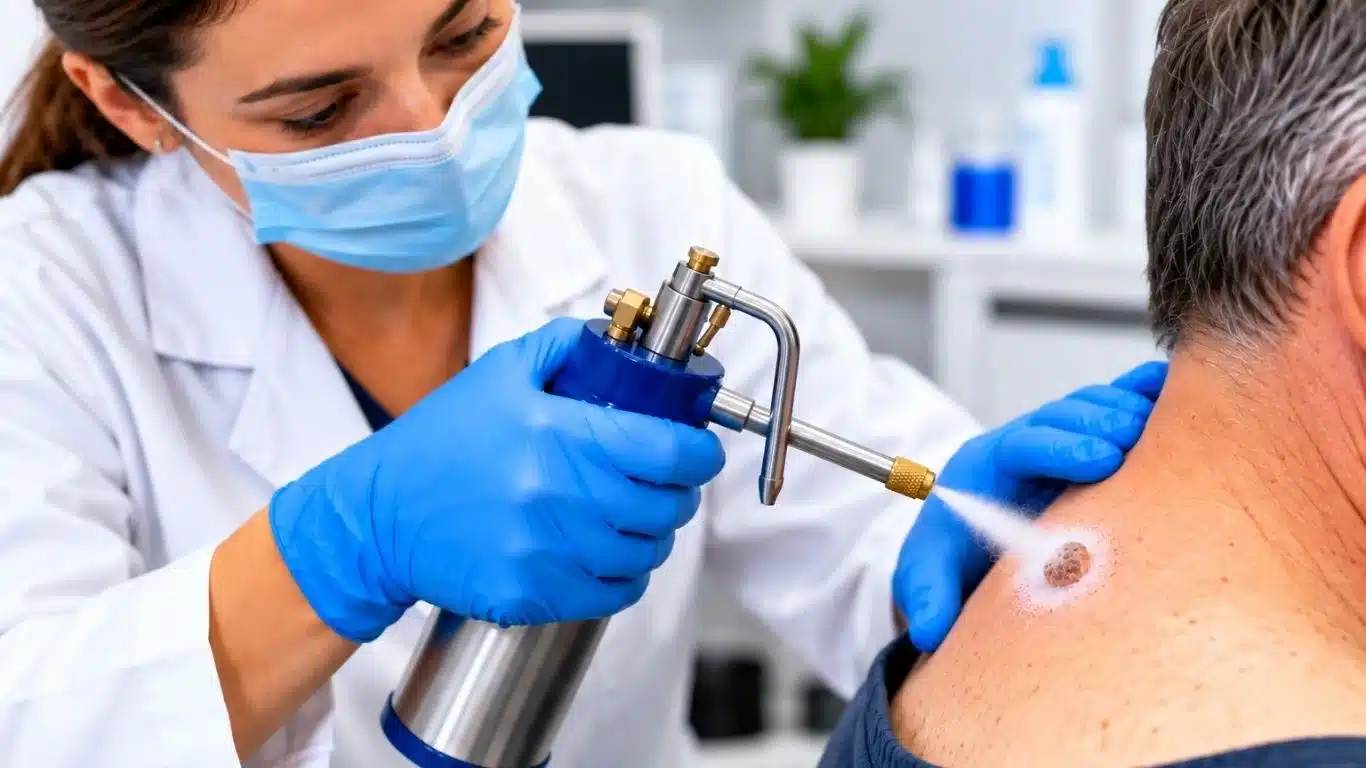
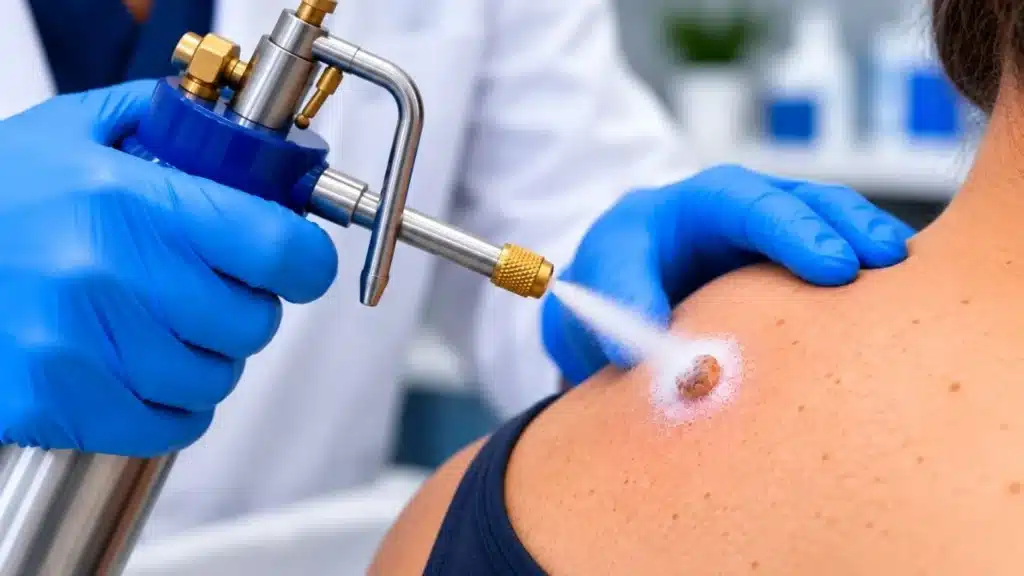
Cryotherapy is a common treatment for selected skin lesions, including certain warts and sun-damaged areas. The procedure uses extreme cold, often liquid nitrogen, to destroy targeted skin tissue. After treatment, the affected area needs time to heal, and proper care can help protect the skin during recovery.
Cryotherapy Aftercare in Canberra is important for people who want to understand what happens after treatment, how to care for a blister or scab, and when to seek medical advice. Although recovery is often straightforward, the healing process can vary depending on the location, size and type of lesion treated.
For Canberra residents, aftercare also includes protecting the skin from ultraviolet (UV) radiation and watching for new or changing spots. This guide explains the recovery process, practical skin care tips, possible side effects and when professional follow-up may be needed.
What Is Cryotherapy and Why Does Aftercare Matter?
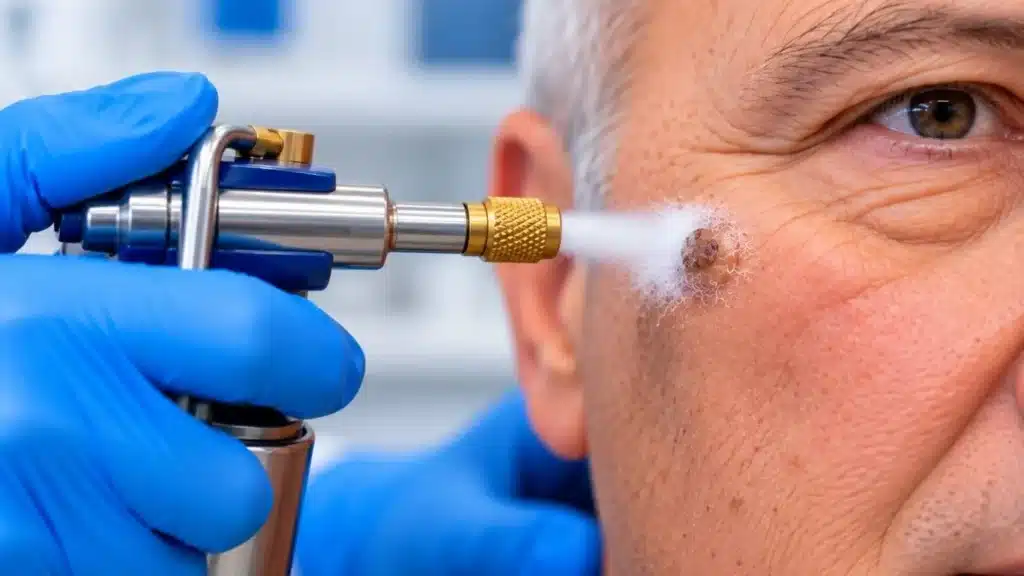
Cryotherapy is a medical technique that involves freezing and damaging targeted skin cells. Liquid nitrogen is routinely used for the treatment of suitable lesions, like some warts and solar keratoses.
Controlled damage is induced to targeted tissue by the freezing process. The treated area may be red, swollen or blistered over the next few days. This damaged tissue can then be replaced with a crust.
The skin needs to heal aftercare, hence the importance of the aftercare. Excessive rubbing or picking a scab or ignoring an infection may hinder healing.
With good aftercare you should be able to control the normal changes of skin, minimise irritation and determine if additional medical information is necessary. Always follow your clinician’s advice as different lesions and treatment sites will need different care.
What Happens to Your Skin After Cryotherapy?
The effect of skin to cryotherapy differs from one person to another. Some will have a slight redness and tenderness, and others will have a blister or crust over the area treated.
These changes in a natural way happen as a part of the healing process.
The effect of skin to cryotherapy differs from one person to another. Some will have a slight redness and tenderness, and others will have a blister or crust over the area treated.
These changes in a natural way happen as a part of the healing process.
Redness and Swelling
A few hours after the treatment, the skin may appear red and slightly swollen. The local skin response may also cause the area to feel warm, tender or uncomfortable.
If the symptoms are mild, they tend to resolve with time. Any redness which spreads or increases in pain should be evaluated by a healthcare provider, however.
Blister Formation
A fluid-filled blister may develop within hours or over the next few days. This can happen after freezing because the treatment affects the targeted skin tissue.
A blister does not automatically mean that the treatment has caused a problem. Avoid deliberately popping it, as the skin covering the blister helps protect the area underneath.
Crusting and Scab Formation
As healing continues, the treated area may dry out and form a crust or scab. This is a natural part of the skin’s repair process.
Do not pull off the crust before it separates naturally. Removing it too early may cause bleeding, irritation or delayed healing.
New Skin Formation
Once the damaged tissue separates, new skin gradually develops. The area may initially appear pink, lighter or darker than the surrounding skin.
Skin colour changes can last longer than the initial healing period. The final appearance depends on the treatment site, skin type and individual healing response.
Cryotherapy Aftercare in Canberra: Essential First Steps
There are a few first steps to take after cryotherapy in Canberra. Cryotherapy Aftercare in Canberra: First steps.
The first couple of days after treatment are crucial to safeguard the treated area. Listen to your health care professional; particularly if he or she has given you instructions for a dressing or wound-care directions.
Keep the Treated Area Clean
Wash the area in a soft manner as instructed by your clinician. Don’t use too much force, rubbing or abrasive materials.
Usually, no restrictions on daily activities, but care should be taken with handling the treated skin during washing, dressing or drying.
Avoid Picking or Scratching
This can be irritating as the blister or scab heals. But, it may lead to damaging the skin under new skin if pinched.
Let the blister “drop” and naturally separate. Ask your clinician if a protective dressing would be helpful if the clothing or footwear is rubbing the area.
Follow Dressing Instructions
In some places treated, no dressing may be necessary; in others, protection is necessary. This will vary depending on the area and condition of the skin.
If your clinician prescribes a dressing, please ask them about how this should be changed and how it should be kept clean. Never use a product that has been recommended that a treatment is needed for a dry or uncomfortable area when no advice was given.
Avoid Unnecessary Irritation
Minimize friction due to clothing, jewelry, sports gear or other items touching the treated skin.
If the lesion occurs on hands, feet or other body part that is used often, ask if you need to modify some activities during the healing process.
How Long Does Cryotherapy Recovery Take?
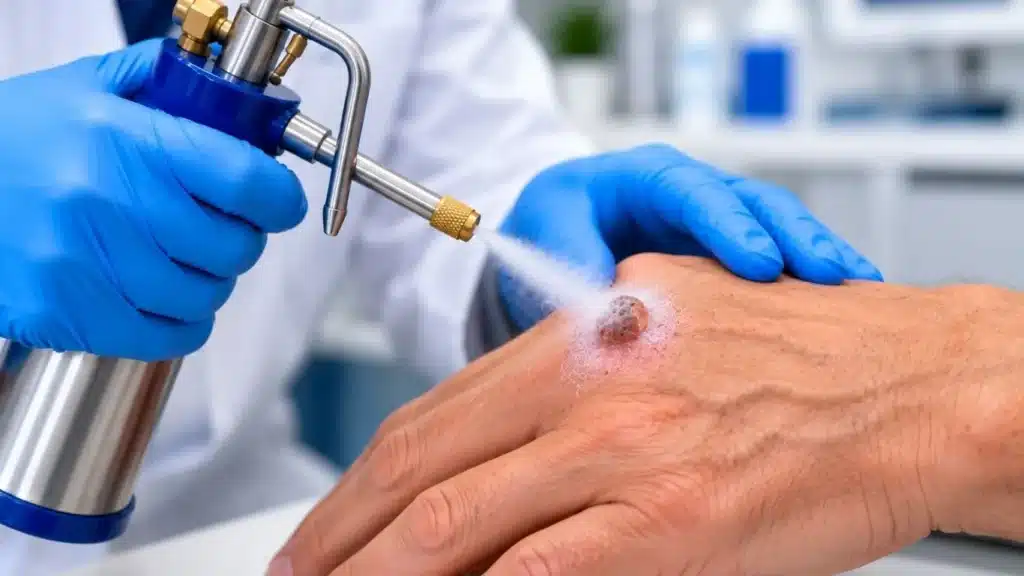
The recovery process of Cryotherapy may last for several days or a few weeks, depending on each person’s skin and treatment.
A small, shallow wound might heal fairly fast. The more area or depth of treatment required, the longer this may take. Sites that undergo constant rubbing and/or motion may also need special attention.
The stages of healing are:
- First few days: Redness, swelling, tenderness and/or blisters can happen.
- After days: The blister could have dried and a crust or scab forms.
- Over the next few weeks: The damaged tissue separates, and new skin forms.
- Once the area has closed: Temporary color changes can be present during the period that the skin continues to settle.
These are approximate timelines and do not constitute a specific timeline. Not all individuals will have all of the stages and some lesions might need extra treatment.
If the area isn’t healing as expected, or the lesion doesn’t go away, talk to your clinician for guidance.
Managing Pain and Discomfort After Treatment
There may be some mild stinging, tenderness or soreness following the cryotherapy. These symptoms usually get better when the treated area recovers from the treatment.
Pressure and friction can cause irritation, but that can be avoided if necessary. Wherever possible, think about what protection can be used if the site is in contact with clothing/equipment, discuss this with your clinician.
If you need painkillers, talk with your doctor or pharmacist about suitable pain relief for you.
Avoid applying strong creams, chemical treatments or treatments at home to the treated area, unless directed by your health care professional.
Do not ignore pain or if there is significant swelling or spreading redness, increase in pain. If these symptoms occur after the initial recovery period, they may need medical evaluation.
Can You Shower After Cryotherapy?
In many cases, showering is possible after cryotherapy, but the correct approach depends on the treatment site and your clinician’s instructions.
Use gentle water and avoid scrubbing the treated area. Pat it dry carefully rather than rubbing it with a towel.
If you have a dressing, follow the advice you received about whether it can get wet and when it should be changed.
Avoid swimming or soaking the treated area if the skin is blistered, open or not fully healed unless your clinician confirms that it is appropriate. This can help reduce irritation and protect the area while it repairs itself.
If you are unsure about bathing, swimming or returning to a particular activity, ask your treating healthcare professional.
Sun Protection During Cryotherapy Recovery
One of the important aspects of Cryotherapy Aftercare in Canberra is sun protection. The treated skin may be more sensitive in the recovery process and UV exposure can cause permanent skin colour changes.
Residents of Canberra can be outside for a lot of time when walking, cycling, gardening or playing sport. Practicing safe sun habits is particularly important during these activities when the sun’s UV level is high.
Take into account the following measures:
- Use broad-spectrum sun protection factor (SPF) 50 or SPF 50+ sunblock as directed if appropriate for the healing skin.
- Use protective clothing and a wide-brimmed hat.
- Avoid direct sunlight if at all possible.
- Wear UV protection sunscreen sunglasses.
- See the local forecast for UV before going outdoors for long periods.
- Follow the instructions your clinician gives you regarding the protection of the treatment area if it has an open wound or blister.
- If sun cream causes irritation to the treated area, or the skin has not closed, consult your clinician about how to keep your skin covered.
Sun protection does not reverse the effects of sun damage, but it helps to minimise additional exposure to the skin and maintain skin health for the longer term.
What Should You Avoid During Recovery?
There are some habits that can irritate the treated area or stop it healing. The specific restrictions will vary depending on the treatment but here are a few general notes.
- Don’t pop the blisters or scabs as this can cause bleeding and may harm the healing skin.
- Avoid using exfoliating products, strong acids or harsh skin treatments on the affected area unless your clinician says it’s okay.
- Avoid unnecessary rubbing and pressure. If the therapy location is on the feet, hands or a location commonly utilized, talk about any adjustments in activity that might be helpful.
- Never freeze at home again or without proper instructions use any over the counter product in the same area.
Most importantly, don’t assume that all changes subsequent to treatment are normal. If things get worse or if the site doesn’t heal, ask for professional advice.
Possible Side Effects After Cryotherapy
Cryotherapy is generally well-tolerated in most people provided it is used for appropriate lesions. However, there are side effects and understanding these can help you know what to watch out for.
Possible effects include:
- A temporary redness and swelling.
- Blisters or crusts.
- Some pain or tenderness.
- A temporary change of color (light or dark) in the skin.
- In some instances, a small scar.
- Delayed healing.
- Rarely seen, infection.
The probability of these effects varies according to the depth of treatment, type of lesion, and body location and skin type.
If you are worried about scarring or pigmentation changes, speak with your clinician about it. These risks may be more significant for the treatment of visible areas (such as the face).
When Should You Seek Medical Advice?
The difference between a normal healing change and the need for evaluation must be recognised.
If you experience:
- Increasing or severe pain.
- Increased redness beyond the area to be treated.
- Any swelling that is noticeable or gets worse.
- Discharge or pus.
- Fever or feeling ill in general.
- A failure of blood to clot under gentle pressure.
- A cut or sore that is not healing.
- Lesion that does not heal or change.
Not all of these symptoms indicate that a problem has arisen, but when appropriate they should be assessed.
When you’re worried about a lesion that has developed in a way that is different from before, that keeps bleeding, or that won’t heal, make a professional skin assessment appointment, not aftercare.
Skin Lesion Treatment and Follow-Up Checks
Cryotherapy is for treating specific areas, and will not take the place of routine skin checks. New lesions may appear later in life, especially if the individual has suffered from sun damage in the past.
Depending on the type of lesion and response to treatment, a follow-up may be recommended. Your clinician can see if the area has healed and if more treatment and/or investigation is required.
This is particularly important if the original diagnosis was uncertain or the lesion has not responded as expected.
When choosing Skin Treatment Canberra services, opt for a clinic that will take time to observe the changes in your skin and discuss with you if there is a need for further examination. The treatment should be based on the lesion, not the way the lesion looks.
Rather than repeat a cryotherapy, a clinician might suggest a biopsy or another evaluation if a spot seems suspicious.
How to Care for Your Skin After Healing
Once the treated area has healed, continue to protect your skin and monitor it for new or changing spots.
Use sun protection consistently, particularly during periods of elevated UV exposure. Avoid unnecessary tanning and take practical steps to reduce prolonged exposure to strong sunlight.
You can also become familiar with the usual appearance of your skin by checking it regularly. Look for new growths, changes in existing moles, persistent sores or unusual patches.
Pay attention to areas that are harder to see, including your scalp, ears and back. Ask someone you trust to help check these areas when necessary.
If you have a history of skin cancer or multiple sun-damaged lesions, ask your doctor how often you should have professional skin checks.
Frequently Asked Questions
Q1. Can I pop a blister after cryotherapy?
It is generally best not to pop a blister yourself. The blister helps protect the skin underneath while it heals. If it becomes very painful, unusually large or causes concern, contact your healthcare professional for advice.
Q2. Can I exercise after cryotherapy?
Many people can continue normal activities soon after treatment. However, exercise that causes friction, pressure or sweating around the treated area may cause irritation. Ask your clinician whether you need to modify specific activities.
Q3. Will my skin return to its normal colour?
The treated area may become lighter or darker than the surrounding skin. These changes can improve over time, but they may sometimes persist. The outcome varies depending on the treatment site and individual skin characteristics.
Q4. Does cryotherapy always remove a skin lesion completely?
Not always. Some lesions may need another treatment or further investigation. If the lesion persists, returns or changes, arrange a review with your healthcare professional.
Q5. Do I need a skin check after cryotherapy?
Follow-up depends on the lesion and your individual risk factors. Your clinician may recommend a review to assess healing or confirm whether further treatment is needed. New or suspicious skin changes should be assessed promptly.
Conclusion
Proper aftercare is an important part of successful healing after cryotherapy. Keeping the treated area clean, avoiding picking, following dressing instructions and protecting the skin from excessive UV exposure can help support recovery.
Cryotherapy Aftercare in Canberra also involves knowing when to seek medical advice. Although redness, blistering and crust formation can be normal, worsening pain, spreading redness, unusual discharge or delayed healing should not be ignored.
If you have concerns about your recovery or notice a new or changing lesion, arrange a professional assessment. A suitable care plan can help you manage healing, understand your treatment options and protect your skin over the long term.
| Canberra Skin Cancer Clinic- Green Way | Canberra Skin Cancer Clinic- Molonglo Valley |
| Phone: (02) 51046409 | Phone: (02) 51046409 |
| Email: reception@greenwaymedicalcentre.com.au | Email: reception@greenwaymedicalcentre.com.au |
| Address: Unit 6/175 Anketell Street, Greenway ACT 2900 | Address: 110 Woodberry Ave Coombs ACT 2611 |
| Website: https://canberraskincancerclinic.com.au/ | Website: https://canberraskincancerclinic.com.au/ |
Concerned about your skin’s healing after cryotherapy? Book an appointment at Canberra Skin Cancer Clinic for professional advice on cryotherapy aftercare, recovery and suitable skin treatment options.