Curettage and Cautery in Canberra is a minor skin procedure used to remove selected abnormal skin growths, including certain superficial skin cancers and suitable benign lesions. The treatment involves scraping away abnormal tissue with a specialised instrument called a curette, followed by the use of controlled electrical energy to treat the affected area and control bleeding.
Skin lesions can develop for many reasons. Some are harmless, while others may need medical attention. Changes in the size, shape, colour or texture of a skin growth should not be ignored. Early assessment can help identify suspicious lesions and determine the most suitable treatment.
For people living in Canberra and surrounding areas, understanding the treatment process, benefits, possible risks and healing stages can make the experience less stressful. A professional skin examination is an important first step before deciding whether this procedure is appropriate.
Quick Summary
- Done under local anaesthetic, usually with no stitches
- Suitable for selected superficial skin cancers and benign growths
- Most wounds heal within a few weeks
- Not suitable for melanoma or deeper, higher-risk skin cancers
Understanding Curettage and Cautery

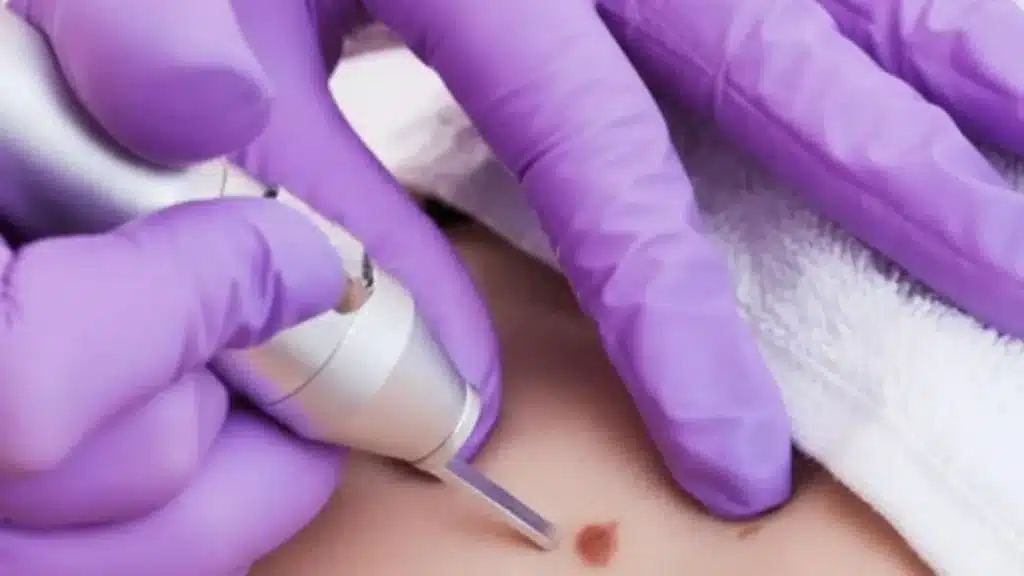
Curettage and cautery is a minor surgical procedure to remove selected abnormal skin tissue. It is a combination of two techniques for treating the affected area.
- Curettage uses a small, spoon-shaped metal instrument called a curette. The doctor gently removes the abnormal tissue from the skin.
- Cautery involves applying controlled electrical energy to the treatment area. This stops bleeding and destroys some of the remaining abnormal cells.
The combination of these techniques is also known as curettage and electrodesiccation. Cancer Council notes that it is used to treat some basal cell carcinomas, small squamous cell carcinomas and areas of SCC in situ (Bowen’s disease). It can also be used for some benign skin growths.
However, it is not suitable for all skin cancers. Before recommending treatment, the doctor needs to determine the type, depth, size and location of the lesion.
Why Is Curettage and Cautery Recommended?
This procedure may be recommended if a skin lesion is appropriate for removal by scraping and cautery. It may be helpful for certain superficial growths that do not need a more extensive surgical procedure.
Some of the most common reasons for treatment include:
- Selected superficial basal cell carcinomas
- Some squamous cell carcinomas in situ
- Appropriate superficial skin growths
- Benign lesions that need to be removed
- Specific skin conditions where scraping is clinically indicated
This will be determined by the clinical diagnosis and the needs of the patient. Some skin cancers invade deeper into the skin or are more likely to come back. These can be treated with surgery or other methods to improve disease control. A proper assessment will be used to decide if this procedure is appropriate.
Common Skin Conditions That May Require Treatment
Different skin conditions can produce similar-looking spots and growths. Knowing what may be causing the symptoms can help you identify when a medical evaluation might be needed.
Basal Cell Carcinoma
Basal cell carcinoma (BCC) is a common type of skin cancer in Australia. It tends to occur on sun-exposed skin, such as the face, neck, ears and arms. It may appear as:
- A shiny or pearly lump
- A pink or reddish area
- A wound that will not heal
- A growth that repeatedly bleeds
- A small area that continues to crust
Some superficial BCCs may be suitable for this treatment. More serious or aggressive tumours might need to be cut out or treated in another way.
Squamous Cell Carcinoma in Situ
Bowen’s disease, or squamous cell carcinoma in situ, is a cancer of the outer layer of the skin. It can look like a long-lasting red, scaly or crusted area. The affected area can slowly increase in size and may become irritated.
Selected cases may be treated with curettage and cautery, depending on the lesion’s size, location and clinical features.
Benign Skin Growths
Not all skin lesions are cancerous. Curettage may also be used to remove some non-cancerous growths, including some seborrhoeic keratoses and other superficial skin growths.
If a lesion is unusual or changing, it should be examined before removal. A diagnosis should be made by a doctor, not assumed to be benign.
Curettage and Cautery in Canberra: Step-by-Step Treatment Process
Patients can feel better prepared for their appointment if they understand the treatment process. It is typically done in a suitable clinical environment with local anaesthetic. Treatment will vary depending on the nature of the lesion.
1. Initial Skin Examination
The first step is to look at the affected area. The doctor evaluates the lesion’s:
- Size and shape
- Colour and texture
- Location on the body
- Surface appearance
- Changes over time
The skin can be looked at more closely using a dermatoscope. A biopsy may be suggested if the lesion looks suspicious, to confirm the diagnosis. The doctor may also check your previous skin cancer history, medications, allergies and general health.
2. Preparing the Treatment Area
After the treatment plan is established, the affected skin is cleaned and prepared. The doctor determines the area to be treated and injects local anaesthetic around the lesion.
There may be a brief stinging sensation when the injection is given. Once the anaesthetic takes effect, the area is numb to minimise discomfort during the procedure.
3. Performing the Curettage Procedure
The doctor uses a special curette to gently remove the abnormal tissue. It has a small, curved edge that helps remove the growth from the surface of the skin.
Depending on the lesion, the doctor may make multiple passes to remove the affected tissue. During the procedure, the treatment area is checked to see if further treatment is necessary.
4. Applying Cautery
Once the surface is scraped, controlled electrical energy can be used on the treated area. This step helps to stop bleeding and kill some of the remaining abnormal cells.
The doctor carefully treats the affected tissue according to the clinical requirements of the lesion. The number of treatment cycles varies depending on the type and size of the growth.
5. Cleaning and Dressing the Wound
The treated area is cleaned and dressed after the procedure. The doctor or clinical staff will give directions on how to clean the wound, change the dressing and recover. Most patients are able to go home the same day.
Benefits of Curettage and Cautery Treatment
This procedure has several potential advantages for well-suited skin lesions.
- Minimally invasive: Abnormal tissue is removed without a large surgical incision. It is usually less extensive than traditional surgical removal.
- Usually no stitches required: The treated area is usually left open to heal on its own. Wound care depends on the size and location of the treatment area.
- Relatively quick: Treatment typically takes place in a brief appointment. The length of time varies with the number, size and location of the lesions.
- Local anaesthetic: The area is numbed, so patients are conscious during the procedure but should not feel significant pain.
- Outpatient treatment: An overnight hospital stay is usually unnecessary.
- Suitable for selected superficial lesions: If chosen wisely, the technique can be a valuable treatment for some superficial skin cancers and appropriate benign growths.
The doctor will recommend this treatment after taking into account the diagnosis and risk of recurrence.
Healing After Curettage and Cautery
The healing process is an important part of treatment. Following the procedure, the treated area must heal and regenerate new skin. The wound may initially look red, raw or slightly moist, and a crust or scab can form as healing continues. Most wounds heal in a few weeks, but healing time depends on the size of the wound, its location and the healing power of the person. For a detailed guide, see our article on curettage recovery and aftercare.
First 24 to 48 Hours
There may be some slight bleeding, tenderness or discomfort following treatment. Patients should:
- Follow the dressing instructions as recommended
- Avoid unnecessary pressure on the treated area
- Protect the wound from accidental damage
- Follow the recommended cleaning instructions
- Avoid activities that can cause bleeding
If bleeding occurs, apply firm, continuous pressure using clean gauze or cloth. If it does not stop, get medical help.
Scab Formation
During the early healing phase, a crust or scab may form over the wound. This is a normal part of recovery. Do not scratch, pick or remove the scab, as it may damage new skin and slow down healing. Let the scab peel off as new skin grows.
New Skin Development
As the wound heals, new skin grows over the treated area. The area may start out pink, pale or a slightly different colour from the surrounding skin. These changes can improve over time.
Complete Healing
Healing time varies according to the size and location of the wound. Blood circulation is better in some areas than others, and areas such as the lower legs may heal more slowly. Follow-up visits allow the doctor to monitor healing and check whether the treated area is likely to recur.
Aftercare Tips for Better Recovery
Proper aftercare can aid healing and minimise complications.
Keep the Wound Clean
Remove the dressing and clean the treated area as directed by your doctor. Gentle cleaning with water and mild soap may be recommended. Do not use strong antiseptics or creams unless prescribed by your doctor.
Change the Dressing as Advised
A proper dressing protects the wound from dirt, rubbing and accidental damage. Follow the clinic’s instructions, and replace the dressing if it becomes wet, dirty or loose.
Avoid Picking the Scab
Picking can cause bleeding and damage the healing skin. Allow the wound to heal naturally to minimise irritation and support normal recovery.
Avoid Excessive Friction
Stretching, rubbing or pressure on the treated area can hinder healing. Avoid heavy exercise that may interfere with the wound. Depending on your doctor’s recommendations, you may also need to avoid swimming until the wound has healed.
Protect the Area from Sun Exposure
Newly healed skin may be sensitive to sunlight. After the wound has healed, wear protective clothing and a broad-spectrum SPF 50+ sunscreen.
Walking, cycling, gardening and outdoor sport can increase UV exposure in Canberra, so sun protection is important year-round.
Possible Risks and Side Effects
As with other minor surgical procedures, curettage and cautery may have side effects and complications. Knowing about them helps you recognise when to seek medical advice.
- Bleeding: Minor bleeding or oozing may occur after treatment. If it continues, it should be evaluated by a healthcare provider.
- Infection: Increasing redness, swelling, pain, discharge or fever may signal an infection.
- Scarring: A slight scar may remain after healing, depending on the size and location of the treated area.
- Skin colour change: The treated skin may be lighter or darker than the surrounding skin.
- Delayed healing: Some wounds take longer to heal, particularly those on the lower legs or in areas exposed to repeated friction.
- Recurrence: Abnormal tissue can remain or the skin cancer can come back. Further examination or treatment may be necessary.
If symptoms worsen or you have concerns about the healing process, contact your doctor.
Is Curettage and Cautery Suitable for Every Skin Cancer?
No. Not all skin cancers can be treated with this procedure. The decision is based on the type of cancer, its size, depth, location and risk of recurrence.
Selected superficial basal cell carcinomas and squamous cell carcinomas in situ may be appropriate. However, more serious, invasive, recurrent or poorly defined skin cancers may need to be surgically removed or treated in a more specialised way.
Curettage and Cautery vs Surgical Excision
Both procedures are used to treat specific skin lesions, but they use different techniques. You can read more about surgical excisions on our treatments page, or see how Cancer Council Australia describes surgery for skin cancer.
| Feature | Curettage and Cautery | Surgical Excision |
|---|---|---|
| Technique | Abnormal tissue is scraped away, then controlled electrical energy is applied | The lesion is cut out, sometimes with a margin of surrounding skin |
| Stitches | Usually not needed | Frequently needed |
| Healing | Wound usually heals naturally | Wound is closed with stitches |
| Pathology | Biopsy may be done beforehand | Removed tissue can be sent for pathological examination |
| Best suited for | Some superficial lesions | More advanced or higher-risk skin cancers |
Neither option is necessarily superior for all patients. The doctor chooses an approach based on the diagnosis and the patient’s clinical situation. For a fuller look at pros and cons, read our guide to curettage treatment benefits and limitations.
Importance of Professional Skin Assessment in Canberra
The first step in selecting the appropriate treatment is an accurate diagnosis. Anyone thinking about undergoing Cautery Treatment Canberra should have their skin checked by a skin cancer specialist.
A professional evaluation can identify whether a lesion is benign, precancerous or cancerous. It also helps determine whether curettage and cautery is the right treatment or whether another option will give a better result. When examining, the doctor may consider:
- Changes in the lesion’s size, shape or colour
- History of skin cancer
- Family history and individual risk factors
- The location and appearance of the affected area
- Prescription drugs and overall health
It is important for patients to know what they are being treated for before undergoing any Skin Treatment Canberra.
Importance of Regular Skin Checks in Canberra
Canberra residents are exposed to UV during daily and outdoor activities. Excessive UV exposure can cause skin damage and raise the likelihood of skin cancer. Routine skin checks can detect abnormal changes and aid early medical evaluation.
Look out for skin spots that:
- Change in size, shape or colour
- Develop irregular borders
- Darken or become uneven in colour
- Bleed for no apparent reason
- Form crusting or scaling
- Become itchy, painful or inflamed
- Fail to heal over time
Not all unusual spots are cancerous, but if a lesion is persistent or changing, it should be evaluated by a healthcare provider.
Frequently Asked Questions
1. What is the difference between curettage and cautery?
Curettage involves scraping away abnormal skin tissue using a specialised instrument. Cautery uses controlled electrical energy to treat the affected area, control bleeding and destroy some remaining abnormal cells. Both techniques are often combined during one minor procedure for selected skin lesions.
2. Is curettage and cautery painful?
The procedure is generally performed under local anaesthetic, which numbs the treatment area. Patients may experience a brief sting during the injection. During treatment, they may notice pressure or movement but should not experience significant sharp pain. Mild tenderness can occur afterwards.
3. How long does healing take after treatment?
Most wounds heal within a few weeks. However, recovery depends on the size and location of the treated area and individual healing ability. Wounds on the lower legs may take longer than those on the trunk. Following aftercare instructions supports normal healing.
4. Does curettage and cautery leave a scar?
Yes, a scar can remain after treatment. The area commonly heals with a small, flat scar that may look lighter or darker than the surrounding skin. Its appearance depends on the wound size, location and individual healing response.
5. Can I return to normal activities after the procedure?
Many patients can return to their usual daily activities shortly after treatment. However, strenuous exercise, swimming and activities that create friction or pressure on the wound may need to be avoided temporarily. Follow your doctor’s instructions before resuming these activities.
6. Can skin cancer return after curettage and cautery?
Yes, recurrence is possible. Some abnormal cells may remain, or a skin cancer may develop again in the treated area. The procedure is therefore recommended only for suitable lesions. Regular follow-up examinations help monitor the treated site and identify changes early.
7. Is curettage and cautery better than surgical excision?
Neither procedure is better in every situation. Curettage and cautery may suit selected superficial lesions, while surgical excision may be preferred for deeper, aggressive or higher-risk skin cancers. A doctor can recommend the appropriate option after examining the lesion.
Conclusion
Curettage and cautery is an established treatment option for selected superficial skin cancers and suitable skin growths. It combines scraping with controlled electrical energy to remove abnormal tissue, manage bleeding and support treatment of the affected area.
Understanding the treatment process, benefits, possible risks and healing stages can help patients make informed decisions about their skin health. For people considering Curettage and Cautery in Canberra, arranging a professional skin examination is the first step. An accurate diagnosis helps determine whether this procedure, surgical excision or another treatment is most appropriate.
Regular skin checks, early assessment of suspicious changes and consistent sun protection remain important parts of long-term skin health.
Helpful Resources
Book a Skin Assessment in Canberra
If you have noticed a changing mole, persistent skin lesion, unusual growth or a spot that does not heal, consider arranging a professional skin examination.
At Canberra Skin Cancer Clinic, patients can seek assessment of suspicious skin lesions and discuss suitable treatment options based on their individual needs. Book an appointment today to have your skin checked and discuss whether curettage and cautery or another skin treatment may be appropriate.
| Canberra Skin Cancer Clinic – Green Way | Canberra Skin Cancer Clinic – Molonglo Valley |
|---|---|
| Phone: (02) 51046409 | Phone: (02) 51046409 |
| Email: reception@greenwaymedicalcentre.com.au | Email: reception@greenwaymedicalcentre.com.au |
| Address: Unit 6/175 Anketell Street, Greenway ACT 2900 | Address: 110 Woodberry Ave Coombs ACT 2611 |
| Website: https://canberraskincancerclinic.com.au/ | Website: https://canberraskincancerclinic.com.au/ |