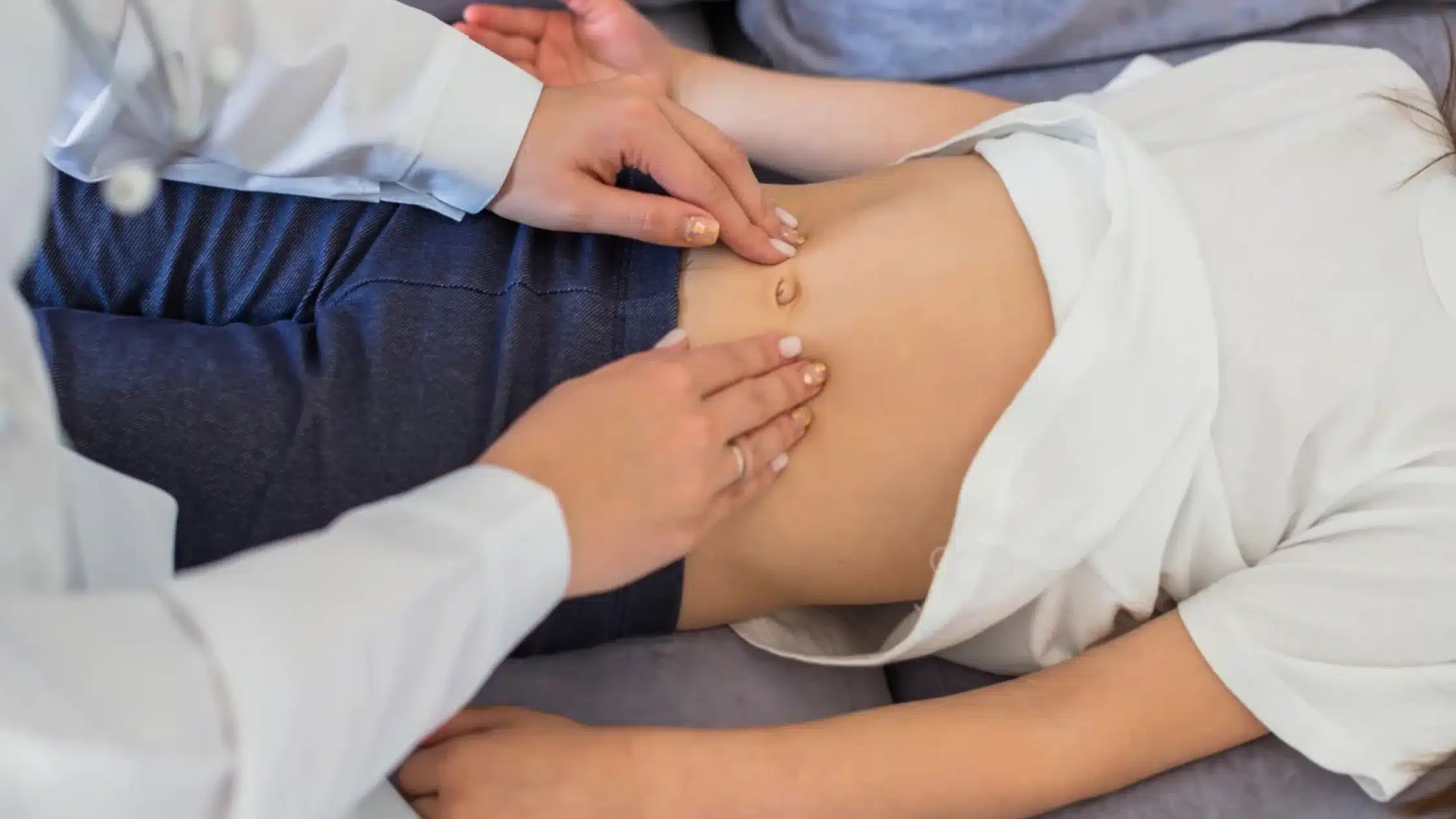
Curettage Treatment in Canberra is a minor skin procedure used to remove selected abnormal skin growths, including certain superficial skin cancers and suitable benign lesions. The procedure involves using a small, spoon-shaped surgical instrument called a curette to scrape away the affected tissue. In some cases, the treatment is combined with electrocautery to control bleeding and destroy remaining abnormal cells.
Skin lesions can develop for many reasons. Some are harmless, while others may require medical attention. Changes in the size, shape, colour or texture of a skin spot should not be ignored. Early assessment can help identify suspicious growths and determine the most appropriate treatment.
For people living in Canberra and surrounding areas, understanding the procedure, benefits, possible risks and recovery process can make treatment decisions easier. A professional skin examination is the first step towards choosing the right approach for an individual skin concern.
Understanding Curettage Treatment
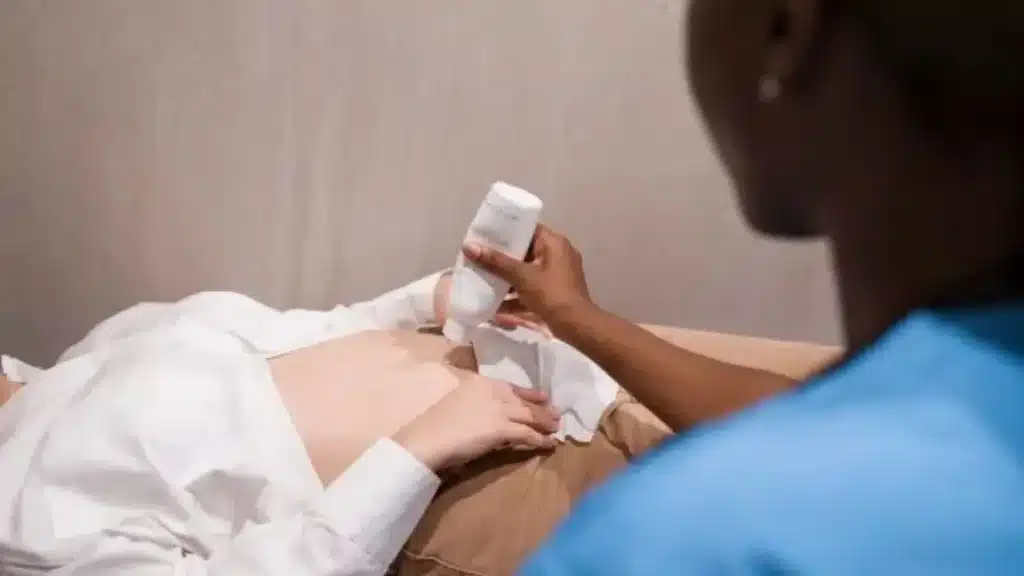
Curettage is a relatively simple surgical procedure to take out unwanted skin tissue with the help of a special tool. A curette is an instrument with a tiny, curved metal edge used by the doctor to remove desired skin tissue.
Sometimes this is used in conjunction with electrocautery. A controlled electrical energy is used to treat the affected area, thereby decreasing the bleeding and the destruction of a portion of the abnormal cells.
This is often referred to as curettage and cautery, or curettage and electrodesiccation.
It may be recommended for some superficial basal cell and squamous cell carcinoma in situ basal cells and for some benign skin lesions. It won’t work for all skin cancers, however.
Before recommending treatment, the doctor will take into account:
- The type and size of the skin lesion.
- The thickness of the abnormal tissue.
- The region of the body which is affected.
- The appearance and behaviour of the lesion.
- Medical history of the patient.
- The chance of the cancer coming back after the treatment.
It is essential to make a correct diagnosis since the treatment will vary according to the condition.
Why Is Curettage Treatment Recommended?
A doctor may suggest curettage if a skin lesion is appropriate to be removed by a scraping method. It may be a viable treatment for some superficial growths that do not need a bigger surgical procedure.
Some of the reasons for considering this treatment are:
- Some superficial basal cell Carcinomas.
- Squamous cell carcinomas in situ were selected.
- Suitable benign skin growths.
- Superficial lesions with specific characteristics that can be safely treated with scraping.
- Skin condition where a minor procedure is clinically appropriate.
Any determination should never be made on the basis of the lesion alone, but rather on the basis of a medical examination.
Some skin cancers invade deeper layers of the skin or have a greater potential for spreading to nearby cells and tissues. These could need to be surgically removed or treated in a different way to gain control of the disease.
Common Skin Lesions That May Require Treatment
Various skin conditions may have similar appearance, and professional evaluation is important prior to treatment.
Basal Cell Carcinoma
Basal cell carcinoma (BCC) is a very common skin cancer in Australia. Typically occurs on the face, neck, ears and arms that are exposed to the sun.
It could be a shiny or pearly bump, a pink area, a recurring sore or a growth that keeps bleeding.
BCCs that are superficial can be treated with curettage and cautery. Higher or deeper lesions, however, might need to be surgically removed or treated in other ways.
Squamous Cell Carcinoma in Situ
Bowen’s disease is a form of skin cancer that occurs in the upper layers of the skin and is known as squamous cell carcinoma in situ.
It can appear as a persistent red, scaly or crusted patch. Affected area may slowly expand and sometimes be irritated.
Selected cases may be treated using curettage, depending on their size, location and clinical features.
Benign Skin Growths
There are many different types of skin growths that are not cancer. May also be suitable for scraping some non-cancerous lesions.
Selected seborrhoeic keratoses and other superficial growths.
But when the lesion changes or is unusual, it will need to be seen before it is cut off. It is important to have a doctor determine if the growth is non-cancerous or if more tests are needed.
Curettage Treatment in Canberra: Step-by-Step Procedure
Knowing the various stages of treatment will help to make patients feel more comfortable prior to their appointment. Curettage is typically done on an outpatient basis, in a suitable clinical environment.
This will depend on the type of lesion and the physician’s treatment approach.
1. Initial Skin Examination
The procedure begins with a careful examination of the affected area.
The doctor determines the size, shape, colour, texture and location of the lesion. The dermatoscope can be used to closely examine the skin.
If the lesion looks suspicious, a biopsy or other investigation might be needed to help confirm the diagnosis.
The doctor might also ask about past skin cancer history, current medications, allergies and other pertinent medical history.
2. Preparing the Treatment Area
After the treatment plan has been determined, the affected skin is cleaned and ready for treatment.
The doctor determines the region that requires treatment. Local anaesthetic is commonly used to deaden the skin so there is less pain, and is injected around the lesion.
There can be a slight stinging sensation when the shot is given. After the treatment area has become numb, it should remain that way.
3. Scraping Away Abnormal Tissue
A curette is used by the doctor to gently remove the tissue that needs to be removed.
Carefully, the instrument is swept over the disturbed area to eliminate the abnormal growth. It may be necessary to scrape more than once, depending on the lesion.
During the procedure the doctor examines the area treated to see if further treatment is needed.
4. Applying Electrocautery
In suitable cases, electrocautery is used after the scraping process.
Controlled electrical energy is applied to the treatment area to help stop bleeding and destroy some remaining abnormal cells.
The number of treatment cycles depends on the lesion and the doctor’s clinical judgement.
5. Cleaning and Dressing the Wound
After treatment, the area is cleaned and covered with an appropriate dressing.
The doctor or clinical team explains how to care for the wound, when to change the dressing and which symptoms require medical attention.
Most patients can return home after the procedure without needing an overnight hospital stay.
Benefits of Curettage Treatment
Indications for curettage include a variety of potential benefits in the treatment of appropriately selected skin lesions.
1. Minimally Invasive Approach
The process is done without big incisions and eliminates the targeted abnormal tissue. Generally less extensive than standard surgical removal.
2. Usually No Stitches Required
A commonly used method of treatment is to leave the area open for natural healing. Most stitches are not required; however the size and location of the application site will determine the type of wound management required.
3. Short Treatment Time
Curettage is usually a relatively quick procedure. The length of the appointment will vary depending on the number, size and location of the lesions being treated.
4. Local Anaesthetic
Treatment is usually under local anaesthetic. Patients stay conscious during the numbing of the affected area so as to minimize discomfort.
5. Outpatient Procedure
The majority of patients will be discharged on the same day. Most commonly there is no need for an overnight hospital stay.
6. Suitable for Selected Superficial Skin Cancers
For carefully selected lesions, curettage can provide an effective treatment option. The cancer type, depth and risk of recurrence are taken into account by the doctor when deciding on its recommendation.
Recovering from curettage treatment
There is an important role of recovery in the treatment process. Once the procedure is conducted, the treated area should be allowed to heal and regenerate skin.
Initially, the wound may look red, raw or slightly moist. As healing takes, a crust or scab may form.
Most wounds heal within a few weeks, although recovery time varies depending on the wound size, treatment location and individual healing ability.
First 24 to 48 Hours
There may be some slight bleeding, discomfort or tenderness following treatment.
The doctor will give the patient the instructions to follow. These may include:
- Following the recommended dressing.
- Minimizing pressure on wound.
- Preventing accidental injuries to the area.
- Cleaning as per recommended procedure.
- Steer clear of activities that can lead to bleeding.
In the event of bleeding, apply firm and continuous pressure with clean gauze or cloth. If it fails to go away, you should get medical help.
Scab Formation
In the early healing phase, a scab or crust may form over the area of the wound.
This is a normal healing process. Don’t scratch, pick or remove the scab; it will take longer to heal and will make it more likely to get infected or scabbed over.
Let scab fall off naturally as more skin forms below.
New Skin Development
Healing and healthy skin gradually replaces the area treated over time.
The new skin may be pink, pale or somewhat different in colour from the rest of the skin in the beginning. This appearance may vary with the passage of time.
Complete Wound Healing
The healing time is related to the size and location of the wound. Healing may be quicker in areas where blood circulates better than, for instance, the lower legs.
Follow-up visits enable a doctor to monitor the healing of the wound and to ensure that there are no signs of return of the problem.
Aftercare Tips for Better Healing
With proper wound care, recovery can be aided and the risk of complications minimized.
Keep the Wound Clean
As directed by your doctor, remove the dressing and clean the area according to instructions.
Limited water and mild soap cleaning may be recommended. Don’t use strong antiseptics or any cream that hasn’t been prescribed by your doctor.
Protect the Treated Area
An appropriate dressing will help to prevent the wound from contamination by dirt, rubbing and accidental damage.
Change the dressing according to the instructions provided. If it becomes wet, dirty or loose, adhere to the recommended procedure for dressing replacement.
Avoid Picking or Scratching
Scabbing is the removal of the scab which may cause damage to newly developing skin. Allow the wound to heal naturally.
Avoid Excessive Friction
Stretch and rubbing of the treated area can be a hindrance to recovery.
Don’t overexert yourself when it might affect the wound. Depending on your doctor’s recommendations, you may need to avoid swimming until the wound is healed.
Protect Your Skin from Sun Exposure
Newly healed skin can be sensitive to sunlight.
Use protective clothing and broad-spectrum SPF 50+ sunscreen once the wound has healed sufficiently.
In Canberra, outdoor activities such as walking, cycling, gardening and sports can increase UV exposure. Consistent sun protection is important throughout the year.
Possible Risks and Side Effects
Curettage, like all minor surgical procedures, may have side effects and complications. The most common healing changes are normal, however it is important to recognize the risk of such changes.
- Bleeding: Some bleeding or oozing will occur following treatment. If bleeding continues, evaluate.
- Infection: If there is increased redness, swelling, pain, discharge or fever it means there may be an infection and medical help is needed.
- Scars: There might be a small scar left behind when the wound heals. The appearance of the treated area will vary depending on the size and location of the treated area.
- Alteration of Skin Colour: The treated area will look lighter or darker than the rest of the skin.
- Slow Healing: Wounds heal slowly, especially on the lower legs or parts of the body that rub against repeated friction.
- Recurrence: Cancer may come back or abnormal cells may be left. Additional evaluation and/or therapy may be required.
If symptoms get worse or you are concerned whether symptoms are healing, contact your doctor.
Is Curettage Suitable for Every Skin Cancer?
Not all skin cancers can be treated with a curettage procedure.
Some factors involved in the decision are the type, size and depth of the cancer, where it is found and the likelihood of recurrence.
Superficial basal cell and squamous cell carcinomas and squamous cell carcinomas in situ may be appropriate for this method. But deeper, aggressive, recurring or poorly defined skin cancers may need to be treated in a more particular manner, such as with surgery.
Routine curettage should not be used for the treatment of melanoma. Correct diagnosis and management is necessary, typically through surgical removal.
Before treatment, the patient might need a biopsy to make a diagnosis. This will aid the doctor in deciding on a suitable treatment plan.
Curettage vs Surgical Excision
Selected skin lesions are treated using curettage or surgical removal and these methods differ in technique.
Curettage
- The scraping tool is used to remove abnormal tissue.
- Bleeding can be controlled using electrocautery.
- Generally no stitches are needed.
- The wound typically does heal on its own.
- It can be used for some superficial lesions.
Surgical Excision
- A surgical cutting instrument is used to cut out the area of the lesion.
- Sometimes, skin near the incision may be excised as well.
- A stitch or two is frequently needed.
- The tissue that is removed may be sent for pathology analysis.
- May be used if the skin cancer is deeper or if it is a high-risk skin cancer.
It is a decision depending on clinical diagnosis and the patient’s individual needs. The physician can discuss the pros and cons of each.
Importance of Professional Skin Assessment in Canberra
The first step in choosing a proper treatment is to have a correct diagnosis.
It is important for patients to have a skin examination by a qualified skin cancer specialist before deciding to undergo Skin Curettage Canberra. Questioning the lesion with a professional evaluation can assist in uncovering a benign, precancerous or cancerous lesion.
During the examination, the doctor might take into account:
- Changes in the lesion’s size, shape or colour.
- History of other skin cancers.
- Family history and risk factors.
- Where and how the affected area looks.
- Prescribed medications and general health.
It is crucial for those looking for Skin Lesion Treatment Canberra to grasp the diagnosis prior to commencing treatment.
Importance of Regular Skin Checks in Canberra
A UV exposure happens to Canberra residents daily whilst they are doing normal things and going about their daily routines. Excessive exposure to the ultraviolet radiation may cause harm to skin cells and lead to a higher risk of skin cancer.
Have regular skin checks to detect any changes which might be suspicious and to facilitate early medical evaluation.
Look out for spots that:
- Change in size, shape or colour.
- Develop irregular borders.
- Become darker or uneven in appearance.
- Bleed without an obvious reason.
- Develop persistent crusting or scaling.
- Become itchy, painful or inflamed.
- Fail to heal over time.
Not every unusual spot is cancerous. However, persistent or changing lesions should be assessed by a medical professional.
Frequently Asked Questions
Q1. What is curettage treatment used for?
Curettage is used to remove selected abnormal skin growths by scraping the affected tissue with a specialised instrument. It may be recommended for certain superficial basal cell carcinomas, squamous cell carcinoma in situ and suitable benign lesions. Treatment suitability depends on the diagnosis, size, depth and location of the growth.
Q2. Is curettage treatment painful?
The procedure is generally performed under local anaesthetic to numb the treatment area. Patients may feel a brief sting when the anaesthetic is injected. During treatment, they may notice pressure or movement but should not experience significant sharp pain. Mild tenderness can occur after the anaesthetic wears off.
Q3. How long does a curettage wound take to heal?
Most curettage wounds heal within a few weeks. However, the recovery period depends on wound size, location and individual healing ability. Wounds on the lower legs may take longer to heal than those on the trunk. Following the recommended aftercare instructions supports normal recovery.
Q4. Does curettage leave a scar?
Yes, a scar can remain after treatment. The affected area commonly heals with a small, flat scar that may appear lighter than the surrounding skin. Its appearance depends on the wound size, treatment location and individual healing response. The scar may become less noticeable over time.
Q5. Can skin cancer return after curettage?
Yes, skin cancer can return after treatment. There is a possibility that abnormal cells may remain or the cancer may recur. Curettage is therefore recommended only for suitable lesions. Regular follow-up examinations help monitor the treated area and identify any new or changing skin growths.
Conclusion
Curettage is an established treatment option for selected superficial skin cancers and suitable skin lesions. It involves removing abnormal tissue with a specialised instrument and may be combined with electrocautery to control bleeding and destroy remaining abnormal cells.
Understanding the procedure, benefits, possible risks and recovery process can help patients make informed decisions about their skin health.
For people considering Curettage Treatment in Canberra, arranging a professional skin assessment is the first step. An accurate diagnosis helps determine whether curettage, surgical excision or another treatment is most appropriate.
Regular skin checks, early assessment of suspicious changes and consistent sun protection remain important parts of long-term skin health.
Book a Skin Assessment in Canberra
If you have noticed a changing mole, persistent skin lesion, unusual growth or a spot that does not heal, consider arranging a professional skin examination.
At Canberra Skin Cancer Clinic, patients can seek an assessment of suspicious skin lesions and discuss suitable treatment options based on their individual needs.
Book an appointment today to have your skin checked and discuss whether curettage or another skin lesion treatment may be appropriate.
| Canberra Skin Cancer Clinic- Green Way | Canberra Skin Cancer Clinic- Molonglo Valley |
| Phone: (02) 51046409 | Phone: (02) 51046409 |
| Email: reception@greenwaymedicalcentre.com.au | Email: reception@greenwaymedicalcentre.com.au |
| Address: Unit 6/175 Anketell Street, Greenway ACT 2900 | Address: 110 Woodberry Ave Coombs ACT 2611 |
| Website: https://canberraskincancerclinic.com.au/ | Website: https://canberraskincancerclinic.com.au/ |