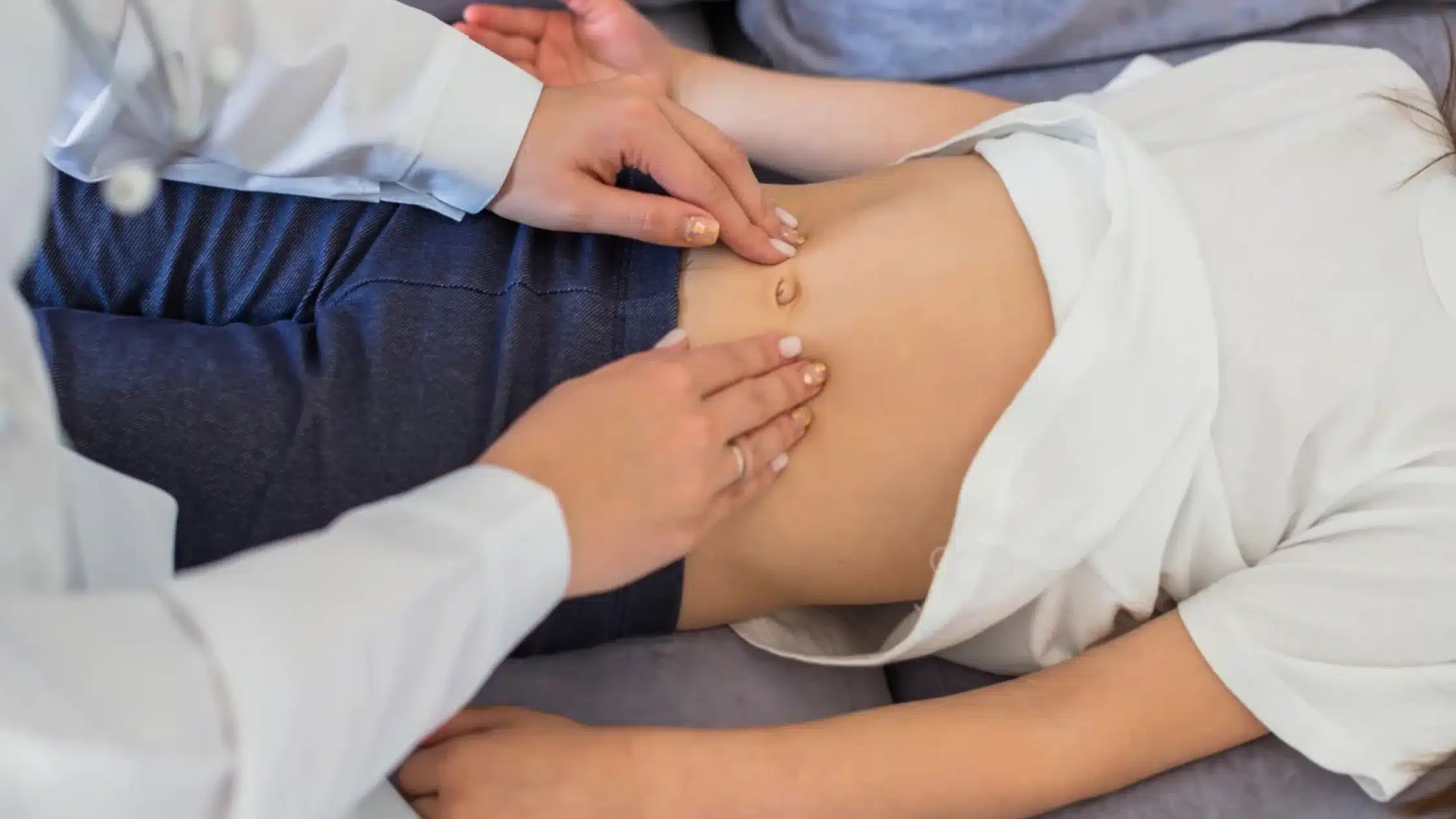
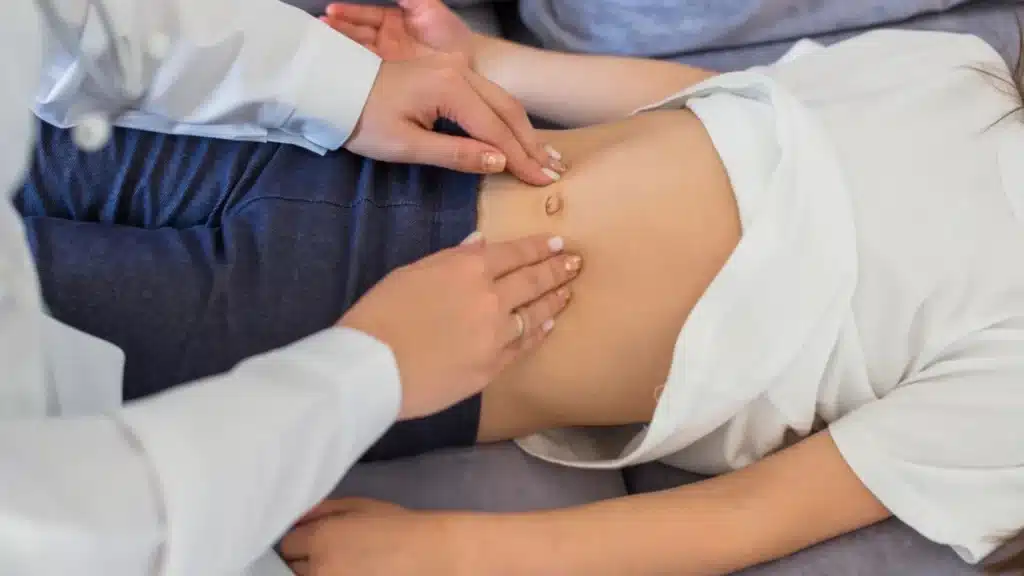
Skin lesions can develop due to sun exposure, ageing and changes in skin cells. While many growths are harmless, some may need medical attention or removal. Choosing the right treatment depends on the type of lesion, its size, depth and location. Curettage is one option doctors may recommend for selected skin conditions, including certain superficial skin cancers.
Curettage Treatment Benefits and Limitations in Canberra is an important topic for patients considering this minor skin procedure. It offers several advantages, such as a relatively simple treatment process, local anaesthesia and recovery at home. However, it also has limitations and is not suitable for every skin lesion.
Understanding the advantages and possible drawbacks can help patients make informed decisions about their treatment. This guide explains how curettage works, which conditions it may treat, its benefits, potential risks and alternative options available in Canberra.
| Key Benefits | Key Limitations |
|---|---|
| Relatively simple procedure Local anaesthesia Usually no stitches Short appointment Recovery at home |
Not suitable for every skin cancer No complete margin assessment Risk of recurrence May leave a visible scar Healing takes time |
Understanding Curettage Treatment
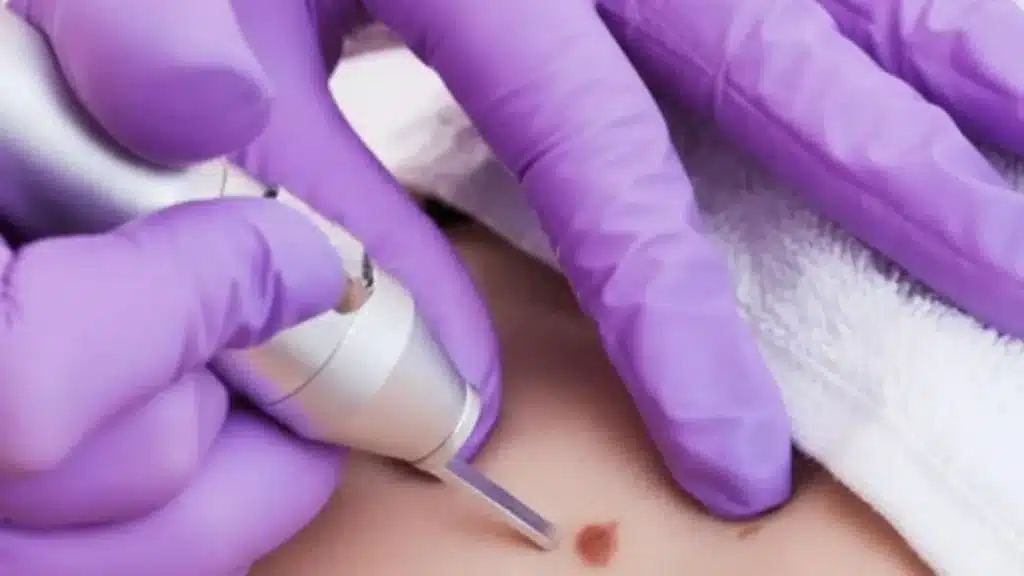
Curettage is a minor skin procedure used to remove selected abnormal or unwanted skin tissue. It involves a small, spoon-shaped metal instrument called a curette. The doctor uses this instrument to gently scrape away the targeted tissue from the skin surface. The procedure is generally performed under local anaesthesia to keep the treatment area comfortable.
In many cases, curettage is combined with cautery, also known as electrodesiccation. This technique uses controlled electrical energy to stop bleeding and destroy some remaining abnormal cells. The combination is commonly called curettage and cautery.
It may be recommended for selected superficial basal cell carcinomas, certain small squamous cell carcinomas and squamous cell carcinoma in situ (Bowen’s disease). It can also be used for some benign skin growths. However, treatment suitability depends on careful clinical assessment, and a doctor considers the lesion’s characteristics before recommending this approach.
How Does the Curettage Procedure Work?
Understanding the treatment process helps patients know what to expect before attending their appointment. The curettage procedure generally involves several steps.
1. Initial Skin Examination
Before treatment, the doctor examines the affected area and assesses the lesion’s size, shape, colour, texture and location. Dermoscopy may also be used to examine structures beneath the skin surface. If the diagnosis is uncertain, a biopsy or another investigation may be needed before treatment.
2. Preparing the Treatment Area
Once curettage is considered suitable, the doctor cleans the affected skin. A local anaesthetic is injected around the treatment area. This numbs the skin and helps reduce discomfort during the procedure.
3. Removing the Abnormal Tissue
The doctor uses a curette to scrape away the targeted skin tissue. The instrument helps remove abnormal cells while allowing the doctor to assess the texture and resistance of the treated tissue.
4. Applying Cautery
Cautery may be used after scraping to control bleeding and destroy some remaining abnormal cells. Depending on the lesion, the doctor may repeat the scraping and cautery process.
5. Applying a Dressing
After treatment, the area is cleaned and covered with a suitable dressing when required. Patients receive instructions about wound care, cleaning and recovery. The wound is generally left to heal naturally without stitches.
Major Benefits of Curettage Treatment
Curettage offers several advantages when used for the right type of skin lesion. The benefits depend on the condition being treated and the doctor’s experience.
1. A Relatively Simple Treatment Method
Curettage is a relatively straightforward procedure. It uses a small instrument to remove selected abnormal tissue without requiring a large surgical incision. For suitable lesions, this can make treatment less involved than conventional surgical excision.
2. Usually Performed Under Local Anaesthesia
The treatment area becomes numb, allowing the doctor to carry out the procedure while the patient remains awake. This avoids the need for general anaesthesia in routine cases. Patients may feel some pressure or movement during treatment, but significant pain is not expected.
3. No Stitches Usually Required
The treated wound is generally left open to heal naturally. Unlike many surgical excisions, curettage usually does not require stitches, so patients do not normally need a separate appointment for stitch removal. However, the wound still needs proper care to support healing.
4. Relatively Short Appointment Time
Curettage is often completed during a short clinical appointment. The exact time depends on the number, size and location of the lesions and whether additional treatment is required. This can make it a convenient option for patients who need treatment for selected superficial skin conditions.
5. Suitable for Certain Superficial Skin Cancers
Curettage and cautery can be useful for carefully selected superficial skin cancers. These may include:
- Superficial basal cell carcinoma
- Certain small, low-risk squamous cell carcinomas
- Squamous cell carcinoma in situ
- Selected benign skin growths
Careful lesion selection is essential, because deeper or more aggressive skin cancers may require another treatment method.
6. Recovery at Home
Most patients can return home after the procedure. The wound usually heals gradually over the following weeks, and routine aftercare can be managed at home by following your doctor’s instructions. The recovery period depends on the wound’s size, depth and location.
7. Can Be Cost-Effective for Suitable Lesions
Curettage may be a cost-effective option compared with more extensive surgical procedures when the lesion is appropriate for this treatment. It generally requires fewer surgical steps and does not usually involve wound closure with stitches. However, treatment costs vary depending on the clinic, lesion and clinical requirements.
Limitations of Curettage Treatment
Although curettage has several benefits, it also has important limitations. Understanding these drawbacks is essential before choosing treatment.
1. Not Suitable for Every Skin Cancer
Curettage is generally used for selected superficial and low-risk lesions. Melanoma, aggressive basal cell carcinoma and high-risk squamous cell carcinoma usually require different treatment approaches. A doctor must establish the likely diagnosis and assess the lesion before recommending curettage.
2. No Complete Assessment of Surgical Margins
One of the main limitations is that curettage does not provide the same assessment of surgical margins as conventional excision. With surgical excision, the removed tissue can be examined to assess whether the edges are clear of cancer cells. Curettage and cautery destroy or remove tissue from the treatment area, but they do not provide the same reliable margin assessment. This is an important consideration when treating skin cancer.
3. Risk of Lesion Recurrence
Some lesions may return after treatment. The risk depends on the lesion type, depth, location and biological behaviour. Curettage may be less suitable for recurrent skin cancers or lesions with aggressive growth patterns. Regular follow-up is important to monitor the treated area and identify any signs of recurrence.
4. May Leave a Visible Scar
Curettage removes tissue from the skin, so a scar can develop during healing. The treated area may initially appear red, pink or pale, and over time the scar may become flatter and less noticeable. The final appearance varies between patients, and scarring can be more noticeable when a larger or deeper area is treated.
5. Not Ideal for Certain Body Areas
The face, ears, eyelids, nose and other high-risk anatomical areas may require more precise treatment. Lesions in these locations can be close to important structures, and removing abnormal tissue without clear margin assessment may not be appropriate.
6. Healing Can Take Time
Although curettage is a minor procedure, the treated area still needs time to heal. The wound may remain open for several weeks while new skin develops. Wounds on the lower legs can take longer to heal than wounds on areas with better circulation. Patients should follow aftercare instructions until the wound has closed.
Which Skin Conditions May Be Suitable for Curettage?
Curettage may be recommended for selected benign growths and certain superficial skin cancers. The following conditions may be considered after medical assessment.
Superficial Basal Cell Carcinoma
Superficial basal cell carcinoma is a type of skin cancer that mainly affects the upper layers of the skin. It may appear as a pink or red patch, sometimes with a slightly raised or scaly surface. Curettage and cautery may be suitable for selected small, well-defined, low-risk lesions. Larger, recurrent or aggressive BCCs generally require other treatments.
Squamous Cell Carcinoma in Situ
Squamous cell carcinoma in situ, also known as Bowen’s disease, affects the outer layer of the skin. It often appears as a persistent red, scaly patch. Curettage and cautery may be considered for selected small lesions, particularly when the diagnosis has been established. If invasive SCC is suspected, surgical excision may be more appropriate.
Actinic Keratoses
Actinic keratoses are rough, scaly patches caused by long-term ultraviolet exposure. They commonly develop on the face, scalp, ears, forearms and hands. Selected thick or persistent lesions may be treated with curettage. Other treatment options include cryotherapy and topical prescription therapies.
Seborrhoeic Keratoses
Seborrhoeic keratoses are common benign skin growths. They may appear waxy, rough or raised and can vary in colour. Curettage may be used to remove selected growths that become irritated or cause discomfort.
Other Selected Skin Growths
Some warts and pyogenic granulomas may also be treated using curettage. The doctor first checks that the growth is suitable for removal and that there are no concerning features requiring further investigation.
Possible Risks and Complications
Like other minor surgical procedures, curettage carries some risks. Most patients recover without serious problems, but complications can occur.
- Bleeding: A small amount of bleeding may occur during or after treatment. Cautery is commonly used to control bleeding during the procedure. If bleeding continues at home, apply firm, continuous pressure with clean gauze and seek medical advice if it does not stop.
- Infection: Although uncommon, bacteria can enter the wound. Warning signs include increasing redness, swelling, warmth, pain or pus. Contact your doctor if these symptoms develop.
- Scarring and pigment changes: The treated area may develop a scar or show a difference in skin colour. Some patients notice a pale, round scar, while others experience changes in pigmentation.
- Delayed healing: Some wounds take longer to heal, particularly those on the lower legs. Medical conditions, circulation problems and wound size can also affect recovery.
- Recurrence: The treated lesion may return. This is particularly important when curettage is used for selected skin cancers, and follow-up examinations help monitor the treatment area.
Curettage Compared With Other Skin Treatments
Curettage is one of several options available for managing skin lesions. The most suitable approach depends on the diagnosis and individual circumstances.
| Treatment | How It Works | Commonly Used For |
|---|---|---|
| Curettage and Cautery | Scraping combined with controlled electrical energy | Selected superficial skin cancers and certain benign growths |
| Cryotherapy | Liquid nitrogen freezes and destroys targeted skin cells | Actinic keratoses, warts and selected other lesions |
| Surgical Excision | Lesion is cut out with a margin of surrounding tissue; sample sent for histopathology | Deeper, aggressive, recurrent or suspicious lesions |
| Topical Treatments | Prescription creams applied to the skin | Certain actinic keratoses, superficial BCCs and Bowen’s disease |
The treatment choice depends on the number of lesions, their location and the patient’s clinical condition. Surgical excision allows the removed sample to be examined for diagnosis and surgical margins, which is why it may be preferred for deeper or more suspicious lesions.
Recovery and Aftercare Following Curettage
Proper aftercare helps protect the wound and supports natural skin healing. Most wounds heal within approximately two to four weeks, although timing varies according to the treatment site and wound size. For a full stage-by-stage guide, read our article on curettage recovery. Patients should:
- Keep the wound clean according to medical instructions
- Change the dressing as recommended
- Apply petroleum jelly or another recommended ointment if advised
- Avoid picking or scratching the scab
- Avoid swimming until the wound has healed or your doctor confirms it is safe
- Protect the healed skin from strong sunlight
- Avoid activities that cause friction or stretch the wound
Mild redness, tenderness and crust formation can occur during normal healing. However, increasing pain, spreading redness, swelling, pus, fever or persistent bleeding should be assessed by a medical professional.
Why a Professional Skin Cancer Assessment Is Important
Before choosing any treatment, it is important to understand what type of lesion is present. A professional assessment helps identify whether a growth is benign, precancerous or potentially cancerous. For people seeking Skin Cancer Treatment Canberra, an appropriate examination by a skin cancer specialist is an important first step.
The doctor may use dermoscopy to examine the lesion and recommend a biopsy if the diagnosis is uncertain. Factors considered during assessment include:
- Lesion size and thickness
- Type and growth pattern
- Location on the body
- Previous skin cancer history
- Whether the lesion has returned
- General health and wound-healing factors
This information helps the doctor recommend a suitable treatment plan. Canberra residents who spend time outdoors should also stay aware of changes in their skin. Regular skin checks can help identify suspicious lesions that need further investigation.
When Should You Consider an Alternative Treatment?
Curettage may not be the best choice in every situation. Your doctor may recommend another procedure if the lesion is large, deep, recurrent or located in a high-risk area.
- Surgical excision may be preferred when complete tissue examination is important.
- Mohs surgery may be considered for certain high-risk skin cancers, particularly those with poorly defined edges or those located where preserving healthy tissue is important.
- Topical treatments or cryotherapy may be suitable for selected superficial lesions.
The goal is to choose a treatment that provides appropriate disease control while considering healing, scarring and the patient’s individual needs.
Frequently Asked Questions
Q1. What are the main benefits of curettage treatment?
Curettage is a relatively simple procedure performed under local anaesthesia. It usually does not require stitches and can be completed during a short clinical appointment. It is suitable for selected superficial skin cancers and benign growths.
Q2. What are the limitations of curettage?
Curettage is not suitable for every skin cancer. It does not provide the same complete margin assessment as surgical excision, can leave a scar and may have a higher risk of recurrence when used for unsuitable lesions.
Q3. Is curettage a painful procedure?
The procedure is usually performed under local anaesthesia, which numbs the treatment area. Patients may feel pressure during treatment. Mild soreness or tenderness can occur after the anaesthetic wears off.
Q4. How long does recovery take after curettage?
Many wounds heal within two to four weeks. However, larger or deeper wounds and those on the lower legs may take longer. Following the recommended wound-care instructions helps support recovery.
Q5. Can curettage treat skin cancer?
Yes. Curettage and cautery may be used for selected superficial basal cell carcinomas, certain small low-risk squamous cell carcinomas and Bowen’s disease. It is not suitable for melanoma or many aggressive skin cancers.
Conclusion
Curettage Treatment Benefits and Limitations in Canberra should be understood before deciding whether this procedure is suitable for a skin lesion.
Curettage offers several advantages, including a relatively simple treatment process, local anaesthesia, no stitches in most cases and recovery at home. It can be useful for selected superficial skin cancers and benign skin growths. However, it also has limitations. It does not provide the same assessment of surgical margins as conventional excision, may leave a scar and is not suitable for aggressive, deep or recurrent skin cancers.
A professional assessment helps determine whether curettage or another treatment is the right option. If you notice a changing spot, persistent sore, unusual growth or skin lesion that does not heal, seek medical advice. Early assessment can help identify the condition and guide appropriate treatment.
Book a Skin Assessment in Canberra
Book an appointment with Canberra Skin Cancer Clinic to have your skin checked and discuss whether curettage or another treatment is right for you.
| Canberra Skin Cancer Clinic – Green Way | Canberra Skin Cancer Clinic – Molonglo Valley |
|---|---|
| Phone: (02) 51046409 | Phone: (02) 51046409 |
| Email: reception@greenwaymedicalcentre.com.au | Email: reception@greenwaymedicalcentre.com.au |
| Address: Unit 6/175 Anketell Street, Greenway ACT 2900 | Address: 110 Woodberry Ave Coombs ACT 2611 |
| Website: https://canberraskincancerclinic.com.au/ | Website: https://canberraskincancerclinic.com.au/ |