Sun exposure is a common part of everyday life in Canberra, Australia. Whether spending time outdoors, gardening, walking, cycling or participating in recreational activities, the skin is regularly exposed to ultraviolet (UV) radiation. Over time, repeated exposure can cause significant skin damage, leading to rough patches, pigmentation changes, premature ageing and precancerous skin lesions.
Topical Non-Steroidal Medications in Canberra are one treatment option that may be considered for certain types of sun-damaged skin, particularly actinic keratoses (also known as solar keratoses). These medications are applied directly to the affected skin and can help manage selected lesions without requiring a surgical procedure.
One example is topical diclofenac, a non-steroidal anti-inflammatory medication available in a specialised formulation for actinic keratoses in some countries. Its suitability depends on the type, severity and location of the skin changes, as well as the patient’s medical history.
Understanding the available Sun-Damaged Skin Treatment options can help people make informed decisions about their skin health. Professional assessment is important because some skin changes may require a biopsy or a different form of treatment rather than topical medication.
Quick Summary
- Topical non-steroidal medications do not contain corticosteroids
- Diclofenac gel is one option for selected actinic keratoses
- Treatment is usually applied at home over several weeks or months
- A professional assessment is needed first, as some lesions need a biopsy or a different treatment
Understanding Sun Damage and Its Effects on the Skin
Sun damage develops when the skin receives repeated exposure to ultraviolet radiation. Both UVA and UVB radiation contribute to skin damage, although they affect the skin in different ways. UVA radiation penetrates deeper into the skin and contributes to premature ageing, while UVB radiation plays a major role in sunburn and direct DNA damage. Over time, repeated exposure can affect the skin’s structure and normal cell development.
Common signs of sun damage include:
- Rough or dry patches that feel like sandpaper
- Brown spots and uneven pigmentation
- Fine lines and premature wrinkles
- Changes in skin texture
- Persistent redness or discolouration
- Actinic keratoses or solar keratoses
- Increased numbers of suspicious skin lesions
Some of these changes are cosmetic, while others may indicate a more significant medical concern. Actinic keratoses are particularly important because they develop due to long-term UV exposure and are considered precancerous lesions. Some can progress into squamous cell carcinoma (SCC), a type of skin cancer. Early assessment and appropriate management can help reduce the risk of overlooking potentially serious skin changes.
What Are Topical Non-Steroidal Medications?
Topical non-steroidal medications are treatments applied directly to the skin that do not contain corticosteroids. Unlike steroid-based creams, which primarily reduce inflammation through corticosteroid activity, non-steroidal medications work through different biological pathways.
In the management of sun-damaged skin, a particularly relevant example is diclofenac gel. Diclofenac belongs to a group of medicines known as non-steroidal anti-inflammatory drugs (NSAIDs) and is commonly recognised for its anti-inflammatory properties. However, a specialised topical formulation of diclofenac has also been studied and used for certain actinic keratoses. DermNet describes it as a field treatment for actinic keratoses.
It is important to understand that not every non-steroidal cream is suitable for treating sun damage. Ordinary anti-inflammatory creams and moisturisers do not automatically have the same effects as prescription treatments specifically formulated for actinic keratoses. A medical professional should determine whether this type of treatment is appropriate.
How Topical Non-Steroidal Medications Work for Sun-Damaged Skin
One of the main treatment considerations for actinic keratoses is addressing abnormal skin cells before they develop into more serious lesions. Topical diclofenac works differently from treatments such as topical chemotherapy or immune response modifiers.
Diclofenac inhibits cyclooxygenase (COX) enzymes, which are involved in the production of prostaglandins. These substances contribute to inflammatory processes in the body. The exact mechanism through which topical diclofenac improves actinic keratoses is not fully established, but its effects on inflammatory pathways are believed to contribute to its therapeutic activity.
A specialised diclofenac formulation may help:
- Manage selected actinic keratoses
- Reduce the appearance of certain sun-damaged lesions
- Treat appropriate areas containing superficial abnormal skin changes
- Provide a non-surgical treatment option for selected patients
Diclofenac is generally considered less effective than some alternative field treatments, but it may produce less intense local skin reactions. Treatment selection should always be based on an individual clinical assessment.
Common Types of Sun Damage That May Require Treatment
Not every form of sun damage requires medication. Some changes can be managed through sun protection and regular monitoring, while others need medical treatment. Understanding the difference is important when considering Non-Steroidal Skin Treatment.
1. Actinic Keratoses
Actinic keratoses are rough, scaly patches that develop on skin exposed to sunlight over many years. They commonly appear on:
- The face and forehead
- The scalp, particularly in people with thinning hair
- The ears
- The backs of the hands
- The forearms
- The neck
These lesions may be skin-coloured, pink, red or brown. They can feel rough even when they are difficult to see. Some actinic keratoses are treated with topical medications, while others may require cryotherapy, curettage or another procedure. Because some lesions can develop into squamous cell carcinoma, medical assessment is important.
2. Field Cancerisation
Field cancerisation refers to an area of skin that has experienced significant cumulative sun damage. Instead of developing only one isolated lesion, a person may have multiple visible and less obvious areas of abnormal skin change. These areas are commonly found on the face, scalp, neck and forearms.
Treatment may involve field-directed topical medications that address multiple affected areas rather than treating individual lesions separately. The most appropriate treatment depends on the extent of damage and the patient’s clinical findings.
3. Solar Keratoses
Solar keratoses are another name for actinic keratoses. They develop following repeated exposure to ultraviolet radiation and are particularly common in people who have spent many years outdoors. Typical signs include:
- Persistent rough patches
- Small scaly areas
- Dry or crusted skin
- Slightly raised lesions
- Changes in skin colour
Solar keratoses should not be ignored, particularly when they become thicker, painful, bleed or continue to change.
4. Other Sun-Related Skin Changes
Long-term sun exposure can also cause freckles, solar lentigines, uneven pigmentation and changes in skin texture. These conditions are not necessarily precancerous and do not automatically require prescription medication. A professional skin examination can help distinguish harmless pigmentation from lesions that need further investigation.
Topical Diclofenac for Actinic Keratoses
Topical diclofenac is one of the main examples of a non-steroidal medication used in the management of selected actinic keratoses. A specialised formulation containing diclofenac sodium 3% in a hyaluronic acid gel has been studied for this purpose. Hyaluronic acid provides the gel vehicle in which the medication is delivered to the skin. A published review of the trials found that it can reduce lesion numbers and can produce complete clearance when applied twice daily for 60 or 90 days.
Potential Benefits of Diclofenac Gel
For suitable patients, topical diclofenac may offer several benefits:
- Non-surgical treatment option: The medication is applied directly to the affected skin, so selected lesions may be managed without an incision or surgical removal.
- Treatment of selected sun-damaged areas: It may be suitable for individual lesions or certain areas of sun-damaged skin, depending on the clinical assessment.
- Generally milder local skin reactions: Compared with some other topical treatments, diclofenac often produces less intense local inflammation.
- At-home application: Once prescribed, patients can generally apply the medication themselves according to the doctor’s instructions.
- Alternative treatment consideration: For selected patients who are unsuitable for, or prefer to avoid, more inflammatory topical treatments, diclofenac may be considered as an alternative.
However, these benefits do not mean it is the best treatment for every patient. Treatment effectiveness and suitability vary.
Limitations of Diclofenac Treatment
Although topical diclofenac can be useful, it also has limitations:
- Treatment generally requires a longer application period
- It may not completely clear every actinic keratosis
- Its effectiveness can be lower than some alternative topical treatments
- Local skin irritation can still occur
- It is not suitable for every type of skin lesion
- Follow-up assessment is necessary to confirm the treatment response
A lesion that does not respond appropriately may require further investigation, a biopsy or another treatment approach.
How Topical Non-Steroidal Treatment Is Performed
The treatment process generally begins with a professional skin examination. The doctor assesses the affected area and determines whether the skin changes are consistent with actinic keratoses or another condition.
Step 1: Initial Skin Assessment
The doctor examines the affected areas and reviews the patient’s skin history. Factors that may be considered include:
- Previous skin cancers
- History of actinic keratoses
- Duration of sun exposure
- Number of suspicious lesions
- Location and appearance of the affected skin
- Previous skin treatments
- Current medications and relevant medical conditions
If a lesion looks suspicious, a biopsy may be required before selecting a treatment.
Step 2: Treatment Selection
Once the diagnosis is established, the doctor considers suitable treatment options. For certain actinic keratoses, topical diclofenac may be considered. Other options can include cryotherapy, curettage, topical 5-fluorouracil, imiquimod or photodynamic therapy. Each treatment has different benefits, limitations and recovery requirements.
Step 3: Application Instructions
If topical diclofenac is prescribed, the patient receives instructions about how to apply it. The commonly studied 3% diclofenac formulation is generally applied twice daily over an extended period, often 60 to 90 days, depending on the product instructions and clinical recommendation.
Patients should follow their own prescription rather than copying an application schedule from general information. The medication should only be applied to the areas specified by the treating doctor.
Step 4: Monitoring the Skin Response
During treatment, the doctor may recommend monitoring the affected area for changes. Some patients experience mild redness, itching, dryness or irritation. It is important to report unexpected reactions or worsening lesions rather than continuing treatment without medical advice.
Step 5: Follow-Up Assessment
A follow-up appointment helps determine whether the lesions have responded appropriately. If the affected area has not improved, further assessment may be necessary. Depending on the findings, the doctor may recommend additional treatment or a biopsy.
Possible Side Effects of Topical Non-Steroidal Medications
Like other prescription skin treatments, topical diclofenac can cause side effects. Although local reactions are often milder than those associated with some alternative topical medications, they can still occur. Common local reactions may include:
- Itching
- Redness
- Dryness
- Skin irritation
- Mild rash
- Burning or stinging sensations
- Inflammation around the treated area
These reactions may vary depending on the individual, treatment duration and condition of the skin.
When Should You Seek Medical Advice?
Contact your doctor if you experience:
- Severe or persistent skin irritation
- Significant swelling
- Increasing pain
- Unusual skin reactions
- Signs of an allergic reaction
- A lesion that continues to grow or bleed
Topical diclofenac is an NSAID, so relevant medication precautions also apply. Although it is applied to the skin, systemic absorption can occur. Patients with NSAID allergies, relevant cardiovascular or gastrointestinal conditions, or other medication concerns should discuss these with their doctor before treatment. Treatment should not be started without professional advice.
Topical Non-Steroidal Medications Compared With Other Skin Treatments

Different treatments are available for managing actinic keratoses and sun-damaged skin. The most appropriate option depends on the number of lesions, their thickness, the affected area and the patient’s medical history.
| Treatment | How It Works | What to Expect |
|---|---|---|
| Topical Diclofenac | NSAID in a specialised gel for selected actinic keratoses | Longer course with generally milder local reactions |
| Topical 5-Fluorouracil | Topical chemotherapy that interferes with DNA and RNA synthesis in abnormal cells | Often causes redness, inflammation, crusting and irritation |
| Imiquimod | Immune response modifier that stimulates local immune responses | Local redness, swelling, crusting and inflammation can occur |
| Cryotherapy | Liquid nitrogen freezes selected lesions | Redness, swelling or a blister before healing |
| Curettage | Selected abnormal tissue is removed with a curette, sometimes with cautery | Generally for selected lesions rather than widespread sun damage |
Each option serves a different purpose. A doctor can determine whether medication, a minor procedure or another treatment is appropriate. You can learn more in our guide to curettage treatment benefits and limitations.
Why Early Treatment of Sun-Damaged Skin Matters
Sun-damaged skin can develop gradually, making some changes difficult to recognise. A small rough patch may appear harmless, but persistent or changing lesions should be examined. Early assessment is particularly important for actinic keratoses because some can progress to squamous cell carcinoma.
People with a history of skin cancer, significant sun exposure or multiple solar keratoses may benefit from regular professional skin examinations. Early treatment can help manage abnormal lesions and identify suspicious changes before they become more advanced. However, topical medication should never be used as a substitute for investigating a lesion that may already be skin cancer.
Who May Be Suitable for Topical Non-Steroidal Treatment?
Topical diclofenac may be considered for people with certain types of actinic keratoses. However, suitability is determined by the doctor after examining the skin. Factors that may influence the decision include:
- Number of lesions: People with selected individual or multiple superficial lesions may be considered for topical treatment.
- Lesion thickness: Thick or unusually raised lesions may require a different treatment or biopsy.
- Location: The affected body area can influence which medication or procedure is appropriate.
- Medical history: Previous skin cancers, allergies and existing medical conditions may affect treatment selection.
- Previous treatments: The response to earlier therapies may help determine the next treatment approach.
- Patient preference: Treatment duration, expected skin reactions and practical considerations may also influence the decision.
Topical diclofenac is not appropriate for every patient, and its availability in Australia should be confirmed with the treating doctor or pharmacist.
Skin Cancer Treatment in Canberra: The Importance of Professional Assessment
Canberra residents experience regular opportunities for outdoor activities, including walking, cycling, gardening and recreational sports. Although these activities support an active lifestyle, they can also contribute to cumulative UV exposure. When suspicious skin changes develop, professional assessment is important. At a skin cancer clinic, the doctor may assess:
- New or changing moles
- Persistent scaly patches
- Unusual pigmentation
- Non-healing sores
- Bleeding skin lesions
- Rough areas that continue to develop
- Previous or recurrent skin lesions
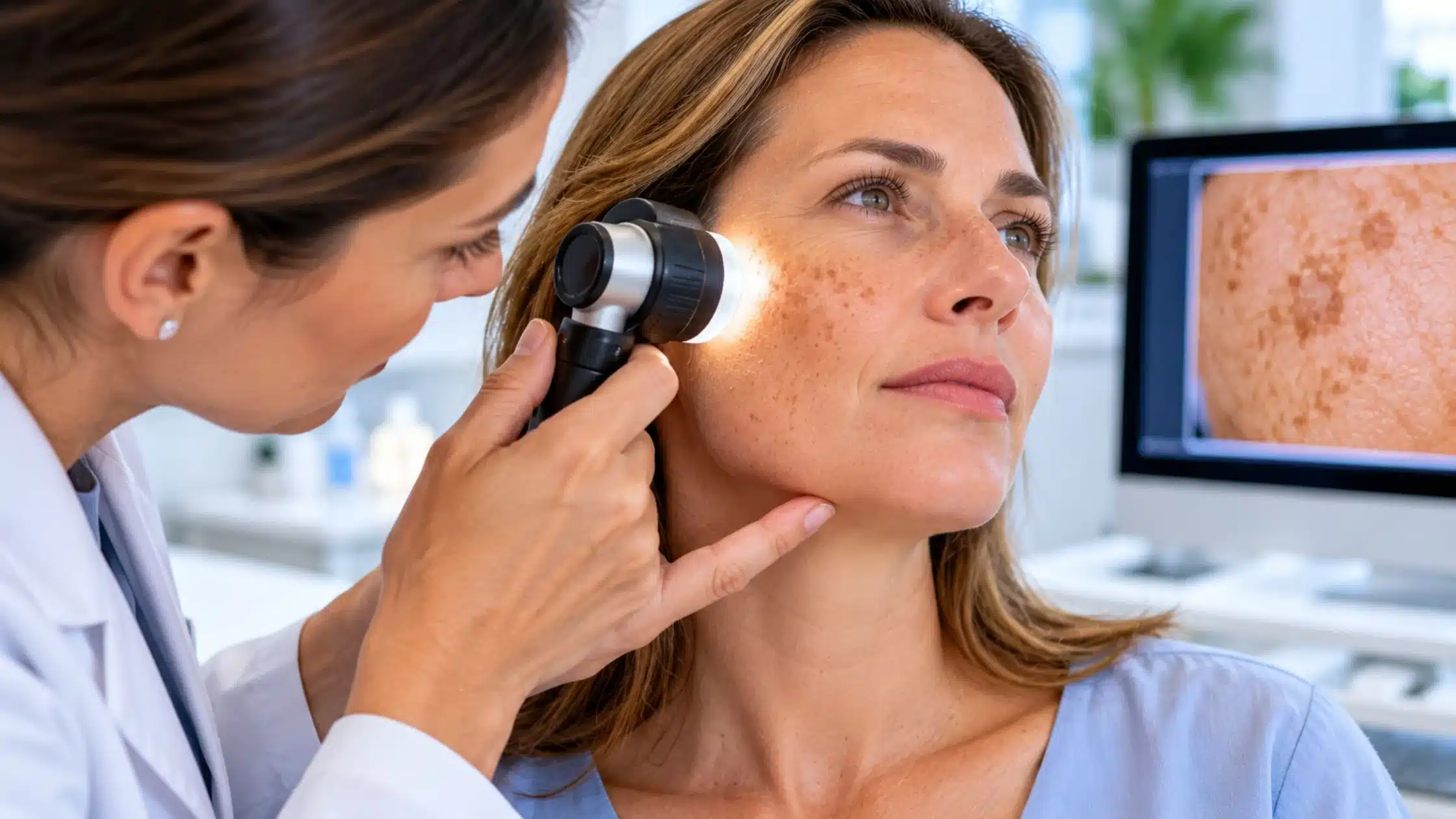
Depending on the findings, the doctor may recommend dermoscopic examination, a biopsy or another diagnostic procedure. Treatment options can then be selected according to the confirmed diagnosis.
Skin Cancer Treatment Canberra services may include medical assessment, lesion removal, cryotherapy, curettage and appropriate topical therapies. It is important to remember that topical medications designed for actinic keratoses are not universal treatments for skin cancer. Confirmed skin cancers may require surgical removal or another cancer-specific treatment. For an overview, see Cancer Council Australia’s guide to skin cancer treatment.
Sun Protection After Treatment

Treating existing sun damage is only one part of maintaining healthy skin. Reducing further UV exposure is important, particularly for people who have previously developed actinic keratoses.
Use Broad-Spectrum Sunscreen
Apply broad-spectrum SPF 50+ sunscreen to exposed skin. Reapply according to the product instructions, particularly after swimming, sweating or prolonged outdoor activity.
Wear Protective Clothing
Choose clothing that covers the arms, legs and shoulders where practical. A wide-brimmed hat can also help protect the face, ears and neck.
Avoid Excessive Sun Exposure
Limit prolonged outdoor exposure when UV levels are high. Seek shade whenever possible and plan outdoor activities with sun protection in mind.
Examine Your Skin Regularly
Become familiar with the appearance of your skin. Look for new spots, changing moles, persistent rough patches or lesions that do not heal.
Attend Recommended Skin Checks
Regular professional skin examinations can help identify suspicious changes. The appropriate frequency depends on individual risk factors and medical history.
Why Choose Professional Skin Cancer Assessment in Canberra?
Sun-damaged skin requires careful assessment because different lesions can have similar appearances. A rough patch, brown spot or persistent sore may have several possible causes. Professional assessment helps establish whether a lesion is harmless, precancerous or potentially cancerous.
At Canberra Skin Cancer Clinic, patients can seek assessment of suspicious skin changes and discuss suitable management options. A doctor can consider the patient’s medical history, examine the affected skin and recommend an appropriate treatment plan. This may include topical medication, cryotherapy, curettage, biopsy or another procedure, depending on the diagnosis. The goal is to identify concerning changes early and provide treatment that is appropriate for the individual.
Frequently Asked Questions
Q1. What Are Topical Non-Steroidal Medications for Sun-Damaged Skin?
Topical non-steroidal medications are applied directly to the skin and do not contain corticosteroids. One example is diclofenac gel, a specialised formulation used for selected actinic keratoses. It works through different inflammatory pathways and may help manage certain precancerous skin lesions. A doctor must assess the affected area before recommending this treatment.
Q2. Can Diclofenac Gel Treat Actinic Keratoses?
Yes, a specialised diclofenac 3% formulation in hyaluronic acid gel has been used to treat selected actinic keratoses. It may help manage superficial sun-damaged lesions, although its effectiveness can vary. Treatment usually takes several weeks or months, and follow-up assessment is important to confirm whether the lesions have responded.
Q3. How Long Does Topical Diclofenac Treatment Take?
Treatment duration depends on the prescribed formulation and clinical recommendation. The commonly studied diclofenac 3% gel formulation is generally applied twice daily for approximately 60 to 90 days. Some patients may require further assessment after completing treatment. Always follow the instructions provided by the prescribing doctor.
Q4. Does Topical Diclofenac Cause Skin Irritation?
Topical diclofenac can cause local reactions such as redness, itching, dryness, rash and irritation. These reactions are often less intense than those associated with some other topical treatments for actinic keratoses. However, individual responses vary. Severe or persistent irritation should be discussed with a medical professional.
Q5. Is Diclofenac Better Than 5-Fluorouracil for Sun-Damaged Skin?
Neither medication is universally better. Diclofenac may produce milder local skin reactions but generally has lower treatment effectiveness than some alternative field treatments. 5-fluorouracil is a topical chemotherapy medication that can be effective for selected actinic keratoses but often causes more noticeable inflammation. The doctor should recommend treatment based on the patient’s condition.
Conclusion
Sun damage can develop over many years, and some changes may be difficult to recognise without professional assessment. Understanding Topical Non-Steroidal Medications in Canberra can help patients explore appropriate options for managing selected actinic keratoses and other sun-related skin concerns.
If you notice rough patches, changing spots, unusual pigmentation, persistent sores or lesions that bleed regularly or fail to heal, consider arranging a professional skin examination. Early assessment, appropriate treatment and ongoing sun protection are important steps towards maintaining long-term skin health.
Helpful Resources
Book a Skin Cancer Check in Canberra
Book an appointment with Canberra Skin Cancer Clinic to have suspicious skin changes assessed and discuss suitable treatment options.
| Canberra Skin Cancer Clinic – Green Way | Canberra Skin Cancer Clinic – Molonglo Valley |
|---|---|
| Phone: (02) 51046409 | Phone: (02) 51046409 |
| Email: reception@greenwaymedicalcentre.com.au | Email: reception@greenwaymedicalcentre.com.au |
| Address: Unit 6/175 Anketell Street, Greenway ACT 2900 | Address: 110 Woodberry Ave Coombs ACT 2611 |
| Website: https://canberraskincancerclinic.com.au/ | Website: https://canberraskincancerclinic.com.au/ |