

When you discover a new mole, notice a spot changing colour, or find a sore that simply won’t heal, one question often comes to mind: should you see a GP or visit a Skin Cancer Clinic?
For many Canberra residents, this decision can be confusing. Both GPs and specialised skin cancer clinics play important roles in healthcare, but they often provide different levels of expertise, technology, and treatment options when it comes to skin cancer detection and management.
Australia has one of the highest rates of skin cancer in the world, making early diagnosis essential. Whether you are searching online for a skin cancer check near me or looking for a trusted canberra skin cancer clinic, understanding the differences between these healthcare providers can help you make the right choice for your skin health.
In this guide, we’ll explore the key differences between a GP and a Skin Cancer Clinic, when each option may be appropriate, and why specialised skin cancer care can often provide significant advantages.
Why Early Detection Matters
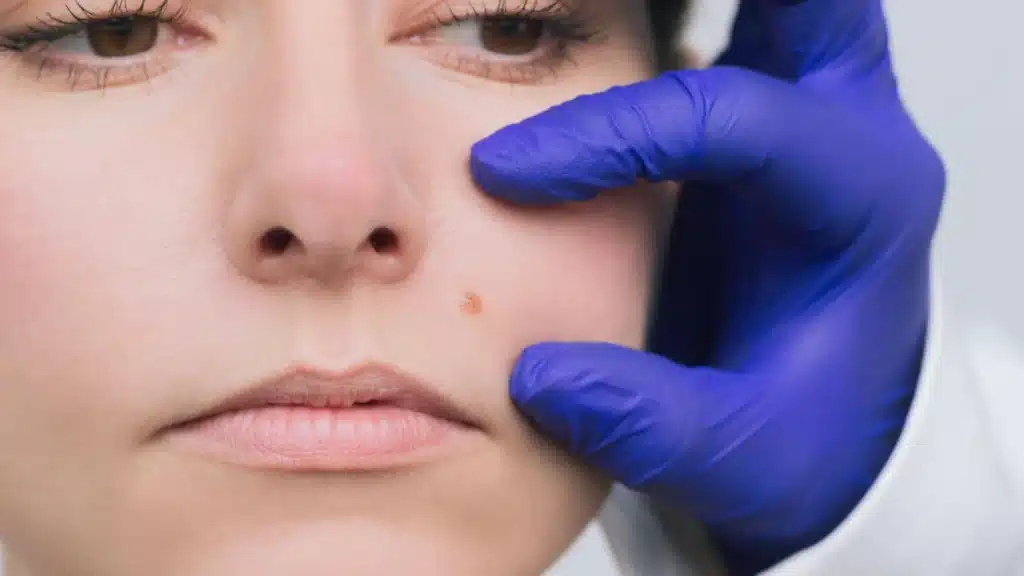
Before comparing clinics and GPs, it’s important to understand why skin cancer checks are so critical.
Skin cancer affects thousands of Australians every year. The three most common types include:
Basal Cell Carcinoma (BCC)
Basal cell carcinoma is the most frequently diagnosed skin cancer. It often appears as:
- Pearly bumps
- Pink patches
- Shiny lesions
- Non-healing sores
Squamous Cell Carcinoma (SCC)
Squamous cell carcinoma may appear as:
- Scaly red patches
- Crusted growths
- Tender lumps
- Persistent sores
Melanoma
Melanoma is the most serious form of skin cancer and can spread rapidly if not detected early.
Warning signs often include:
- Changing moles
- Irregular borders
- Multiple colours
- Rapid growth
- New unusual spots
Regular skin examinations can significantly improve treatment outcomes by identifying suspicious lesions at an early stage.
What Does a GP Do?
A General Practitioner (GP) is trained to diagnose and manage a broad range of medical conditions.
Your GP may:
- Assess suspicious skin lesions
- Perform basic skin examinations
- Recommend biopsies
- Refer patients to specialists
- Provide general skin health advice
Many GPs have experience identifying common skin cancers and can be an excellent first point of contact for general health concerns.
However, skin cancer is only one aspect of a GP’s daily practice.
Because they manage many different conditions, some GPs may not have the same level of specialised training or access to dedicated skin cancer technology as a Skin Cancer Clinic.
What Does a Skin Cancer Clinic Do?
A Skin Cancer Clinic focuses specifically on skin cancer prevention, detection, diagnosis, and treatment.
Unlike a general medical practice, a dedicated skin cancer clinic concentrates heavily on:
- Skin cancer screening
- Mole assessments
- Dermoscopy
- Mole mapping
- Biopsies
- Surgical excisions
- Long-term skin monitoring
Many clinics employ doctors with additional training and experience in skin cancer medicine.
For patients concerned about suspicious lesions, this focused expertise can provide greater confidence and more comprehensive assessments.
The Biggest Difference: Specialisation
One of the most significant differences between a GP and a Skin Cancer Clinic is specialisation.
A GP treats:
- Respiratory illnesses
- Diabetes
- Heart disease
- Mental health conditions
- Injuries
- General health concerns
A skin cancer clinic focuses almost entirely on skin health and skin cancer management.
Because of this specialised focus, clinicians working in a canberra skin cancer clinic often see significantly more skin cancer cases than a general practitioner.
This experience can be valuable when identifying subtle or early-stage lesions that might otherwise be overlooked.
Skin Checks: Who Provides the More Comprehensive Examination?
If your goal is a complete skin cancer screening, a dedicated Skin Cancer Clinic typically offers a more detailed assessment.
Comprehensive skin checks usually involve:
- Full-body examination
- Mole assessment
- Dermoscopic evaluation
- Documentation of suspicious lesions
- Risk assessment
While many GPs provide skin checks, appointment times are often shorter and may focus primarily on specific concerns raised by the patient.
Patients searching for a thorough skin cancer check near me often choose specialised clinics because of their dedicated screening processes.
Advanced Diagnostic Technology
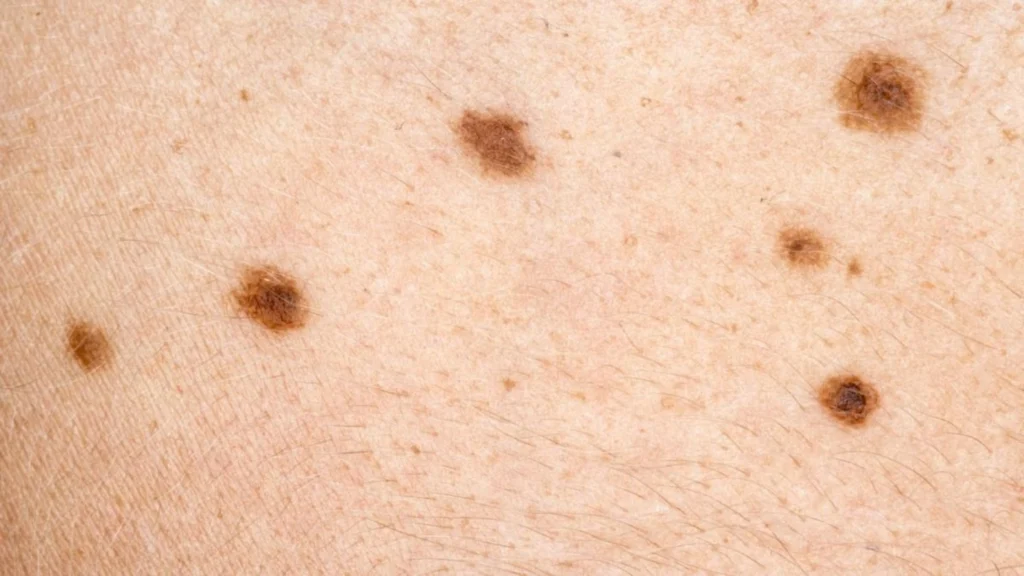
Technology plays a major role in modern skin cancer detection.
Many specialised clinics use tools such as:
Dermoscopy
Dermoscopy allows clinicians to examine skin structures beneath the surface.
This improves diagnostic accuracy and helps distinguish benign lesions from suspicious growths.
Mole Mapping
Mole mapping creates photographic records of moles and skin lesions.
These images allow clinicians to monitor changes over time.
Digital Monitoring Systems
Advanced clinics may track lesion development and compare images from previous visits.
These technologies are not always available in general medical practices.
A dedicated Skin Cancer Clinic is more likely to invest in specialised diagnostic equipment designed specifically for skin cancer detection.
When a GP May Be the Right Choice
There are situations where seeing your GP may be perfectly appropriate.
For example:
- You notice a new skin concern and want an initial opinion
- You require a referral
- Your concern appears minor
- You are already seeing your GP for other health issues
Many GPs can effectively identify common skin cancers and advise on appropriate next steps.
However, if the lesion appears suspicious or if you have a history of skin cancer, a specialised assessment may be beneficial.
When a Skin Cancer Clinic May Be the Better Option
A Skin Cancer Clinic may be particularly valuable if:
You Have Multiple Moles
Patients with numerous moles often benefit from detailed monitoring and mole mapping.
You Have a Family History of Melanoma
Family history increases risk and may justify specialist surveillance.
You Have Previously Had Skin Cancer
Past skin cancer significantly increases future risk.
You Spend Significant Time Outdoors
Outdoor workers, athletes, and gardening enthusiasts may experience higher UV exposure.
You Want a Full Skin Examination
Specialised clinics typically offer dedicated appointments specifically designed for skin cancer screening.
Why Experience Matters
- Skin cancer can sometimes be difficult to recognise.
- Not every cancerous lesion looks alarming.
- Some melanomas resemble harmless freckles.
- Certain squamous cell carcinomas appear as minor pink patches.
- Many basal cell carcinomas resemble small pimples or persistent sores.
- This is where experience becomes extremely important.
- A skin cancer specialist regularly assesses skin lesions and often develops a deeper understanding of subtle warning signs.
- The more skin cancer cases a clinician sees, the more familiar they become with the wide variety of presentations.
Treatment Options Available at Skin Cancer Clinics
Another advantage of a specialised Skin Cancer Clinic is access to treatment.
Many clinics provide:
Biopsies: Used to confirm diagnosis.
Surgical Excision: Removal of confirmed skin cancers.
Cryotherapy: Freezing treatment for selected lesions.
Follow-Up Monitoring: Ongoing skin cancer surveillance.
Having diagnosis and treatment available in one location can make the patient journey more convenient and efficient.
Canberra High UV Exposure Makes Regular Checks Important
Many Canberra residents underestimate their skin cancer risk.
Although Canberra is not a coastal city, UV levels can remain high for much of the year.
Activities such as:
- Hiking
- Cycling
- Golf
- Gardening
- Outdoor work
- Sports participation
all contribute to cumulative sun damage.
This is one reason why regular visits to a Canberra skin cancer clinic are increasingly recommended, particularly for higher-risk individuals.
Common Misconceptions About Skin Cancer Checks
“I Only Need a Check if I Notice Something”
- Many skin cancers are discovered before patients notice symptoms.
- Routine screening helps identify concerns early.
“Skin Cancer Only Affects Older People”
- While risk increases with age, younger Australians can also develop skin cancer.
“I Always Wear Sunscreen”
- Sunscreen is important but does not eliminate risk entirely.
- Regular skin examinations remain essential.
“My GP Will Automatically Check My Skin”
- Unless specifically requested, skin examinations are not always part of routine consultations.
How to Decide Between a GP and a Skin Cancer Clinic
The best choice often depends on your situation.
Consider a Skin Cancer Clinic if:
- You want a dedicated skin cancer assessment
- You have multiple moles
- You have previous skin cancer
- You have a family history of melanoma
- You want access to specialised technology
- You require ongoing monitoring
Consider a GP if:
- You need an initial assessment
- You have a general health concern alongside your skin issue
- You require a referral pathway
For comprehensive skin cancer screening, many patients prefer the expertise offered by a specialised clinic.
The Benefits of Choosing a Canberra Skin Cancer Clinic
Patients who visit a dedicated Canberra skin cancer clinic often benefit from:
- Focused skin cancer expertise
- Thorough examinations
- Advanced diagnostic tools
- Access to skin cancer treatment
- Structured follow-up care
- Long-term monitoring programs
These services are specifically designed to improve early detection and patient outcomes.
Conclusion
When deciding between a GP and a Skin Cancer Clinic, both options can play valuable roles in protecting your health.
A GP may be appropriate for an initial assessment or general healthcare needs. However, if you are seeking a comprehensive skin cancer screening, advanced diagnostic technology, mole monitoring, or specialised treatment, a dedicated Skin Cancer Clinic often provides a higher level of focused care.
If you’ve been searching for a skin cancer check near me, choosing an experienced canberra skin cancer clinic can help ensure your skin receives the attention it deserves.
Early detection remains one of the most effective ways to reduce the impact of skin cancer. Regular professional skin checks can provide peace of mind and potentially save lives.
Concerned about a changing mole or unusual skin spot? Book a professional skin cancer check with our experienced Canberra team today. Contact us now to arrange your appointment and take a proactive step towards early detection and peace of mind.
Frequently Asked Questions
Q1. Should I see a GP or a skin cancer specialist for a suspicious mole?
If a mole is changing in size, colour, or shape, a skin cancer specialist or dedicated Skin Cancer Clinic can provide a comprehensive assessment.
Q2. Are skin cancer clinics more experienced than GPs?
Many skin cancer clinics focus specifically on skin cancer detection and treatment, often giving them extensive experience with suspicious lesions.
Q3. Can a Skin Cancer Clinic perform treatment onsite?
Yes. Many clinics offer biopsies, excisions, and ongoing monitoring in addition to diagnosis.
Q4. How often should I have a skin cancer check?
Most people should consider annual skin checks, although higher-risk individuals may require more frequent assessments.
Q5. Is mole mapping available at a Skin Cancer Clinic?
Many specialised clinics provide mole mapping and digital monitoring services to track skin changes over time.