Many people book skin examinations expecting a clear answer about whether a spot is harmless or dangerous. However, patients often wonder how reliable these assessments truly are. Questions about technology, doctor experience, biopsies, and early detection are common, especially among people searching for the best skin cancer clinic near me.
Skin cancer checks are one of the most important tools for detecting suspicious skin changes early. While no screening method is perfect, modern skin checks performed by trained professionals can be highly effective in identifying potential cancers before they become more serious.
This guide explains how accurate Skin Cancer Checks are, what factors influence reliability, and how patients in Canberra can improve the effectiveness of their skin monitoring routine.
Why Skin Cancer Checks Matter in Australia
Australia Has High Skin Cancer Rates
Skin cancer is the most common cancer in Australia.
Australia is a nation with high rates of skin cancer.
Australia still has some of the world’s highest skin cancer rates. Canberrans have a high exposure to Ultra Violet (UV) for most of the year, this contributes to the higher risk of skin cancer in the longer term in Canberra.
There are several types of skin cancer, such as:
- Basal cell carcinoma
- Squamous cell carcinoma
- Melanoma
Regular skin cancer check canberra exams enable doctors to detect suspicious skin patches before they become an issue.
What is a Skin Cancer Check?
Understanding the Screening Process
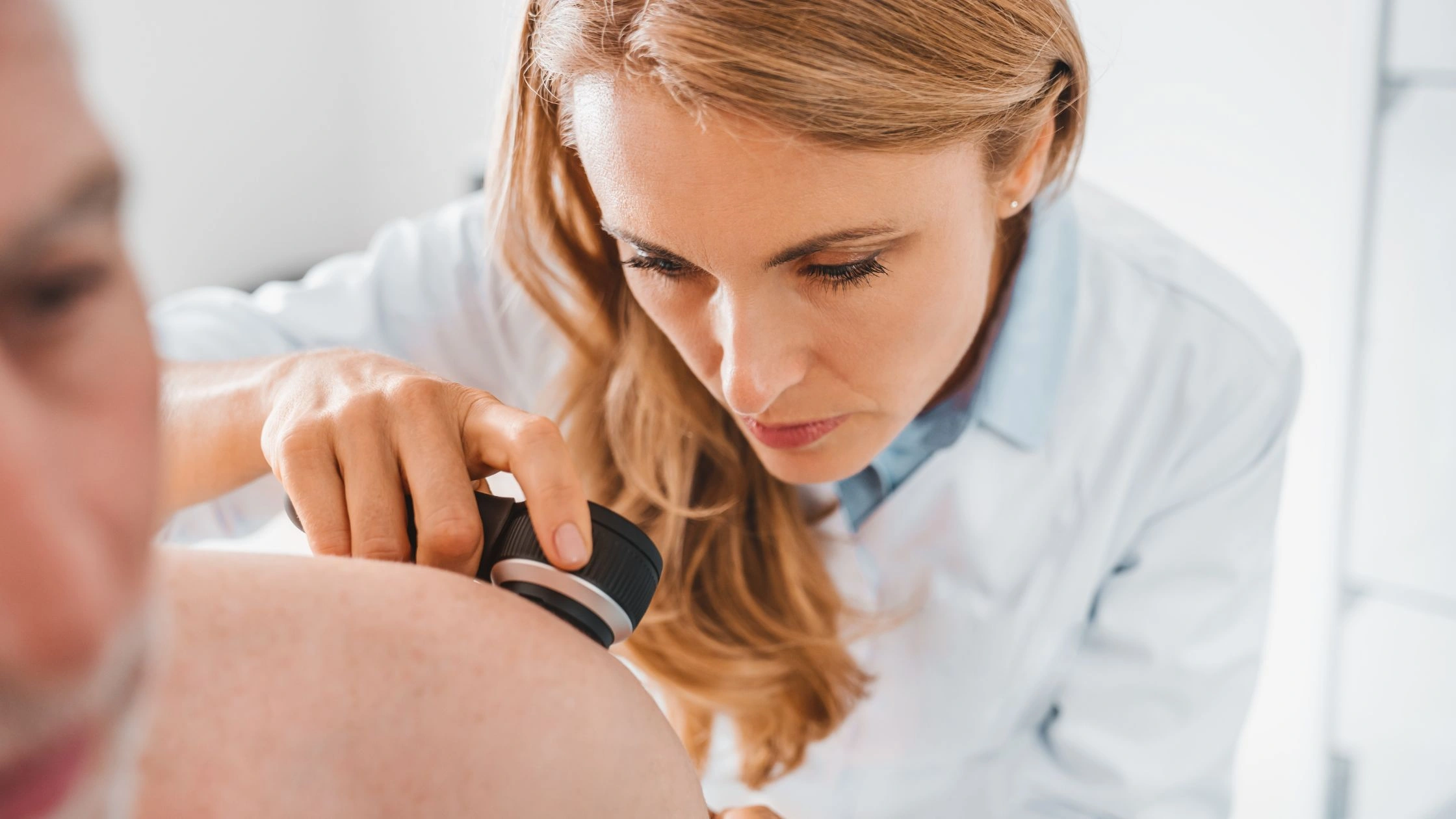
Skin cancer check is a doctor’s examination of the skin to look for any abnormal changes or suspicious spots.
The doctor may:
- Review medical history
- Inspect the skin with the naked eye
- Use magnification tools
- Assess changing moles
- If indicated, recommend biopsy
The aim is to recognise potentially hazardous lesions in their early stages.
How Accurate Are Skin Cancer Checks?
Accuracy Depends on Multiple Factors
Skin cancer examinations carried out by trained personnel employing modern diagnostic techniques can be very beneficial. But, there can be some important factors that affect the accuracy.
Key Factors Include:
- Doctor experience
- Technology used
- Type of skin lesion
- Patient risk level
- Frequency of monitoring
- Whether biopsies are taken or not
While there is no foolproof method of screening, expert screenings can improve the likelihood of detection.
The Role of Doctor Experience
Experience Strongly Influences Detection Accuracy
A doctor with extensive skin cancer training may recognise subtle warning signs more effectively than someone with limited experience.
Doctors working in a dedicated skin cancer clinic Canberra often have additional expertise in:
- Dermoscopy
- Melanoma detection
- Mole mapping
- Skin lesion analysis
- Surgical procedures
The more experience one gains, the better the identification of difficult and early lesions.
What Is Dermoscopy?

Advanced Magnification Technology
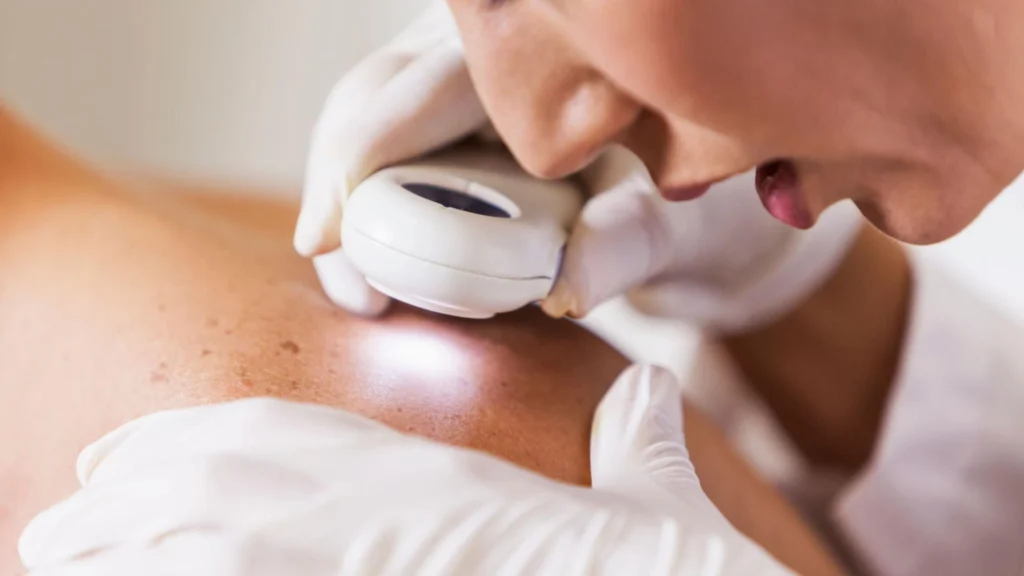
Dermoscopy is one of the most useful aids in the examination of the skin.
The doctor uses a special tool that magnifies what he/she can see to examine skin lesions.
Dermoscopy Helps Detect:
- Pigment irregularities
- Abnormal blood vessels
- Border changes
- Early melanoma patterns
This technology has emerged as a more reliable way of diagnosis than visual inspection alone.
How Technology Improves Skin Cancer Detection
Modern Clinics Use Advanced Diagnostic Tools
Modern Clinics incorporate state-of-the-art diagnostic technologies. Advanced diagnostic technologies are used in modern clinics.
Much has improved in terms of technology in recent years.
Numerous clinics have adopted:
- Digital dermoscopy
- Mole mapping systems
- High-resolution photography
- AI-assisted lesion monitoring
The tools are used to identify skin changes more accurately over time to help doctors.
What Is Mole Mapping?
Long-Term Monitoring for High-Risk Patients
Mole mapping is the process of taking photos of the moles and comparing these in subsequent appointments.
Mole Mapping Is Often Recommended For:
- Patients who have multiple moles
- People with melanoma history
- Fair-skinned individuals
- High-risk patients
Sometimes small things that may not be noticed can be detected earlier with digital monitoring.
Can Skin Cancer Be Missed During a Skin Check?
No Screening Method Is Perfect
While a professional skin exam is very useful, none of them are 100% perfect.
Skin cancers can be:
- Extremely small
- Difficult to recognise early
- In locations not readily seen
- With similar-looking appearance to benign lesions
This is why it is essential to have regular follow up appointments, particularly for high-risk patients.
Why Regular Monitoring Improves Accuracy
Skin Changes Become Easier to Track Over Time
A single appointment only gives a picture of the skin condition at that particular moment.
Doctors will repeat the examinations so that they can compare the lesions and track any changes.
Ongoing Monitoring Helps Detect:
- Growth changes
- Colour changes
- Border irregularities
- New suspicious lesions
Frequent reevaluations can enhance long-term accuracy in detection.
Understanding False Positives and False Negatives
What is a False Positive?
A positive test result is a false positive, where a benign growth is mistaken for being cancerous and must be evaluated further.
This may lead to:
- Additional monitoring
- Biopsy procedures
- Mole removal
Stressful, but false positives are safer than missing dangerous lesions.
What is a False Negative?
A false negative is a screening result that shows no sign of a problem, but the lesion is actually cancerous.
This is why it is important for patients to keep checking their skin after normal results.
Why Biopsies Are Important
Biopsy Provides Definitive Diagnosis
Dermoscopy and visual examination are useful but biopsies are the most accurate method for the diagnosis of skin cancer.
During a biopsy:
- A sample of tissue is taken
- The cells are looked at under a microscope by pathologists
- The lesion is correctly diagnosed
Biopsies help to diagnose if treatment is needed.
Common Types of Skin Cancer Detected During Checks
Basal Cell Carcinoma
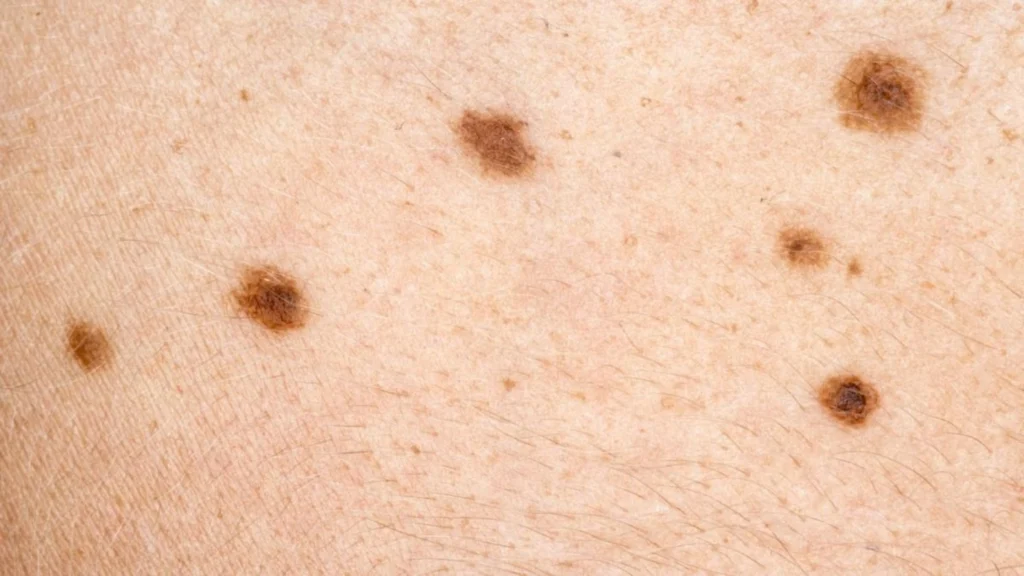
Basal cell carcinoma is the most frequent type of skin cancer.
Possible Signs Include:
- Pearly bumps
- Pink patches
- Persistent sores
Typically these cancers develop slowly but need to be treated.
Squamous Cell Carcinoma
If not treated, the squamous cell carcinoma can get worse.
Common Symptoms Include:
- Thickened lesions
- Crusting areas
- Tender growths
Early diagnosis increases the likelihood of successful treatment.
Melanoma
Melanoma is the most serious type of skin cancer.
Warning Signs Include:
- Uneven pigmentation
- Irregular borders
- Rapid changes
- Multiple colours
Early diagnosis, however, is still extremely crucial.
Why Full Skin Checks Are More Effective Than Spot Checks
Comprehensive Examinations Detect Hidden Lesions
Some patients only ask doctors to inspect one mole.
However, a full-body examination may identify additional suspicious lesions elsewhere on the skin.
Full Skin Checks Often Include:
- Scalp examination
- Back inspection
- Feet and nail assessment
- Hard-to-see areas
This broader approach improves screening effectiveness.
Who Should Have Regular Skin Cancer Checks?
High-Risk Individuals Need Closer Monitoring
A person may have a genetic predisposition or other lifestyle risk factors for skin cancer.
Higher-Risk Groups Include:
- Fair-skinned individuals
- Outdoor workers
- People with many moles
- The chances of developing melanoma are increased for individuals who have a family history of the disease
- People who have had skin cancer in the past
These groups may be advised to have routine checks at a Canberra skin clinic.
How Often Should Skin Checks Be Performed?
Frequency is related to the level of risk
Depending on the person’s risk factors, different schedules are recommended.
General Guidelines
- Lower risk people: annually or every 1–2 years
- Moderate risk: yearly checks
- High risk: every 3–6 months
Frequent monitoring increases the likelihood of early detection of changes.
Warning Signs Patients Should Never Ignore
Skin Changes That Require Assessment
If he or she has any concerns about the following, he or she should seek a professional exam:
- New moles
- Bleeding lesions
- Persistent itching
- Colour changes
- Non-healing sores
- Rapid growth
Any minor changes should be assessed by a professional.
The Importance of Self-Checks Between Appointments
Home Monitoring Supports Early Detection
Professional checks remain essential, but self-examinations are also important.
Patients Should Monitor:
- Changing moles
- New lesions
- Irregular pigmentation
- Areas exposed to frequent sun
Monthly self-checks may help identify changes earlier.
How Canberra’s Climate Affects Skin Cancer Risk
UV Exposure Remains High
Much of Canberra’s environment can result in greater levels of exposure to ultraviolet radiation (UV) during the year.
Ultraviolet is not gone even if it is winter or it’s very cold.
Chronic sun exposure may eventually lead to the damage of skin cells and a higher risk of skin cancer over time.
How to Improve the Accuracy of Your Skin Checks
Choose Experienced Professionals
The choice of clinic could affect the quality of the screening.
Important Factors Include:
- Skin cancer expertise
- Dermoscopy technology
- Mole mapping availability
- Follow-up systems
- Familiarity with melanoma detection
These are some of the things that patients should compare when looking for the best skin cancer clinic near me.
Preparing for a Skin Cancer Check
Helpful Preparation Tips
Patients can help improve the quality of the examination by:
- Removing makeup
- Taking off nail polish
- Taking prior biopsy findings with you
- Documentation of changes in lesions
- Wearing loose clothing
When a doctor is well-prepared, he or she can examine the skin more thoroughly.
Preparing for a Skin Cancer Check
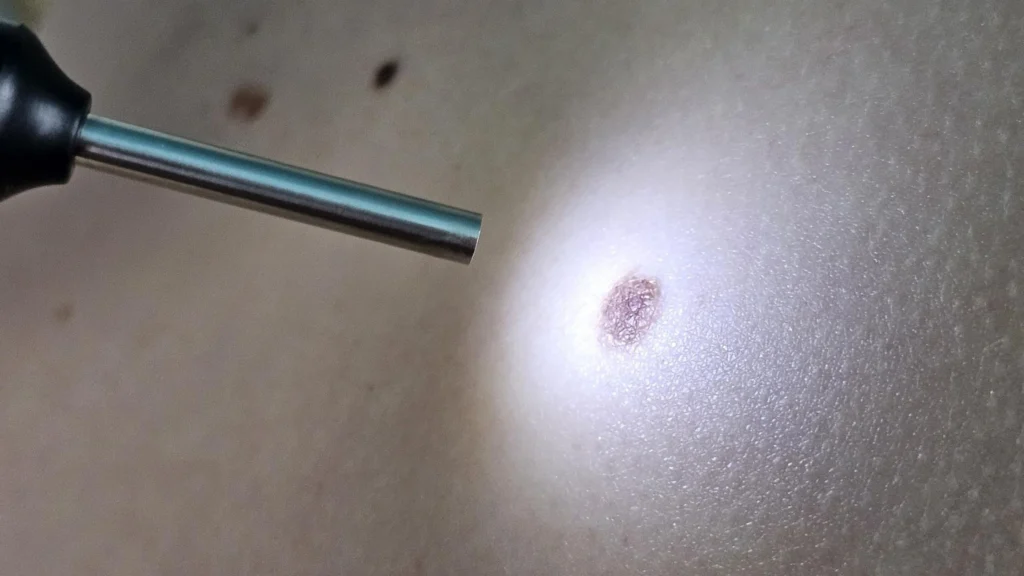
Helpful Preparation Tips
Patients can improve examination quality by:
- Removing makeup
- Taking off nail polish
- Bringing previous biopsy reports
- Noting changes in lesions
- Wearing loose clothing
Preparation helps doctors assess the skin more thoroughly.
Preparing for a Skin Cancer Check
Helpful Preparation Tips
Treatment options if cancer is diagnosed may include:
- Surgical excision
- Cryotherapy
- Curettage
- Monitoring
- Specialist referral
Most cancers are easier to deal with if they are at an early stage.
Why Some People Delay Skin Checks
Common Reasons for Avoidance
Patients may not go to appointments because they:
- Fear diagnosis
- Assume that spots are not harmful
- If you’re unsure about what’s going on, seek medical advice
- Worry about procedures
But, if the diagnosis is not made in time, then lesions can advance.
Can Artificial Intelligence Improve Skin Cancer Checks?
AI Is Becoming More Common
Some modern clinics now use AI-assisted systems to help analyse lesions.
AI technology may assist with:
- Image comparison
- Mole monitoring
- Risk analysis
- Identifying subtle changes
However, professional medical assessment remains essential.
Choosing the Right Clinic in Canberra
Important Features To Look For
When looking at clinics, think about:
- Doctor qualifications
- Diagnostic technology
- Monitoring systems
- Patient reviews
- Follow-up care
To learn more about this topic, see our complete guide on How to Choose the Best Skin Cancer Clinic in Canberra.
Prevention Still Matters
Reducing UV Exposure Is Essential
Skin checks are important, but prevention remains equally valuable.
Helpful Prevention Strategies
- Wear SPF 50+ sunscreen
- Use protective clothing
- Seek shade during peak UV hours
- Wear wide-brimmed hats
- Avoid excessive sun exposure
Combining prevention with regular checks provides stronger long-term protection.
FAQs
Q1.How accurate are professional skin cancer checks?
Professional skin cancer checks are generally highly effective when performed by trained doctors using dermoscopy and modern diagnostic tools. However, no screening process is completely perfect. Accuracy improves with experienced practitioners, regular monitoring, and follow-up appointments. Biopsies remain the most reliable way to confirm whether a suspicious lesion is cancerous.
Q2.Can skin cancer be missed during a skin check?
Although skin checks are valuable, some very early or subtle lesions may occasionally be difficult to detect. Hidden lesions or rapidly changing spots can also create challenges. This is why ongoing monitoring, mole mapping, self-checks, and regular appointments remain important, especially for people at higher risk of melanoma or other skin cancers.
Q3.Is dermoscopy more accurate than visual examination alone?
Yes. Dermoscopy allows doctors to examine skin lesions under magnification and identify pigment patterns not visible to the naked eye. This technology improves the ability to detect suspicious features early. Many professional skin cancer clinics now use dermoscopy routinely because it enhances diagnostic accuracy during skin cancer screening appointments.
Q4.How often should high-risk patients have skin checks?
High-risk patients may require skin examinations every three to six months depending on their medical history and doctor recommendations. Risk factors include fair skin, previous skin cancer, family history of melanoma, significant sun exposure, and having many moles. Frequent monitoring increases the likelihood of identifying skin changes at an earlier stage.
Q5.Are full skin checks better than checking one mole?
Full skin checks are often more comprehensive because they assess the entire body rather than focusing on a single lesion. Doctors may identify suspicious spots in hidden areas patients rarely examine themselves. For people with multiple moles, fair skin, or previous skin cancers, full-body examinations may provide greater long-term screening benefits.
Conclusion
Professional Skin Cancer Checks remain one of the most effective tools for detecting suspicious skin changes early. While no screening method guarantees perfect accuracy, experienced doctors, advanced technology, regular monitoring, and biopsies all contribute to improving diagnostic reliability.
Routine skin examinations, self-checks, and sun protection habits work together to support long-term skin health. If you notice changing moles, unusual lesions, or persistent skin concerns, seeking professional advice early is always recommended.