

Skin cancer is one of the most common health concerns in Australia, and Canberra residents face ongoing exposure to high ultraviolet radiation levels throughout the year. While early detection through routine skin checks is essential, many patients also want to understand the possible costs involved if a suspicious lesion requires treatment.
One of the most common concerns people have after diagnosis is the overall Skin Cancer Removal Cost in Canberra. Patients often wonder how much surgery may cost, whether Medicare rebates apply, and what expenses may arise during recovery and aftercare.
The cost of treatment can vary significantly depending on the type of skin cancer, the size of the lesion, the complexity of surgery, pathology testing, and follow-up care requirements. Understanding these factors can help patients prepare both medically and financially.
This guide explains the different factors that influence skin cancer removal costs in Canberra, outlines common treatment methods, and discusses the importance of proper aftercare following surgery.
Why Skin Cancer Treatment Matters in Canberra

Australia’s High Skin Cancer Rates
Australia has a high incidence of skin cancer.
Australia has some of the highest rates of skin cancer in the world. Canberra residents are exposed to the sun regularly, which will lead to skin damage in the long term.
Exposure to the sun’s ultraviolet radiation over time can cause:
- Basal cell carcinoma
- Squamous cell carcinoma
- Melanoma
It is possible that regular visits to a professional canberra skin cancer clinic could prove useful in detecting suspicious lesions before they become more serious.
Understanding Skin Cancer Removal
What Does Skin Cancer Removal Involve?
Skin cancer removal is the use of techniques to remove lesions that are suspected of being cancerous or are cancerous on the skin.
Treatment may involve:
- Surgical excision
- Cryotherapy
- Curettage
- Topical therapies
- Skin graft procedures
Treatment will depend on the type, depth, and location of the cancer.
What Influences the Skin Cancer Removal Cost in Canberra?
Several Factors Affect Pricing
No specific cost for skin cancer surgery since each patient’s situation is unique.
Common Cost Factors Include:
- Type of skin cancer
- Size of the lesion
- Number of lesions
- Surgical complexity
- The place of a body part.Position on the body.
- Pathology testing
- Follow-up appointments
- Clinic expertise
Advanced procedures typically have a greater total cost.
Type of Skin Cancer Affects Treatment Costs
Basal Cell Carcinoma
Basal cell carcinoma is the most common type of skin cancer.
Treatment May Include:
- Simple excision
- Cryotherapy
- Curettage
These procedures are generally simpler if the lesion is not only detected early, but also in a mild state.
Squamous Cell Carcinoma
In some cases, if left untreated, SCC can spread.
Treatment May Require:
- Wider surgical margins
- Increased pathology testing for details
- Additional follow-up monitoring
As the severity of the case progresses, treatment costs may also rise.
Melanoma
Melanoma skin cancer is the most severe type of skin cancer.
Melanoma Treatment May Involve:
- Larger excisions
- Specialist surgical care
- Ongoing surveillance
- Additional imaging
Many cases of melanoma require more complex treatment, which can incur higher expenses.
How Surgical Complexity Impacts Costs

Small Lesions Usually Require Simpler Procedures
Simple procedures are typically recommended for small lesions.
Cancer in its early stages can often be treated more easily and at a lower cost.
However, there may be larger or deeper lesions that require:
- More extensive surgery
- Multiple procedures
- Skin grafting
- Longer operating times
Certainly, postpone your treatment and medical and financial costs can be higher.
The Importance of Pathology Testing
Why Biopsies and Laboratory Testing Matter
Once removed, the samples of tissue are typically sent to a pathology lab for analysis.
Pathology Helps Confirm:
- Cancer type
- Surgical margins
- What happens if cancer cells stay…
- Need for additional treatment
Pathology fees are usually not covered with consultation/surgical fees.
Medicare and Skin Cancer Removal Costs
Are Medicare Rebates Available?
In Australia, Medicare may provide rebates for eligible consultations and procedures.
However, out-of-pocket costs can still vary depending on:
- Clinic billing policies
- Procedure complexity
- Specialist involvement
- Whether the clinic bulk bills
Patients should confirm expected fees before treatment.
Public vs Private Skin Cancer Treatment
Public Healthcare Pathways
Treatment for some patients is provided by public hospital systems.
Potential restrictions could be:
- Referral requirements
- Waiting periods
- Limited appointment availability
Private Skin Cancer Clinics
A professional skin cancer clinic canberra will provide:
- Faster appointment access
- Advanced diagnostic technology
- Comprehensive follow-up care
- Expert skin cancer skills.
The cost of private treatment can differ from clinic to clinic and treatment to treatment.
What to expect during a Skin Cancer Surgery?
Step 1: Local Anaesthetic
Minor procedures are done with local anaesthetic to numb the treatment area.
The procedure is performed under local anesthesia, which leaves the patient awake.
Step 2: Lesion Removal
The doctor takes out the lesion and any margins of tissue around it that are suspicious.
The amount to be removed is based on:
- Cancer type
- Lesion depth
- Risk of spread
Step 3: Wound Closure
Once removed, the wound can be:
- Stitched closed
- Healed spontaneously
- A skin flap was used to repair.
- Covered with a skin graft
More complicated reconstruction is needed in larger procedures.
Understanding Aftercare Costs
Recovery Often Involves Additional Appointments
Following surgery, patients might need:
- Wound checks
- Dressing changes
- Suture removal
- Follow-up examinations
These may add to the total cost of treatment.
Why Follow-Up Care is Important
Ongoing Monitoring Reduces Future Risk
If a person gets one skin cancer, he or she could be more likely to get another one.
Routine check-ups allow your doctor to keep track of:
- Recurrence
- New suspicious lesions
- Healing progress
- Additional sun damage
Long-term monitoring is an important part of comprehensive skin cancer treatment.
Common Side Effects After Skin Cancer Surgery
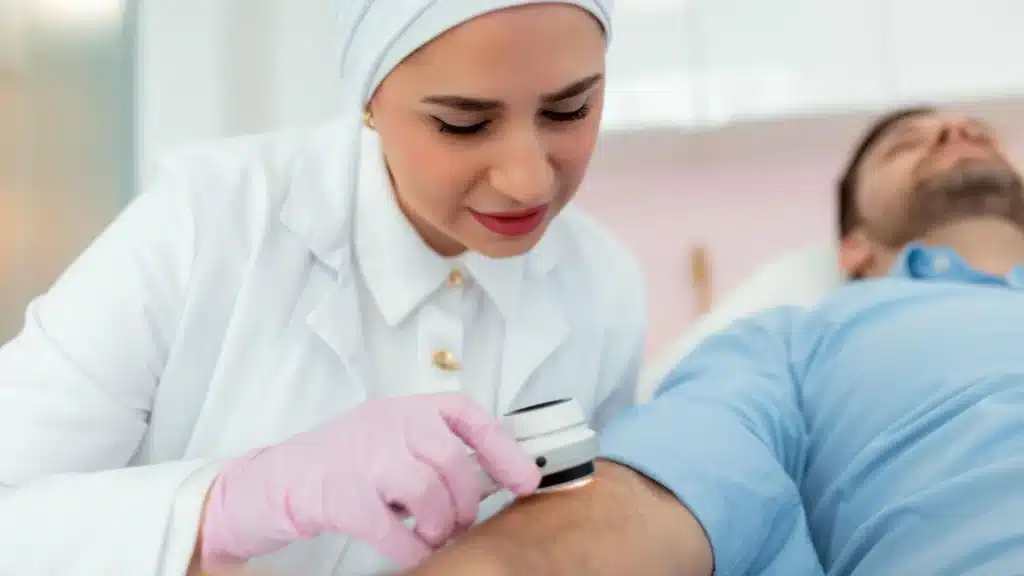
Temporary Symptoms May Include
Patients may experience:
- Swelling
- Bruising
- Mild discomfort
- Redness
- Temporary scarring
In most cases, symptoms get better over time.
How Long Does Recovery Take?
Recovery Depends on Procedure Complexity
The recovery time for smaller excisions is several weeks and more extensive procedures will take longer.
The healing process may take different amounts of time depending on:
- Lesion size
- Surgical location
- Patient health
- Wound care practices
After treatment doctors are giving personalized instructions.
The Role of Early Detection in Reducing Costs
Early Treatment Is Often Simpler
Regular skin checks could help lower the risk of more serious surgeries.
Early stage lesions can be:
- Smaller
- Easier to remove
- Less invasive
- Easier to manage than treatment is less expensive.
One of the most important preventive measures is the regular skin check.
Warning Signs Patients Should Not Ignore
Seek Medical Advice If You Notice:
- Changing moles
- Persistent sores
- Bleeding lesions
- Rapid skin changes
- New pigmentation
- Crusting growths
Treatment outcomes are better if assessed promptly.
Risk Factors for Skin Cancer
Some People Face Higher Risk
Higher risk people include:
- Fair-skinned people
- Outdoor workers
- PTS patients with numerous moles
- People who had a skin cancer previously
- People with family history of melanoma
These patients might need closer follow-ups.
Preventing Future Skin Damage
Everyday Sun Protection Matters
Protection from UV exposure is still a key after treatment.
Helpful Prevention Strategies
- Wear SPF 50+ sunscreen
- Use wide-brimmed hats
- Wear protective clothing
- Avoid midday sun exposure
- Perform regular self-checks
Preventive habits support long-term skin health.
Emotional Concerns Around Skin Cancer Surgery
Many Patients Feel Anxious Before Treatment
Common concerns include:
- Fear of diagnosis
- Worry about scarring
- Surgical anxiety
- Financial stress
Pre-treatment communication with doctors can help minimize uncertainty.
Choosing the Right Clinic in Canberra
Important Factors to Consider
Patients should look at the following to find the best skin cancer clinic near me:
- Doctor qualifications
- Surgical experience
- Technology available
- Follow-up systems
- Pathology services
- Appointment availability
To learn more about this topic, see our complete guide on How to Choose the Best Skin Cancer Clinic in Canberra.
Why Professional Skin Cancer Care Matters
Specialist Assessment Supports Better Outcomes
Clinics may offer:
- Earlier diagnosis
- More accurate monitoring
- Better treatment planning
- Ongoing surveillance programs
Regular skin examinations for cancer prevention and early detection continue to be a critical component of prevention and early intervention.
Common Questions Patients Ask About Costs
Patients Often Ask:
- Is surgery covered by Medicare?
- Is the pathology fee charged separately?
- What is the minimum number of appointments needed?
- Will I need stitches?
- Do follow-up visits follow?
Early discussions of costs can help minimize financial uncertainty.
FAQs
Q1. How much does skin cancer removal cost in Canberra?
The cost varies depending on the type of skin cancer, procedure complexity, lesion size, and whether pathology testing is required. Smaller lesions are often less expensive to treat than advanced cancers requiring extensive surgery. Consultation fees, follow-up appointments, and aftercare may also contribute to overall treatment costs for patients in Canberra.
Q2. Does Medicare cover skin cancer surgery?
Medicare may provide rebates for eligible consultations, biopsies, and skin cancer removal procedures. However, out-of-pocket expenses can still vary depending on the clinic’s billing policies and the complexity of treatment. Patients should contact their clinic before treatment to discuss expected rebates, pathology costs, and possible additional fees.
Q3. What happens after skin cancer removal surgery?
After surgery, patients usually attend follow-up appointments to monitor healing and remove stitches if necessary. Doctors may also review pathology results and check for additional lesions. Temporary swelling, redness, and mild discomfort are common during recovery. Proper wound care and ongoing skin monitoring remain important after treatment.
Q4. Is early skin cancer treatment less expensive?
Early detection often allows for smaller and less complex procedures, which may reduce treatment costs and recovery time. Delayed diagnosis can sometimes lead to larger excisions, additional surgery, or more extensive treatment plans. Routine skin checks help identify suspicious lesions before they become more advanced and difficult to manage.
Q5. How can I reduce my risk of future skin cancers?
Reducing UV exposure is one of the most effective prevention strategies. Patients should wear SPF 50+ sunscreen, use protective clothing, avoid prolonged sun exposure, and perform regular self-checks. Ongoing monitoring at a professional skin cancer clinic can also help identify new lesions early and support long-term skin health.
Conclusion
Understanding the possible Skin Cancer Removal Cost in Canberra can help patients feel more prepared when seeking treatment. Costs may vary depending on the type of cancer, procedure complexity, pathology testing, and aftercare requirements.
While treatment expenses are an important consideration, early detection remains one of the most effective ways to reduce both health risks and the need for more extensive surgery. If you notice unusual skin changes or concerns about sun damage, seeking professional advice early is always recommended.
Don’t ignore suspicious skin changes or delay treatment. Book a professional skin cancer assessment in Canberra today for early diagnosis, expert care, and guidance on safe treatment and recovery options.
| Canberra Skin Cancer Clinic- Green Way | Canberra Skin Cancer Clinic- Molonglo Valley |
| Phone: (02) 51046409 | Phone: (02) 51046409 |
| Email: reception@greenwaymedicalcentre.com.au | Email: reception@greenwaymedicalcentre.com.au |
| Address: Unit 6/175 Anketell Street, Greenway ACT 2900 | Address: 110 Woodberry Ave Coombs ACT 2611 |
| Website: https://canberraskincancerclinic.com.au/ | Website: https://canberraskincancerclinic.com.au/ |