
Many patients feel relieved after completing treatment for skin cancer. However, it is also common to wonder whether the cancer could return in the future. Questions about recurrence are especially important for people who have already undergone surgery, biopsy procedures, or ongoing monitoring at a Canberra skin cancer clinic.
The answer is that some skin cancers can come back after removal, depending on several factors such as the type of cancer, how early it was detected, treatment methods used, and individual risk factors. In some cases, the original cancer may recur in the same area, while other patients may develop entirely new skin cancers elsewhere on the body.
Understanding recurrence risks can help patients stay proactive about ongoing monitoring, prevention, and regular follow-up appointments. This guide explains why skin cancer may return after treatment, which types are more likely to recur, and how patients in Canberra can reduce their future risk.
Why Skin Cancer Recurrence Happens
Understanding Recurrence
Recurrence means cancer returns after treatment. This can happen when small cancer cells remain undetected after removal or when new cancers develop because of ongoing skin damage.
Recurrence may involve:
- The original cancer returning
- New lesions forming nearby
- Additional skin cancers appearing elsewhere
Regular monitoring remains important even after successful treatment.
Australia’s High Skin Cancer Risk
Canberra Residents Face Ongoing UV Exposure

Australia continues to have one of the world’s highest skin cancer rates. Canberra residents experience strong ultraviolet exposure during much of the year, which contributes to long-term skin damage.
Repeated UV exposure may increase the likelihood of:
- Basal cell carcinoma
- Squamous cell carcinoma
- Melanoma
This ongoing exposure is one reason regular monitoring remains essential after treatment.
Types of Skin Cancer That May Recur
Basal Cell Carcinoma
Basal cell carcinoma is the most common skin cancer type.
Recurrence Risk Factors Include:
- Large lesions
- Delayed treatment
- Incomplete removal
- High-risk facial areas
Although basal cell carcinoma usually grows slowly, recurrence can still occur if cancer cells remain.
Squamous Cell Carcinoma
Squamous cell carcinoma may sometimes behave more aggressively.
Recurrence Is More Likely When:
- Lesions are deep
- Cancer spreads into nerves
- Treatment is delayed
- Immune function is weakened
Close follow-up care is important after treatment.
Melanoma
Melanoma is considered the most dangerous form of skin cancer.
Melanoma Recurrence May Involve:
- Local recurrence near the scar
- Spread to lymph nodes
- Distant recurrence elsewhere in the body
Ongoing surveillance remains extremely important after melanoma treatment.
Can Skin Cancer Return in the Same Spot?
Local Recurrence Explained
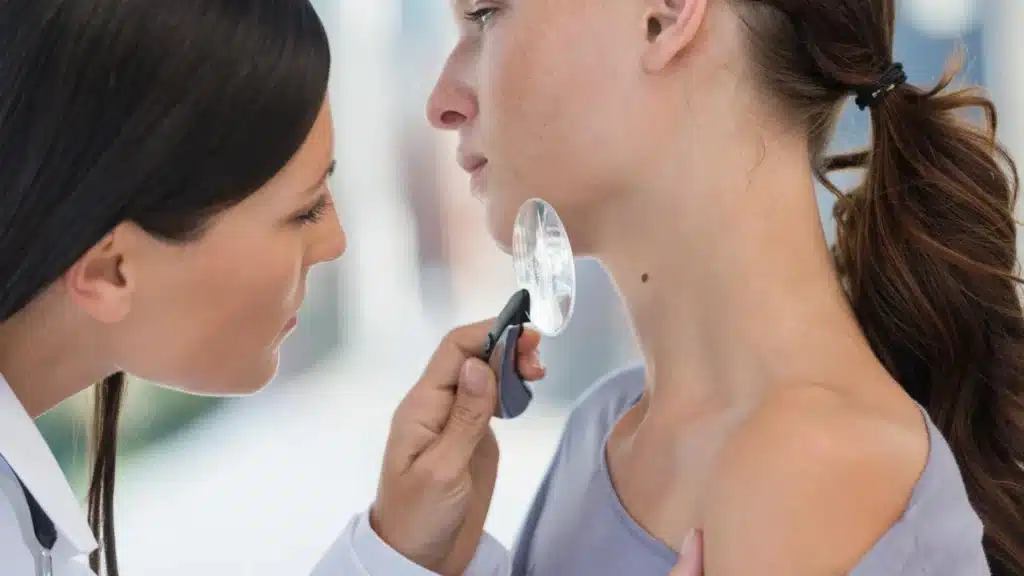
Some skin cancers return in or near the original treatment area.
This is known as local recurrence.
Possible Reasons Include:
- Microscopic cancer cells remaining
- Aggressive tumour behaviour
- Incomplete surgical margins
Regular scar monitoring helps identify suspicious changes early.
Can New Skin Cancers Develop After Treatment?
Previous Skin Cancer Increases Future Risk
Patients who have had one skin cancer are often at higher risk of developing additional lesions later.
This does not always mean the original cancer returned.
Instead, new cancers may form because of:
- Previous sun damage
- Genetic factors
- Ongoing UV exposure
Routine follow-up appointments remain essential.
What Factors Increase Recurrence Risk?
Several Factors Influence Recurrence
Not every patient faces the same risk level.
Higher-Risk Factors Include:
- Fair skin
- Significant sun exposure
- Previous skin cancers
- Family history of melanoma
- Delayed diagnosis
- Large lesions
- Weak immune system
Doctors may recommend more frequent monitoring for high-risk patients.
The Importance of Complete Cancer Removal
Surgical Margins Matter
During surgery, doctors remove both the lesion and a margin of surrounding tissue.
This helps reduce the chance of cancer cells remaining behind.
Wider Margins May Be Needed For:
- Melanoma
- Larger lesions
- Aggressive cancers
- Recurrent tumours
Pathology testing helps confirm whether removal was complete.
What Is Pathology Testing?
Laboratory Analysis After Surgery
After removal, tissue samples are usually sent to a pathology laboratory.
Pathologists examine the tissue under a microscope to determine:
- Cancer type
- Depth of invasion
- Margin clearance
- Presence of remaining cancer cells
These results guide future treatment decisions.
Signs That Skin Cancer May Have Returned
Warning Signs Patients Should Watch For
Patients should seek medical assessment if they notice:
- New growth near a scar
- Persistent redness
- Bleeding lesions
- Thickened skin
- Pigment changes
- Non-healing sores
Even subtle changes deserve professional evaluation.
Why Follow-Up Appointments Are Important
Monitoring Helps Detect Problems Early
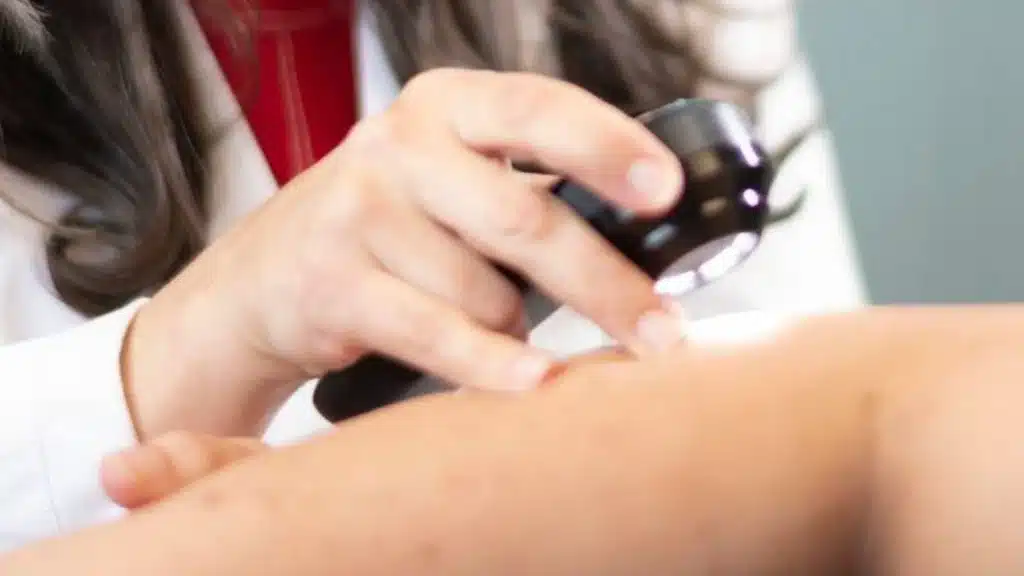
Follow-up appointments allow doctors to examine:
- Surgical scars
- New lesions
- Areas of previous sun damage
- Overall skin health
Regular reviews improve the chances of identifying recurrence early.
How Often Should Follow-Up Skin Checks Occur?
Frequency Depends on Risk Level
Doctors recommend different schedules depending on individual risk factors.
General Follow-Up Guidelines
- Low-risk patients: yearly checks
- Moderate risk: every 6–12 months
- High-risk patients: every 3–6 months
Patients with melanoma often require closer monitoring.
Understanding Scar Monitoring
Changes Around Surgical Scars Matter
Patients should continue observing treated areas after surgery.
Concerning Scar Changes Include:
- New lumps
- Persistent itching
- Colour changes
- Ongoing bleeding
- Thickened scar tissue
Doctors can determine whether changes are related to healing or recurrence.
How UV Exposure Affects Future Risk
Sun Protection Remains Essential
Even after successful treatment, ongoing UV exposure can contribute to future skin cancers.
Helpful prevention strategies include:
- Wearing SPF 50+ sunscreen
- Using protective clothing
- Wearing wide-brimmed hats
- Avoiding peak UV hours
- Seeking shade outdoors
Prevention remains important for long-term skin health.
The Role of Self-Checks After Treatment
Monthly Skin Monitoring Can Help
Patients should perform regular self-examinations between appointments.
Areas To Monitor Include:
- Surgical scars
- Existing moles
- New lesions
- Hard-to-see areas
Early detection improves treatment outcomes.
What Technology Helps Detect Recurrence?
Modern Monitoring Tools
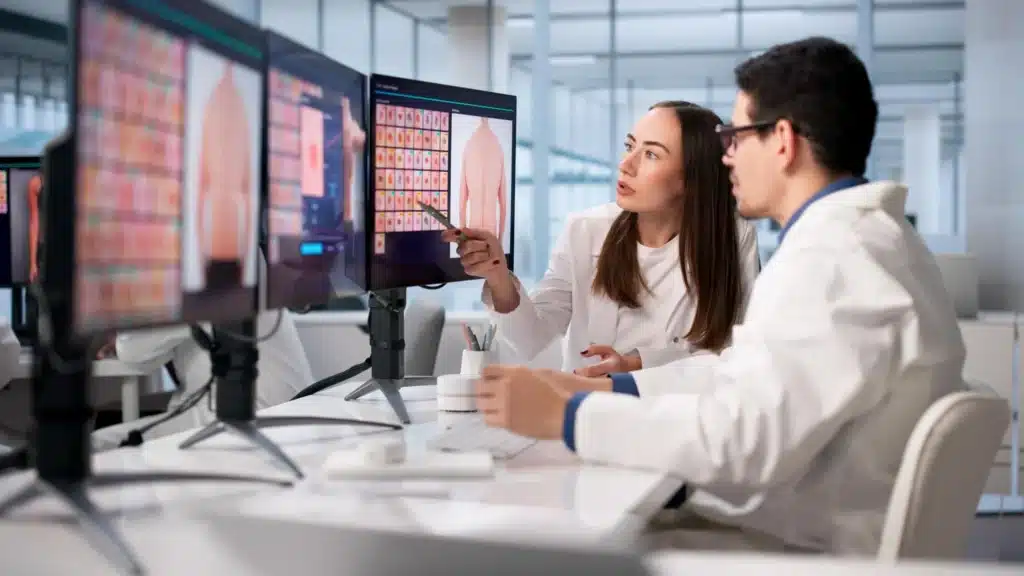
Many clinics now use advanced diagnostic technology.
Common Tools Include:
- Dermoscopy
- Digital mole mapping
- High-resolution photography
- AI-assisted monitoring
These systems help doctors track subtle skin changes more accurately over time.
Emotional Concerns After Skin Cancer Treatment
Fear of Recurrence Is Common
Many patients feel anxious after completing treatment.
Common concerns include:
- Fear of recurrence
- Worry about new cancers
- Anxiety during follow-up appointments
- Stress about future procedures
Open communication with healthcare providers may help reduce uncertainty.
Emotional Concerns After Skin Cancer Treatment
Fear of Recurrence Is Common
Many patients feel anxious after completing treatment.
Common concerns include:
- Fear of recurrence
- Worry about new cancers
- Anxiety during follow-up appointments
- Stress about future procedures
Open communication with healthcare providers may help reduce uncertainty.
Why Early Detection Still Matters After Removal
Recurrence Is Often Easier to Treat Early
When recurrent skin cancers are identified early, treatment may be:
- Less invasive
- Smaller in size
- Easier to remove
- Associated with better outcomes
Routine monitoring remains one of the most effective preventive strategies.
When to Seek Immediate Medical Advice
Arrange Assessment If You Notice:
- Rapidly changing lesions
- Bleeding near scars
- New dark pigmentation
- Persistent crusting
- Non-healing skin changes
Prompt evaluation is always safer than waiting.
Skin Cancer Prevention After Treatment
Long-Term Prevention Strategies
Patients can reduce future risk by:
- Attending regular skin checks
- Protecting skin from UV exposure
- Avoiding tanning
- Monitoring moles regularly
- Following medical advice carefully
Long-term skin care plays an important role after treatment.
Choosing the Right Clinic for Ongoing Monitoring
Important Factors to Consider
When searching for the best skin cancer clinic near me, patients should compare:
- Doctor experience
- Follow-up systems
- Monitoring technology
- Skin cancer expertise
- Appointment availability
To learn more about this topic, see our complete guide on How to Choose the Best Skin Cancer Clinic in Canberra.
Why Professional Monitoring Matters
Specialist Care Supports Early Detection
Routine appointments at a professional check skin cancer clinic may help identify:
- Recurrent lesions
- New skin cancers
- Early melanoma changes
- Areas requiring biopsy
Professional surveillance remains an important part of long-term skin health management.
FAQs
Q1.Can skin cancer come back after removal?
Yes. Some skin cancers may recur after treatment if microscopic cancer cells remain or if the cancer behaves aggressively. Patients who have had one skin cancer are also at increased risk of developing new lesions later. Regular skin checks and follow-up appointments remain important even after successful treatment and surgical removal procedures.
Q2. Which type of skin cancer is most likely to recur?
Recurrence risk depends on the type, size, and location of the cancer. Melanoma and certain aggressive squamous cell carcinomas may have higher recurrence risks than smaller basal cell carcinomas. Larger lesions, delayed treatment, and incomplete removal can also increase the likelihood of recurrence after surgery or other treatment methods.
Q3. How can I tell if skin cancer has returned?
Warning signs may include new growth near a surgical scar, bleeding lesions, persistent redness, crusting, pigmentation changes, or non-healing sores. Any unusual skin changes should be professionally assessed as early as possible. Regular monitoring by a healthcare provider helps identify suspicious changes before they become more advanced or difficult to treat.
Q4. How often should I have skin checks after removal?
The ideal follow-up schedule depends on your individual risk factors and cancer history. Some patients only require yearly examinations, while higher-risk individuals may need checks every three to six months. Doctors consider factors such as melanoma history, previous skin cancers, family history, and overall sun exposure when recommending follow-up frequency.
Q5.Can sunscreen reduce recurrence risk?
Sunscreen cannot completely prevent recurrence, but it may help reduce additional UV-related skin damage. Daily sun protection is strongly recommended after treatment because ultraviolet exposure increases the likelihood of future skin cancers. Patients should combine sunscreen with protective clothing, shade, and regular skin monitoring for better long-term prevention.
Conclusion
Understanding whether Skin Cancer Can Come Back After Removal helps patients stay informed and proactive after treatment. While many skin cancers are successfully treated, recurrence and future skin cancers can still occur, especially in individuals with ongoing sun exposure or higher-risk factors.
Regular follow-up appointments, self-checks, and proper sun protection all play an important role in long-term skin health. If you notice unusual skin changes or concerns around a previous treatment site, seeking professional medical advice early is always recommended.
| Canberra Skin Cancer Clinic- Green Way | Canberra Skin Cancer Clinic- Molonglo Valley |
| Phone: (02) 51046409 | Phone: (02) 51046409 |
| Email: reception@greenwaymedicalcentre.com.au | Email: reception@greenwaymedicalcentre.com.au |
| Address: Unit 6/175 Anketell Street, Greenway ACT 2900 | Address: 110 Woodberry Ave Coombs ACT 2611 |
| Website: https://canberraskincancerclinic.com.au/ | Website: https://canberraskincancerclinic.com.au/ |