
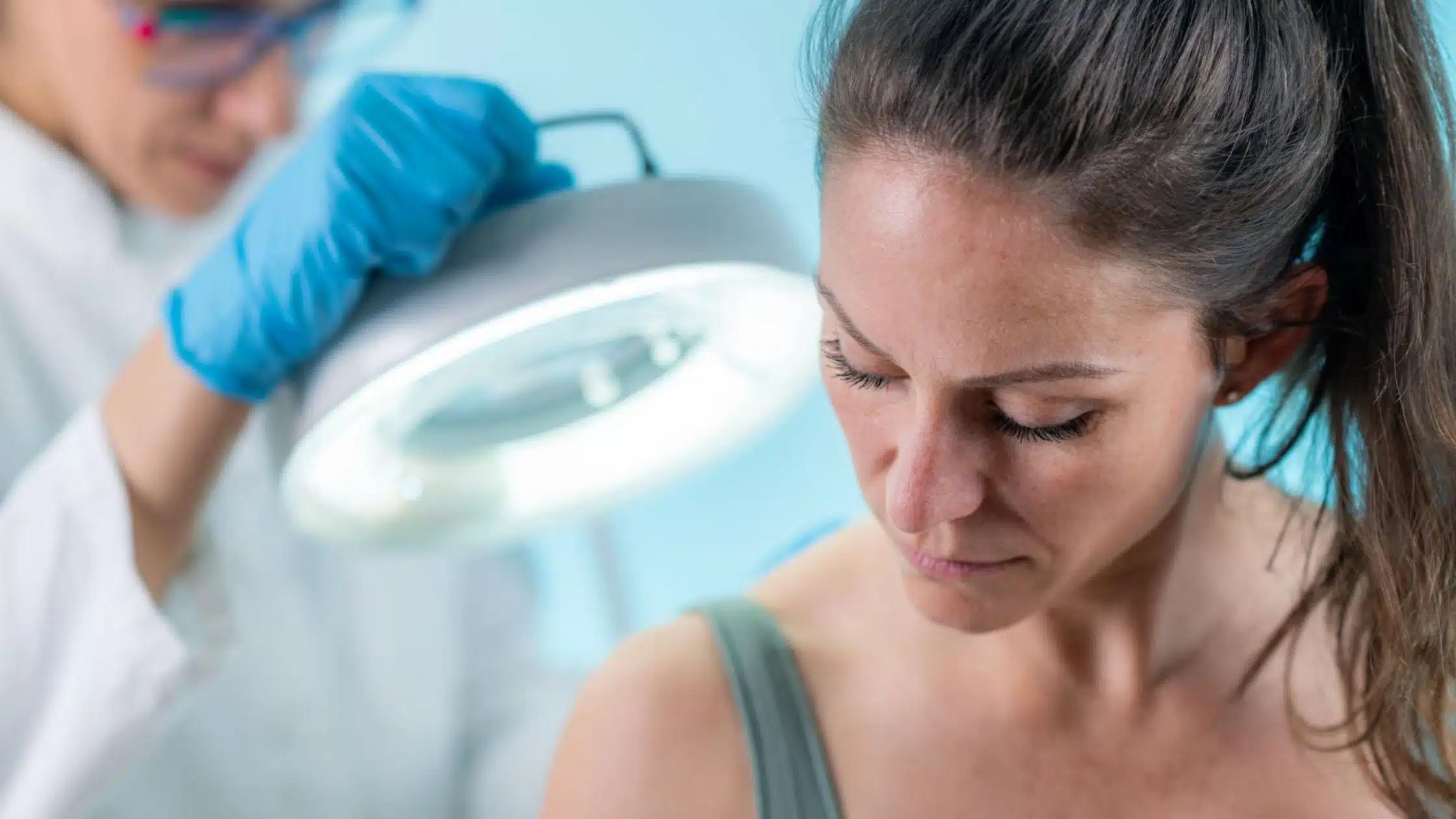
Have you recently noticed an itchy, bleeding or growing mole on your skin? If so, it is natural to feel concerned. While many moles remain harmless throughout life, changes such as itching, bleeding, enlargement, or alterations in colour and shape can sometimes indicate a more serious skin condition.
Australia has one of the highest rates of skin cancer in the world, making regular skin checks particularly important for residents of Canberra. Early detection of suspicious skin lesions significantly improves treatment outcomes and can help prevent more extensive procedures later.
In this guide, we’ll explain what an itchy, bleeding or growing mole may mean, when you should seek professional medical advice, and how a mole check clinic can help identify potential skin cancers early.
What Is a Mole?
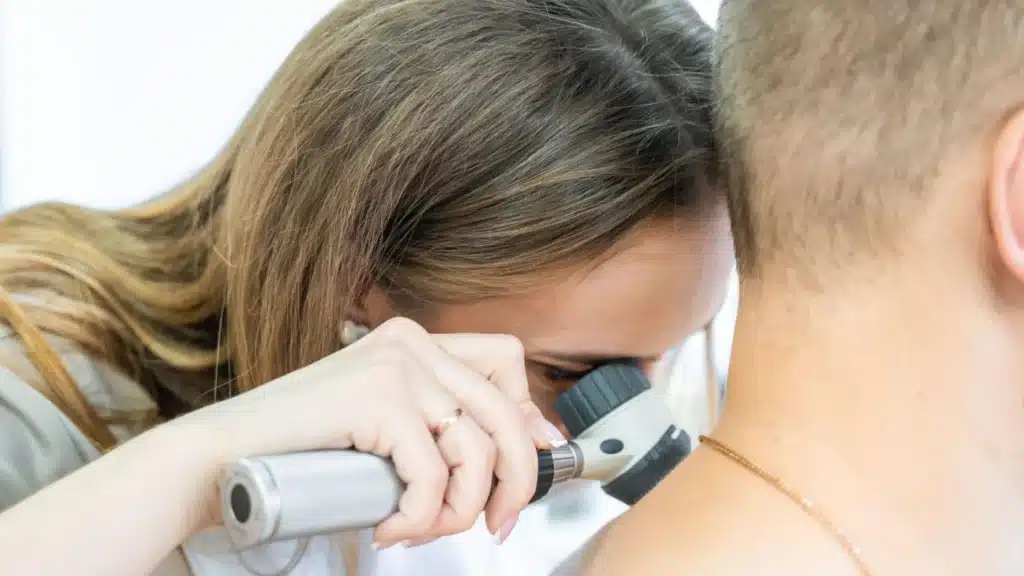
A mole, medically known as a nevus, is a common skin growth formed by clusters of pigment-producing cells called melanocytes.
Most people have between 10 and 40 moles on their body. They can appear:
- Flat or raised
- Brown, black, pink, or skin-coloured
- Round or oval-shaped
- Small or large
Most moles are completely harmless. However, some may develop abnormal changes over time, which is why monitoring your skin regularly is essential.
Why Do Moles Change?
Not every changing mole is cancerous. Several factors can cause a mole to change, including:
- Age: Moles naturally evolve throughout life. Some may fade while others become raised.
- Hormonal Changes: Pregnancy, puberty, and hormonal fluctuations can affect mole appearance.
- Friction and Irritation: Moles located where clothing rubs frequently may become irritated.
- Sun Exposure: Excessive UV exposure can trigger changes in skin cells and increase skin cancer risk.
- Skin Cancer Development: In some cases, mole changes may indicate melanoma or other forms of skin cancer. This is why any itchy, bleeding or growing mole deserves careful attention.
What Does an Itchy Mole Mean?
An itchy mole is not automatically dangerous, but persistent itching should never be ignored.
Common Causes of Mole Itching
- Dry Skin: Sometimes surrounding skin becomes dry and causes irritation around a mole.
- Allergic Reactions: Skincare products, soaps, or sunscreens can irritate sensitive skin.
- Friction: Repeated rubbing from clothing or jewellery may make a mole itchy.
- Inflammation: Minor skin irritation can temporarily affect a mole.
When Itching Becomes Concerning
Seek medical assessment if itching is accompanied by:
- Growth in size
- Colour changes
- Bleeding
- Crusting
- Pain
- Irregular borders
Persistent itching may be an early warning sign of melanoma or other skin cancers.
Why Is My Mole Bleeding?
A bleeding mole often causes significant concern, and rightly so.
Harmless Reasons for Bleeding
A mole may bleed after:
- Scratching
- Shaving
- Accidental injury
- Friction from clothing
In these situations, the cause is usually obvious.
Warning Signs
A mole that:
- Bleeds without injury
- Continues bleeding repeatedly
- Develops a crust
- Fails to heal
should be assessed by a medical professional promptly.
Repeated spontaneous bleeding can sometimes be associated with melanoma or squamous cell carcinoma.
Should You Worry About a Growing Mole?
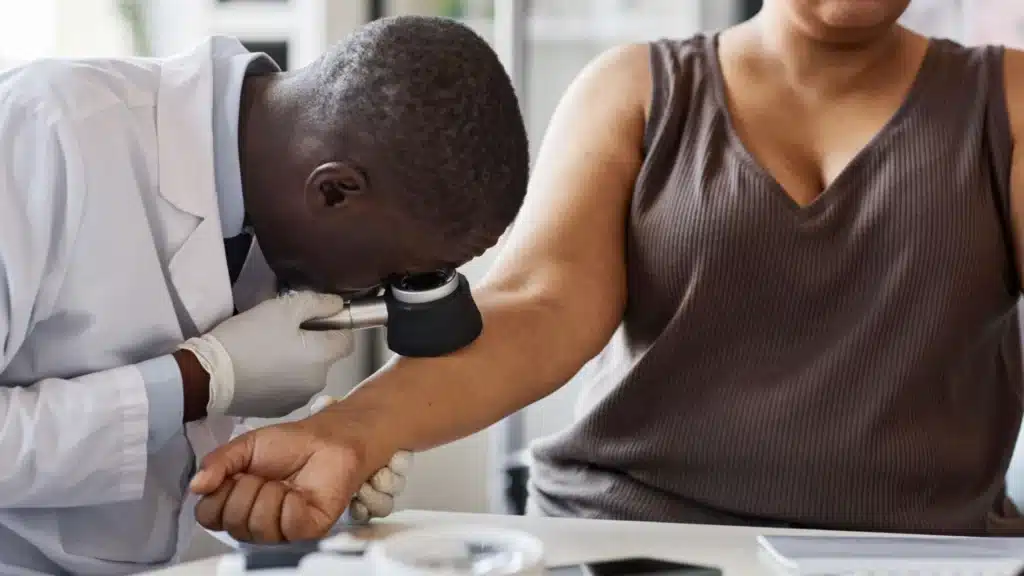
Growth is one of the most important warning signs to watch for.
Normal Mole Growth: Some moles may slowly enlarge during childhood and adolescence.
Abnormal Growth: A mole that begins enlarging during adulthood should be evaluated.
Particularly concerning features include:
- Rapid enlargement
- Raised appearance
- Irregular shape
- Uneven colour
- New symptoms such as itching or bleeding
If you notice a growing mole after age 30, it is wise to arrange a professional skin assessment.
Understanding the ABCDE Rule
The ABCDE rule is one of the most effective ways to identify suspicious moles.
A – Asymmetry
One half does not match the other.
B – Border
Edges appear irregular, ragged, or blurred.
C – Colour
Multiple colours appear within the same mole.
D – Diameter
Larger than 6 millimetres.
E – Evolving
Any change in:
- Size
- Shape
- Colour
- Texture
- Symptoms
An itchy, bleeding or growing mole falls under the “Evolving” category and should be checked.
The Ugly Duckling Sign
Another useful method is the “Ugly Duckling” concept.
Most moles on your body tend to look similar. A mole that stands out from the others may warrant closer examination.
Look for a mole that:
- Appears different from surrounding moles
- Changes more rapidly
- Develops symptoms such as itching or bleeding
Could an Itchy, Bleeding or Growing Mole Be Melanoma?
Melanoma is the most serious type of skin cancer.
It develops when pigment-producing cells become cancerous.
Early Melanoma Symptoms
Melanoma may present as:
- An itchy mole
- A bleeding mole
- A rapidly growing mole
- A changing pigmented lesion
- A new unusual skin spot
Risk Factors for Melanoma
Risk increases if you have:
- Fair skin
- Light eyes
- Numerous moles
- History of severe sunburns
- Family history of melanoma
- Significant sun exposure
Australia’s high UV levels make melanoma awareness particularly important.
Other Skin Cancers That May Mimic a Mole
Not every suspicious mole is melanoma.
Other skin cancers can also cause symptoms.
Basal Cell Carcinoma (BCC)
BCC may appear as:
- Pearly bump
- Pink patch
- Bleeding sore
- Non-healing lesion
Squamous Cell Carcinoma (SCC)
SCC may present as:
- Scaly patch
- Crusted growth
- Bleeding lesion
- Tender skin spot
These cancers often benefit from early diagnosis and treatment.
When Should You Visit a Mole Check Clinic?
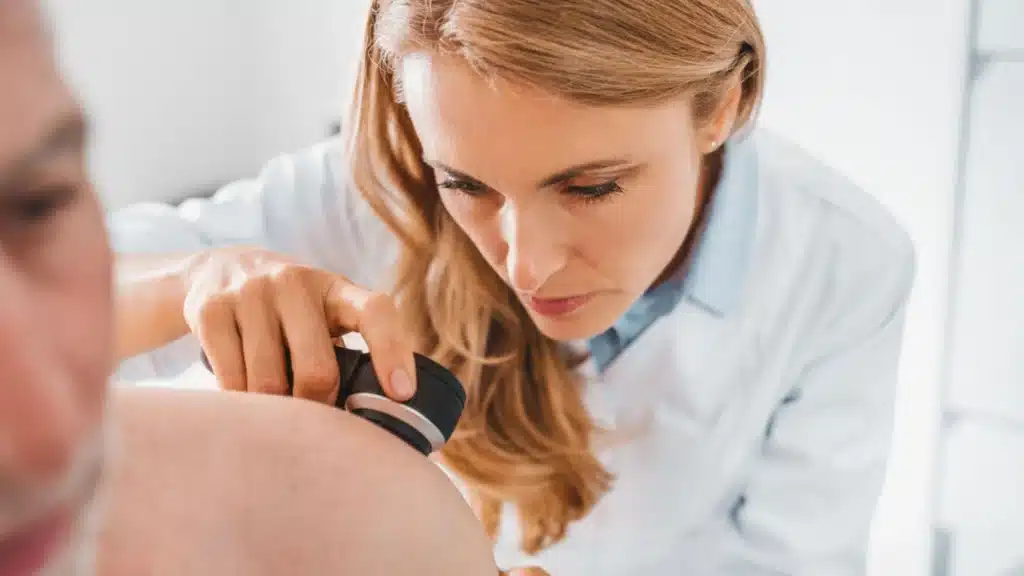
You should consider booking an appointment at a mole check clinic if you notice:
Immediate Warning Signs
- Bleeding without injury
- Rapid growth
- Persistent itching
- Colour changes
- New irregular mole
- Non-healing skin lesion
High-Risk Individuals
Regular skin checks are particularly important if you:
- Have many moles
- Spend significant time outdoors
- Have a personal history of skin cancer
- Have a family history of melanoma
A professional assessment can provide reassurance or facilitate early treatment if necessary.
What Happens During a Professional Mole Check?
Many people delay assessment because they are unsure what to expect.
At a mole check clinic, the process is generally simple and painless.
Medical History Review
Your doctor may ask about:
- Previous skin cancers
- Family history
- Sun exposure habits
- Recent skin changes
Full Skin Examination: The skin is carefully inspected from head to toe.
Dermoscopy: Special magnification equipment helps identify subtle features invisible to the naked eye.
Photography and Monitoring: Suspicious lesions may be photographed and monitored over time.
Biopsy if Needed: If a lesion appears concerning, a biopsy may be recommended.
Why Canberra Residents Should Prioritise Skin Checks
Canberra experiences high levels of ultraviolet radiation throughout much of the year.
Even during cooler months, UV exposure remains significant.
Regular skin checks are especially valuable because:
- Australia has high skin cancer rates
- Outdoor lifestyles increase UV exposure
- Early detection improves outcomes
- Many skin cancers are highly treatable when found early
This is why many residents choose a trusted skin cancer clinic Canberra provider for routine monitoring.
How Often Should You Check Your Moles?
Self-Checks
Most experts recommend monthly self-examinations.
Look for:
- New moles
- Changing moles
- Itchy spots
- Bleeding lesions
- Non-healing areas
Professional Checks
Frequency depends on individual risk.
Generally:
- Low risk: every 1–2 years
- Moderate risk: annually
- High risk: every 6–12 months
Your doctor can recommend an appropriate schedule.
Tips for Monitoring Moles at Home
Use Good Lighting: Inspect skin in bright natural light.
Take Photos: Photographs help track subtle changes over time.
Check Hard-to-See Areas:
Use mirrors or ask a family member to help examine:
- Back
- Scalp
- Behind ears
- Soles of feet
Record Changes:
Keep notes regarding:
- Size
- Colour
- Shape
- Symptoms
Documentation makes it easier to identify evolving lesions.
Can Skin Cancer Be Prevented?

While not all skin cancers are preventable, risk can be reduced.
Follow SunSmart Practices
- Wear protective clothing
- Use SPF 50+ sunscreen
- Wear sunglasses
- Seek shade
- Avoid peak UV periods
Avoid Tanning
Intentional tanning increases skin cancer risk.
Perform Regular Skin Checks
Early detection remains one of the most effective protective measures.
Frequently Asked Questions (FAQs)
Q1. Is an itchy mole always cancer?
No. Many itchy moles are caused by irritation, dry skin, or friction. However, persistent itching should be assessed if accompanied by other changes.
Q2. Can a mole bleed and still be harmless?
Yes. Injury from scratching or shaving may cause temporary bleeding. However, unexplained or repeated bleeding requires medical evaluation.
Q3. How quickly can melanoma grow?
Some melanomas develop slowly, while others grow rapidly over weeks or months.
Q5. Should I worry about a mole that is getting bigger?
Any mole that grows during adulthood should be professionally assessed.
Q6. Where can I find a mole check near me?
If you notice an itchy, bleeding or growing mole, booking an assessment at a reputable mole check clinic is the safest approach.
Choosing the Right Canberra Skin Cancer Clinic
When selecting a clinic, consider:
- Skin cancer expertise
- Dermoscopy technology
- Comprehensive skin checks
- Ongoing mole monitoring
- Patient-focused care
A reputable Canberra Skin Cancer Clinic can provide early diagnosis, treatment recommendations, and long-term skin monitoring.
Whether you are seeking a mole check near me, routine surveillance, or evaluation of a changing lesion, professional assessment is always preferable to waiting and hoping symptoms resolve.
Conclusion
An itchy, bleeding or growing mole does not automatically mean cancer, but it should never be ignored.
Changes such as:
- Persistent itching
- Spontaneous bleeding
- Rapid growth
- Colour changes
- Irregular borders
may indicate the need for professional evaluation.
Because Australia experiences some of the world’s highest skin cancer rates, early detection remains one of the most important steps in protecting your health.
If you notice a suspicious skin change, consider arranging an appointment with a trusted mole check clinic or skin cancer clinic Canberra provider. A professional assessment can provide reassurance, identify potential concerns early, and ensure that any necessary treatment begins as soon as possible.
| Canberra Skin Cancer Clinic- Green Way | Canberra Skin Cancer Clinic- Molonglo Valley |
| Phone: (02) 51046409 | Phone: (02) 51046409 |
| Email: reception@greenwaymedicalcentre.com.au | Email: reception@greenwaymedicalcentre.com.au |
| Address: Unit 6/175 Anketell Street, Greenway ACT 2900 | Address: 110 Woodberry Ave Coombs ACT 2611 |
| Website: https://canberraskincancerclinic.com.au/ | Website: https://canberraskincancerclinic.com.au/ |