
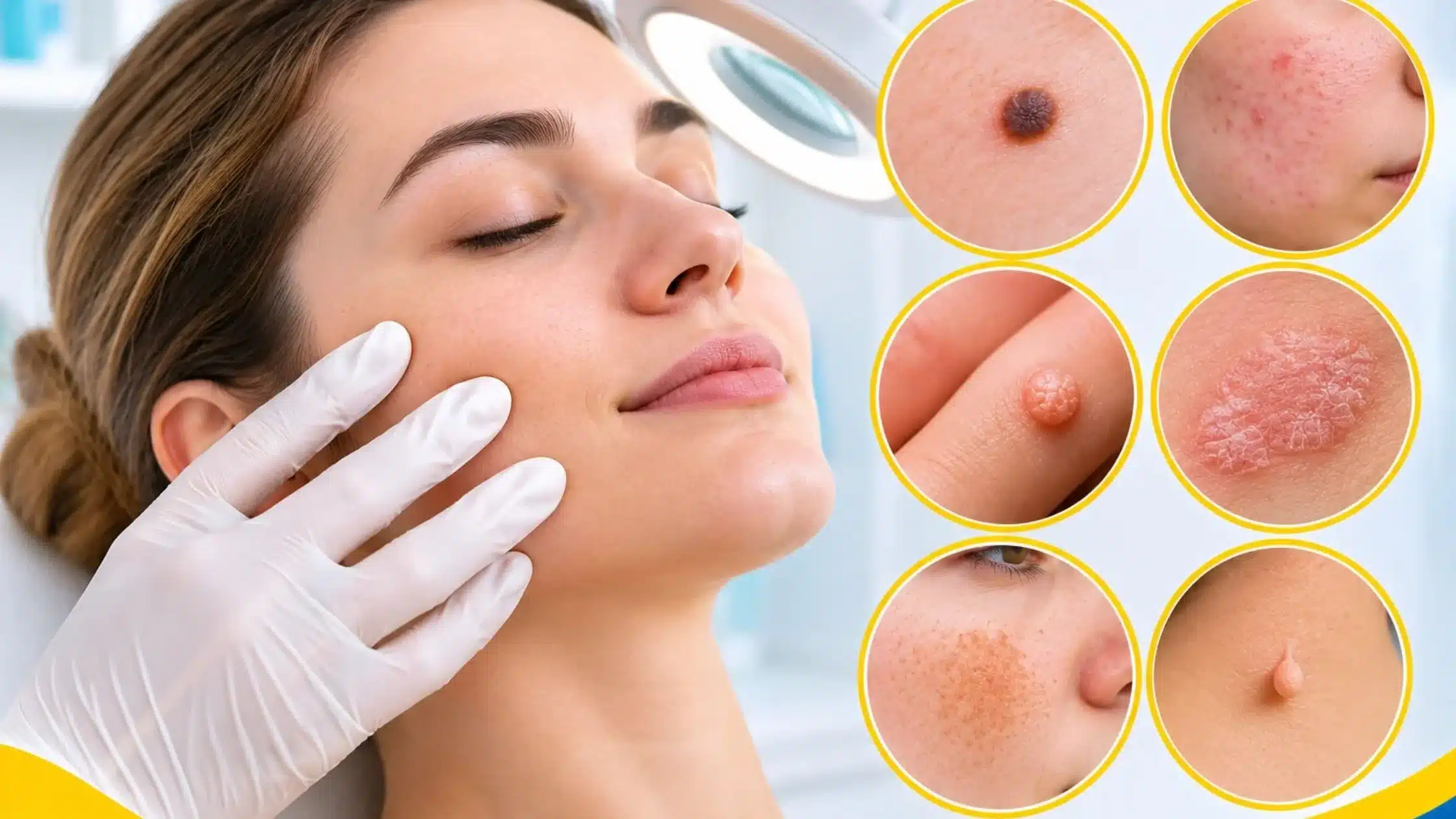
Sun exposure over many years can cause lasting changes to the skin, including rough patches, scaly lesions and areas of abnormal skin growth. One common condition associated with long-term ultraviolet (UV) exposure is actinic keratosis, also known as solar keratosis. Early identification and appropriate treatment are important because some actinic keratoses can develop into squamous cell carcinoma.
Diclofenac Gel Treatment in Canberra is one medical option for managing selected actinic keratoses. Diclofenac is a non-steroidal anti-inflammatory medication available in a specialised topical formulation. When applied to affected skin as prescribed, it may help reduce certain precancerous lesions without requiring a surgical procedure.
For people experiencing sun-damaged skin, understanding available treatment options can help them make informed decisions about their skin health. Diclofenac gel is not suitable for every lesion, and its effectiveness depends on the condition being treated and individual patient factors.
This guide explains how diclofenac gel works, its uses and benefits, possible side effects, treatment duration and other options for managing actinic keratoses in Canberra. You can also read our broader article on topical non-steroidal medications for sun-damaged skin.
Quick Summary
- Specialised diclofenac 3% gel is used for selected actinic keratoses
- Usually applied twice daily at home for about 60 to 90 days
- Local reactions are often milder than with some other topical treatments
- A professional diagnosis is essential before starting treatment
Understanding Actinic Keratosis and Solar Keratosis
Actinic keratosis is a common skin condition that develops after repeated exposure to ultraviolet radiation. It mainly affects areas of the body that receive regular sunlight. The condition is also known as solar keratosis, and both terms describe the same type of skin lesion.
UV radiation can damage the DNA within skin cells. Over time, this damage may cause abnormal cells to develop in the outer layers of the skin. Actinic keratoses commonly appear as:
- Rough or scaly patches
- Small, dry areas that feel like sandpaper
- Pink, red or skin-coloured spots
- Slightly raised lesions
- Persistent crusty areas
- Patches that occasionally itch or feel tender
Common locations include the face, scalp, ears, neck, forearms and backs of the hands. Some lesions are difficult to see but can be recognised by their rough texture. Others become more noticeable as they grow or change.
Why Do Actinic Keratoses Need Treatment?
Actinic keratoses are considered precancerous skin lesions because some can progress into squamous cell carcinoma (SCC). Not every lesion will become skin cancer. However, persistent or changing lesions should receive professional assessment.
Treatment aims to remove or manage abnormal cells and reduce the amount of visible sun-damaged tissue. A doctor may recommend topical medication, cryotherapy, curettage or another treatment depending on the appearance, thickness, location and number of lesions.
What Is Diclofenac Gel Treatment?
Diclofenac gel is a topical medication containing diclofenac sodium, which belongs to a group of medicines called non-steroidal anti-inflammatory drugs (NSAIDs). Although diclofenac is widely recognised for its anti-inflammatory properties, a specialised formulation is also used for certain actinic keratoses. DermNet describes it as a field treatment for this condition.
The formulation commonly studied for this purpose contains:
- Diclofenac sodium 3%
- Hyaluronic acid 2.5% as the gel vehicle
Hyaluronic acid helps provide the base in which the medication is delivered to the affected skin. Unlike ordinary anti-inflammatory gels used for muscle or joint pain, this specialised formulation is intended for specific skin conditions.
In Australia, diclofenac 3% gel products are listed for the management of actinic keratoses. For example, Dofidaz received Australian registration in March 2025. These products are prescription medicines, and patients should confirm the appropriate product and availability with their doctor or pharmacist.
How Does Diclofenac Gel Work?
The exact mechanism through which topical diclofenac improves actinic keratoses is not fully understood. However, researchers believe its effects may be associated with the inhibition of cyclooxygenase (COX) enzymes. These enzymes contribute to the production of prostaglandins, which are involved in inflammatory processes. By influencing these pathways, topical diclofenac may help reduce abnormal skin changes associated with actinic keratoses.
Its action differs from topical chemotherapy medications, which interfere with the growth and multiplication of abnormal cells. Diclofenac gel may help:
- Manage selected actinic keratoses
- Reduce the number of certain visible lesions
- Treat suitable areas of sun-damaged skin
- Provide a non-surgical treatment option
- Address selected lesions without physically removing the skin tissue
However, the treatment does not guarantee complete clearance. A follow-up examination is important to assess the response.
Main Uses of Diclofenac Gel for Actinic Keratosis
Diclofenac gel is primarily used for selected actinic keratoses. Its suitability depends on the type and severity of the lesions.
1. Treatment of Individual Actinic Keratoses
Some people develop one or a small number of actinic keratoses. These lesions may appear as persistent rough patches on the forehead, cheeks, ears, scalp or hands. For appropriate superficial lesions, diclofenac gel may be considered as a topical treatment. The doctor first examines the affected area to confirm that the lesion is suitable for medication.
2. Management of Multiple Solar Keratoses
Some patients develop several actinic keratoses across sun-exposed areas because of years of cumulative UV exposure. In selected cases, topical treatment may be used across an affected area rather than treating each lesion separately. This approach is sometimes called field-directed treatment. The doctor determines whether diclofenac is appropriate or whether another treatment would give a better result.
3. Management of Selected Sun-Damaged Areas
Long-term sun exposure can create areas of abnormal skin change known as field cancerisation. This means that both visible and less noticeable abnormal cells may be present across a larger area of sun-exposed skin. Diclofenac gel may be considered for certain cases of field cancerisation, particularly when the lesions are suitable for topical management.
Thicker, painful, bleeding or suspicious lesions require further assessment and may need a biopsy or a different treatment.
Benefits of Diclofenac Gel Treatment
Diclofenac gel offers several potential benefits for patients with selected actinic keratoses.
1. Non-Surgical Treatment Option
The medication is applied directly to the affected skin. It does not require an incision or surgical removal of the lesion. This may suit patients who have appropriate superficial lesions and prefer a topical treatment approach.
2. Treatment of Multiple Lesions
When clinically appropriate, diclofenac gel can be used across an affected area. This may be helpful for people with multiple actinic keratoses rather than a single isolated lesion.
3. Generally Milder Skin Reactions
Diclofenac gel is often associated with less intense local skin reactions than some alternative topical treatments, including 5-fluorouracil and imiquimod. This can make it a consideration for selected patients who prefer a generally milder inflammatory response. However, skin irritation and other reactions can still occur.
4. Convenient Application
Once prescribed, patients can generally apply the medication at home. The doctor provides instructions about the application area, quantity, frequency and treatment duration.
5. An Alternative to Other Topical Treatments
Different topical medications work through different mechanisms. Diclofenac may be considered when a doctor believes its expected benefits and side-effect profile are appropriate for the patient’s skin condition. It is important to understand that a milder reaction does not necessarily mean a more effective treatment.
Diclofenac Gel Treatment Process

The treatment process involves professional assessment, appropriate medication use and follow-up monitoring.
Step 1: Professional Skin Examination
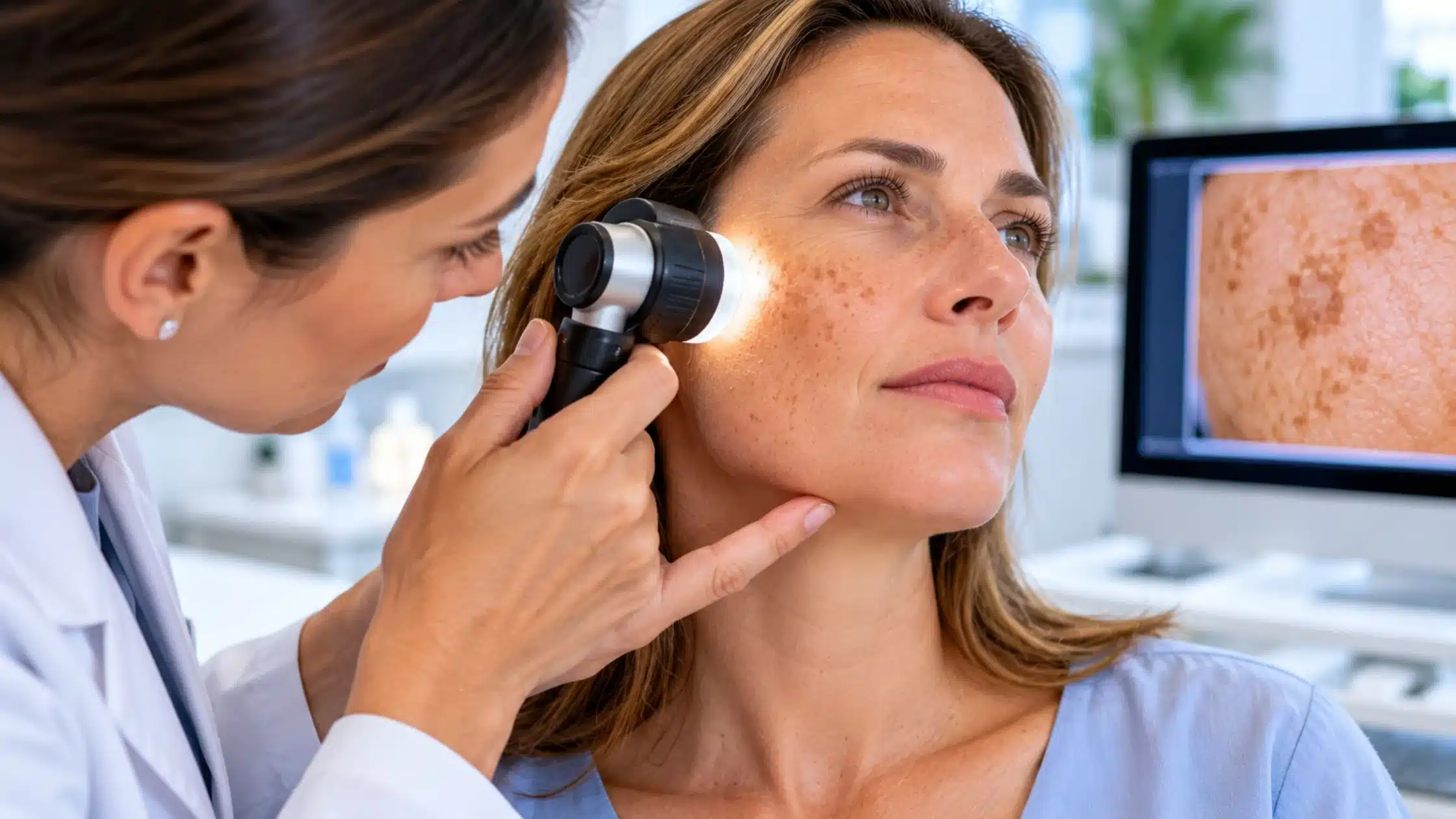
The doctor examines the affected skin to identify suspicious lesions. The examination may include dermoscopy, which allows the doctor to assess skin structures more closely. The doctor considers:
- Number of lesions
- Size and thickness
- Location of affected skin
- Previous skin cancer history
- Previous actinic keratosis treatments
- Current medications
- Relevant allergies and medical conditions
If a lesion appears suspicious for skin cancer, a biopsy may be recommended.
Step 2: Confirmation of Treatment Suitability
Once the diagnosis is established, the doctor determines whether diclofenac gel is an appropriate option. Some lesions may respond to topical treatment, while others may require cryotherapy, curettage or surgical management. Treatment selection should be based on the clinical findings rather than appearance alone.
Step 3: Applying Diclofenac Gel
The specialised diclofenac formulation is generally prescribed for application to the affected skin. For the commonly used 3% diclofenac sodium formulation, published prescribing information describes application twice daily. The amount depends on the size of the treatment area. Patients should:
- Apply the medication only to the prescribed areas
- Follow the doctor’s application instructions
- Avoid contact with the eyes and mucous membranes
- Wash their hands after application unless the hands are being treated
- Avoid applying additional products unless advised
- Follow the product-specific instructions
Do not use ordinary diclofenac pain-relief gel as a substitute for the specialised actinic keratosis formulation.
Step 4: Monitoring During Treatment
The treated skin should be monitored throughout the prescribed course. Some patients may experience mild redness, itching, dryness or irritation. The doctor may recommend a review if the skin reaction becomes uncomfortable or the lesions appear to worsen.
Step 5: Follow-Up Assessment
After treatment, the doctor examines the affected area to assess improvement. The full therapeutic response may take additional time to become visible. Lesions that remain, become thicker or continue changing should be reassessed, and a biopsy or alternative treatment may be required.
How Long Does Diclofenac Gel Treatment Take?
Diclofenac treatment generally requires a longer application period than some other topical treatments. For the specialised diclofenac sodium 3% formulation, the commonly studied schedule is twice-daily application for approximately 60 to 90 days, as outlined in DermNet’s treatment summary. The exact duration depends on the prescription and individual circumstances. Patients should not shorten or extend the treatment period without consulting their doctor.
The skin may continue to improve after the medication has been stopped. Published prescribing information notes that optimal results may not become apparent until around 30 days after completing treatment. A follow-up examination helps determine whether the lesions have cleared sufficiently.
Possible Side Effects of Diclofenac Gel
Like other prescription medications, diclofenac gel can cause side effects. Most commonly reported reactions are local and affect the treated skin. These may include:
- Itching
- Redness
- Dryness
- Skin rash
- Burning or stinging sensations
- Irritation
- Mild inflammation
The severity of these reactions varies between individuals.
Less Common but Important Reactions
Diclofenac is an NSAID, so patients should discuss relevant medical conditions and medication history with their doctor. Particular care is required for people with known diclofenac or NSAID allergies, a history of gastrointestinal ulcers or bleeding, or cardiovascular concerns. Although the medication is applied to the skin, some systemic absorption can occur. Pregnant or breastfeeding patients should also discuss treatment suitability with their healthcare professional.
Who May Be Suitable for Diclofenac Gel Treatment?
Diclofenac gel may be considered for adults with selected actinic keratoses. However, not everyone with sun-damaged skin will benefit from this treatment. The doctor may consider several factors.
| Factor | What the Doctor Considers |
|---|---|
| Lesion thickness | Superficial lesions may be more suitable than thick or raised lesions |
| Number of lesions | The number and distribution of lesions can influence the treatment approach |
| Skin location | Some body areas may respond differently to treatment or require alternative procedures |
| Medical history | Allergies, existing health conditions and previous skin cancer treatments may influence suitability |
| Previous treatment response | The effectiveness of earlier treatments can help guide future decisions |
| Patient preference | Treatment duration, application requirements and possible side effects may also be considered |
A professional diagnosis is essential before starting diclofenac gel. If you are concerned about rough patches or changing spots, a skin cancer specialist can examine your skin and discuss suitable treatment options in Canberra.
Book a Skin Cancer Check in Canberra
Book an appointment with Canberra Skin Cancer Clinic to have sun-damaged skin or suspicious lesions assessed and discuss suitable treatment options.
| Canberra Skin Cancer Clinic – Green Way | Canberra Skin Cancer Clinic – Molonglo Valley |
|---|---|
| Phone: (02) 51046409 | Phone: (02) 51046409 |
| Email: reception@greenwaymedicalcentre.com.au | Email: reception@greenwaymedicalcentre.com.au |
| Address: Unit 6/175 Anketell Street, Greenway ACT 2900 | Address: 110 Woodberry Ave Coombs ACT 2611 |
| Website: https://canberraskincancerclinic.com.au/ | Website: https://canberraskincancerclinic.com.au/ |