

Skin cancer is one of the most common cancers in Australia, and Canberra residents face high levels of UV exposure throughout the year. Despite this, many adults are unsure whether they need regular skin checks or if they should only visit a doctor when they notice a problem.
Searching for a mole check near me often happens only after a visible change appears. However, by that stage, some skin cancers may already have progressed. This raises an important question: should adults get annual mole checks even if their skin looks normal?
This article explains why regular skin checks matter, who needs them most, how often they should be done, and how they contribute to early detection and effective treatment.
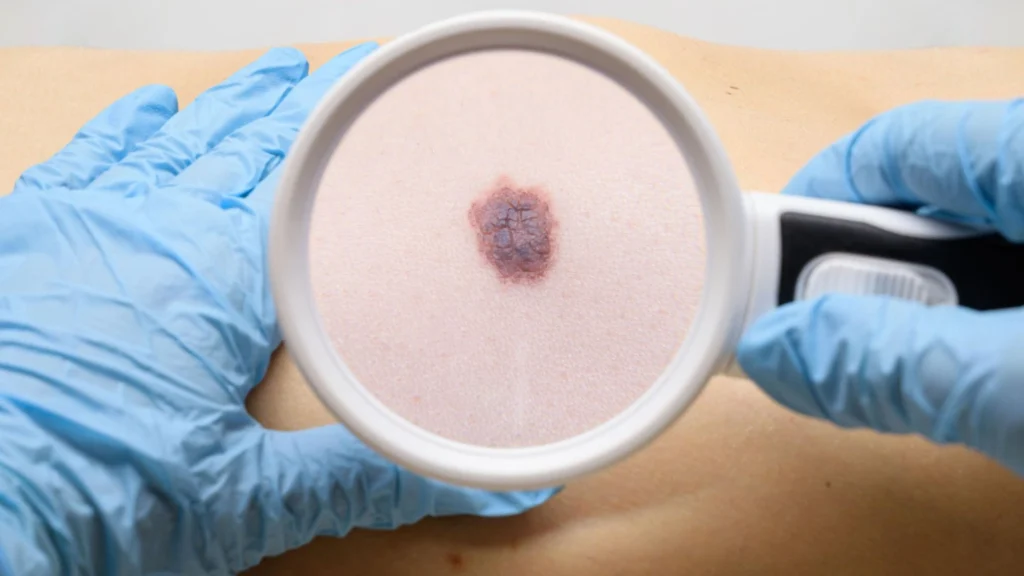
Why Regular Mole Checks Matter for Adults
Skin Cancer Often Develops Without Warning
A major problem with skin cancer is that it may go unnoticed. Most of the skin cancers at an early stage do not produce pain, itching or discomfort. This implies that the symptom waiting method is not a good method.
Key Points:
- Skin cancer can present in its early stages as innocuous.
- The transformations may be slight and gradual.
- Suffering is not a characteristic initial indication.
- The most common is visual differences.
These minor changes can be identified in time by regular check-ups to prevent serious problems.
Australia’s High UV Exposure Risk
Skin cancer is very high in Australia. The climatic conditions in Canberra coupled with outdoor lifestyles are some of the factors that expose people to dangerous UV radiations.
Risk Factors:
- Bright sunshine all the year round.
- Outdoor tasks or activities.
- Surface reflections such as water and concrete.
- Irradiant use of sun protection.
Due to these reasons, routine skin surveillance is particularly crucial in the adult population in Canberra.
What Is an Annual Mole Check?
Understanding the Process
A professional skin check is an annual mole check, an examination of the skin by a professional. It is a procedure of examining all your body skin to determine suspicious moles or lesions.
During a Check:
- A physician looks at your skin and all over.
- A dermatoscope can be closer with the help of a dermatoscope.
- Moles that are suspicious are observed or photographed.
- Recommendations on follow-up are given.
It is a fast yet comprehensive process usually taking 15-30 minutes.
Why Once a Year?
An annual check will offer a regular schedule to track the changes. It enables physicians to monitor your skin and identify any slight changes.
Benefits of Annual Checks:
- Develop a foundation with your skin.
- Helps monitor the changes in mole with time.
- Early detection of new moles.
- Lessens the risk of late diagnosis.
To a significant number of adults, the annual check is the correct balance between monitoring and convenience.
Who Should Get Annual Mole Checks?
Adults with an Average Risk
Widespread checking can help even those adults who do not have the apparent risk factors.
You Should Consider Annual Checks If:
- You are over 30
- You play out in the air.
- Thou hast a little mole.
- You have experienced sunburn in the past
- You reside in high UV places such as Canberra.
Frequent screening can be used to identify early cases, including those with low risk.
Adults are at Higher Risk
Others ought to be more active concerning their skin checks.
At Risk Groups:
- Fair-skinned people.
- Patients who have numerous moles.
- Individuals having uneven or large moles.
- Family history of skin cancer.
- Prior skin cancer.
- Outdoor workers
- Frequent sun exposure
More frequent checks or other monitoring techniques could be beneficial to these individuals.
Role of Mole Mapping in Annual Checks
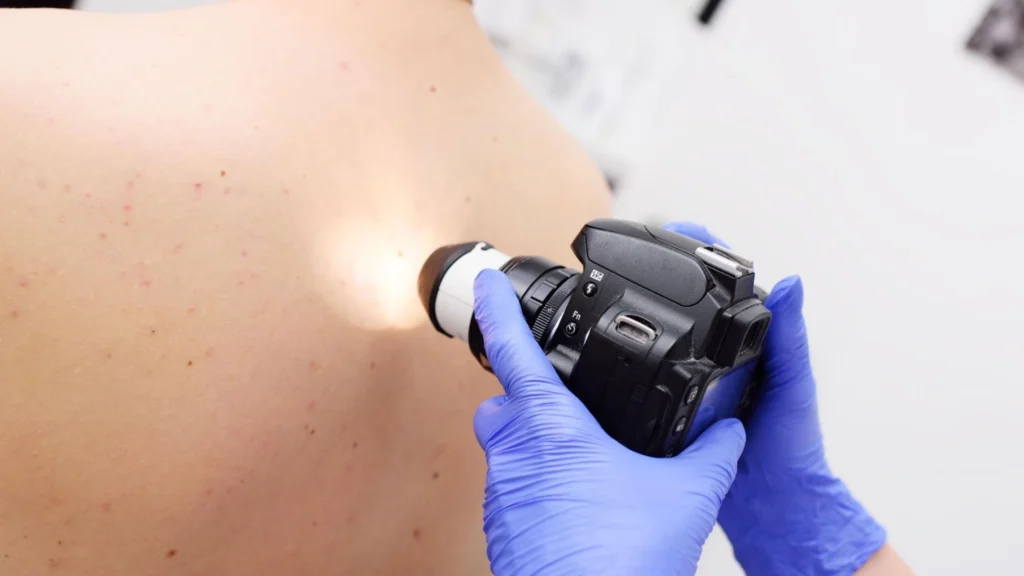
What Is Mole Mapping?
mole mapping Canberra clinics also provide sophisticated imaging which is used to trace the moles over time. It consists of making close-up shots of your skin and comparing them on your subsequent visits.
Advantages:
- Detects very small changes
- Monitors newer and older moles.
- Gives visual documentation to compare.
- Enhances the accuracy of early detection.
When Is Mole Mapping Recommended?
Mole mapping is especially recommended in cases of:
- Individuals having numerous moles.
- People who have abnormal moles.
- High-risk patients
- Individuals desiring a close follow-up.
Annual checks are usually used in conjunction with it.
What Happens If You Skip Annual Checks?
Risks of Delayed Detection
Failure to have a regular skin check can result in late diagnosis. Skin cancer that is not found early can develop and proliferate.
Potential Consequences:
- More complex treatment
- Increased health risks
- Longer recovery time
- Higher medical costs
These risks can be minimized best by being detected early.
Early Detection and Treatment Outcomes
Why Timing Is Critical
Early detection of skin cancer is normally easy and very effective to treat.
Early Treatment Benefits:
- Minor procedures
- Less invasive surgery
- Faster healing
- Minimal scarring
- Better long-term outcomes
Waiting too long can result in more aggressive treatments.
Treatment Options
In early stages, the treatment can involve:
- Surgical removal
- Cryotherapy
- Topical treatments
- Monitoring
Numerous treatment interventions in early stages are fast and efficient.
Signs You Should Not Ignore Between Annual Checks
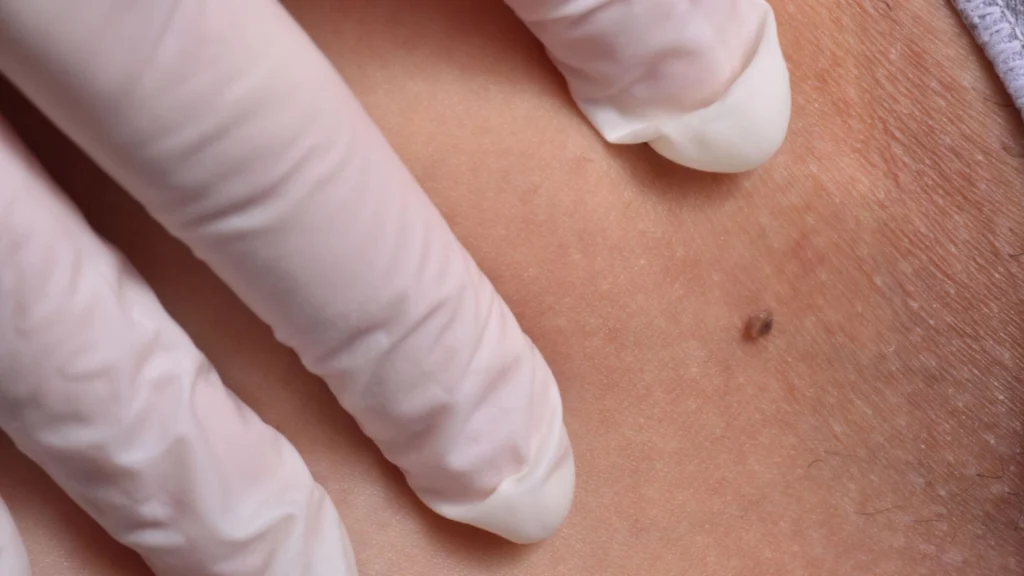
Monitor Your Skin Regularly
With annual examinations, it is valuable to observe between appointments.
Warning Signs:
- New moles appearing
- Variations of size or form.
- Uneven borders
- Several colours within a mole.
- Bleeding or crusting
- An unusual-looking mole.
When you find any of them, find a mole check near me and make a reservation.
How to Perform a Skin Self-Check
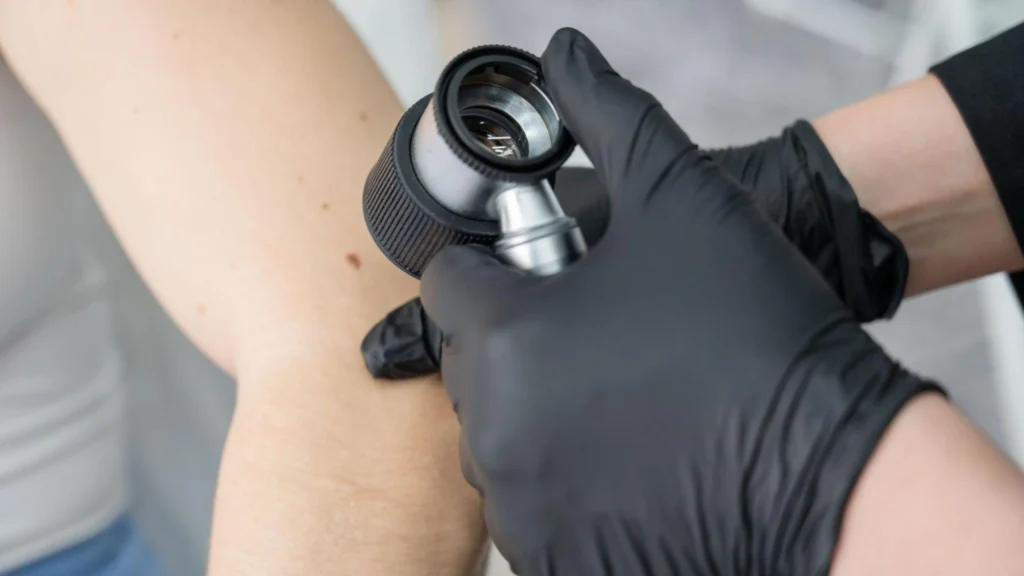
Monthly Self-Examination
Self-examination of your skin at least once a month enables you to spot changes at an early stage.
Steps:
- Take an appropriate mirror with a lot of light.
- Examine all places such as the head and back.
- Between fingers and toes look.
- Take pictures to monitor.
- Compare the quantity of moles with time.
Consistency enhances your sense of seeing minor changes.
Choosing a Clinic for Your Annual Check
What to Look For
In choosing a mole check clinic, look at:
- Experienced doctors
- Use of dermatoscopy
- Access to mole mapping canberra
- Positive patient feedback
- Convenient location
Many people look for the best skin cancer clinic near me to ensure quality care.
Preventing Skin Cancer in Daily Life
Sun Protection Habits
By minimizing UV exposure, you can reduce the chance of getting skin cancer.
Practical Tips:
- Use sunscreen of SPF 50 every day.
- Wear protective clothing
- Wear hats and sunglasses.
- Shun sunny hours.
- Re-apply sunscreen after every 2 hours.
Prevention and early detection go hand in hand.
Are Annual Checks Enough for Everyone?
Individual Risk Matters
Annual check-ups are enough with several adults but certain ones may require more frequent check-ups.
Frequency Guidelines:
- Low risk: Every 1-2 years.
- Medium risk: Once a year.
- High risk: Once every 6-12 months.
Depending on your skin history and type, your physician can prescribe a schedule.
Conclusion
An easy yet effective method of safeguarding your skin is annual mole check. In the majority of cases, an annual test is sufficient to monitor any changes and minimize the threat of serious skin disorders in adults. However, individual risk factors should always be considered. You might be either in the low or high risk category, but it is important to keep an eye on your skin and have regular checkups. In the event that you observe any unusual changes, a search of the mole check near me and consultation with the professionals can make a big difference in the results of early detection and treatment.
Frequently Asked Questions (FAQs)
Q1. Do all adults need annual mole checks?
Not all adults need yearly checks, but it is recommended for most people, especially in Australia. Factors like sun exposure, skin type, and number of moles influence the need. Annual checks are a safe and effective way to monitor skin health and detect early changes before they become serious.
Q2. How long does an annual mole check take?
A typical mole check takes around 15 to 30 minutes. The duration depends on the number of moles and whether a full-body examination is performed. If additional procedures like mole mapping or biopsy are needed, the appointment may take longer.
Q3. Is mole mapping necessary every year?
Mole mapping is not required for everyone every year. It is most beneficial for people with many or unusual moles or those at higher risk of skin cancer. Your doctor can recommend whether mole mapping should be part of your regular skin check routine.
Q4. What happens if a suspicious mole is found?
If a suspicious mole is identified, the doctor may recommend monitoring, photographing, or removing it for further testing. Early detection allows for simple treatment and reduces the risk of complications. Most procedures are quick and performed under local anaesthesia.
Q5. Can I rely on self-checks instead of annual skin checks?
Self-checks are important but should not replace professional examinations. Doctors use specialised tools and experience to detect subtle changes that may not be visible at home. Combining self-checks with annual visits provides the best protection against skin cancer.
Ready for Your Mole Check Near Me?
Book your mole check near me today and get a fast, professional skin examination to detect early signs of skin cancer and protect your health.
| Canberra Skin Cancer Clinic- Green Way | Canberra Skin Cancer Clinic- Molonglo Valley |
| Phone: (02) 6100 9956 | Phone: (02) 5110 3155 |
| Email: reception@greenwaymedicalcentre.com.au | Email: reception@greenwaymedicalcentre.com.au |
| Address: Unit 6/175 Anketell Street, Greenway ACT 2900 | Address: 110 Woodberry Ave Coombs ACT 2611 |
| Website: https://canberraskincancerclinic.com.au/ | Website: https://canberraskincancerclinic.com.au/ |