Skin cancer is one of the most common cancers in Australia, and Canberra is no exception. With high UV exposure levels throughout the year, residents face an increased risk of developing various forms of skin cancer. The good news is that early detection and modern medical care have made treatment highly effective—especially when managed through a qualified skin cancer clinic Canberra. This guide walks you through the complete journey—from recognising early warning signs to diagnosis, treatment options, and recovery. Whether you are actively searching for skin cancer treatment near me or simply want to stay informed, this article provides a clear, practical roadmap.
Understanding Skin Cancer in Canberra
Why Skin Cancer Is Common in Canberra

In Canberra, the levels of ultraviolet (UV) radiation are high especially in summer. The UV can even damage the skin even during cooler or rainy days.
There are several causes of increased risk:
- Low UV index all year round.
- Outdoor lifestyle habits
- Types of fair skin typical of the residents.
- Late or frequent skin examinations.
Due to the silent nature of skin cancer, routine observation of the skin in a Canberra skin cancer clinic would be critical.
Types of Skin Cancer
The knowledge of the various types assists in early identification of symptoms and selection of treatment.
Basal Cell Carcinoma (BCC)
- Most common type
- Slowly-growing and seldom diffuses.
- Looks like white bumps or pink spots.
Squamous Cell carcinoma (SCC)
- Can grow faster than BCC.
- May can be scaly or crust lesions.
- Needs early treatment to avoid infection.
Melanoma
- Less common but more dangerous
- May spread quickly without treatment.
- Frequently arises as a result of changing moles.
Every kind needs a specific solution by a skilled skin cancer surgeon Canberra.
Early Signs and Symptoms to Watch
The Challenge of Silent Skin Cancer
It is a common belief that cancer is painful or uncomfortable. But, very frequent skin cancer has no symptoms in their initial stages.
You ought to observe:
- New moles or growths.
- Variations in size, shape or colour.
- Non-healing sores
- Blood or scaly wounds.
The initial and only (or sometimes only) warning signs are visual changes.
The ABCDE Rule for Moles
One of the most useful ways to determine moles:
- A – Asymmetry: One half is not the other.
- B – Border: Abnormal or indistinct edges.
- C – Colour: Inequalities of colour.
- D – Diameter: more than 6mm.
- E – Evolving: The change through time.
In case of any of these, be seen in a skin cancer clinic Canberra as soon as possible.
Diagnosis: What to Expect

Initial Skin Examination
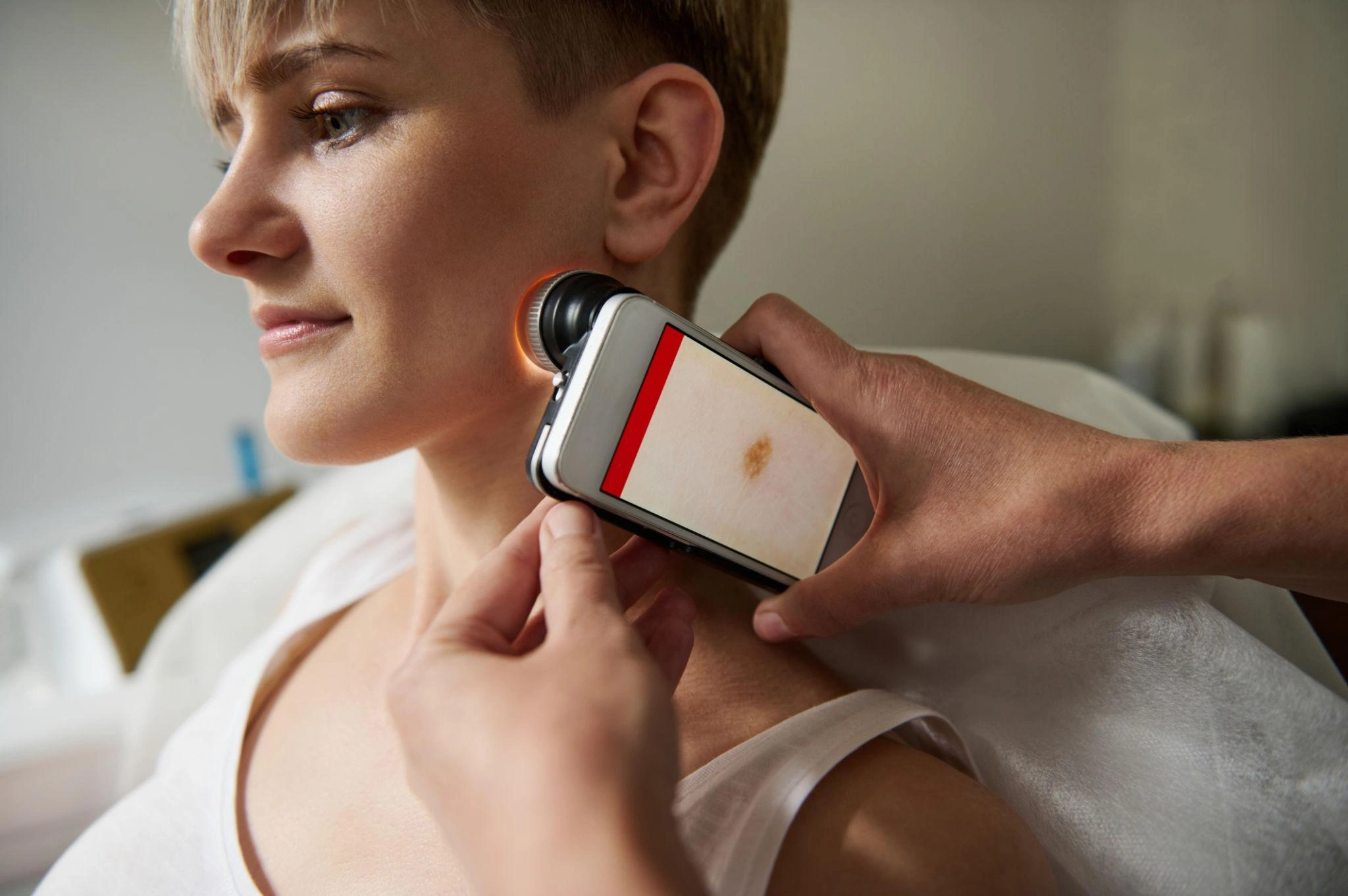
A professional skin check is the first step in diagnosis. At a Canberra skin cancer clinic, doctors use specialised tools like dermatoscopes to examine lesions in detail.
The process is quick, non-invasive, and typically takes 15–30 minutes.
Biopsy Procedure
In case of an identified suspicious lesion, a biopsy might be necessary.
Types of Biopsies
- Shave biopsy: Scrapes off surface layers.
- Punch biopsy: Removes a small piece of tissue.
- Excisional biopsy: Removes the whole lesion.
A sample then goes to a laboratory to determine the presence of cancer.
Diagnosis Timeline
Results usually take a few days to a week. After confirmation, your skin cancer doctor Canberra will find out ways of treating you depending on your condition.
Skin Cancer Treatment Options in Canberra
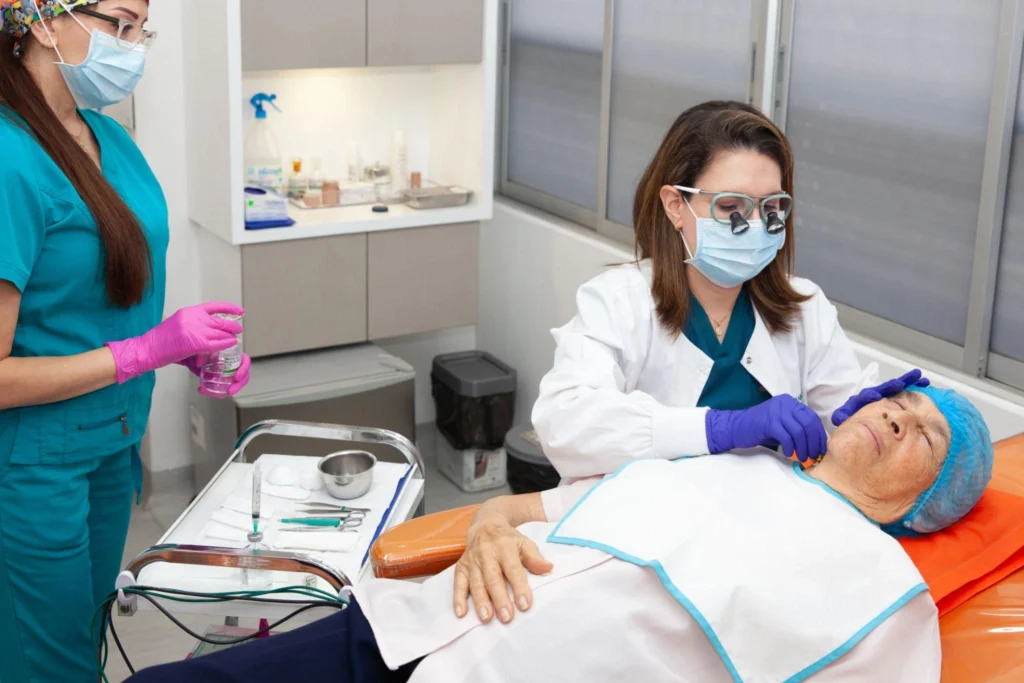
The approach to treatment is dependent on a number of factors:
- Type of skin cancer
- Size and location
- Stage of progression
- Patient’s overall health
We will delve into the most frequent ones.
Surgical Treatments
Excision Surgery
- This is among the most prevalent therapies.
- The cancerous tissue is excised together with an area of healthy skin.
- Carried out as local anaesthetic surgery.
- Great survival of early-stage cancers.
Mohs Surgery
- Layer-by-layer removal of cancer
- Individual layers are analyzed using a microscope.
- Saves as much healthy tissue as possible.
- Frequently used in cancers of delicate parts, such as the face.
Non-Surgical Treatments
Cryotherapy
- Freezes cancer cells using liquid nitrogen.
- Rapid with minimum invasiveness.
- Applicable to shallow lesions.
Topical Treatments
- Creams applied on the skin.
- Indicated to be used in early-stage or pre-cancerous lesions.
- Needs a consistent implementation in weeks.
Photodynamic Therapy (PDT)
- Combines light and photosensitising agents
- Targets abnormal cells
- Works on some superficial cancers.
Advanced Treatments
Radiation Therapy
- Applied in cases where surgery is inappropriate.
- Kills cancer cells using the high-energy rays.
- Commonly applied to the elderly or hard to reach areas.
Immunotherapy
- Boosts the body’s immune system
- Applied to treat advanced melanoma.
- To be used under the supervision of a specialist.
Choosing the Right Skin Cancer Clinic in Canberra
What to Look For
The choice of clinic significantly contributes to effective treatment.
Consider:
- Experience of doctors
- Accessibility of sophisticated diagnostic equipment.
- Range of treatment options
- Reviews and reputation of the patients.
A reputable Canberra skin cancer clinic will take you through all the steps in a clear and considerate manner.
Importance of Specialist Care
A trained skin cancer specialist Canberra is someone who is experienced in:
- Accurate diagnosis
- Minimising scarring
- Selecting optimal treatment
- Monitoring recovery
This ensures both medical effectiveness and cosmetic outcomes.
Recovery of Skin Cancer Treatment
What Happens After Treatment
Depending on the type of treatment, recovery is different.
After Surgery
- A light swelling or pain.
- Sutures might be necessary.
- Healing takes 1–3 weeks
After Non-Surgical Treatments
- Redness or irritation
- Slowly recuperating.
- Minimal downtime
Wound Care Tips
The appropriate treatment promotes quicker recovery.
- Wash and dry up the area.
- Follow dressing instructions
- Avoid sun exposure
- Use prescribed medications
Your skin cancer doctor Canberra will give comprehensive aftercare instructions.
Managing Scars
While some scarring is inevitable, it can be minimised.
Tips include:
- Using silicone gels
- Avoiding sun exposure
- Light massaging following the healing process.
Contemporary methods are meant to minimize noticeable effects.
Preventing Future Skin Cancer
Sun Protection Strategies
The cure is as well as prevention.
Key habits:
- Apply SPF 30+ sunscreen everyday.
- Wear protective clothing
- Avoid peak UV hours
- Wear sunglasses and hats.
It is crucial when it comes to consistency, particularly with the climate in Canberra.
Routine Skin Examinations
Regular check-ups aid in the early detection of problems.
- Self-checks every month
- Professional checks annually
- Increased frequency in case of high-risk.
Early cancer treatment search skin cancer near me can result in faster diagnosis and improved outcomes.
Emotional and Psychological Impact
Coping with Diagnosis
The diagnosis of skin cancer may be stressful. Even when treatable, it may cause anxiety.
Common reactions include:
- Fear of recurrence
- Concern about appearance
- Uncertainty about treatment
Support Systems
With support, it can make a difference.
- Family and friends
- Medical professionals
- Support groups
Being open with your care team can help to deal with physical and emotional recovery.
Canberra Cost and Accessibility
Treatment Costs
Prices differ according to:
- Type of procedure
- Clinic facilities
- Follow-up care
Medicare may partially cover some of the services.
Accessibility
Canberra has access to well equipped clinics and professionals. Early booking guarantees an early diagnosis and treatment.
When to Seek Immediate Medical Attention
Consultation should not be postponed in case you observe:
- Rapidly changing moles
- Persistent sores
- Bleeding lesions
- Painful skin growths
Fast response enhances the success levels of the treatment.
Conclusion
Skin cancer is a severe but very treatable disease in case it is identified at an early stage. Most patients in Canberra have access to advanced medical care and experienced professionals, which makes it possible to provide them with successful treatment.
Each step is vital in the diagnosis to recovery process. Early skin examinations, knowledge of symptoms and early appointment with a skin cancer specialist Canberra can save the difference. You have been overdue on your check but now it is time to pay. Be it to find skin cancer treatment near me, or to focus on your health, the best thing to do is to catch it early on.
FAQs
Q1. What can I do to know whether I should be treated or not?
When you observe changes on a mole like irregular edges, colour difference or enlargement, then you should seek medical consultation. Lesions that are painless or symptom-free can also be cancerous. Professional skin check at a skin cancer clinic Canberra can help to identify the need to proceed with further treatment and help to determine the next steps.
Q2. Does the treatment of skin cancer hurt?
The majority of treatments will be low in discomfort. Surgeries such as excision are done under local anaesthesia and hence you will not experience pain during the surgery. It can also result in some mild soreness or irritation which can be managed usually following medication and appropriate care as recommended by your Canberra skin cancer doctor.
Q3. How long does recovery take after treatment?
The time of recovery varies according to the treatment. The small operations can be cured in a period of one to two weeks and the more complicated surgeries require more time. Adherence to aftercare guidelines can accelerate recovery and minimize complications, which make the recovery process easier.
Q4. Is it possible to have skin cancer recurrence?
Yes, there is a possibility of recurrence, especially if you have had skin cancer before. Follow-up appointments and frequent skin examinations should be regular. Any new or recurring lesions should be detected early and this greatly enhances the chances of the lesion being treated successfully.
Q5. How frequently would I have my skin checked in Canberra?
An annual skin check is suggested to the majority of people. But people who have risk factors like fair skin, sunburn history or skin cancer history might require more frequent visits. A skin cancer clinic in Canberra can offer you an individual program according to your risk status.
Ready for Your Mole Check Near Me?
Don’t wait—book your mole check near you today for a thorough skin examination and early detection of potential skin cancer risks.
| Canberra Skin Cancer Clinic- Green Way | Canberra Skin Cancer Clinic- Molonglo Valley |
| Phone: (02) 6100 9956 | Phone: (02) 5110 3155 |
| Email: reception@greenwaymedicalcentre.com.au | Email: reception@greenwaymedicalcentre.com.au |
| Address: Unit 6/175 Anketell Street, Greenway ACT 2900 | Address: 110 Woodberry Ave Coombs ACT 2611 |
| Website: https://canberraskincancerclinic.com.au/ | Website: https://canberraskincancerclinic.com.au/ |