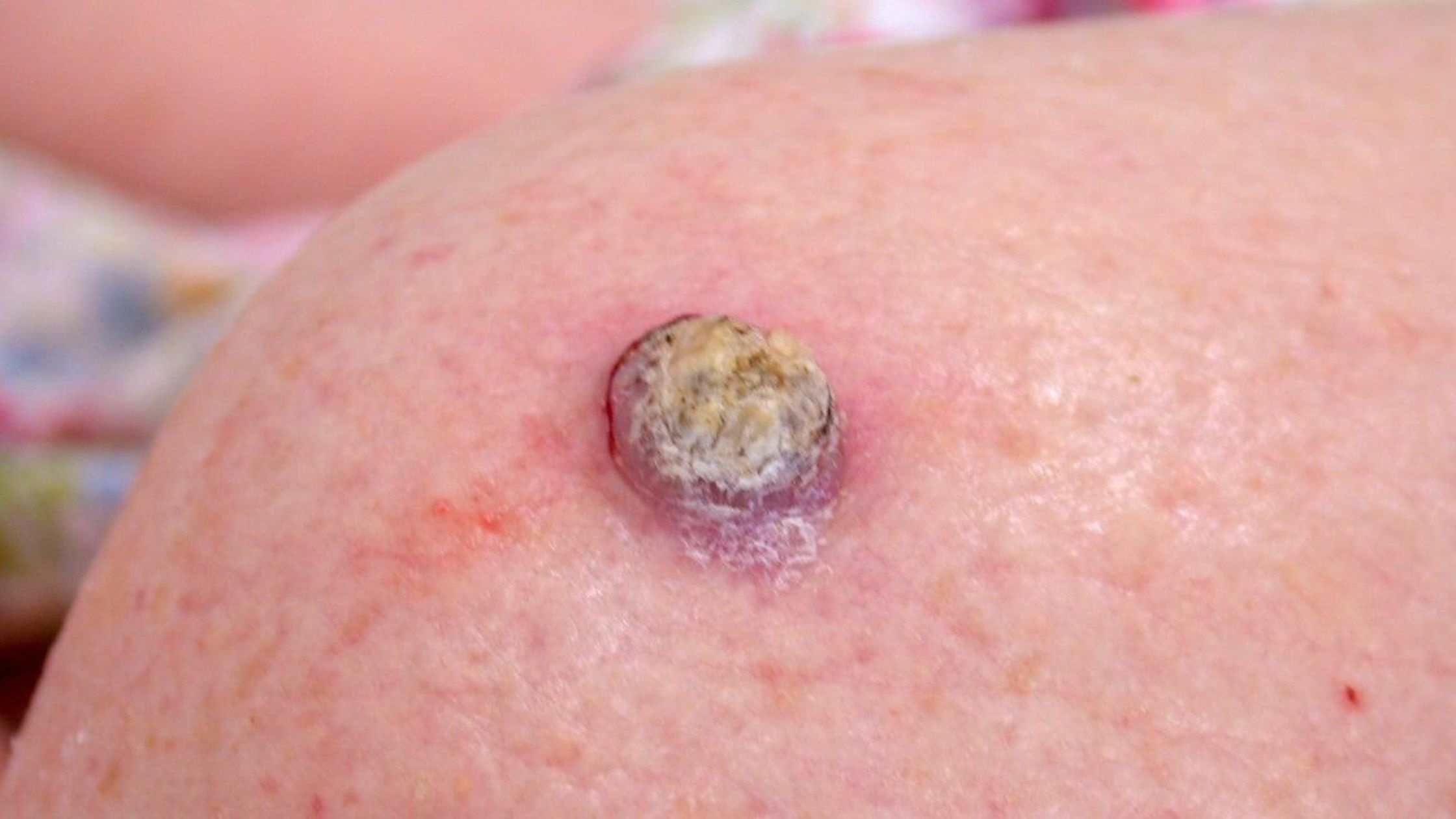
Squamous cell carcinoma (SCC) is a type of skin cancer that is very common in Australia. Although it can be treated, typically, (most often when detected early), it can be more severe when it is not treated. The situation in Canberra, where UV exposure is high, awareness of the treatment of squamous cell skin cancer is critical to provide timely care and achieve improved results. This guide describes the treatment of SCC in various stages, the expectations to encounter during treatment and diagnosis, and how to minimize your risk. It is authored to enable patients make informed choices when visiting canberra skin cancer clinic.
What Is Squamous Cell Skin Cancer?
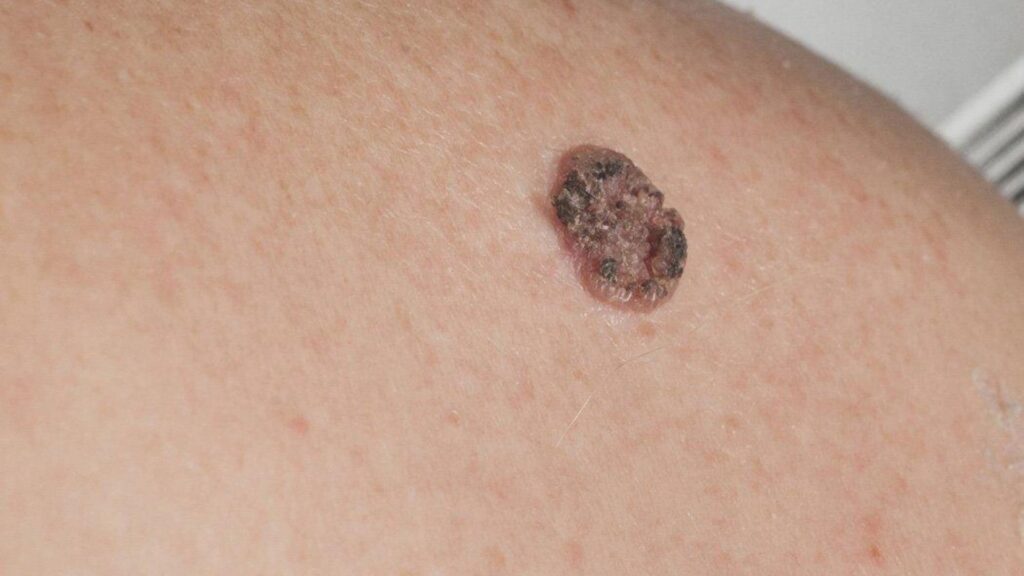
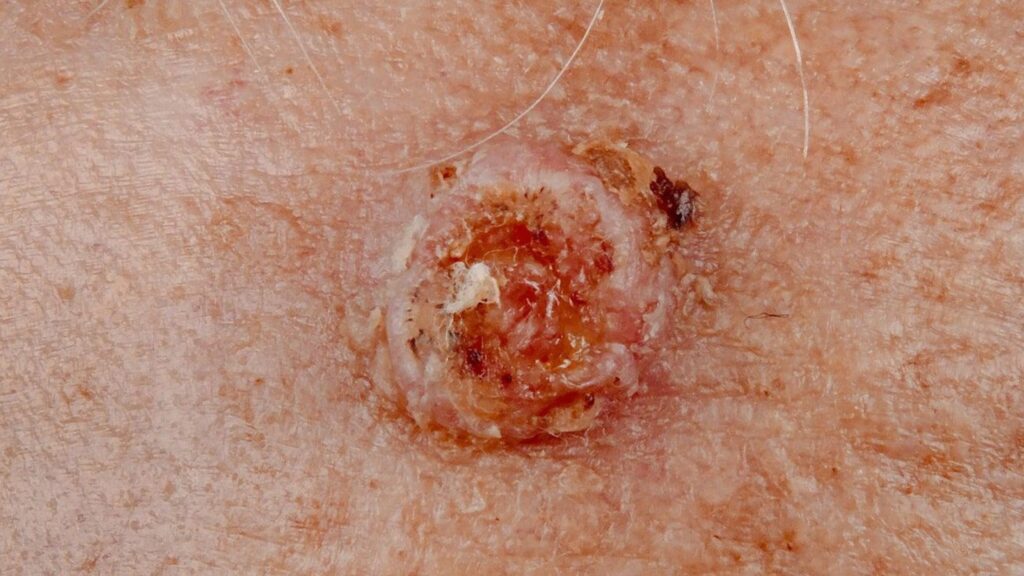
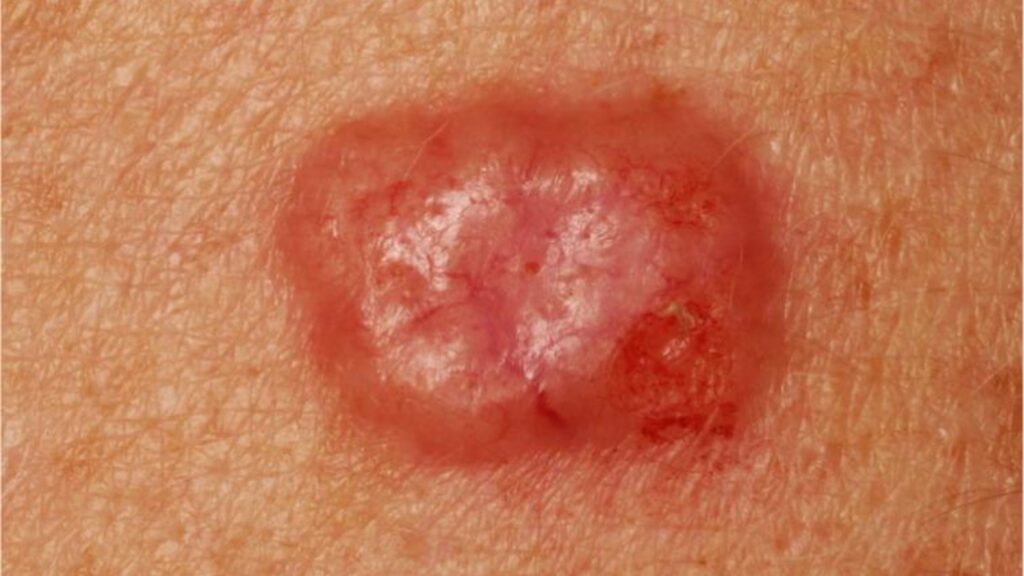
Squamous cell carcinoma occurs in the outer layer of the skin in the squamous cells. These are flat cells and are close to the surface hence SCC tends to manifest as apparent changes in the skin.
Common Characteristics
- Crusty or scaly spots.
- Red, inflamed areas
- Unhealing open sores.
- Crustaceous or thickened growths.
- Wart-like lesions
SCC is usually found on the sun-exposed parts of the body like the face, ears, neck, hands, and arms.
Why Early Detection Matters
Early diagnosis is important in successful treatment of Skin Cancer Treatment Canberra. Early detection of SCC is normally a simple and very successful treatment.
Benefits of Early Detection
- Less invasive procedures
- Reduced risk of transmission.
- Faster recovery
- Minimal scarring
- Reduced treatment costs
Later diagnoses may cause tissue penetration further and more complicated treatment.
Causes and Risk Factors
Primary Cause: UV Exposure
Excessive exposure to the sun (ultraviolet UV radiation) is the primary cause of SCC.
Additional Risk Factors
- Light complexion or fair skin.
- History of sunburn
- Outdoor occupations
- Older age (over 50)
- Weakened immune system
- Previous skin cancer
- Use of tanning beds.
The strong UV levels all year long place residents of Canberra at greater risk.
Understanding the Stages of Squamous Cell Carcinoma
Treatment decisions depend on how advanced the cancer is. SCC is typically classified into stages based on size, depth, and spread.
- Cancer cells are limited to the top layer of skin
- No invasion into deeper tissues
Stage 1
- Tumour is small and localized
- No spread to lymph nodes
Stage 2
- Larger tumour or deeper invasion
- May have higher risk features
Stage 2
- Cancer has spread to nearby lymph nodes
Stage 4
- Cancer has spread to distant organs
Each stage requires a different treatment approach.
Stage-Based Squamous Cell Skin Cancer Treatment
Stage 0: Early Superficial Treatment
At this level, SCC is limited to the epidermis layer.
Treatment Options
- Topical Medications: Creams are used to put on the skin to kill cancer cells.
- Cryotherapy: Freezing and abnormal cell removal is done using liquid nitrogen.
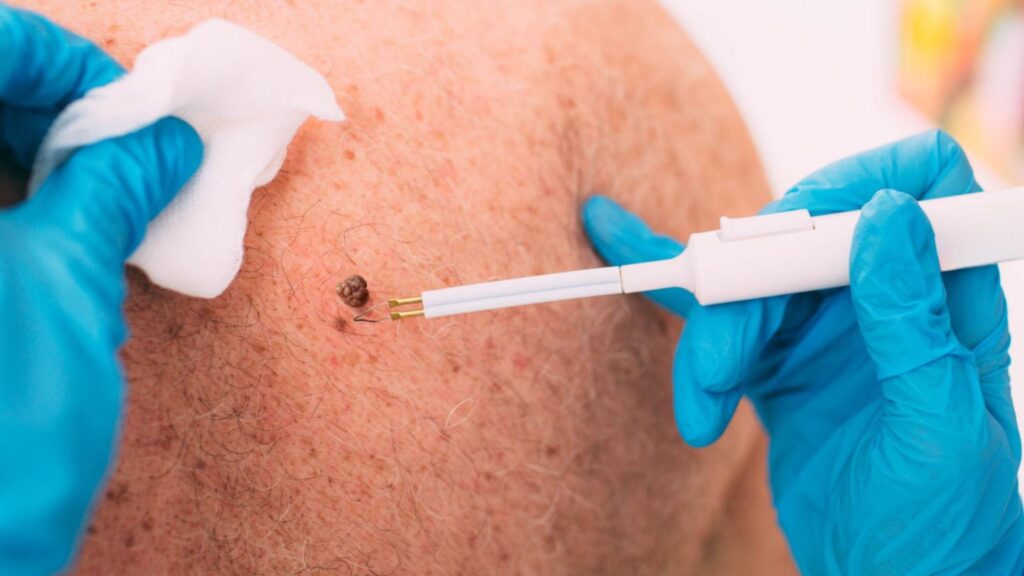
- Curettage and Electrodessication: The lesion is sponged away and the area cauterised to kill the rest of the cells.
Why These Work
The cancer has not penetrated further and thus, surface treatment is normally effective.
Stage 1: Localised Treatment
The cancer is yet small at this stage and has not metastasized.
Treatment Options
- Surgical Excision
The tumour is excised and a healthy tissue is taken with it. - Mohs Surgery
The removal in layers is done to ensure that the whole cancer is removed and healthy skin is maintained. - Radiation Therapy (in some cases)
Alternative to surgery.
Outcome
The success rate of the treatment in this stage is high.
Stage 2: More Advanced Local Treatment
Stage 2 cancers are larger or have deeper invasion.
Treatment Options
- Wide Surgical Excision: A greater amount of tissue is excised so that all cancer cells are destroyed.
- Mohs Surgery:Frequently indicated in the case of high-risk lesions or on the face.
- Radiation Therapy: Can be applied following surgery to prevent recurrence.
Additional Monitoring
The follow-up visits are also necessary to check on recurrence.
Stage 3: Regional Spread
Cancer has extended to lymph nodes in the vicinity.
Treatment Options
- Surgery: Excision of the primary tumour and the involved lymph-nodes.
- Radiation Therapy: Administered following surgery to attack the remaining cancer cells.
- Combination Therapy: Surgery and radiation are typical.
Challenges
The treatment is more complicated, yet it can be managed with early intervention.
Stage 4: Advanced or Metastatic SCC
Cancer at this stage has spread to other body organs.
Treatment Options
- Immunotherapy: Assists the immune system in combating cancer cells.
- Targeted Therapy: Cancer cell growth is specifically targeted by drugs.
- Radiation Therapy: To manage the symptoms and decrease the size of the tumours.
- Surgery (Selective Cases): May still be used depending on spread.
Focus of Treatment
The goal of treatment at this stage is to manage the disease and enhance quality of life.
Choosing the Right Treatment in Canberra
Role of a Skin Specialist
A skin specialist Canberra is instrumental in:
- Diagnosing skin cancer
- Determining the stage
- Recommending treatment
- Monitoring recovery
It is desirable to select a seasoned expert to detect the problem and properly plan the treatment.
Importance of a Dedicated Skin Cancer Clinic
A Canberra city skin cancer clinic offers:
- Advanced diagnostic tools
- Dermatoscopy and imaging
- Mole mapping
- Surgical expertise
- Ongoing monitoring
All stages of SCC are treated with specialised clinics.
What to Expect During Diagnosis
Initial Skin Examination
A doctor will examine your skin visually and may use a dermatoscope for a closer look.
Biopsy
If a suspicious lesion is found, a biopsy is performed to confirm the diagnosis.
Types of Biopsy
- Shave biopsy
- Punch biopsy
- Excisional biopsy
Results help determine the stage and guide treatment decisions.
Recovery and Aftercare
Healing After Treatment
The time spent on recovery is dependent on the form of treatment.
Typical Recovery:
- Mini operations: no more than a few days.
- Surgical excision: 1–2 weeks
- Advanced treatments: longer
The wound should be properly taken care of to avoid infection and scarring.
Follow-Up Care
Follow-ups are a way of early recurrence detection.
Follow-Up Schedule
- Low risk: Every 6-12 months.
- High risk: every 3-6 months.
Depending on your condition your doctor will prescribe one.
Preventing Squamous Cell Skin Cancer
Sun Protection Is Essential
Daily Protection Tips
- Use SPF 50 sunscreen
- Wear hats and sunglasses
- Avoid peak sun hours
- Wear protective clothing
- Reapply sunscreen every 2 hours
Prevention reduces the risk of developing SCC.
Skin Self-Checks
Self-examinations should be regularly performed in order to identify changes at an early stage.
Look For:
- New growths
- Non-healing sores
- Scaly patches
- Modifications in current locations.
In case of changes, consult with a professional.
When to See a Doctor
You need to visit a doctor in case you observe:
- An ulcer which never heals.
- A scaly or crusty spot.
- A swollen mass that is expanding rapidly.
- An easy to bleed lesion.
Consultation should be carried out early.
Conclusion
Squamous cell carcinoma is widely spread yet it can be treated as a type of skin cancer, more so when detected at an early stage. Knowledge about the treatment of the stage-based squamous cell skin cancer treatment would enable patients to make the appropriate choice and obtain the necessary treatment in time.
Since simple surface treatment at the initial stages and to more elaborate in subsequent stages, treatment modalities are very effective under the guidance of a qualified skin specialist Canberra. The prevention and early detection require regular skin examinations, sun protection and awareness of warning signs.
In case you observe some strange changes on your skin, then do not postpone consulting a professional. Timely intervention can go a long way in enhancing treatment outcomes and health.
Frequently Asked Questions (FAQs)
Q1. How serious is squamous cell skin cancer if left untreated?
If left untreated, squamous cell carcinoma can grow deeper into the skin and may spread to nearby lymph nodes or other parts of the body. While it is often treatable in early stages, delayed treatment can make it more aggressive and harder to manage. Early diagnosis significantly improves outcomes and reduces complications.
Q2. How long does squamous cell skin cancer treatment take?
Treatment duration depends on the stage and method used. Minor procedures like excision or cryotherapy can be completed in a single visit, with recovery taking a few weeks. Advanced treatments such as radiation or immunotherapy may take several weeks or months. Your doctor will provide a personalised treatment timeline.
Q3. Can squamous cell skin cancer come back after treatment?
Yes, there is a chance that SCC can recur, especially in high-risk cases. This is why regular follow-up appointments are important after treatment. Monitoring your skin and attending scheduled check-ups at a Canberra city skin cancer clinic helps detect any recurrence early and ensures timely management.
Q4. When should I see a doctor for possible squamous cell skin cancer?
You should consult a doctor if you notice a persistent sore, scaly patch, or a growth that changes in size or appearance. Any lesion that does not heal within a few weeks should be examined. Early consultation with a specialist improves the chances of successful treatment and prevents complications.
Need Squamous Cell Skin Cancer Treatment in Canberra?
Get expert care—schedule your skin cancer consultation today and take the first step toward early detection and effective treatment.
| Canberra Skin Cancer Clinic- Green Way | Canberra Skin Cancer Clinic- Molonglo Valley |
| Phone: (02) 6100 9956 | Phone: (02) 5110 3155 |
| Email: reception@greenwaymedicalcentre.com.au | Email: reception@greenwaymedicalcentre.com.au |
| Address: Unit 6/175 Anketell Street, Greenway ACT 2900 | Address: 110 Woodberry Ave Coombs ACT 2611 |
| Website: https://canberraskincancerclinic.com.au/ | Website: https://canberraskincancerclinic.com.au/ |