Skin cancer is one of Australia’s most common cancers, and Canberra’s residents are especially at risk because of high levels of ultraviolet (UV) radiation. Many skin cancers can be cured if caught early, but one of the first questions people ask is: When do you need surgery? Knowing when surgery is needed – and what to expect – can help you make the right choices for your health. Whether you’re looking for treatment options or a skin cancer check near me, this guide will explain the clinical aspects of skin cancer surgery.
What is Skin Cancer?
Before discussing surgery, it’s important to understand the types of skin cancer that may require it. The three most common types include:
1. Basal Cell Carcinoma (BCC)
- Most common and least aggressive type
- May spread locally and cause tissue damage
2. Squamous Cell Carcinoma (SCC)
- More aggressive than BCC
- Can spread if untreated
3. Melanoma
- The most dangerous form
- Risk of metastasising to other organs, if left untreated
In a specialist skin cancer clinic canberra, early detection of skin cancer with regular skin cancer checks canberra means fewer complicated surgeries.
When Is Surgery Required for Skin Cancer?
Surgery is not always the first-line treatment, but in many instances, it’s the best and only option. Here’s when surgery is advised.
1. After a Cancer Biopsy
A biopsy is the first step in diagnosis. If the biopsy does show cancer, surgery may be recommended.
Why surgery?
- Removes the tumor completely
- Prevents further growth
- Reduces risk of spread
Most patients being treated at a canberra skin cancer clinic have surgery to excise their skin cancer.
2. When the Tumor Is Localised
If the tumor has not invaded deeper than the upper layers of the skin, surgery is a relatively easy procedure.
Common surgical methods:
- Excisional surgery – cutting out the cancer plus some of the surrounding skin
- Curettage and cautery – removing and cauterising the lesion
Skin cancers are easily cured when caught early, making skin cancer checks canberra so important.
3. When Non-Surgical Treatments Are Not Effective
Early cancers can be treated with:
- Topical creams
- Cryotherapy (freezing)
- Photodynamic therapy
But if the treatments are ineffective or the cancer returns, surgery is needed.
Clinical insight:
Cancers may recur and need to be excised deeper.
4. Aggressive Cancer
Aggressive cancers such as:
- High-risk SCC
- Melanoma
often need to be removed urgently.
Why?
- Faster growth rate
- Increased likelihood of spread
In these situations, a delay in surgery can have a major impact.
5. When the Lesion Is Large or Deep
Big or deeper lesions need to be removed via surgery.
Additional considerations:
- May need reconstructive procedures
- Could involve skin grafting
A skin cancer clinic Canberra that specialises in skin cancer can handle such delicate cases.
6. When Cosmetic and Functional Preservation Is Important
Some parts of the body, such as the face, ears or neck, need to be operated on with a high degree of precision.
Advanced option:
Mohs surgery (tissue-sparing technique)
This method ensures:
- Maximum cancer removal
- Minimal damage to surrounding tissue
Types of Surgical Procedures for Skin Cancer
Knowing the different types of surgery can ease your fear and prepare you.
1. Standard Excision
Procedure:
- Tumor removed with a safety margin
- Wound stitched closed
Best for:
- BCC and SCC
- Early-stage melanoma
2. Mohs Micrographic Surgery
Procedure:
- Layer-by-layer removal
- Immediate microscopic examination
Advantages:
- High cure rate
- Preserves healthy tissue
3. Curettage and Electrodessication
Procedure:
- Scraping the tumor
- Burning remaining cells
Best for:
- Small, superficial cancers
4. Wide Local Excision (for Melanoma)
Procedure:
- Larger margin removed
- Can include lymph node assessment
What Happens During Surgery?
In a Canberra skin cancer clinic, it usually follows a patient-centred process:
Step-by-step:
- Local anaesthesia is administered
- Tumor is surgically removed
- Tissue is sometimes sent for analysis
- Wound is closed or reconstructed
Most procedures are done on an outpatient basis.
Recovery After Skin Cancer Surgery
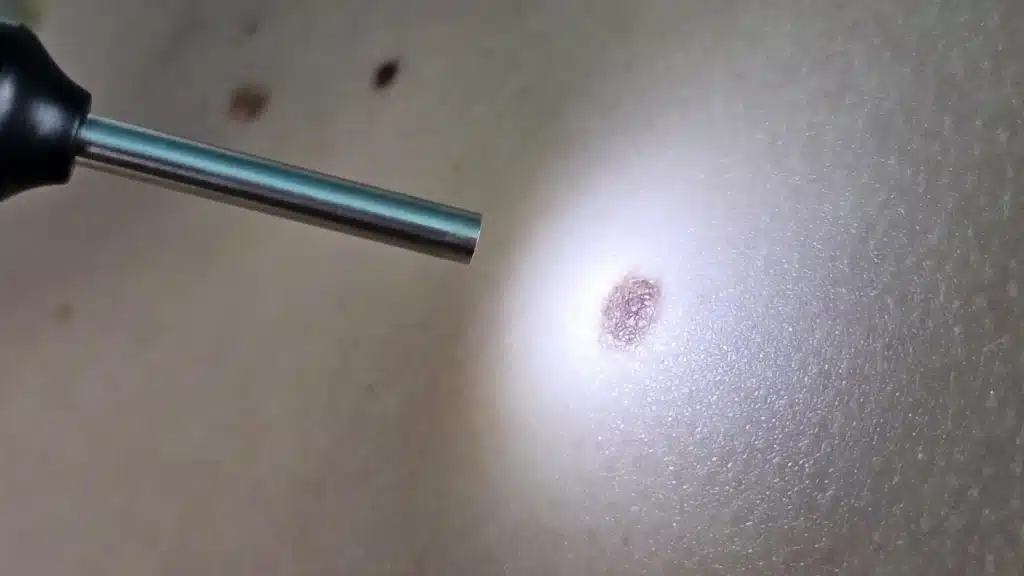
The recovery period depends on the type of surgery and size of the tumour.
General recovery timeline:
- Minor procedures: 1–2 weeks
- Major surgeries: A few weeks
Post-operative care:
- Keep the area clean
- Avoid sun exposure
- Follow dressing instructions
After treatment at a skin cancer clinic canberra, patients are given comprehensive instructions on aftercare.
Risks and Complications
Although surgical treatment is generally safe, it can include:
- Scarring
- Infection
- Bleeding
- Nerve damage (rare)
Risk is reduced if you go to a specialist canberra skin cancer clinic.
Can Skin Cancer Come Back After Surgery?
Yes, it can recur particularly if:
- Cancer was aggressive
- Margins were not clear
- Follow-up care is missed
Prevention strategy:
- Regular skin cancer checks canberra
- Ongoing monitoring
Importance of Early Detection
Early detection means less aggressive treatment of skin cancer.
Benefits of early detection:
- Avoid major surgery
- Higher cure rates
- Better cosmetic outcomes
If you’ve been looking for a skin cancer check near me, now’s the time to start looking.
How Often Should You Get Checked?
For Canberra residents, regular screening is essential.
General recommendations:
- Every 6–12 months for adults
- More frequent for high-risk individuals
Who Is at Higher Risk?
You should make trips to a skin cancer clinic canberra a priority if you:
- Have fair skin
- Spend significant time outdoors
- Have had sunburns
- Notice changing moles
Signs That May Require Immediate Attention
If you detect:
- Rapidly growing lesions
- Bleeding or crusting sores
- Irregular moles
- Persistent redness
These may be signs of a need for surgery.
Cost of Skin Cancer Surgery in Canberra
Costs vary depending on:
- Type of procedure
- Size and location of the lesion
- Clinic expertise
Many treatments may be partially covered under Medicare.
How to choose your Skin Cancer Clinic Canberra
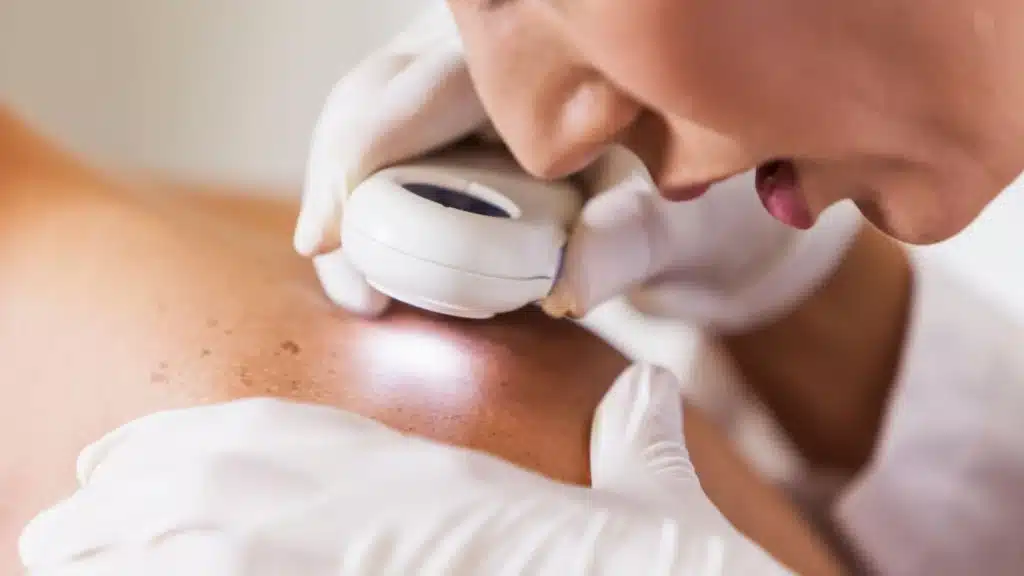
Clinics vary in their treatment standards.
Look for:
- Experienced doctors
- Advanced diagnostic tools
- Surgical expertise
- Strong patient reviews
A reputable Canberra skin cancer clinic will diagnose and treat skin cancer.
Preventing the Need for Surgery
While surgery is effective, prevention is always better.
Practical tips:
- Use SPF 50+ sunscreen daily
- Wear protective clothing
- Avoid peak UV hours
- Perform self-examinations
Final Thoughts
When skin cancer reaches a stage where it cannot be treated by non-surgical means, it requires surgery. It is often the most effective method of removing cancer and halting its spread.
But surgery may come down to timing. Regular skin cancer checks Canberra can lead to early diagnosis, which can result in a less invasive surgery.
Frequently Asked Questions (FAQs)
Q1. When is surgery the best treatment for skin cancer?
Surgery is usually recommended when a biopsy confirms skin cancer and the lesion needs to be completely removed. At a skin cancer clinic Canberra, surgery is often the most effective option for basal cell carcinoma, squamous cell carcinoma, and melanoma—especially when the cancer is localised or showing signs of progression.
Q2. Can skin cancer be treated without surgery?
Yes, some early-stage skin cancers can be treated without surgery using methods like topical creams, cryotherapy, or photodynamic therapy. However, if these treatments are not effective or the cancer is more advanced, a Canberra skin cancer clinic may recommend surgical removal for complete treatment.
Q3. Is skin cancer surgery painful?
Most procedures are performed under local anaesthesia, so you won’t feel pain during the surgery. After the procedure, mild discomfort or soreness is common but can be managed with simple pain relief and proper aftercare advised during your skin cancer checks Canberra visits.
Q4. How long does it take to recover from skin cancer surgery?
Recovery time depends on the size and location of the cancer. Minor procedures may heal within 1–2 weeks, while more complex surgeries can take several weeks. Your doctor at a skin cancer clinic Canberra will provide a personalised recovery plan.
Don’t wait—book your skin cancer check near me today with a trusted skin cancer clinic Canberra and take a proactive step toward early detection and effective treatment.
| Canberra Skin Cancer Clinic- Green Way | Canberra Skin Cancer Clinic- Molonglo Valley |
| Phone: (02) 6100 9956 | Phone: (02) 5110 3155 |
| Email: reception@greenwaymedicalcentre.com.au | Email: reception@greenwaymedicalcentre.com.au |
| Address: Unit 6/175 Anketell Street, Greenway ACT 2900 | Address: 110 Woodberry Ave Coombs ACT 2611 |
| Website: https://canberraskincancerclinic.com.au/ | Website: https://canberraskincancerclinic.com.au/ |