
One of the most frequently diagnosed skin cancers in Australia is Squamous Cell Skin Cancer (SCC). Although most of the cases are curable, the rate at which SCC develops and spreads is different in individuals. Such uncertainty usually results in a question that is critical: How fast does it actually spread?
In Canberra, the UV exposure is high all year round, so it is important to understand the behaviour of SCC. The timely diagnosis and squamous cell skin cancer treatment can significantly change the results when detected in the early stages.
This guide describes the rate at which SCC can develop, which conditions can affect its development, what to be alert to, and when to consult a professional at a skin cancer clinic canberra or book skin cancer checks canberra.
What Is Squamous Cell Skin Cancer?
Understanding SCC
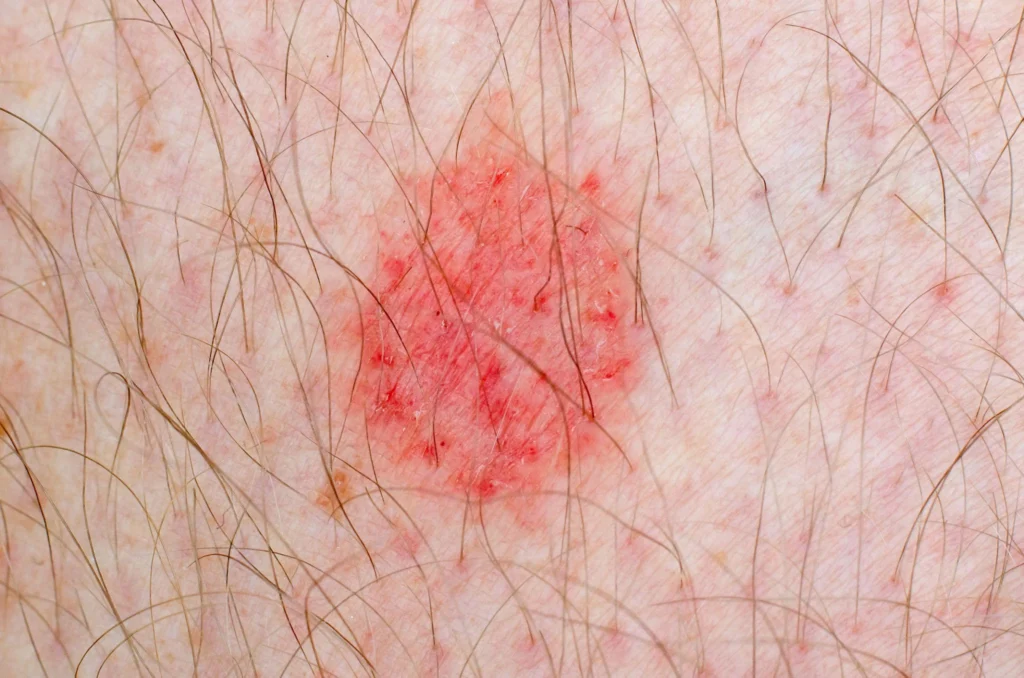
Squamous cell carcinoma occurs in the squamous cells that are located in the outer coating of the skin. These are the cells that are in charge of the skin surface and continually being renewed.
SCC is usually manifested in the form of visible changes on the skin as opposed to internal growths. It is usually found on parts that are regularly exposed to the sun and these include:
- Face
- Ears
- Neck
- Hands
- Arms
- Scalp
Common Appearance of SCC
Typical Signs Include:
- Scaly or rough areas.
- Crusty or thickened skin.
- Healingless open sores.
- Growing lumps or nodules.
- Red or swollen places.
Such changes can be slow emerging but in other instances, they can be faster.
How Fast Does Squamous Cell Skin Cancer Spread?
General Growth Rate
SCC tends to grow moderately as opposed to other cancers. It however, grows faster than basal cell carcinoma and may turn aggressive in case it is not treated.
Key Points:
- Other SCC lesions enlarge after several months.
- There are others who can grow in just a few weeks.
- The rate of growth depends on individual factors.
- SCC is slow-growing at its early stage.
- More rapid SCC can be transmitted.
Can SCC Spread to Other Parts of the Body?
Yes SCC can spread (metastasise) particularly when untreated at an early stage.
Possible Spread Includes:
- Nearby lymph nodes
- Surrounding tissues
- Remote organs (in uncommon instances)
When the cancer extends to a deeper part of the skin or when it goes unattended over a long period of time, the likelihood of spreading the cancer is increased.
Factors That Influence How Fast SCC Spreads
Tumour Size and Depth
The bigger and deeper the tumour, the greater the risk of its rapid progression.
Why It Matters:
- Greater depth tumours reach blood vessels.
- The bigger the lesions, the longer they can grow.
- The more developed tumours are difficult to cure.
Location on the Body
Certain areas are more prone to aggressive behaviour.
High-Risk Locations:
- Lips
- Ears
- Scalp
- Around the eyes
Vast regions are better endowed with blood supply, and this can lead to quicker spread.
Immune System Health
A depressed immune system causes the risk of accelerating SCC to grow.
At-Risk Individuals:
- Organ transplant patients
- Individuals who are immunosuppressed.
- People with chronic diseases.
Sun Exposure History
The UV damage is significant in the development of SCC in the long run.
Risk Increases With:
- Frequent sunburns
- Outdoor occupations
- Deficiency of sun protection.
- Residing in high UV areas such as Canberra.
Previous Skin Cancer
Aggressive forms tend to develop in people who have had previously skin cancer.
Stages of SCC and Their Growth Behaviour
Stage 0 (In Situ)
- Stuck to the surface layer of skin.
- Very slow growth
- None to deeper tissues.
Stage 1
- Small and localised
- Retarded to average growth.
- No lymph node involvement.
Stage 2
- Increased or more profound tumour.
- High potential of transmission.
- Moderate growth rate
Stage 3
- Metastasis to lymph nodes.
- Faster progression
- Needs more complicated treatment.
Stage 4
- Diffuse to other organs.
- Aggressive behaviour
- Requires advanced treatment
Why Early Detection Is Critical
Impact on Treatment
Early diagnosis provides easier and effective treatment choice.
Benefits:
- Minor surgical procedures
- Reduced risk of recurrence.
- Faster recovery
- Better long-term outcomes
Delayed Detection Risks
Failure to take into account SCC may result in:
- Deeper tissue invasion
- Metastasize to lymph nodes.
- More invasive treatments
- Increased health risks
Symptoms That May Indicate Rapid Growth
Warning Signs to Watch
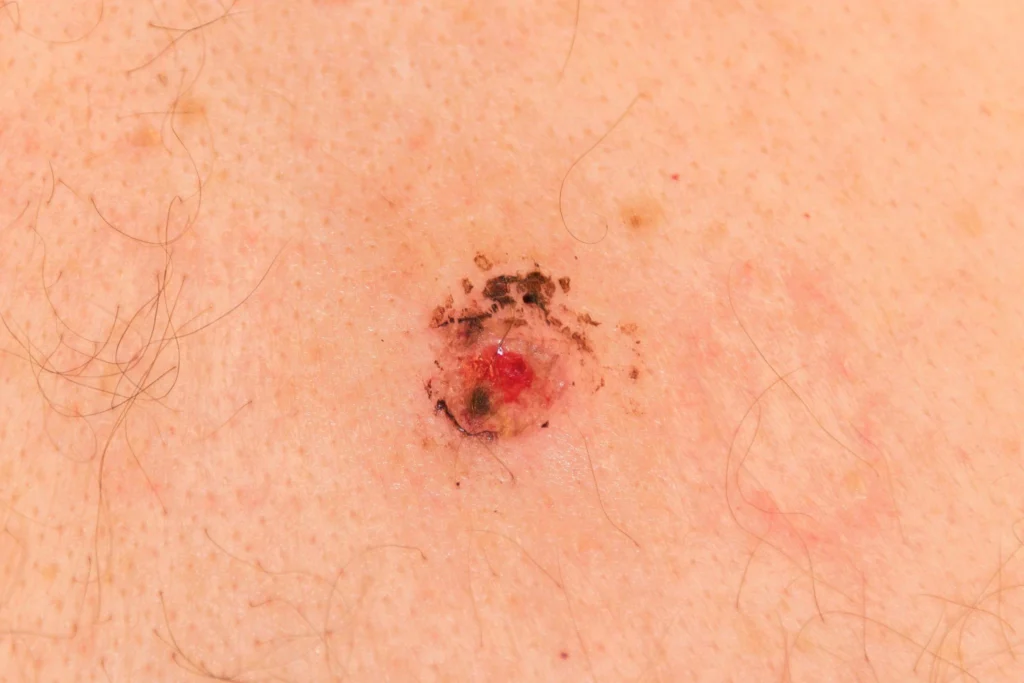
Key Signs:
- Fast growth in size.
- Persistent sores
- Bleeding or crusting
- Pain or tenderness (at later stages)
- Alteration of texture or colour.
In case you observe the changes, it is vital to book skin cancer checks canberra
Diagnosis at a Skin Cancer Clinic in Canberra
What Happens During a Check
A visit to a skin cancer clinic canberra usually involves:
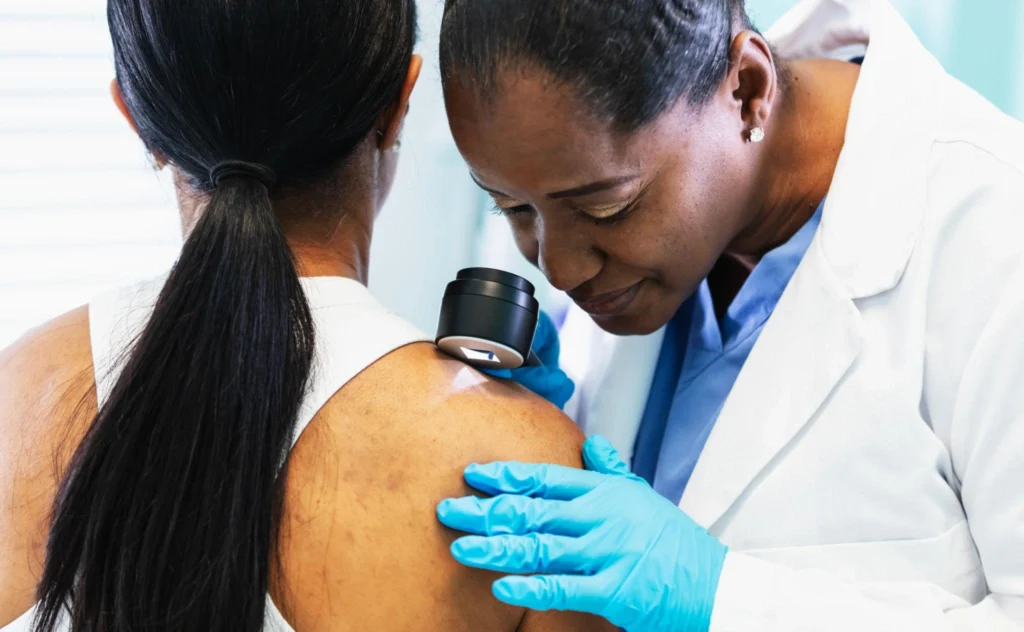
- Full skin examination
- Use of dermatoscope
- Detecting suspicious lesions.
- Biopsy if needed
Biopsy and Results
A biopsy will tell whether the lesion is malign.
Types of Biopsy:
- Shave biopsy
- Punch biopsy
- Excisional biopsy
Findings are used to identify the stage and make the squamous cell skin cancer treatment.
Treatment Options Based on Growth and Stage
Early-Stage Treatment
- Surgical excision
- Cryotherapy
- Curettage and electrodessication
Advanced Treatment
- Mohs surgery
- Radiation therapy
- Immunotherapy
- Targeted therapy
The treatment varies with the extent of spread of the cancer.
Recovery and Monitoring
After Treatment
The duration of recovery differs with the treatment.
Typical Recovery:
- Small surgeries: a few days.
- Surgery: 1–2 weeks
- Advanced therapy: longer
Follow-Up Care
Follow-ups are necessary periodically.
Recommended Frequency:
- After 6-12 months (low risk)
- After every 3-6 months (high risk)
Preventing Squamous Cell Skin Cancer
Sun Protection Strategies
Daily Habits:
- Apply SPF 50 sunscreen
- Wear protective clothing
- Wear hats and sunglasses.
- Shun the sun at its finest.
- Reapply sunscreen regularly
Regular Skin Checks
Regular inspections assist in identifying alterations in time.
Self-Check Tips:
- Check your skin once a month.
- Use mirrors to see hard to reach spots.
- Monitor moles or lesions changes.
When to See a Doctor
You should seek medical advice if:
- A sore does not heal
- A lesion grows quickly
- Skin changes persist
- A spot looks unusual
Early consultation improves outcomes significantly.
Conclusion
Squamous Cell Skin Cancer can spread faster or slower, but should never be underestimated. Although certain cases do develop gradually, there are those which can develop faster particularly when there are risk factors.
The level of UV exposure is high in Canberra and therefore awareness and early action is important. Complications and enhanced recovery can be avoided by frequent skin cancer checks canberra, early diagnosis, and proper squamous cell skin cancer treatment.
If you notice any unusual skin changes, do not delay seeking advice from a qualified professional at a skin cancer clinic Canberra. Early detection remains the most effective way to manage and treat SCC.
Frequently Asked Questions (FAQs)
Q1. What is the rate of growth of squamous cell skin cancer?
The development of the squamous cell skin cancer usually takes a number of months although in other instances, it may take a number of weeks to develop. The rate of growth is determined by the size of the tumour, location and general health. Early diagnoses matter since the lesions that grow faster may progress to be more aggressive when they are not identified early.
Q2. Is skin cancer with squamous cells dangerous?
SCC can be treated in most cases when early identified but it can be risky when not treated. It can spread to the lymph nodes and other body parts. Although the majority of cases are not life-threatening, the late treatment puts one at risk of complications and more intensive medical care.
Q3. Is there any internal spread of squamous cell skin cancer?
Yes, but it is less likely, SCC may be spread internally in case of its development to advanced stages. It can initially enter into the lymph nodes around and then spread to the distant organs. This is the reason why diagnosis and proper treatment at the early stages are required to avoid metastasis.
Q4. What puts one at risk of fast-spreading SCC?
Risk factors may include compromised immune system, big or deep tumours, excessive sun exposure, and some body parts such as lips or ears. People that have had skin cancer are also more vulnerable. Frequent skin examination can help in detecting these dangers early.
Q5. How often should I have a skin check-up for SCC?
A skin check should be sought in case of a sore that does not heal or a lesion growing rapidly or any other change of the skin. It is also advisable to check up regularly particularly those who are at high risk. With early consultation, there will be timely treatment and improved outcomes.
Concerned About Skin Cancer Symptoms?
Don’t wait—schedule your skin cancer check today for early diagnosis and the right treatment at the right time.
| Canberra Skin Cancer Clinic- Green Way | Canberra Skin Cancer Clinic- Molonglo Valley |
| Phone: (02) 6100 9956 | Phone: (02) 5110 3155 |
| Email: reception@greenwaymedicalcentre.com.au | Email: reception@greenwaymedicalcentre.com.au |
| Address: Unit 6/175 Anketell Street, Greenway ACT 2900 | Address: 110 Woodberry Ave Coombs ACT 2611 |
| Website: https://canberraskincancerclinic.com.au/ | Website: https://canberraskincancerclinic.com.au/ |