
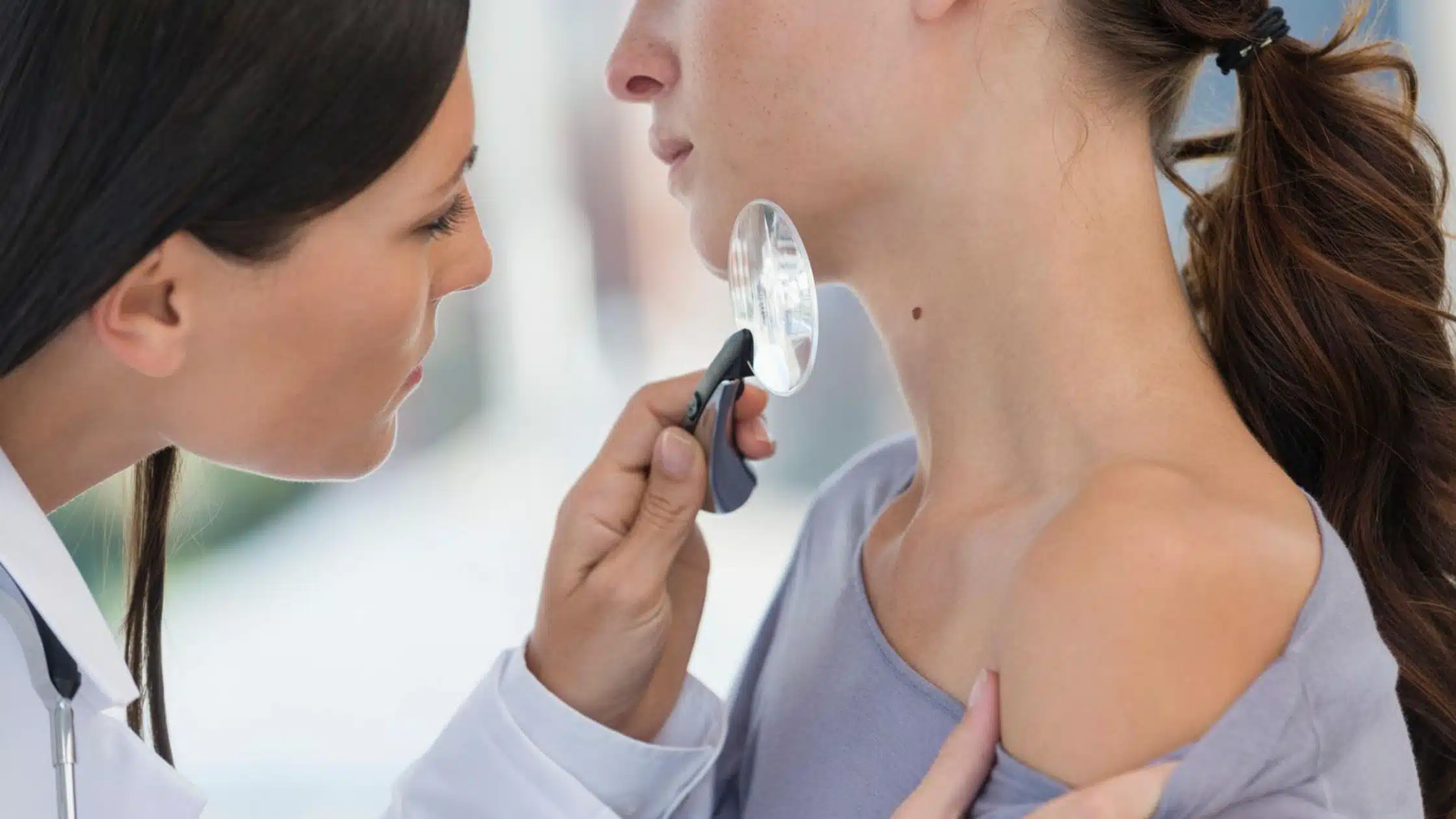
Many people notice a new mole or skin spot and immediately wonder whether it is harmless or something more serious. Because Australia has one of the world’s highest skin cancer rates, it is understandable that patients in Canberra become concerned when they see changes in their skin.
While not every mole is dangerous, some skin changes can indicate early skin cancer. Learning how to monitor your skin at home may help you identify suspicious changes earlier. However, home checks should never replace professional assessment at a mole check clinic or experienced skin cancer practice.
This guide explains how to recognise common warning signs, what normal moles usually look like, and when it may be time to arrange a professional skin examination.
Why Mole Monitoring Matters in Australia
Canberra Residents Face High UV Exposure
Australia’s climate contributes to high ultraviolet exposure across much of the year. Canberra residents may accumulate sun damage over time, even during cooler months.
Long-term UV exposure increases the risk of:
- Basal cell carcinoma
- Squamous cell carcinoma
- Melanoma
Routine monitoring and professional skin checks help support early detection.
What is a Normal Mole?
Understanding Typical Moles
Most moles are non-cancerous growths on the skin which are due to a grouping of pigment-producing cells.
Common Features of Normal Moles Include:
- Round or oval shape
- Even colour
- Smooth borders
- Non-reflectivity of time.Time stability.
- Small size
Others may have more moles than usual, but they don’t get skin cancer.
What Makes a Mole Suspicious?
Certain Changes Require Attention
If the mole is changing, or has peculiar characteristics, it may be a cause for concern.
Warning Signs Include:
- Irregular shape
- Uneven colour
- Rapid growth
- Bleeding
- Crusting
- Persistent itching
A changing lesion should be evaluated by a professional.
The ABCDE Rule for Identifying Suspicious Moles

A Helpful At-Home Monitoring Tool: Doctors commonly use the ABCDE rule when assessing skin lesions.
A – Asymmetry
Uneven Shape
Normal moles are usually symmetrical.
A suspicious mole may appear uneven, with one half looking different from the other.
B – Border
Irregular or Blurred Edges
Healthy moles often have smooth, clearly defined borders.
Potentially dangerous lesions may have:
- Jagged edges
- Blurred outlines
- Uneven borders
C – Colour
Multiple Colours Can Be Concerning
Most harmless moles have one consistent colour.
Suspicious lesions may contain:
- Black areas
- Brown patches
- Red tones
- Blue or white shades
Uneven pigmentation can sometimes indicate melanoma.
D – Diameter
Larger Moles Need Attention
Moles larger than 6 millimetres may require monitoring, especially if other warning signs are present.
However, some melanomas can still be small.
E – Evolving
Change Is One of the Biggest Warning Signs
Changes in a mole’s:
- Size
- Colour
- Texture
- Shape
- Elevation
may suggest abnormal skin activity.
Rapidly evolving lesions should always be professionally assessed.
The “Ugly Duckling” Sign
Comparing Moles to Others on Your Body
Many people have similar-looking moles across their skin.
The “ugly duckling” sign refers to a mole that looks noticeably different from surrounding lesions.
Examples Include:
- Darker colour
- Different shape
- Faster growth
- Unique texture
An unusual-looking mole may require further examination.
Common Types of Skin Cancer Linked to Moles

Melanoma
Melanoma is the most serious type of skin cancer.
Melanoma May Appear As:
- Dark irregular spots
- Rapidly changing moles
- Uneven pigmentation
- Bleeding lesions
Early diagnosis can greatly enhance management.
Basal Cell Carcinoma
Basal cell cancer is usually caused by prolonged sun exposure.
Symptoms May Include:
- Pearly bumps
- Pink patches
- Non-healing sores
These cancers can sometimes not look like the typical moles.
Squamous Cell Carcinoma
Sometimes, SCC may present as:
- Crusting lesions
- Thickened skin
- Scaly patches
- Tender growths
Prompt medical evaluation is important.
Can Normal Moles Change Over Time?
Some Changes Can Be Harmless
Not all of the changes are in fact cancerous.
Moles can change naturally due to:
- Age
- Hormonal changes
- Pregnancy
- Sun exposure
But if there are unusual or sudden changes, it should still be evaluated by a doctor.
Who Is Most at Risk of Skin Cancer?
Higher-Risk Individuals
Genetics or lifestyle can increase a person’s risk of developing skin cancer.
Common Risk Factors are:
- Fair skin
- Light hair or eyes
- Frequent sunburns
- Outdoor occupations
- A positive family history of melanoma.
- A lot of moles.Many moles.
Professional skin checks may be recommended for high-risk individuals who may benefit from them periodically.
How to Perform a Skin Check at Home
Monthly Self-Checks Can Help
You can detect changes sooner if you practice home monitoring.
Areas To Examine Include:
- Face and scalp
- Neck and ears
- Chest and back
- Arms and hands
- Legs and feet
- Under nails
Make use of mirrors or request assistance from someone to check in spots that are hard to see.
What Tools Can Help During Home Checks?
Helpful Self-Monitoring Methods
Some people use:
- Smartphone photos
- Mole tracking apps
- Body maps
- Written notes
Photographs may be useful to compare lesions over time.
When Should You See a Doctor?
Seek Medical Advice If You Notice:
- New moles appearing suddenly
- Bleeding lesions
- Rapid colour changes
- Persistent itching
- Non-healing sores
- Irregular borders
Professional evaluation is always safer than waiting.
Why Professional Mole Checks Matter
Doctors Can Identify Subtle Changes
While self checks are useful, professional checks are very important.
Doctors at skin cancer clinics canberra may use:
- Dermoscopy
- Mole mapping
- High-resolution imaging
- Digital monitoring systems
These help to enhance the quality of diagnosis.
What Is Dermoscopy?
Magnified Skin Examination
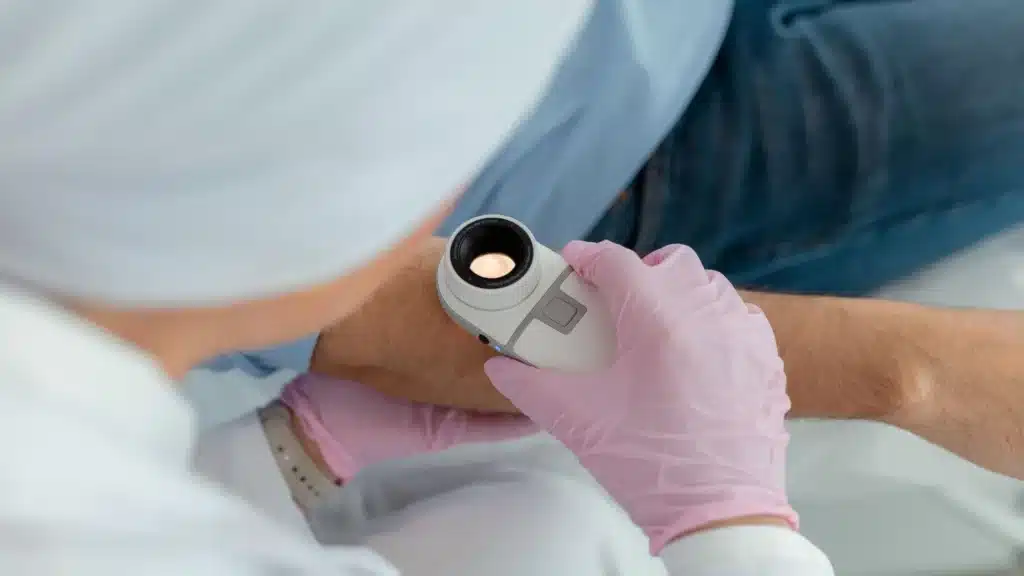
Dermoscopy is the use of special magnifying equipment to closely look at skin lesions.
Dermoscopy Helps Detect:
- Pigment irregularities
- Abnormal blood vessels
- Border changes
- Early melanoma patterns
This technology helps doctors to evaluate lesions more precisely than they can with their eyes.
What Happens During a Professional Mole Check?
Step 1: Medical History Review
Doctors ask about:
- Family history
- Previous skin cancers
- Changes in lesions
- Sun exposure habits
Step 2: Skin Examination
A doctor will use magnifiers to look at suspicious lesions.
Some clinics also may conduct a complete physical examination of the skin.
Step 3: Recommendations
If the doctor finds an issue, he or she may recommend:
- Monitoring
- Mole mapping
- Biopsy
- Mole removal
Additional tests aid in diagnosis when needed.
Can a Mole Be Cancerous Without Pain?
Yes, Skin Cancer Is Often Painless
Many dangerous lesions do not hurt during early stages.
This is why painless moles should not automatically be considered harmless.
Changes in appearance are often more important than discomfort.
The Role of Mole Mapping
Long-Term Monitoring Technology
Mole mapping is based on the photography of lesions and subsequent comparison over time.
Mole Mapping May Benefit:
- Patients who have numerous moles
- High-risk individuals
- Patients with history of melanoma.
Digital comparison is helpful in identifying minor differences early.
Why Early Detection Matters
Early Treatment Often Improves Outcomes
If skin cancer is caught at an early stage:
- Treatment might be easier
- Surgery can be a more manageable size.
- Recovery may be more simple
- Complications can be minimised
A delay in assessment will give time for lesions to get worse.
Common Mistakes People Make During Home Checks
Avoid These Errors
Some people:
- Ignore small changes
- Only check visible areas
- Take a benign approach to lesions that don’t appear to be painful.
- Delay appointments
Ongoing and frequent monitoring is crucial.
Protecting Your Skin Between Checks
Prevention Remains Essential
Helpful prevention strategies include:
- Wearing SPF 50+ sunscreen
- Using protective clothing
- Avoiding peak UV hours
- Wearing wide-brimmed hats
- Seeking shade outdoors
Reducing UV exposure helps lower future risk.
Choosing the Right Clinic in Canberra
Important Features To Consider
The following are key features to take into account.
When looking for a mole check near me patients should compare:
- Doctor experience
- Skin cancer expertise
- Dermoscopy technology
- Mole mapping services
- Follow-up systems
See our full guide for more information on the subject: Is Your Mole Dangerous? Early Signs & When to See a Skin Cancer Clinic.
Why Regular Skin Checks Are Important
Ongoing Monitoring Supports Early Detection
Even after a normal examination, skin monitoring should continue.
Regular appointments help doctors identify:
- New lesions
- Early melanoma changes
- Areas requiring biopsy
- Subtle pigment changes
Routine checks remain one of the most effective preventive tools.
FAQs
Q1.How can I tell if a mole is cancerous or normal?
Normal moles are usually symmetrical, evenly coloured, and stable over time. Suspicious moles may change in shape, colour, size, or texture. Warning signs include irregular borders, multiple colours, bleeding, or rapid growth. The ABCDE rule can help identify concerning changes, but professional assessment is always recommended for accurate evaluation.
Q2.Can melanoma look like a normal mole?
Yes. Some melanomas can resemble ordinary moles during early stages, making them difficult to identify without professional examination. This is why ongoing monitoring and routine skin checks are important, especially for people with many moles or higher skin cancer risk. Doctors use dermoscopy and specialised tools to assess subtle changes more accurately.
Q3.Are all dark moles dangerous?
No. Many harmless moles are naturally dark in colour. However, sudden colour changes, uneven pigmentation, or multiple colours within a single lesion may require medical evaluation. It is important to monitor any mole for changes over time and seek professional advice if the appearance becomes unusual or concerning.
Q4.How often should I check my skin at home?
Monthly self-checks are commonly recommended to help identify new or changing lesions early. Patients should inspect all areas of the body, including the scalp, back, feet, and under nails. Home monitoring should complement professional skin examinations rather than replace regular appointments with experienced skin cancer doctors.
Q5.When should I book a professional mole check?
You should arrange a professional skin assessment if you notice changes in size, colour, shape, or texture of a mole. Bleeding lesions, persistent itching, non-healing sores, or rapidly evolving spots also require evaluation. Early diagnosis improves treatment outcomes and may reduce the need for more extensive procedures later.
Conclusion
Understanding whether a mole appears Cancerous or Normal can help patients recognise early warning signs and seek professional advice sooner. While many moles are harmless, unusual changes should never be ignored.
Regular self-checks, sun protection, and professional skin examinations all play an important role in early detection and long-term skin health. If you notice suspicious skin changes or concerns about a mole, arranging a professional assessment is always recommended.
Worried about a changing mole or unusual skin spot? Book a professional skin check in Canberra today for expert assessment, early detection, and greater peace of mind.
| Canberra Skin Cancer Clinic- Green Way | Canberra Skin Cancer Clinic- Molonglo Valley |
| Phone: (02) 51046409 | Phone: (02) 51046409 |
| Email: reception@greenwaymedicalcentre.com.au | Email: reception@greenwaymedicalcentre.com.au |
| Address: Unit 6/175 Anketell Street, Greenway ACT 2900 | Address: 110 Woodberry Ave Coombs ACT 2611 |
| Website: https://canberraskincancerclinic.com.au/ | Website: https://canberraskincancerclinic.com.au/ |